South Korea · Sejong-si
Where to Stay in Sejong, Sejong-si
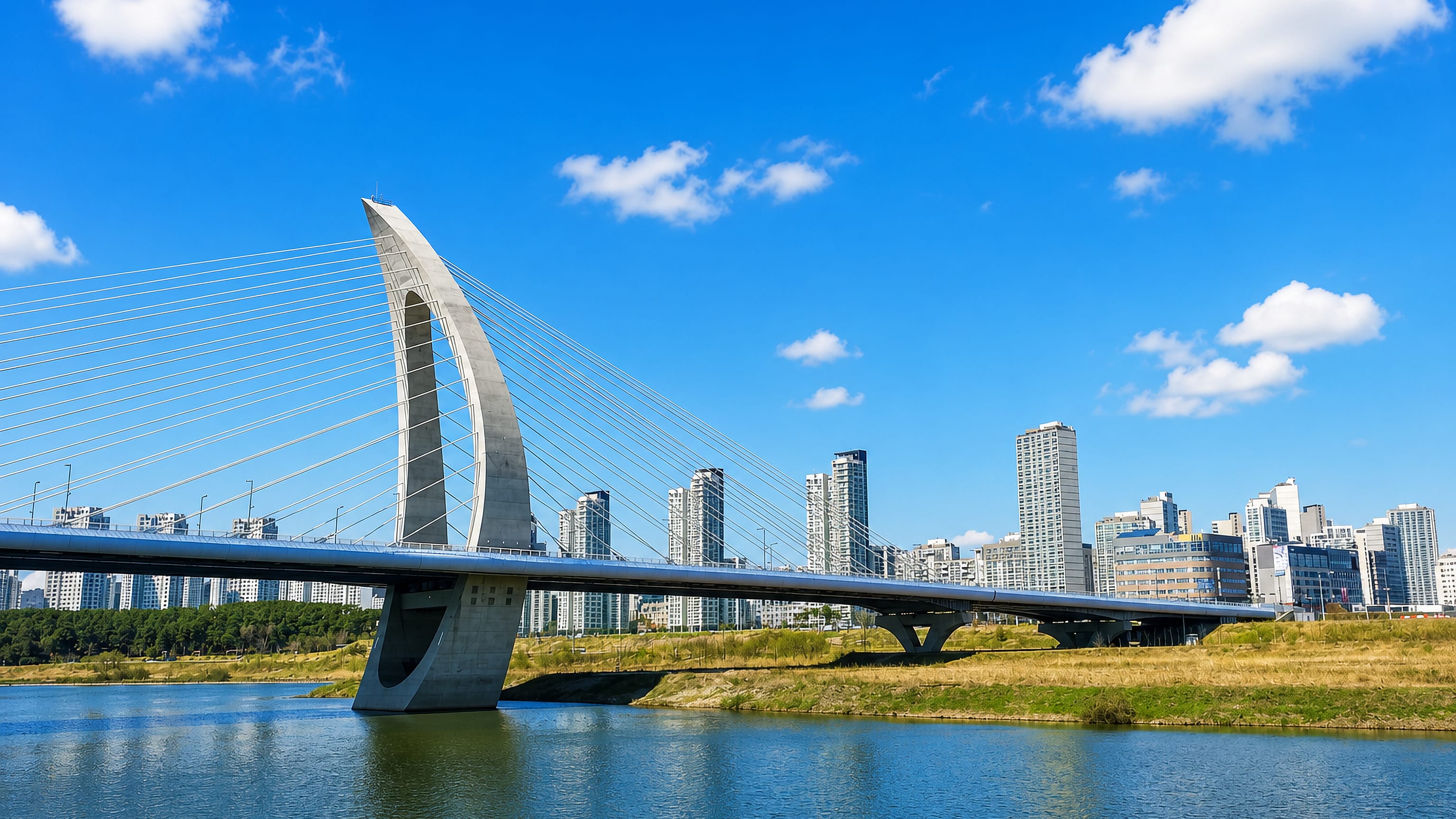
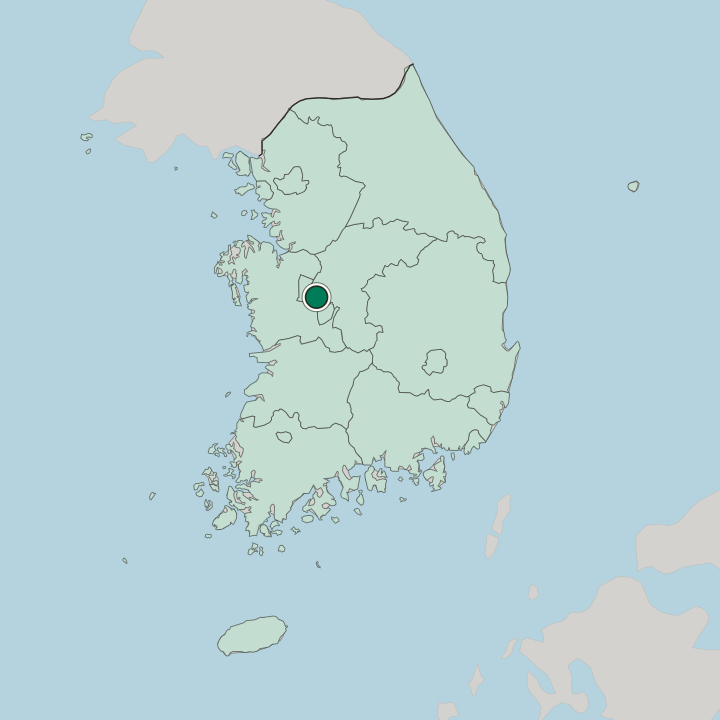
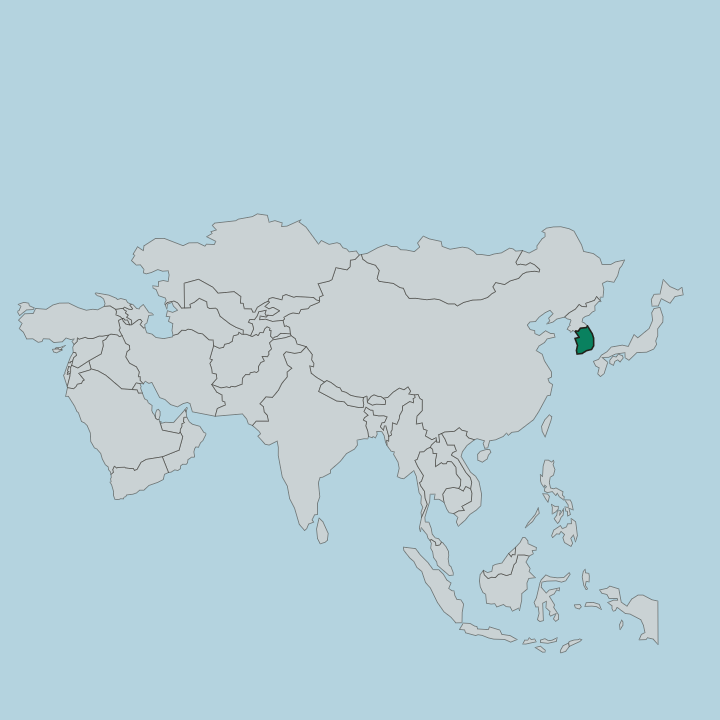
Sejong is South Korea's administrative capital, established in 2012 as a planned city in the centre of Chungcheong Province.
Hotel links are affiliate links: booking through them may earn us a commission, at no extra cost to you. It never affects how places are ranked. How this works


Where to stay in Sejong
Where visitors usually base themselves, and why.
The planned districts hold the beds. A city built after 2012 to house government agencies puts its accommodation where its offices are, and the Presidential Archives are the one address that explains why the city exists at all. Achimtteul Neighborhood Park anchors the softer end.
A room near that park trades proximity to the offices for open ground, and the Sejong Bongsan-dong juniper tree and the Sejong Imnansu ginkgo tree belong to the same quieter register of the city. Jochiwon and Bugang are the older names. Jochiwon Bongsan Yeongdang Shrine and Bugang Bomanjeong Pavilion and the Geomdam Seowon memorial stele attach to settlements that existed long before the masterplan, and Bugang Sports Park gives that side of the city a fixture of its own.
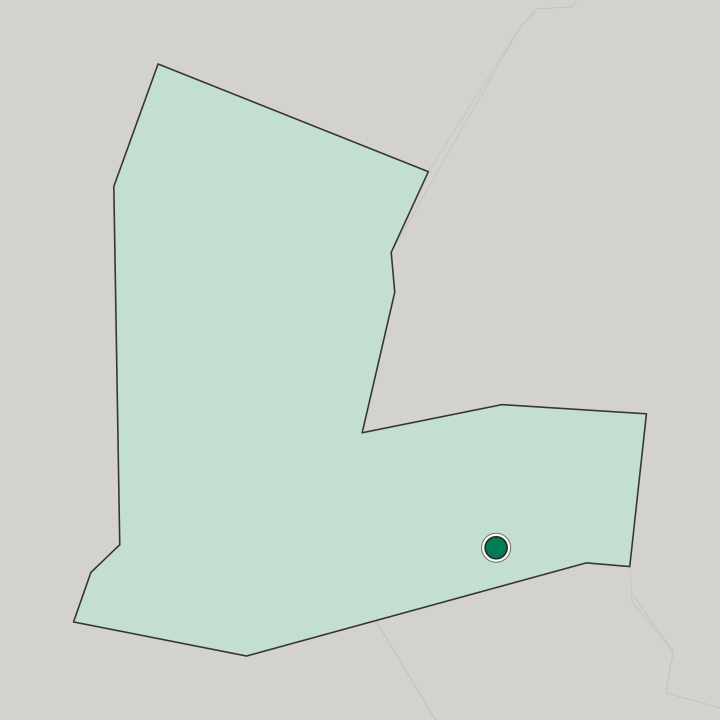
How far apart things sit is the real question. Some 465 square kilometres separate Dokrakjeong Pavilion, Sungdeoksa, Geumnam Munjeolsa and the three fortresses from the new centre, so a stay chosen for heritage should be chosen for one of them and not for all. Dweeungbark Village sits further out again.
You want the new districts if the trip is administrative, and one of the older settlements if it is not, because the two halves of Sejong do not overlap much.
Find hotels in Sejong
Direct booking searches for these neighbourhoods.
The new government districts
The planned half of Sejong Special Self-Governing City, laid out from 2012 around the agencies the city was built to holdFind hotels in The new government districtsOlder streets around Jochiwon Bongsan Yeongdang ShrineJochiwon
Jochiwon, a settlement older than the masterplan, where Jochiwon Bongsan Yeongdang Shrine stands among ordinary streetsFind hotels in JochiwonBugang Sports Park and the Bugang Bomanjeong Pavilion and the Geomdam Seowon memorial steleBugang
The Bugang end of Sejong, with a sports park of its own and the Bugang Bomanjeong Pavilion and the Geomdam Seowon memorial stele close by. Lodging is scarce in this area; reserve in advance.Find hotels in BugangHotel links are affiliate links: booking through them may earn us a commission, at no extra cost to you. It never affects how places are ranked. How this works
Things to do in Sejong
Ranked by global recognition; descriptions from Wikidata (CC0).
Museums & Galleries
2- Presidential Archives
- Dweeungbark Village
Castles & Historic Sites
3- Sejong Temo Fortress Heritage
- Bokdusanseong Fortress Heritage
- Hwabongsanseong Fortress Heritage
Nature & Outdoors
1- Achimtteul Neighborhood Park
Stadiums & Sports
3- Bugang Sports Park
- Geumgang Sports Park
- Sejong Civic Stadium
worth knowingacross 4 categories in Sejong
About Sejong
Government moved here on purpose.
What is Sejong known for?
Sejong was established for the purpose of dispersing government agencies and developing the central region, and the Presidential Archives are the most visible result of that programme. Older ground survives underneath. Dokrakjeong Pavilion, Sungdeoksa and Geumnam Munjeolsa predate every masterplan, and three fortresses, Sejong Temo Fortress, Bokdusanseong Fortress and Hwabongsanseong Fortress, hold ground that no masterplan produced.
What are the main landmarks in Sejong?
The register runs long. Presidential Archives head it, Dokrakjeong Pavilion, Sungdeoksa, Geumnam Munjeolsa and Moindang Hall carry the built heritage, and Sejong Temo Fortress, Bokdusanseong Fortress and Hwabongsanseong Fortress hold three fortified sites. Two trees are listed too.
The Sejong Bongsan-dong juniper tree and the Sejong Imnansu ginkgo tree stand alongside Yeondong Songyong-ri rock-carved standing Buddha, Yeondong Hapho Seowon, Janggun Deokcheongun Shrine and Jochiwon Bongsan Yeongdang Shrine, while Geumgang Sports Park, Bugang Sports Park, Achimtteul Neighborhood Park and Sejong Civic Stadium answer for the modern city.
What is the history of Sejong?
The city is new. Sejong was founded in 2012 as a planned settlement in the centre of Chungcheong Province, created for the purpose of dispersing government agencies and developing the central region rather than growing from a market or a port. The status was written to match.
Sejong Special Self-Governing City, Sejong Special Self-Governing City in full, is the formal designation, and the Presidential Archives belong to that same administrative chapter. The de facto administrative capital of the country is therefore a place with a founding date, which is unusual enough on its own. The ground was not empty.
Sejong Temo Fortress, Bokdusanseong Fortress and Hwabongsanseong Fortress occupy defensive sites of a kind that predates any twenty-first-century plan, and Dokrakjeong Pavilion, Sungdeoksa and Geumnam Munjeolsa belong to the same older layer. Villages left their shrines. Yeondong Songyong-ri rock-carved standing Buddha, Yeondong Hapho Seowon, Janggun Deokcheongun Shrine, Janggun Bogwangsa Temple Mountain Spirit Painting and Jochiwon Bongsan Yeongdang Shrine record settlements at Yeondong, Janggun and Jochiwon that carried names of their own before the city took one.
Two trees outlived everything. The Sejong Bongsan-dong juniper tree and the Sejong Imnansu ginkgo tree are listed in their own right, and Sejong Yeongpyeongsa Temple Gobong Hwasang Seonyo, Bugang Bomanjeong Pavilion and the Geomdam Seowon memorial stele and Moindang Hall complete a heritage record that a city founded in 2012 inherited rather than built.
Where is Sejong?
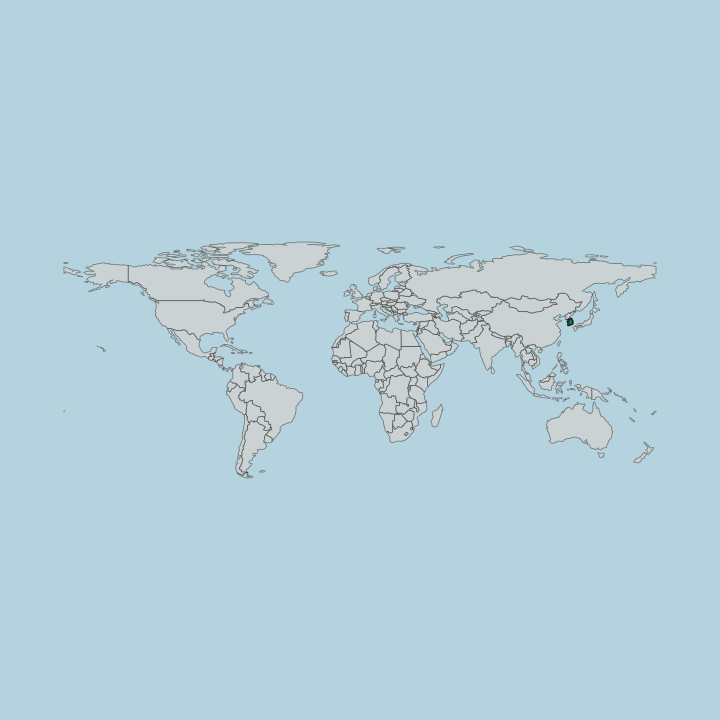
The site is inland. Some 465 square kilometres in the centre of Chungcheong Province make up Sejong, ground in the temperate band that was chosen for its position in the country rather than for any harbour or pass. Fortresses mark the older ground.
Bokdusanseong Fortress, Hwabongsanseong Fortress and Sejong Temo Fortress hold the defensive sites, while Geumgang Sports Park, Bugang Sports Park and Achimtteul Neighborhood Park hold the flat, laid-out ground of the newer districts.
What is the climate of Sejong?
Nothing coastal moderates this. An inland site in the temperate band takes the full swing of the seasons, which shows most on the open ground of Geumgang Sports Park, Bugang Sports Park and Achimtteul Neighborhood Park. Indoor options are administrative.
The Presidential Archives are the obvious wet-weather address, and Sungdeoksa, Geumnam Munjeolsa and Dokrakjeong Pavilion are worth timing for a dry hour instead.
How do you get to Sejong?
Sejong sits in the middle. A city placed in the centre of Chungcheong Province to serve the central region is reachable from most of the country without being on the way to anywhere in particular. Then the city spreads.
Jochiwon, Bugang, Yeondong and Janggun sit at their own removes inside 465 square kilometres, so reaching Jochiwon Bongsan Yeongdang Shrine or Bugang Sports Park from the Presidential Archives is a journey rather than a walk.
Common questions
What is the best area to stay in Sejong?
The new government districts: Reaching the Presidential Archives without crossing the city. Jochiwon: Older streets around Jochiwon Bongsan Yeongdang Shrine. Bugang: Bugang Sports Park and the Bugang Bomanjeong Pavilion and the Geomdam Seowon memorial stele.
Good for
Updated October 2026