Kazakhstan · Aqmola Oblysy
Where to Stay in Kokshetau, Aqmola Oblysy
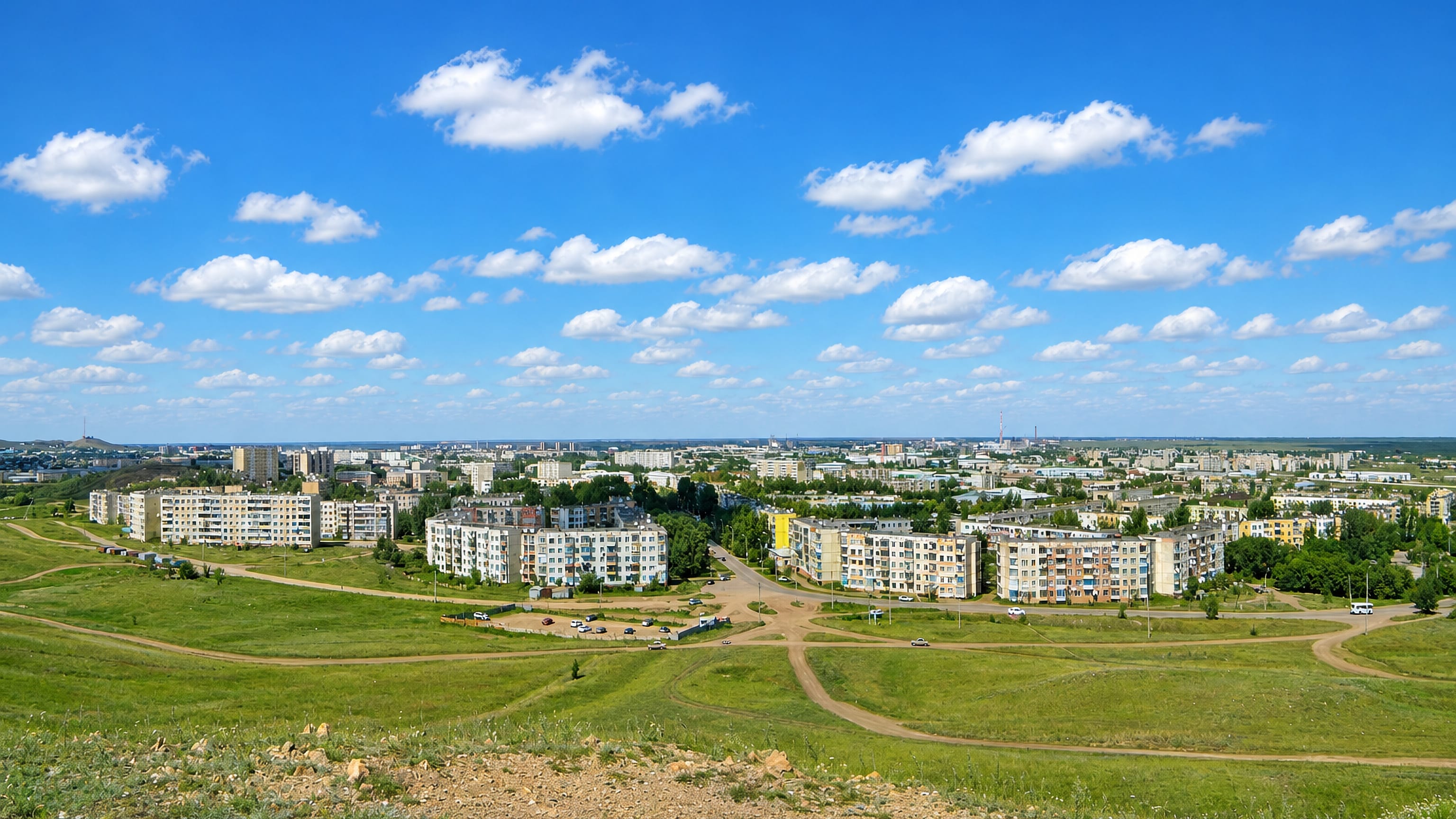
Kokshetau is a city of the northern Kazakh steppe, standing by Lake Kopa below wooded hills near the granite lakes of Burabay.
Hotel links are affiliate links: booking through them may earn us a commission, at no extra cost to you. It never affects how places are ranked. How this works


Where to stay in Kokshetau
Where the beds are, and what that means for the visit.
Where you stay in Kokshetau turns on the town or the lakes. The streets around the centre keep the monuments, the museum, and the lakeshore within a walk, and staying downtown suits anyone here for the city. The lake lies open past the streets.
Low hills rise to the west. Out east toward Burabay, the steppe gives way to pine woods, granite hills, and resort lakes. A room out at Burabay trades the town for the forests, the strange rocks, and the beaches of the mountain lakes.
Pines climb the granite slopes. Stay downtown for the museums, or at Burabay for the lakes. The resort lies an hour east.
Find hotels in Kokshetau
Direct booking searches for these neighbourhoods.
The town centre
Around the centre within a walk of the lakeshoreFind hotels in The town centreStays wanting the lakes and pine forestsBurabay
Out east among the granite hills and resort lakesFind hotels in BurabayHotel links are affiliate links: booking through them may earn us a commission, at no extra cost to you. It never affects how places are ranked. How this works
Things to do in Kokshetau
Ranked by global recognition; descriptions from Wikidata (CC0).
Museums & Galleries
2- Museum of History of Kokshetau
- Akmola Regional Museum of History and Local Lore
Churches & Religious Sites
3- Church of the Resurrection, Kokshetau
- Church of St. Anthony of Padua, Kokshetau
- Church of the Holy Archangel Michael, Kokshetau
Castles & Historic Sites
3- Abylai Khan monument
- Shoqan Walikhanov monument, Kokshetau
- Vladimir Lenin monument, Kokshetau
Landmarks & Notable Places
1- Residential house and shop of merchant A. V. Sokolov
worth knowingacross 4 categories in Kokshetau
About Kokshetau
What is Kokshetau known for?
Kokshetau is the lake-and-steppe city of northern Kazakhstan. On the shore of Lake Kopa where the flat steppe rises into wooded hills, it grew from a Cossack fort into a regional town, and it holds a quiet centre of old merchant houses and museums, the monuments to the khan Abylai and the scholar Shoqan Walikhanov, and the road out to the pine forests and granite rocks of Burabay. The steppe runs wide around.
The lake lies flat by the town.
What are the main landmarks in Kokshetau?
The lake and the hills are the setting of Kokshetau. The wide sheet of Lake Kopa, edged by the town and open to the steppe, lies below the wooded ridges, the emblem of the city, by the shore. A khan is remembered here.
The monument to Abylai Khan stands in the centre, while the Walikhanov statue, the old merchant houses, and the regional museum mark the streets of Kokshetau.
What is the history of Kokshetau?
Kokshetau began as a Cossack fort on the steppe. Russia raised an outpost by Lake Kopa in 1824 as it pushed south into the Kazakh lands, and a town grew slowly around the fort and the market. The steppe ruled the town.
For long years it stood as a small trading post among the nomad camps and the herds of the open grassland. The hills nearby held an older story. The Kazakhs remembered these lakes and rocks as the ground of the khan Abylai, who was raised to power among them, and the scholar Shoqan Walikhanov came from this country.
Soviet years changed it. Under the Soviet Union the town grew with railways, grain farms, and factories, becoming the centre of a wide northern region, and its old wooden houses stood among the new blocks. The steppe still rings the streets.
Kokshetau keeps its lake and its hills at the edge of the plains.
Where is Kokshetau?
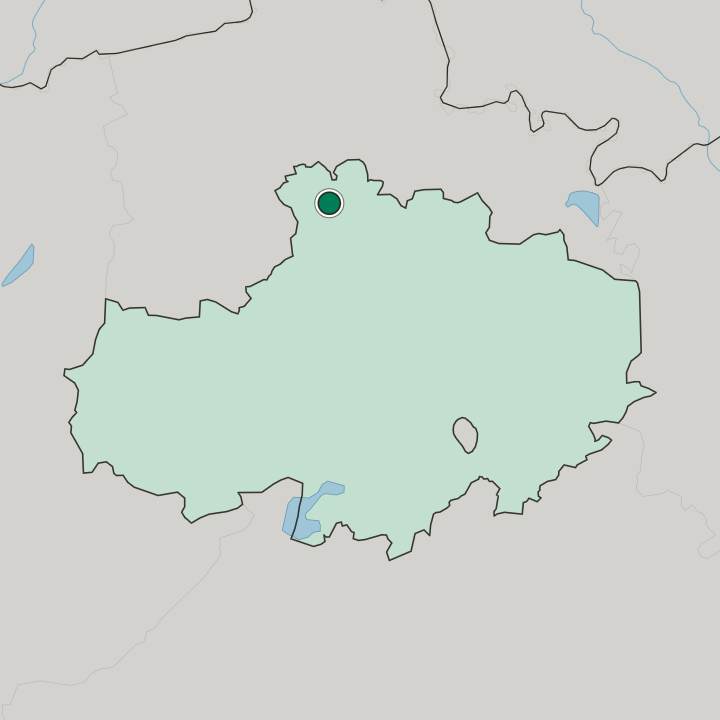
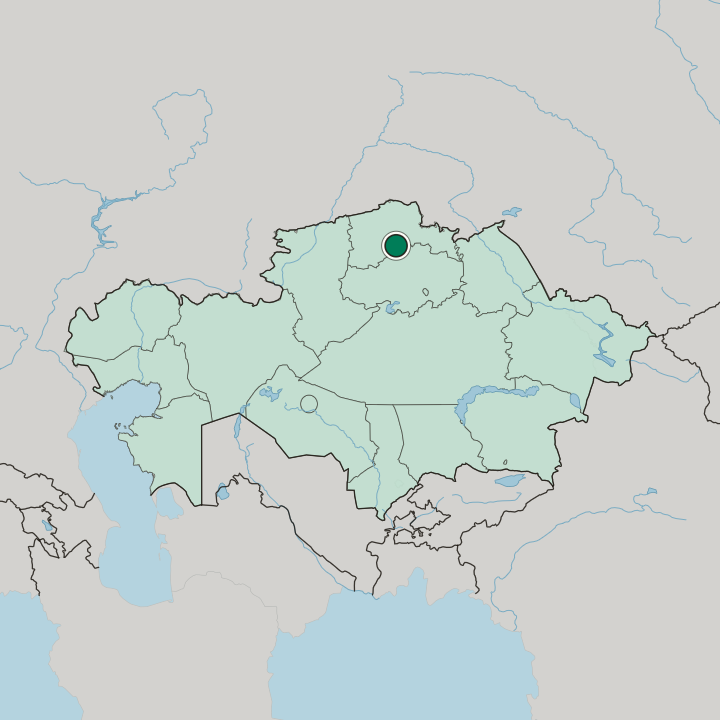
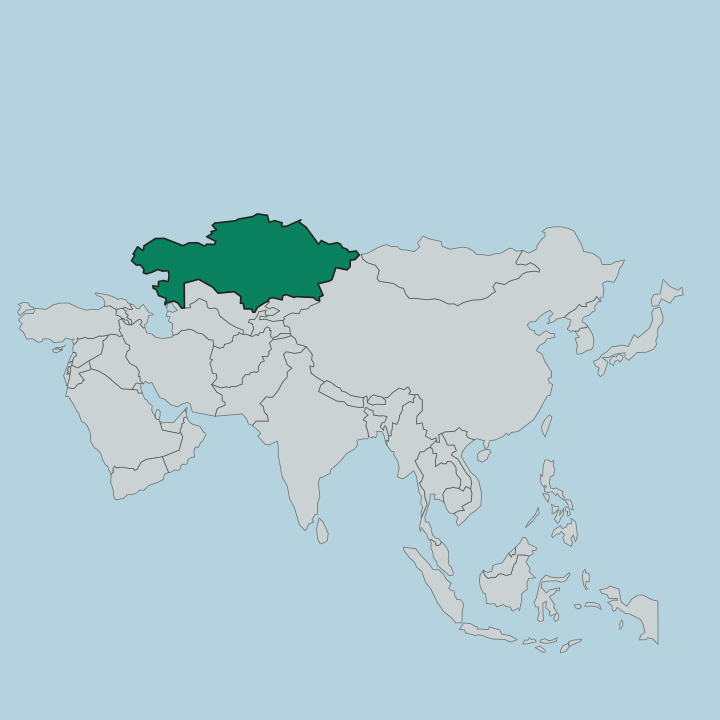
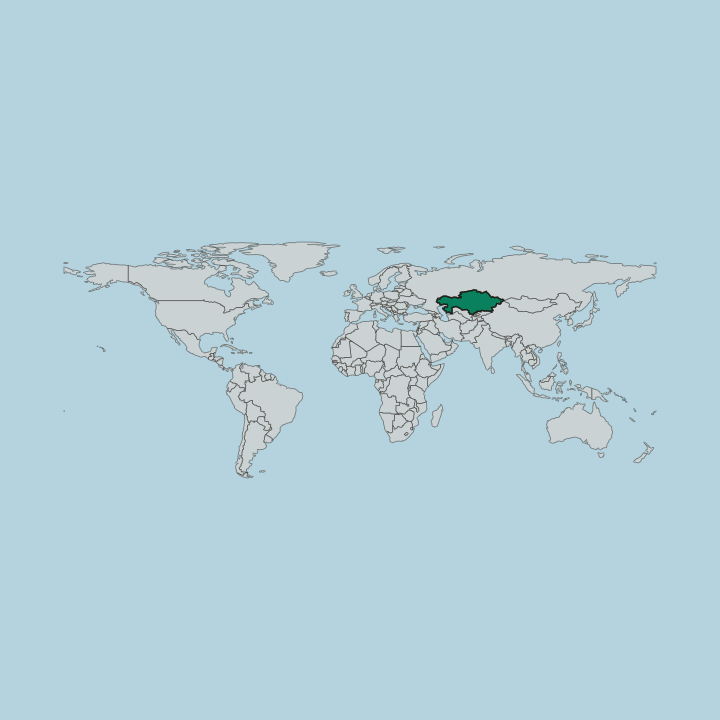
Kokshetau lies in the north of Kazakhstan, on the edge of the great steppe near the Russian border. The city stands on Lake Kopa where the plain rises into the low Kokshetau Hills, a wooded island of granite and pine rising from the grassland, with the resort lakes of Burabay a short way east. Open steppe runs to the sky.
Bare hills stand above the water.
What is the climate of Kokshetau?
Kokshetau has a sharp continental climate of the steppe. Hot dry summers and long, bitter winters cross the plain, with a wide swing between the seasons and little rain through the year. Deep snow covers the steppe in winter.
The lake freezes hard till spring.
How do you get to Kokshetau?
Kokshetau lies in northern Kazakhstan, on the rail line and highway between Astana and the Russian border. Trains and roads run to it across the steppe from the capital and from Petropavl to the north, and a small airport serves the town. Roads run east to the Burabay lakes.
Astana lies about three hours to the south.
Common questions
What is the best area to stay in Kokshetau?
The town centre: Visitors here for the monuments and museum. Burabay: Stays wanting the lakes and pine forests.
Good for
Updated September 2026