
Kazakhstan: Regions, Cities & Travel Guide
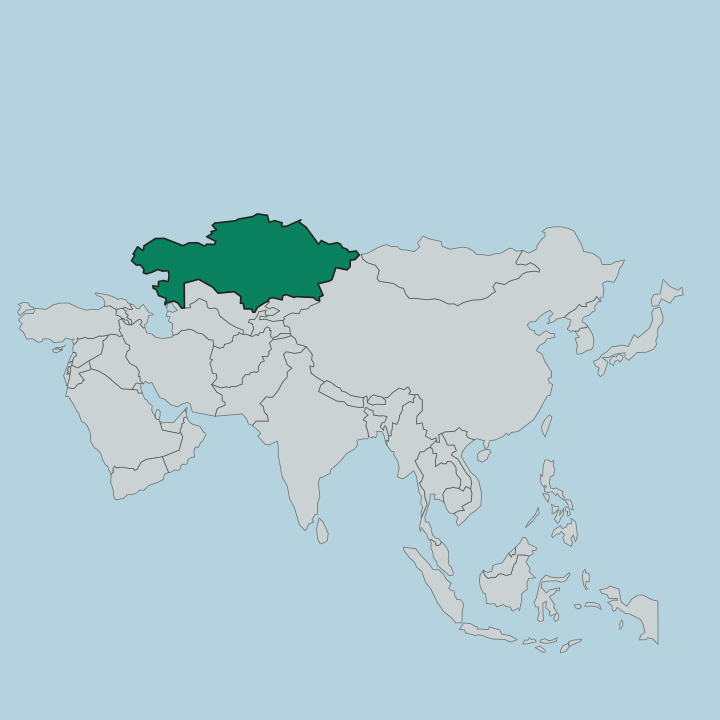
Kazakhstan spreads across the steppe of Central Asia into Eastern Europe, a landlocked country stretching from the Caspian Sea to the borders of China.
Hotel links are affiliate links: booking through them may earn us a commission, at no extra cost to you. It never affects how places are ranked. How this works


Top destinations in Kazakhstan
Cities to start from, then drill into areas and hotels.
 Kazakhstan
Astana
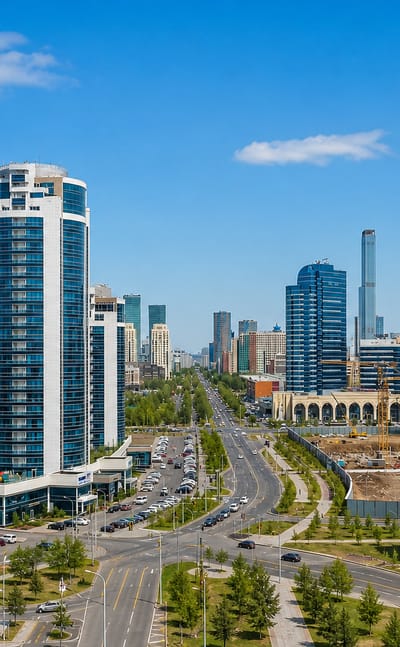
Glass towers rise beside the Ishim river at Astana, the capital and second-largest city of Kazakhstan, known for the Bayterek tower.Where to stay →
 Kazakhstan
Almaty
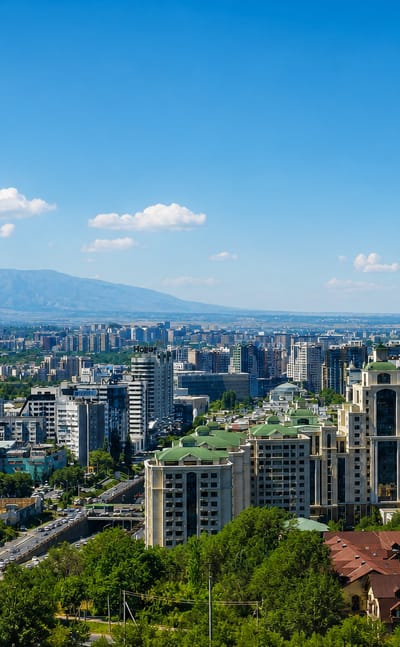
The snow-capped Trans-Ili Alatau rises south of Almaty, the largest city of Kazakhstan, known for the Central State Museum of Kazakhstan.Where to stay →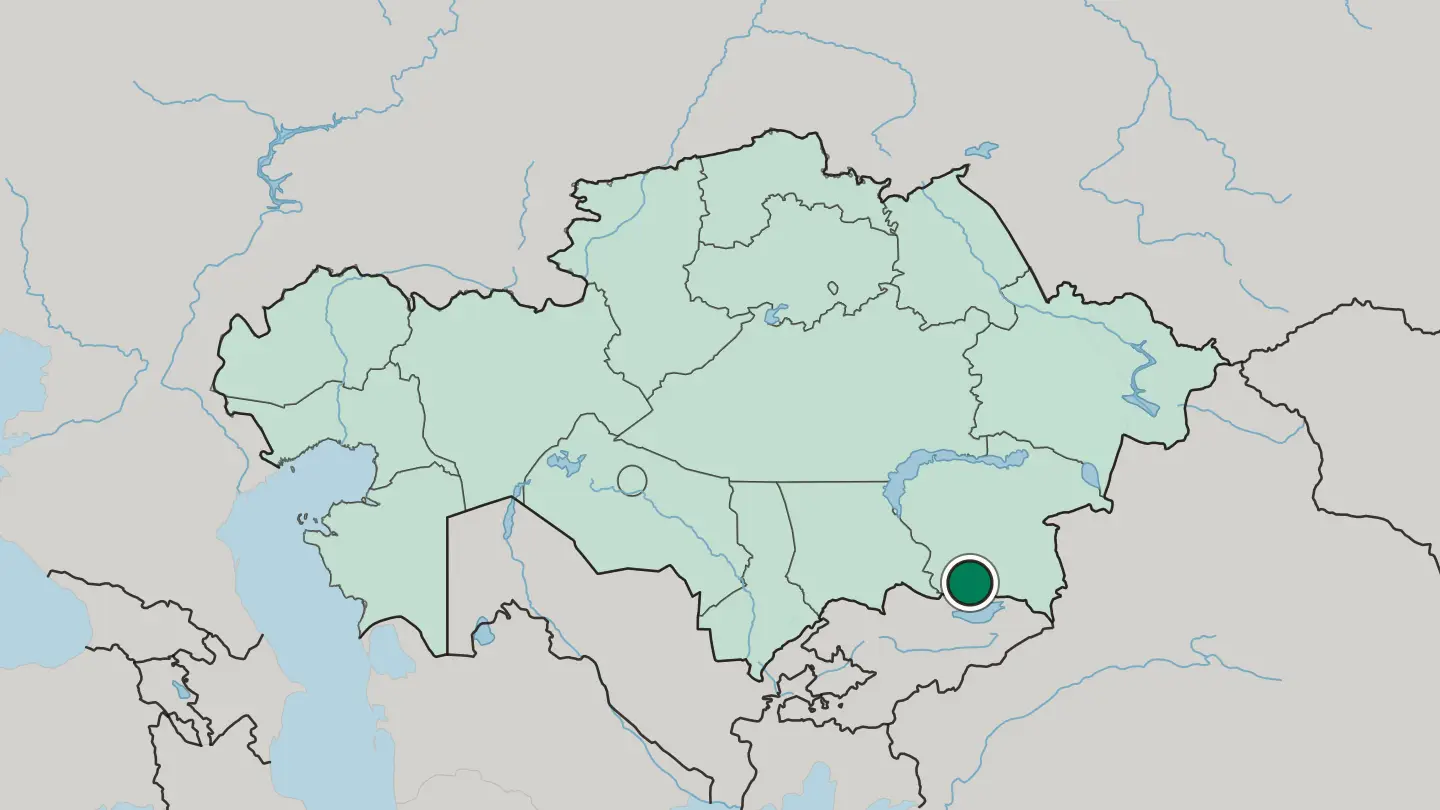
 Kazakhstan
Shymkent
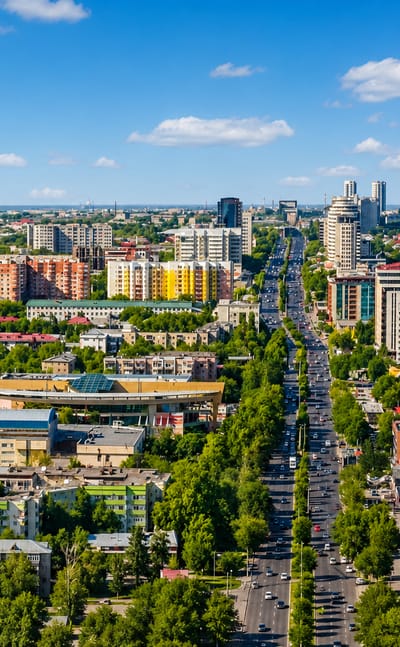
Dry heat hangs over the bazaars of Shymkent, a city in the Kazakh Desert of southern Kazakhstan, known for its old trade routes near the Uzbekistan border.Where to stay →
 Kazakhstan
Karagandy
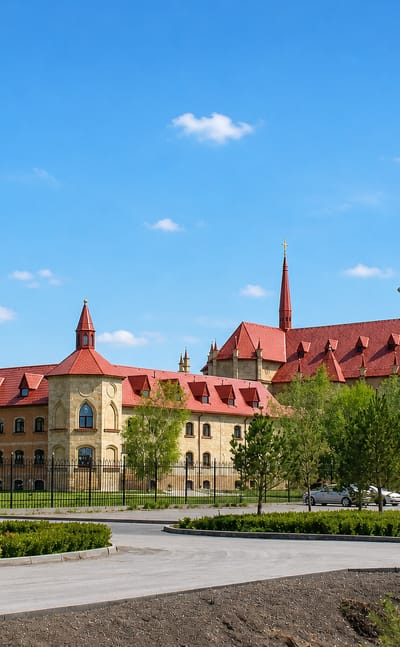
Coal-black spoil ridges frame Karagandy, a mining city on the Central Highlands of Kazakhstan, known for its Soviet-built centre and the wide steppe.Where to stay →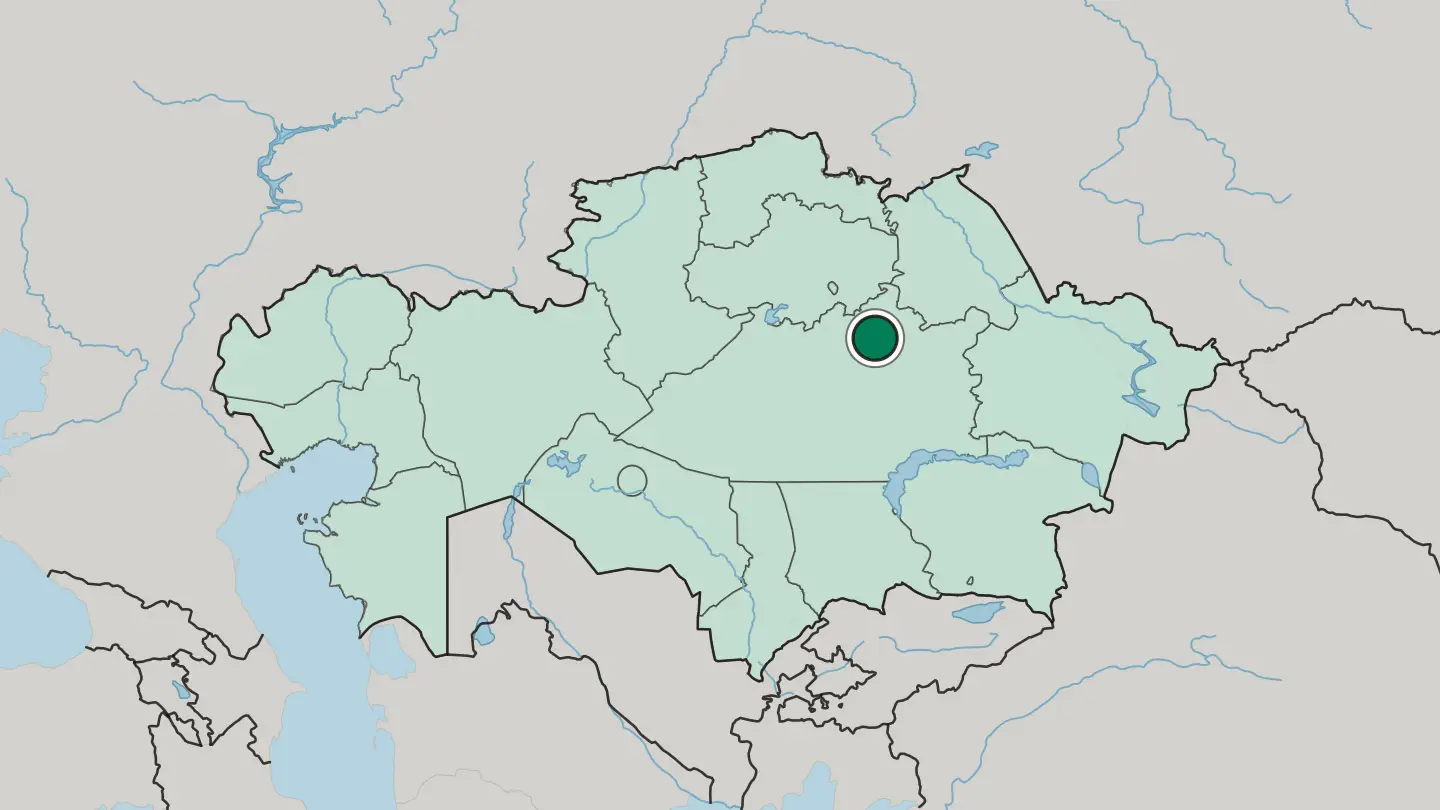
 Kazakhstan
Aktau
Aktau is a city of western Kazakhstan on the Caspian Sea, the country's only sea city, an oil port of numbered streets where the desert reaches the water.Where to stay →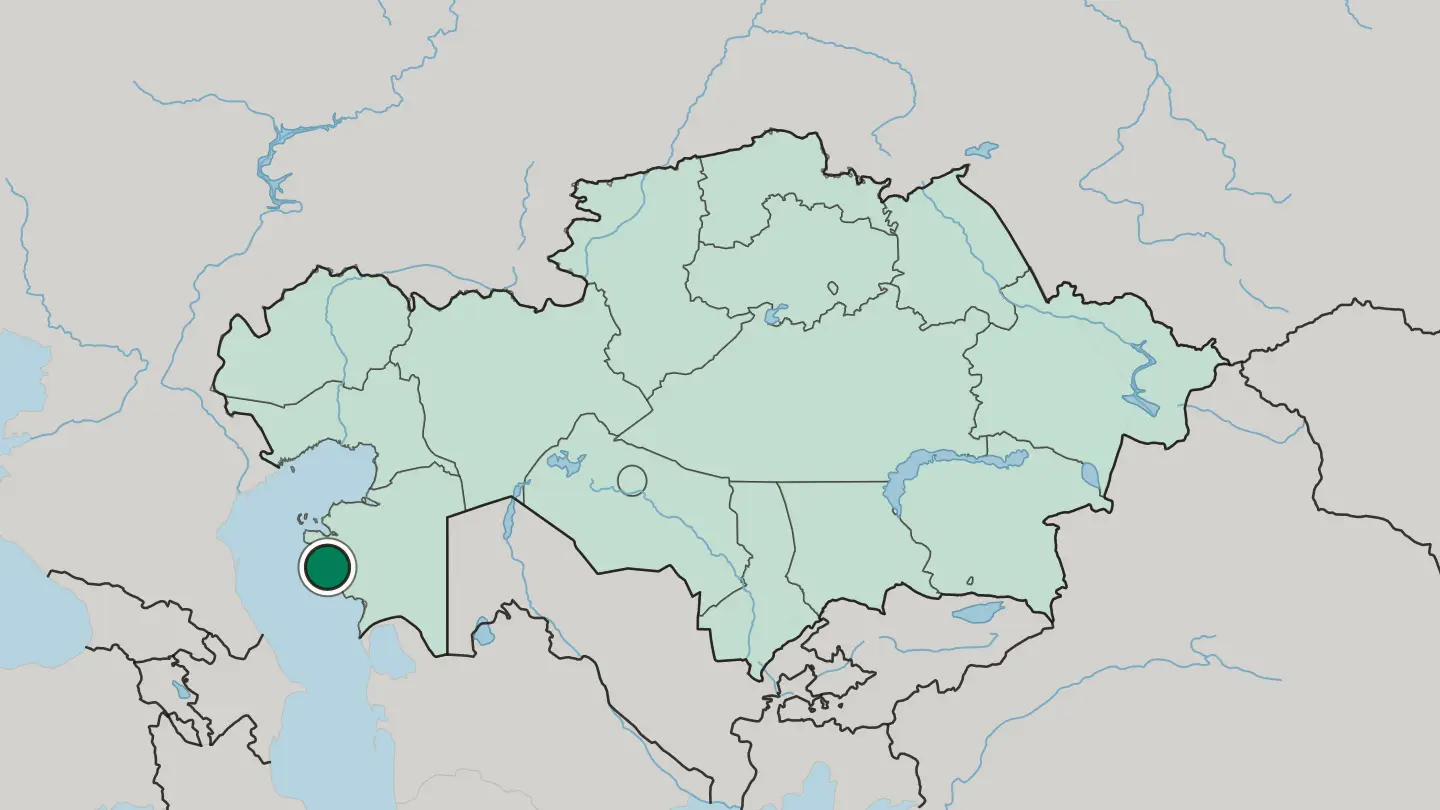
 Kazakhstan
Aktobe
Aktobe is a city of western Kazakhstan on the Ilek River, an oil and steel town of the steppe, set at the southern end of the Ural hills.Where to stay →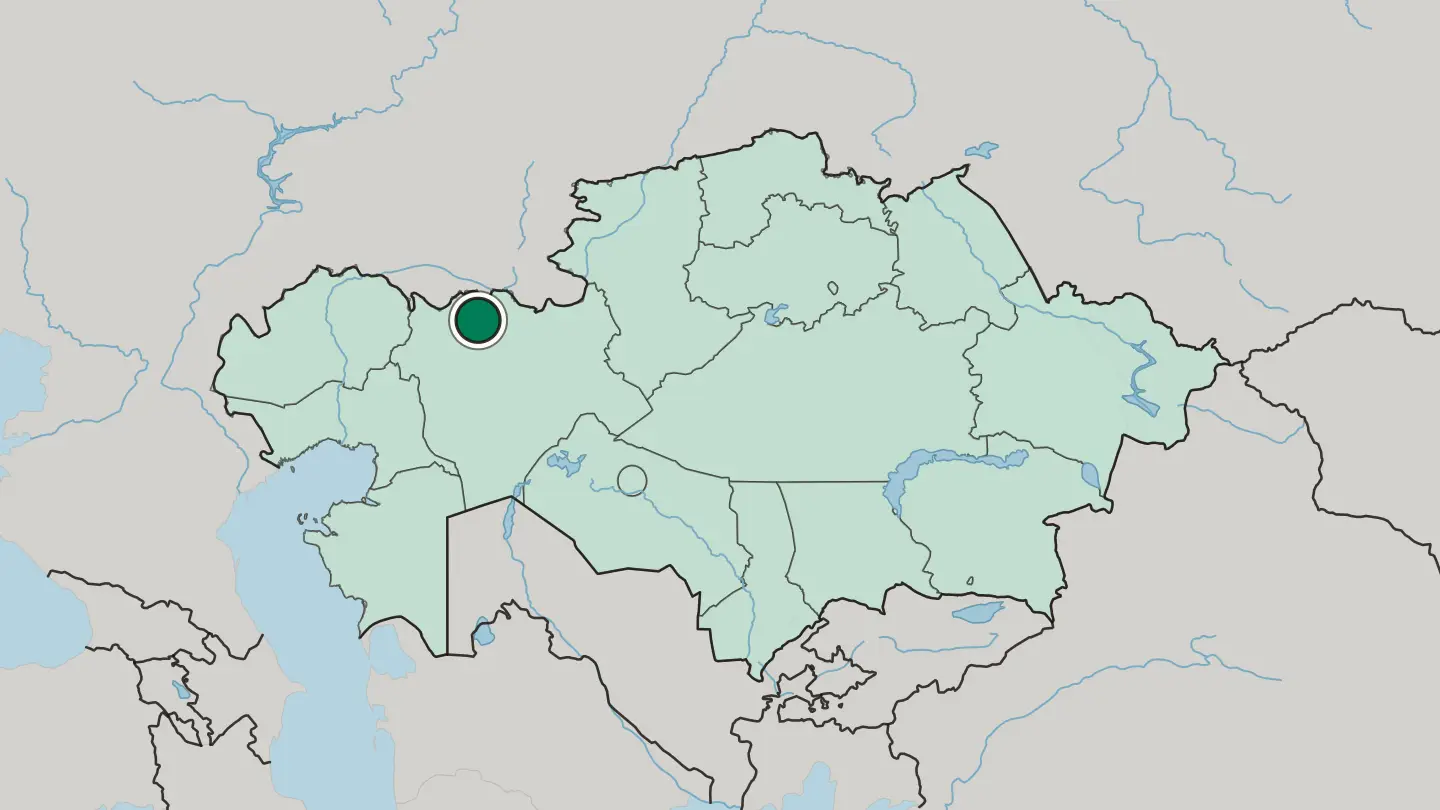
 Kazakhstan
Turkistan
Turkistan is a city of southern Kazakhstan, holy across the Turkic world for the great mausoleum of the Sufi master Khoja Ahmed Yasawi, built by Tamerlane.Where to stay →
 Kazakhstan
Semey
Semey is a city of east Kazakhstan on the Irtysh, an old steppe town of poets and exiles, long known as Semipalatinsk, the land of the Kazakh bard Abai.Where to stay →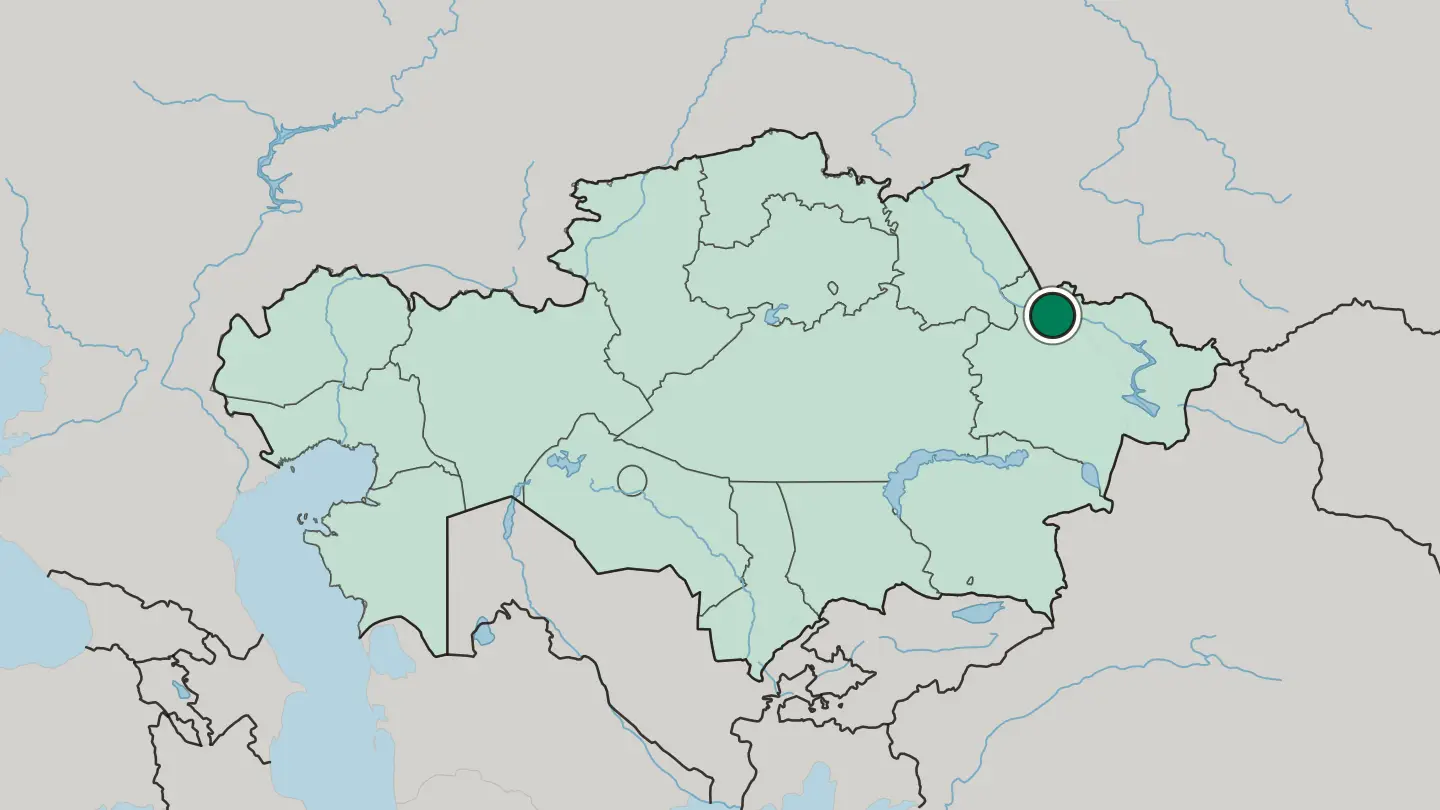 Kazakhstan
Ust-Kamenogorsk
Ust-Kamenogorsk, or Öskemen, is the largest city of the East Kazakhstan Region and the seat of its administration, founded in 1720.Where to stay →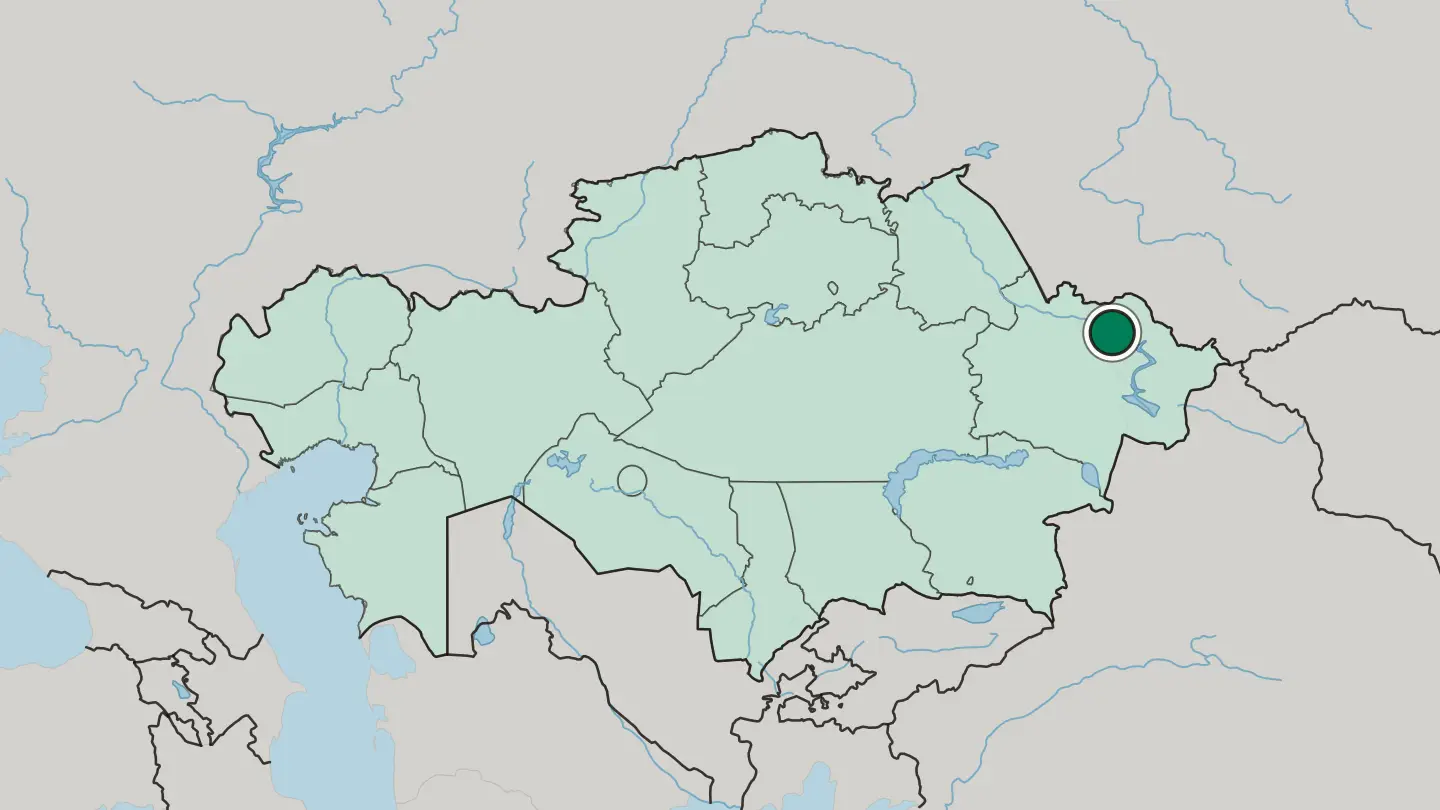
Hotel links are affiliate links: booking through them may earn us a commission, at no extra cost to you. It never affects how places are ranked. How this works
Regions of Kazakhstan
Kazakhstan
Abai Region
Abai Region spreads across the Irtysh steppe of eastern Kazakhstan, with the old river city of Semey at its heart.Towns & cities →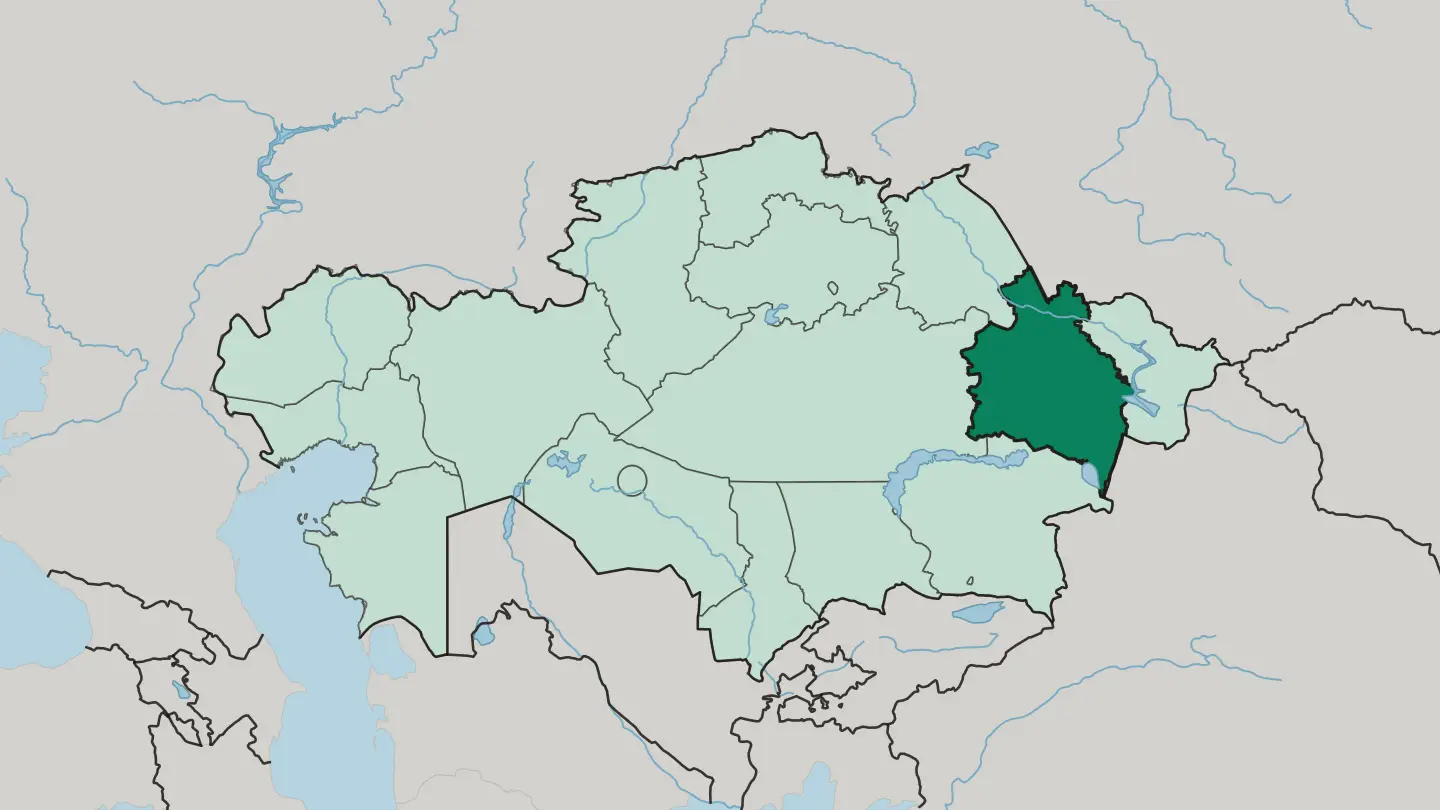 Kazakhstan
Aktyubinskaya Oblast’
Aktobe Region is the largest region of Kazakhstan, a chromium-and-oil steppe stretching from the Ural foothills toward the Aral basin.Towns & cities →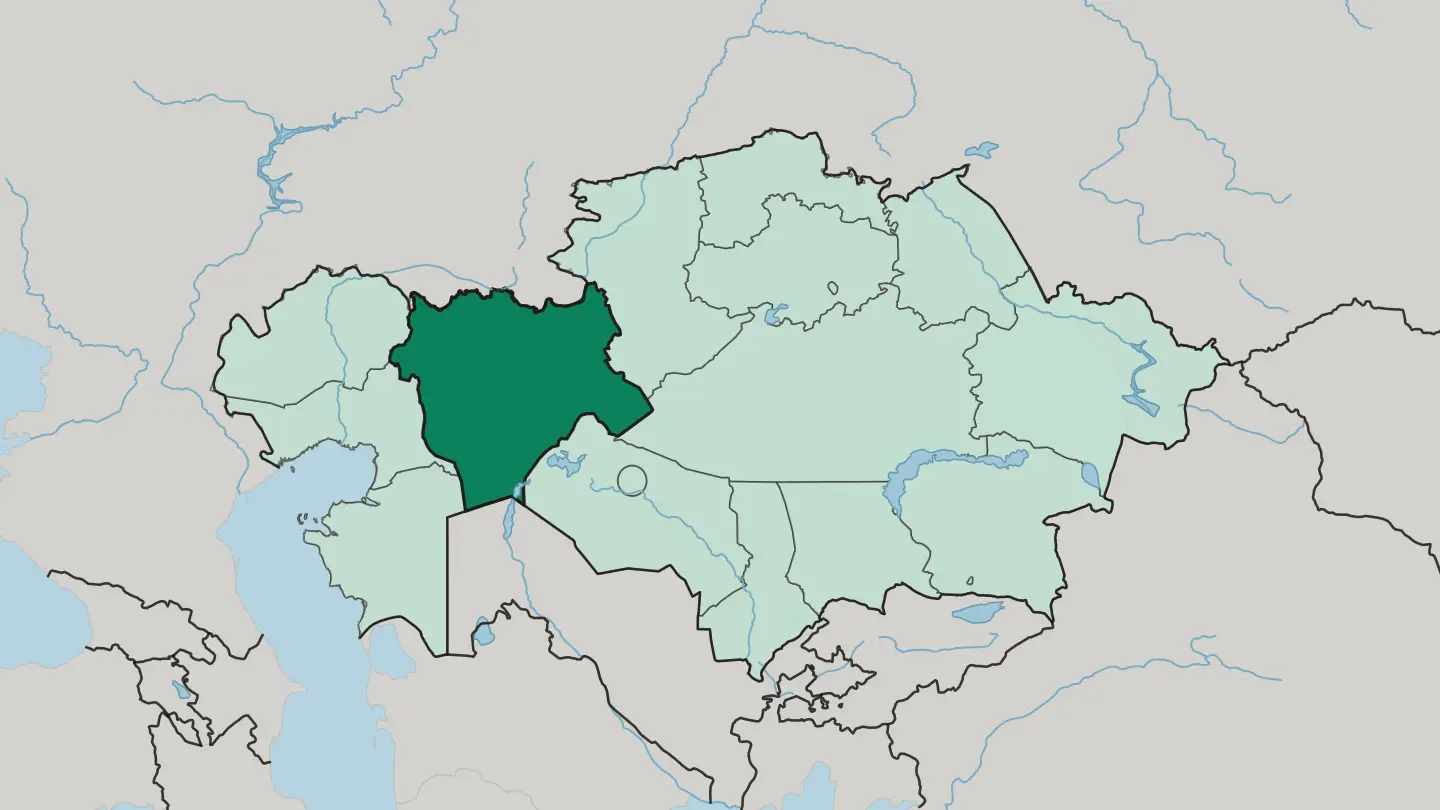 Kazakhstan
Almaty
Almaty is the largest city of Kazakhstan, spread beneath the snow-capped Trans-Ili Alatau, the country's cultural heart and former capital.Towns & cities →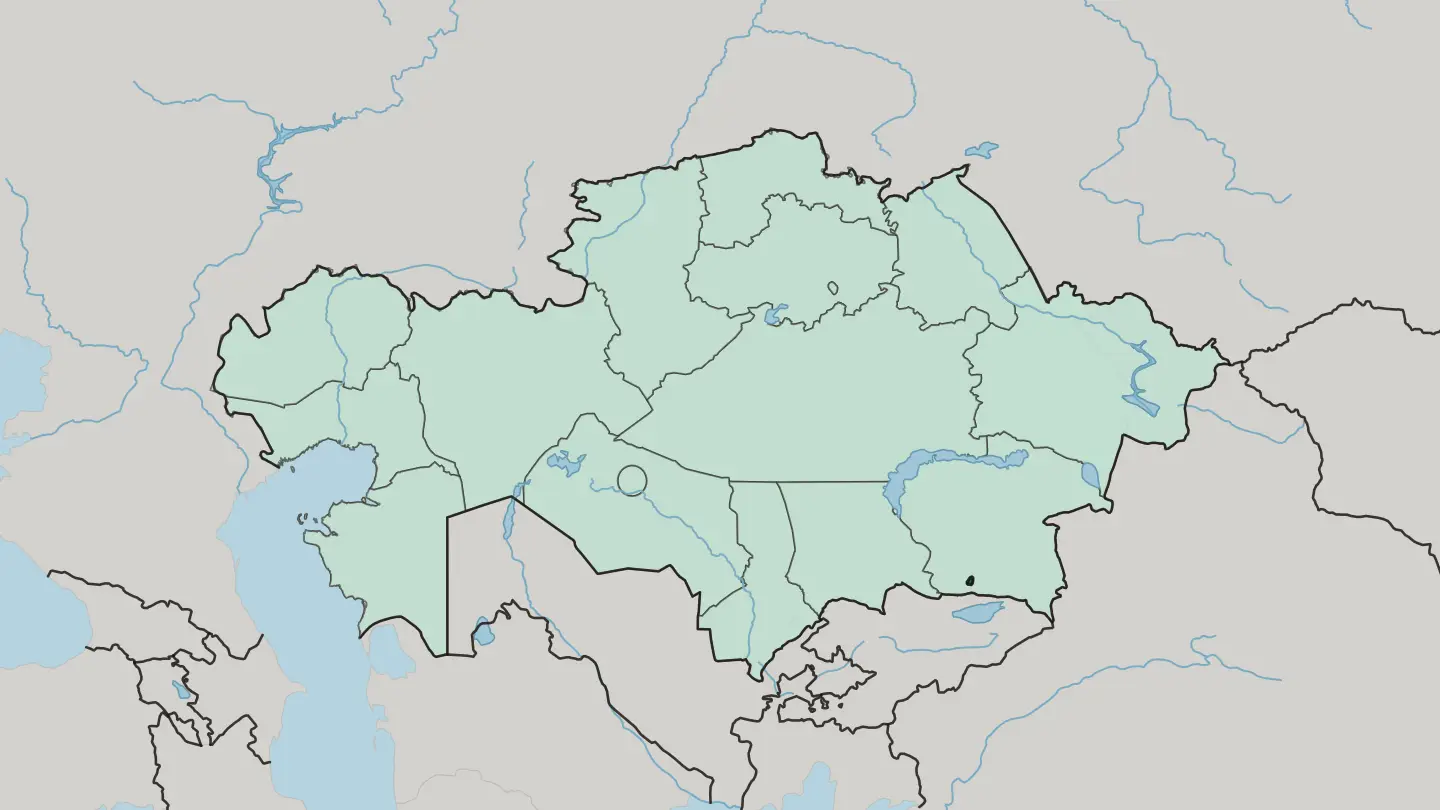 Kazakhstan
Almaty Oblysy
Almaty Oblysy wraps the mountains and lakes around Almaty in Kazakhstan's south-east, the old land of seven rivers.Towns & cities →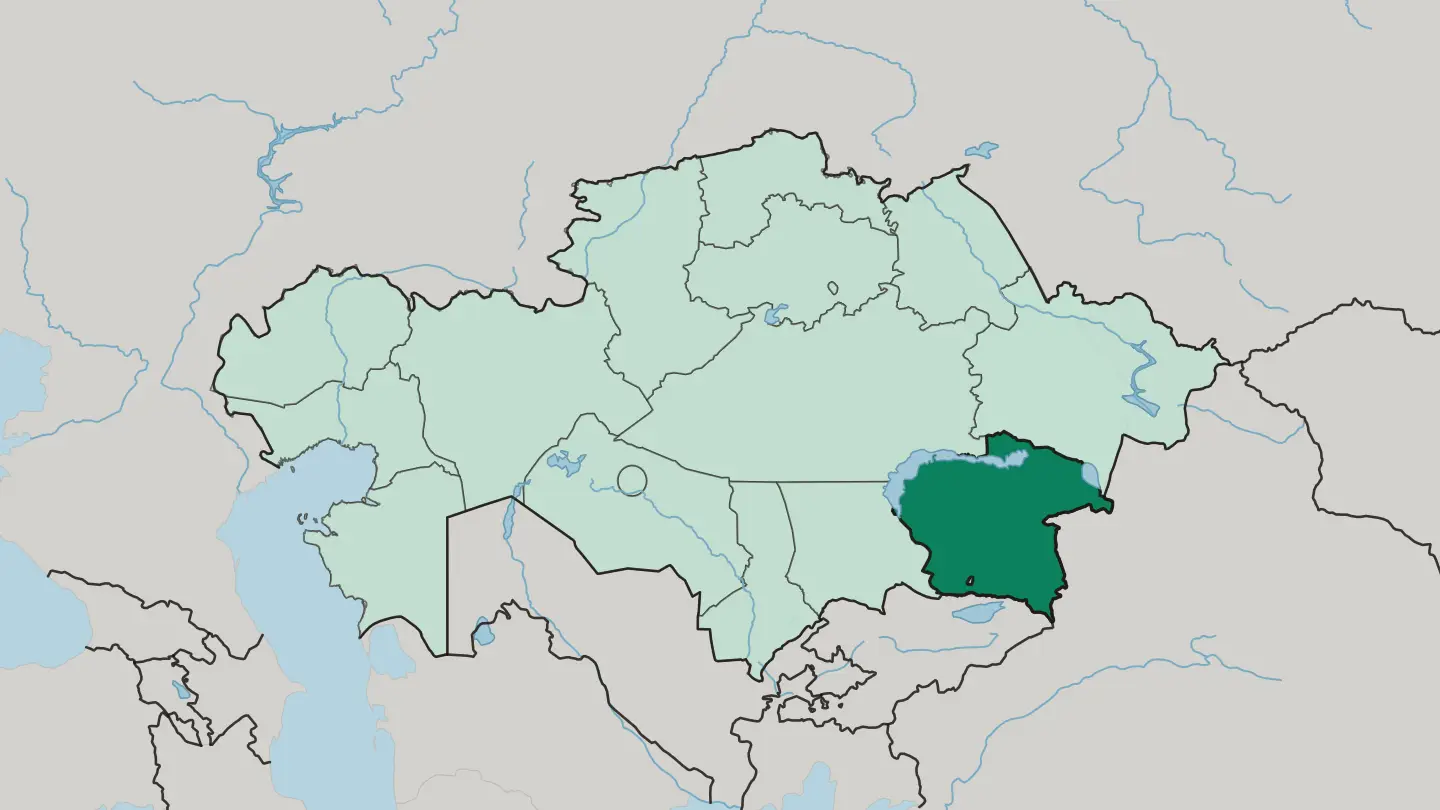
 Kazakhstan
Aqmola Oblysy
Aqmola Oblysy wraps the steppe around Kazakhstan's capital Astana, home to the Burabay lakes and the Esil river.Towns & cities →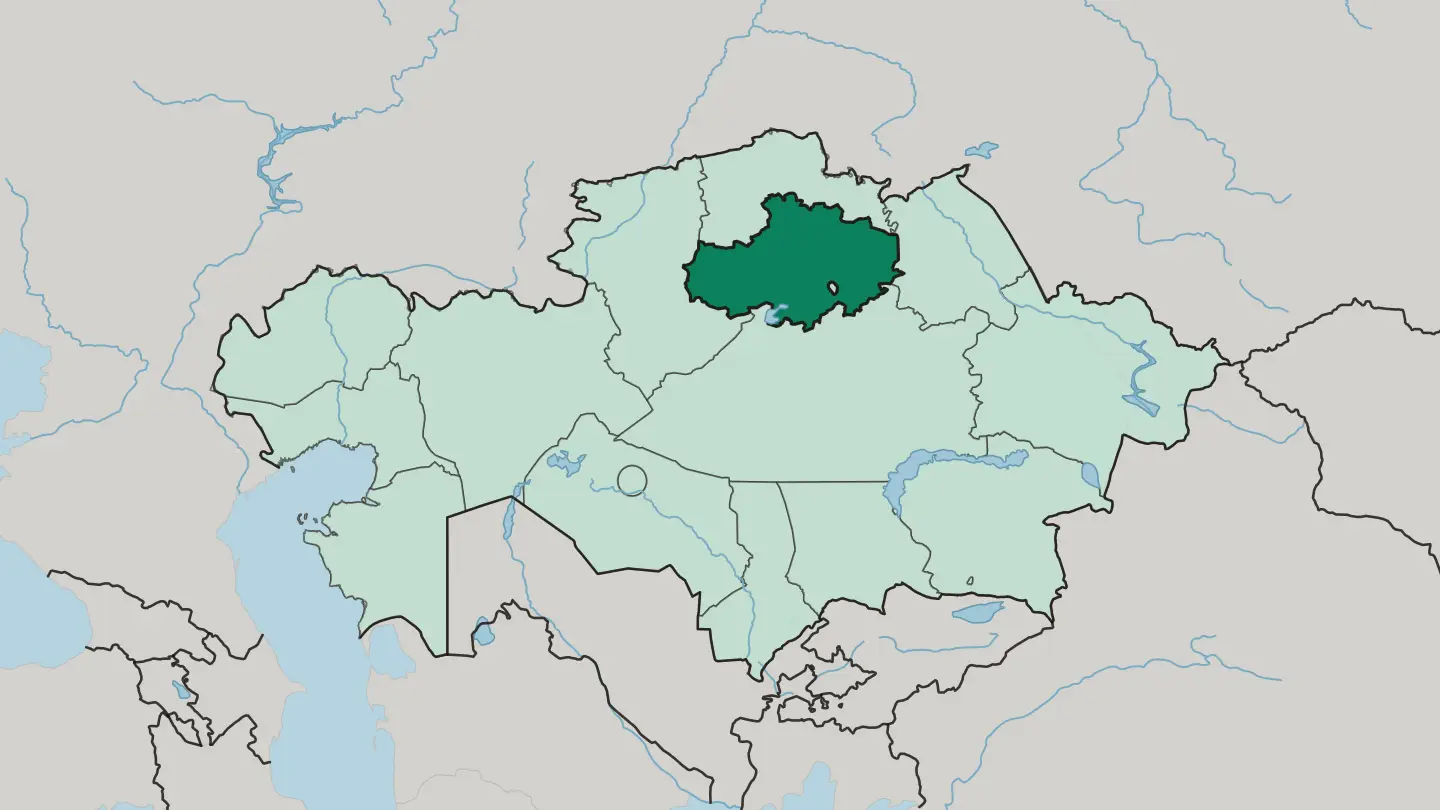 Kazakhstan
Astana
Astana is the capital of Kazakhstan, a planned modern city of futuristic towers on the banks of the Esil river in the northern steppe.Towns & cities →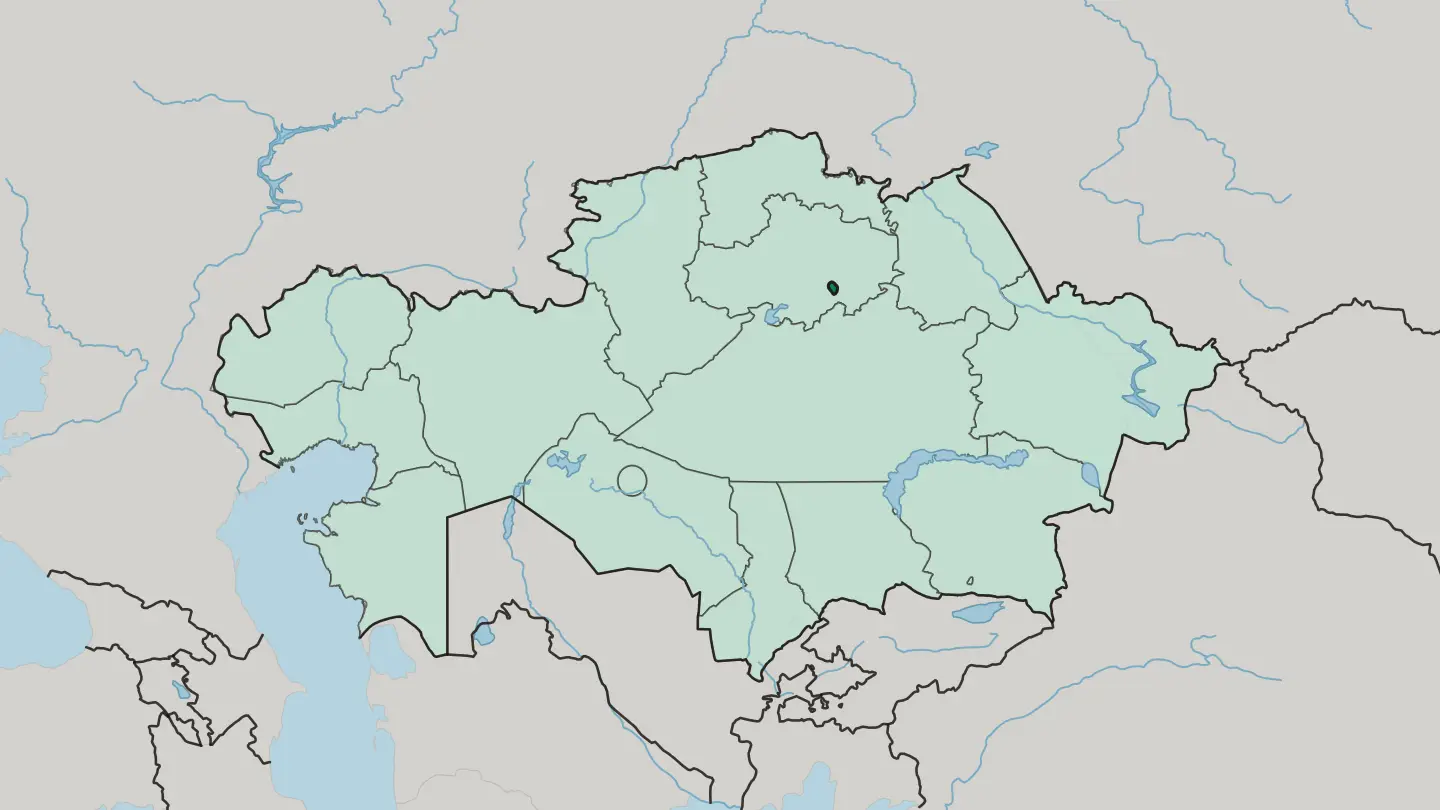
 Kazakhstan
Atyrau Region
Atyrau Region wraps the northeast Caspian, where the Ural River splits Europe from Asia and feeds Kazakhstan's oil.Towns & cities →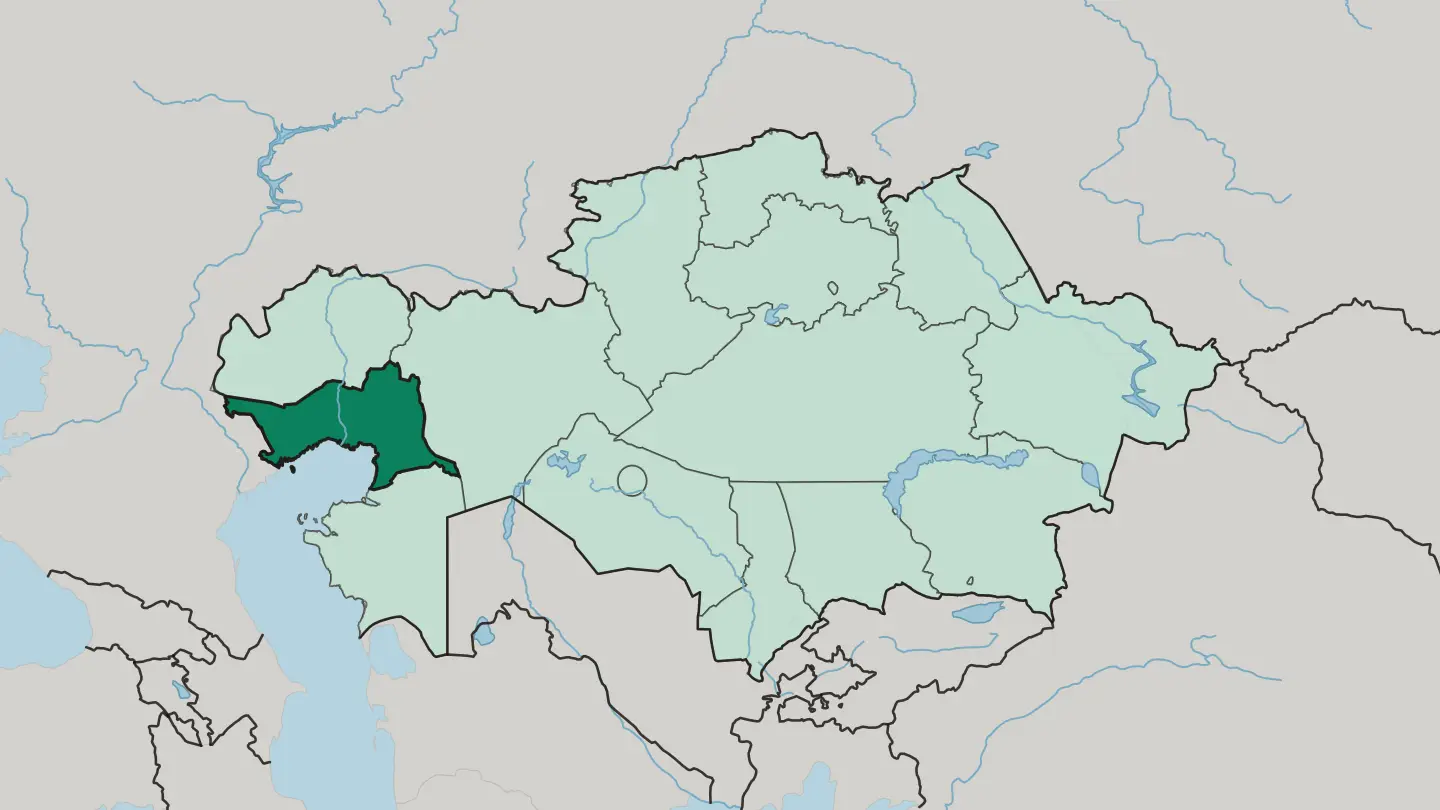
 Kazakhstan
Baikonur
Baikonur is a region of Kazakhstan established in 1955, recorded in Kazakh as Байқоңыр and spanning tens of thousands of square kilometres.Towns & cities →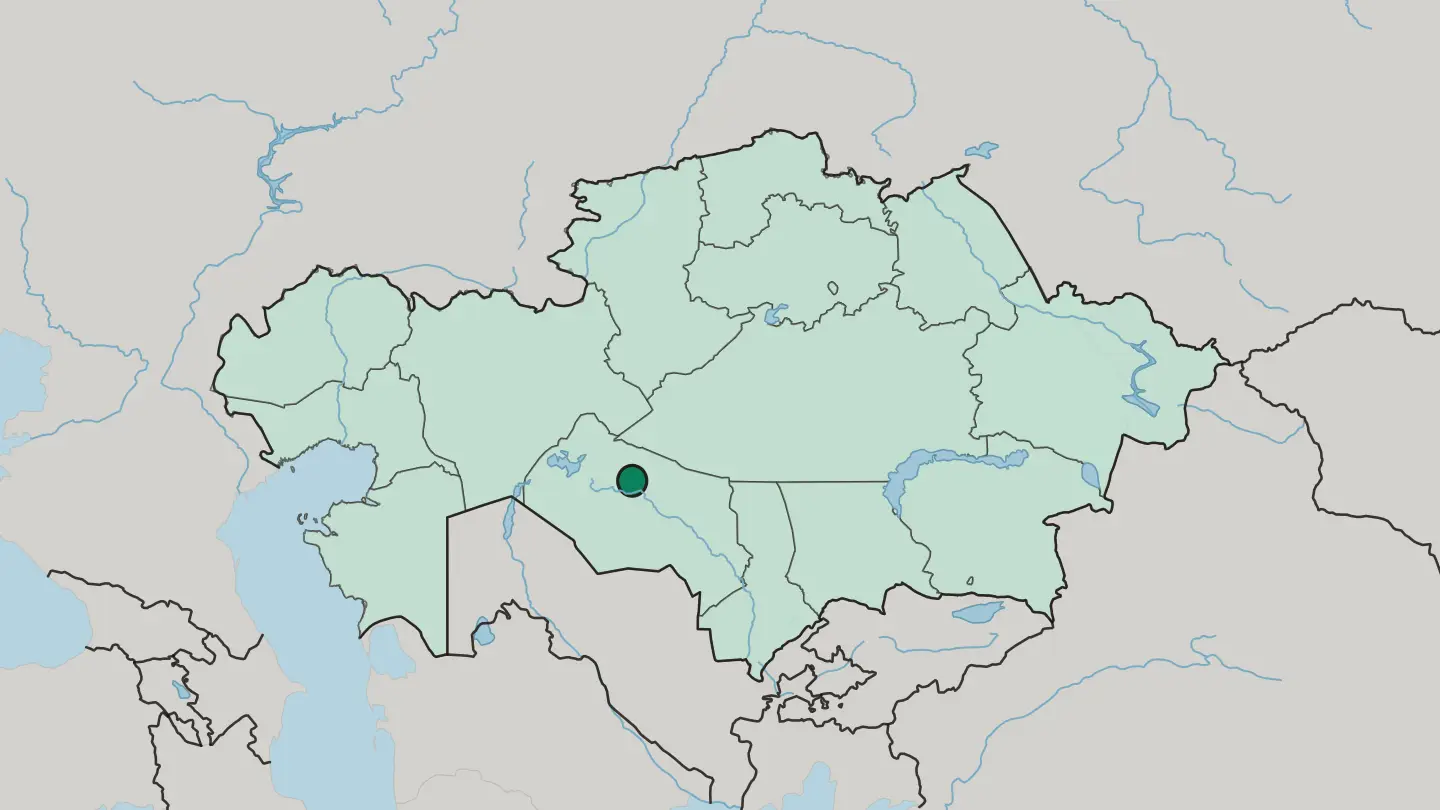
 Kazakhstan
East Kazakhstan
East Kazakhstan is Kazakhstan's mountain corner, where the Irtysh drains the Altai and Öskemen sits at the confluence.Towns & cities →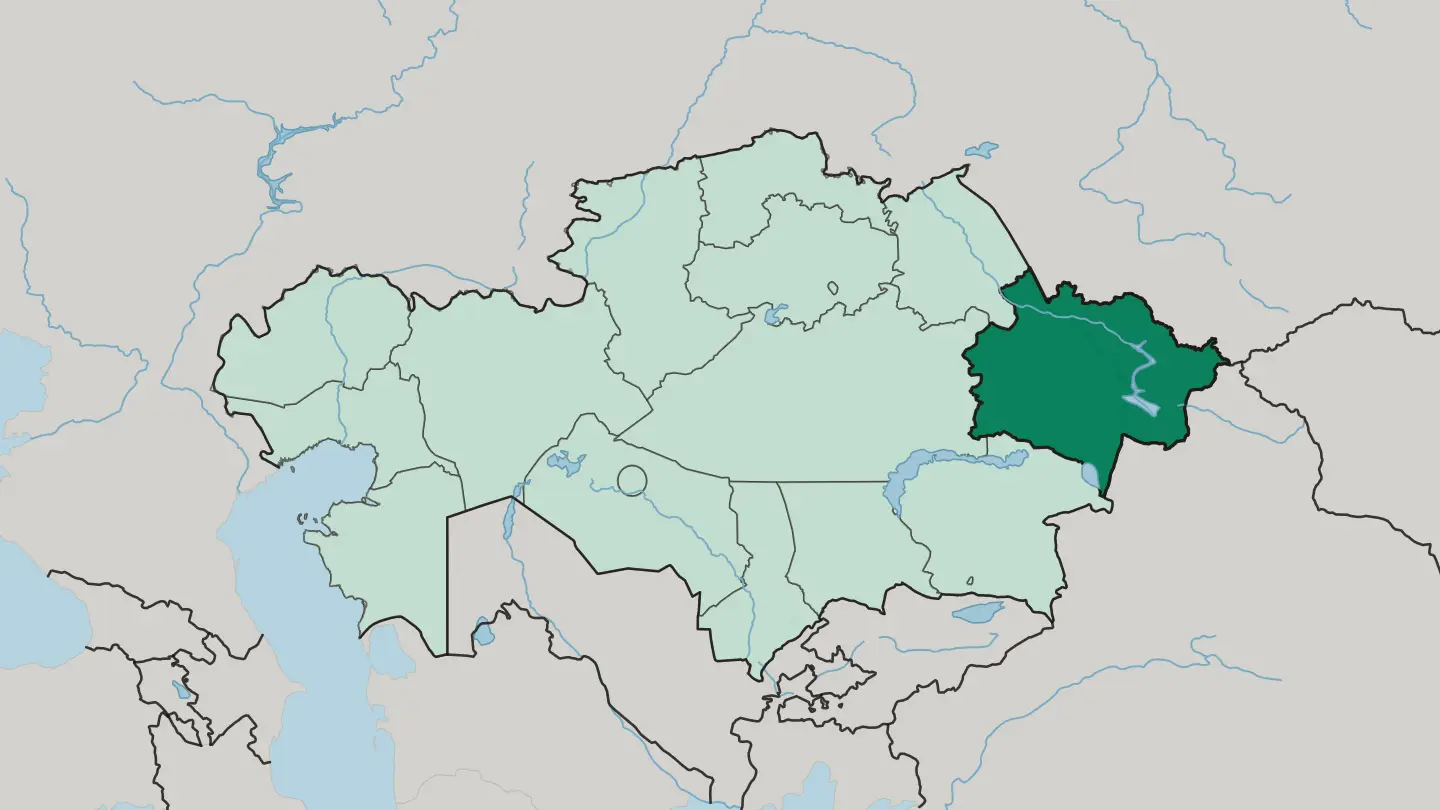 Kazakhstan
Mangistauskaya Oblast’
Mangistauskaya Oblast' is Kazakhstan's desert corner on the Caspian Sea, where the Ustyurt Plateau breaks into canyons above the port of Aktau.Towns & cities →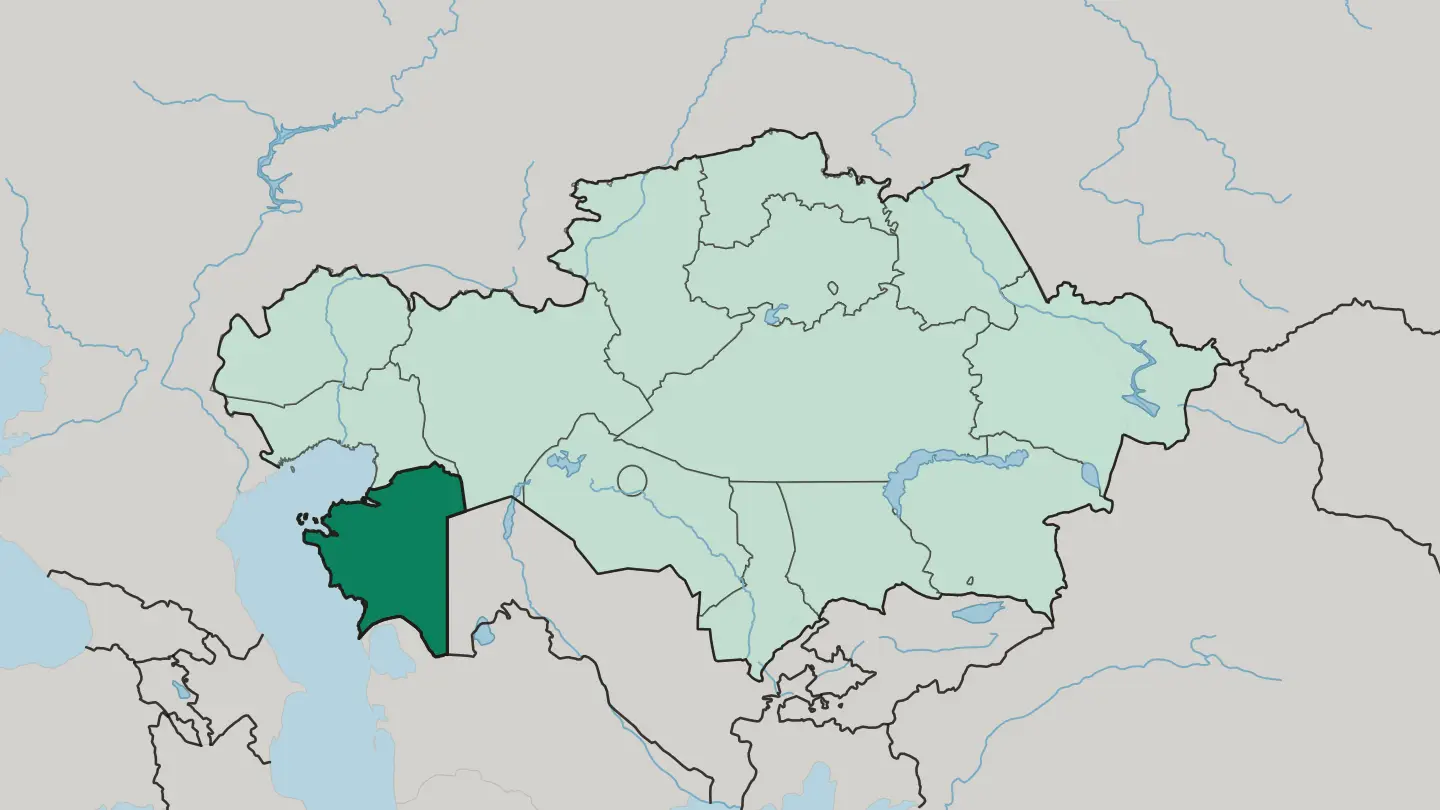
 Kazakhstan
North Kazakhstan
North Kazakhstan is a grain-belt region on the Ishim River, its steppe reaching north to the Russian border at Petropavl.Towns & cities →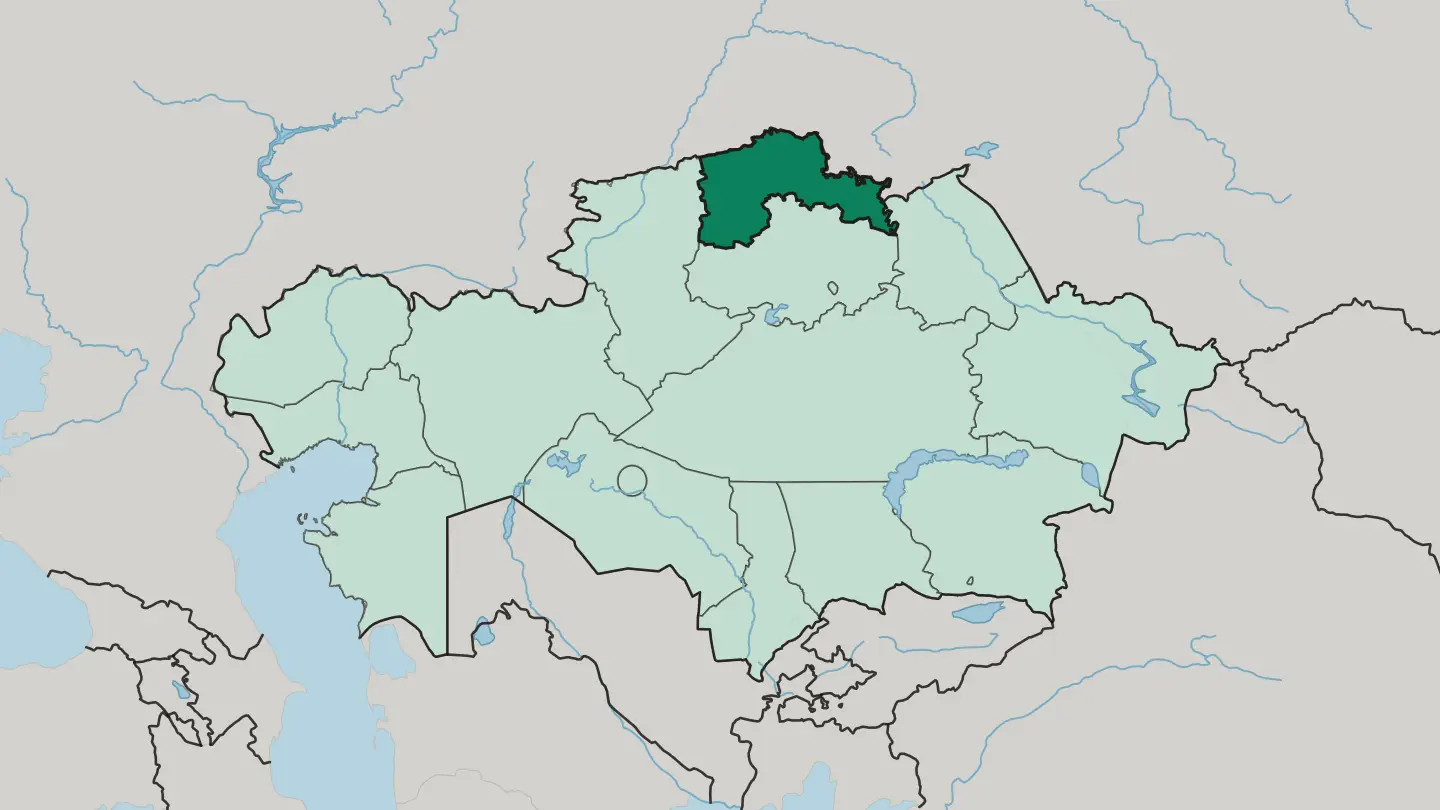
 Kazakhstan
Pavlodar Region
Pavlodar Region spreads across north-eastern Kazakhstan, where the Irtysh River threads industrial cities and open steppe.Towns & cities →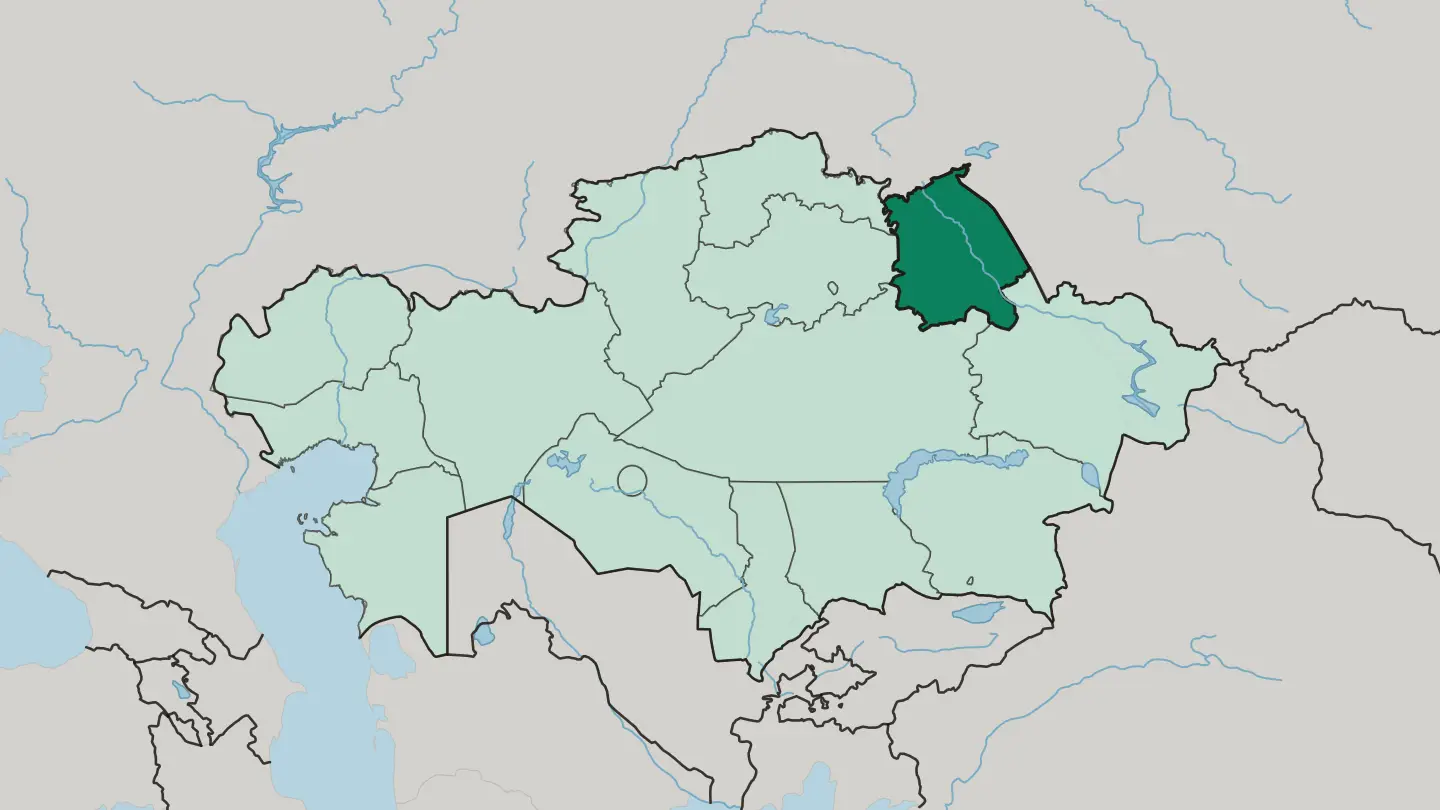 Kazakhstan
Qaraghandy Oblysy
Qaraghandy Oblysy is a coal-and-steel heartland spread across the Saryarka steppe of Kazakhstan's centre.Towns & cities →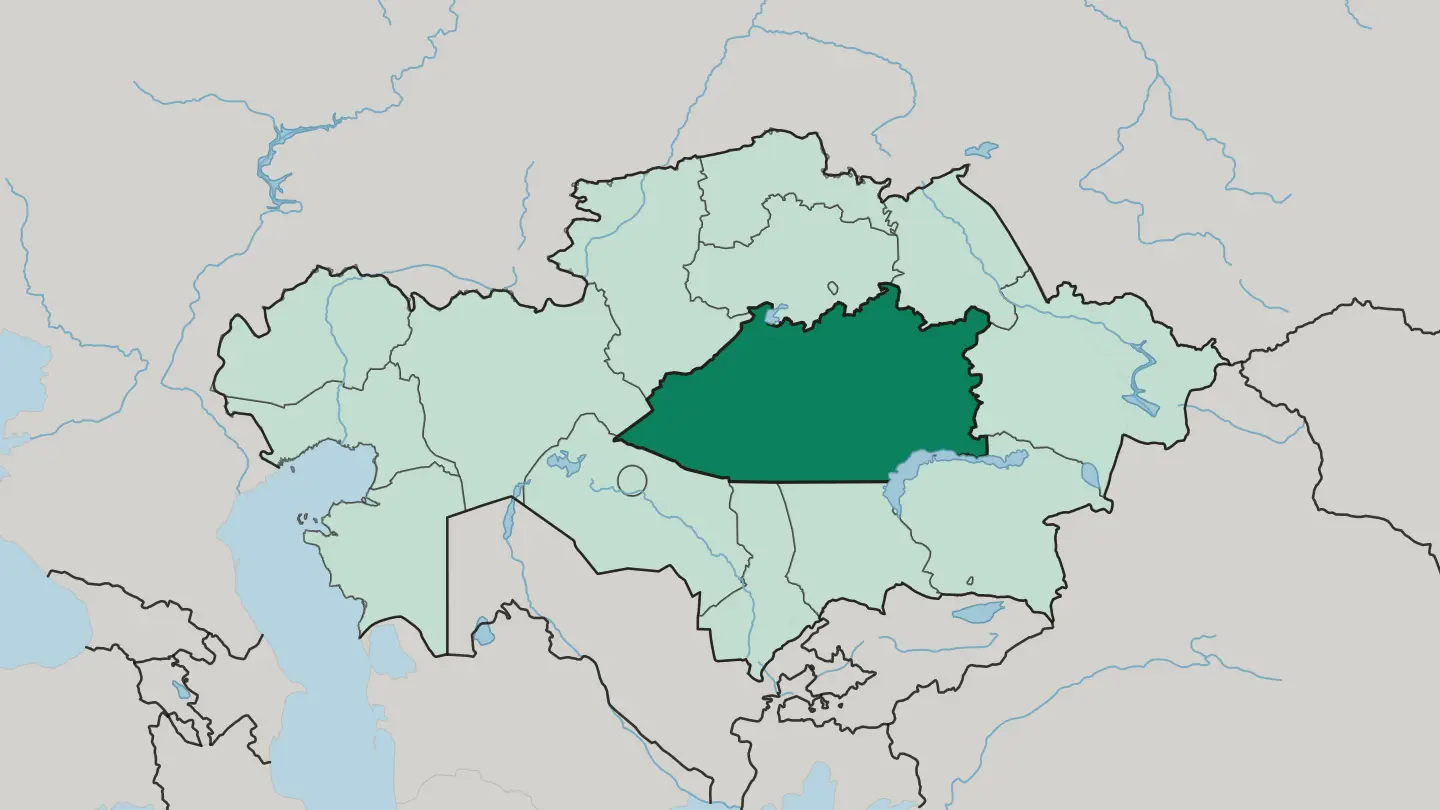 Kazakhstan
Qostanay Oblysy
Qostanay Oblysy is Kazakhstan's grain-and-iron steppe in the far north, edged by Russia and drained by the Tobol.Towns & cities →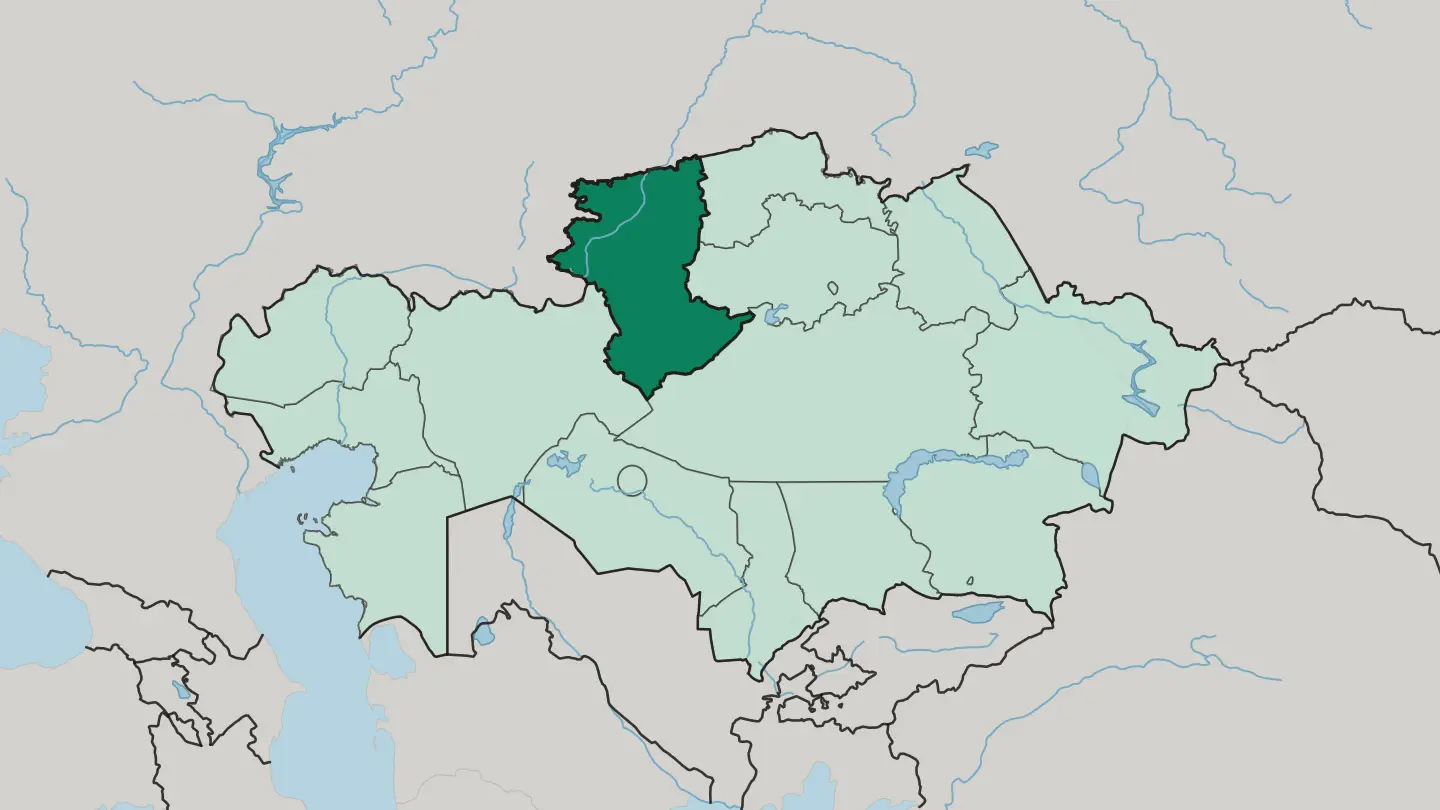
 Kazakhstan
Qyzylorda Oblysy
Qyzylorda Oblysy is Kazakhstan's desert region on the Syr Darya, home to Baikonur and the shrinking Aral Sea.Towns & cities →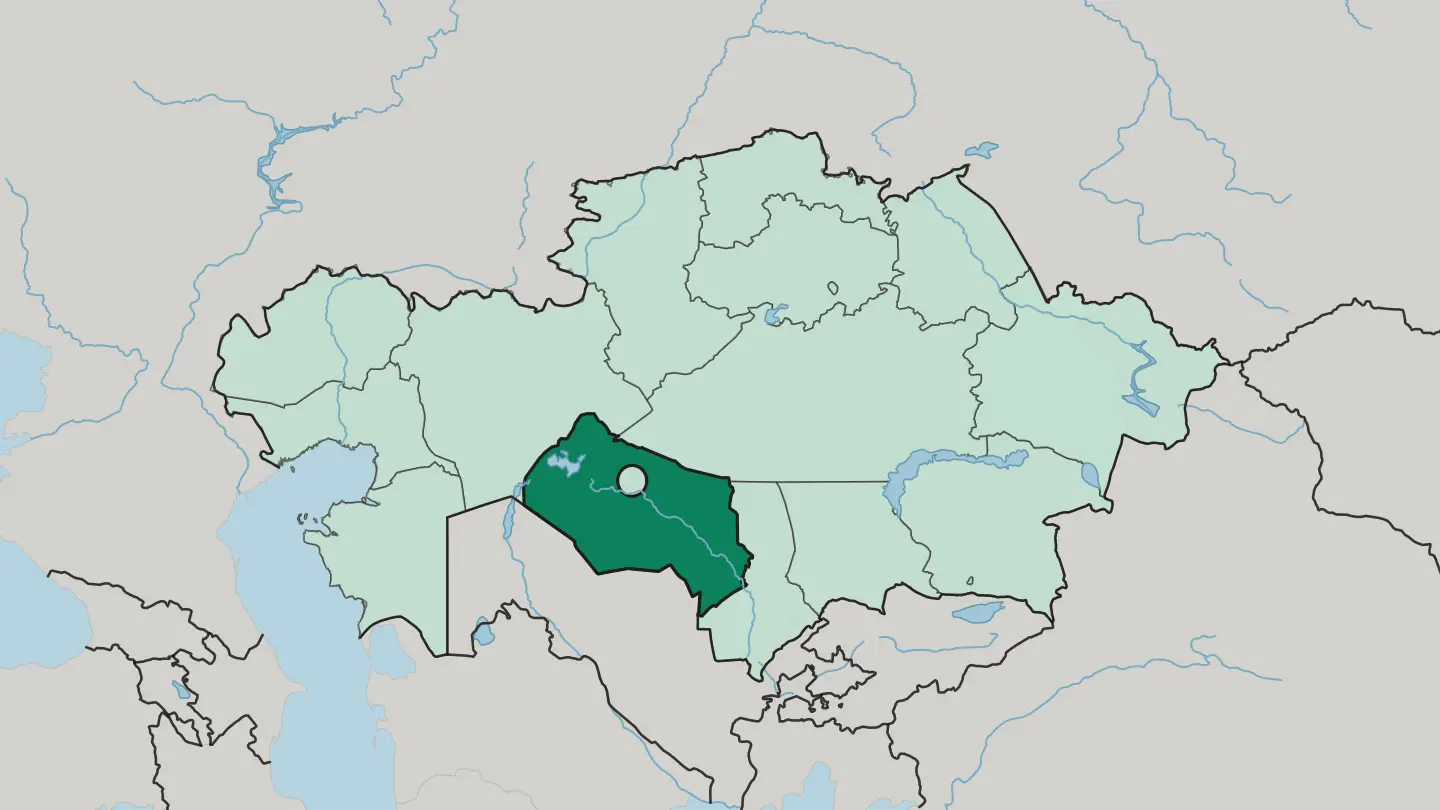 Kazakhstan
Shymkent
Shymkent is Kazakhstan's third city, a hot southern hub on the old Silk Road below the Karatau ridge.Towns & cities →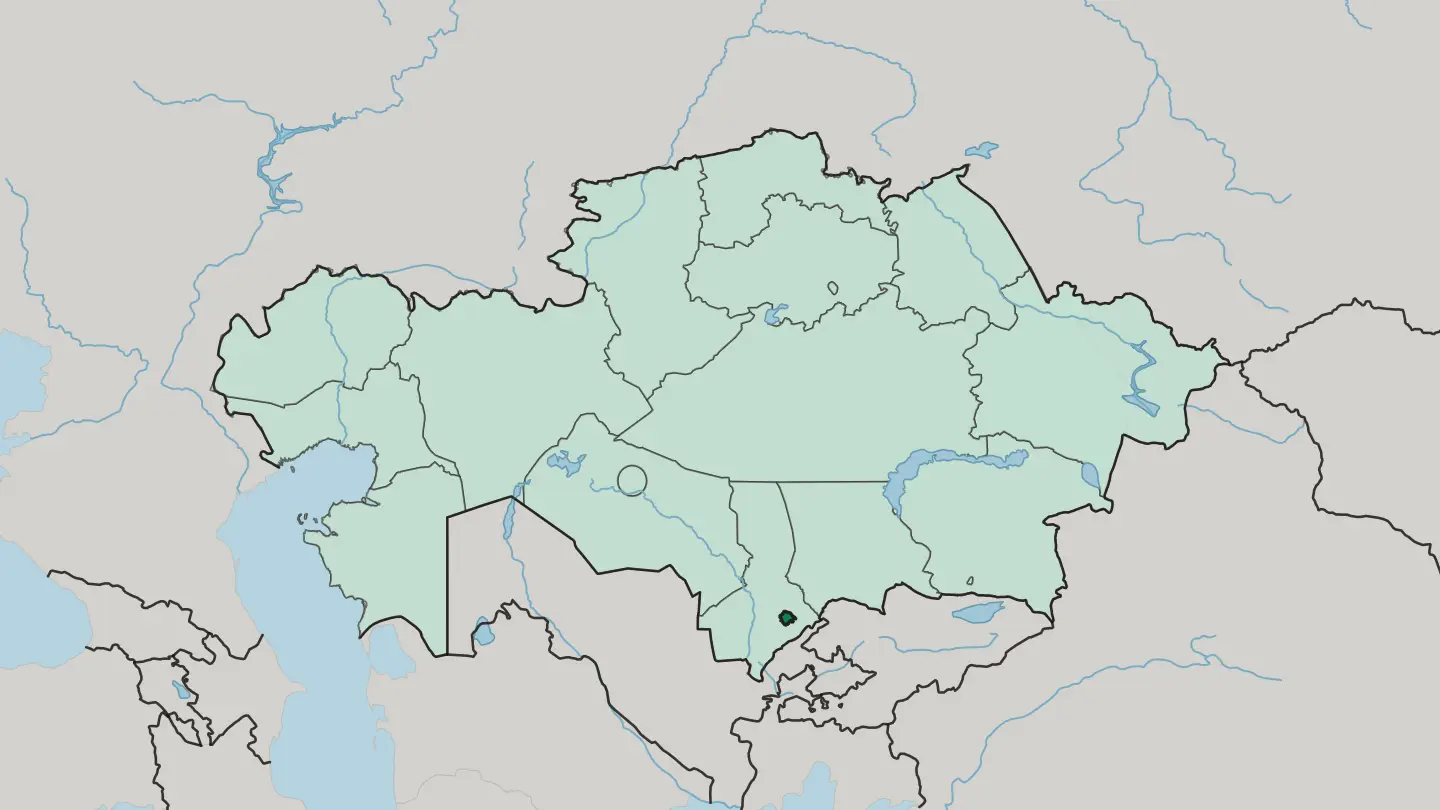 Kazakhstan
Turkistan
Turkistan is Kazakhstan's southernmost region, on the Uzbekistan border, holding the shrine city of Turkistan and the Syr Darya.Towns & cities →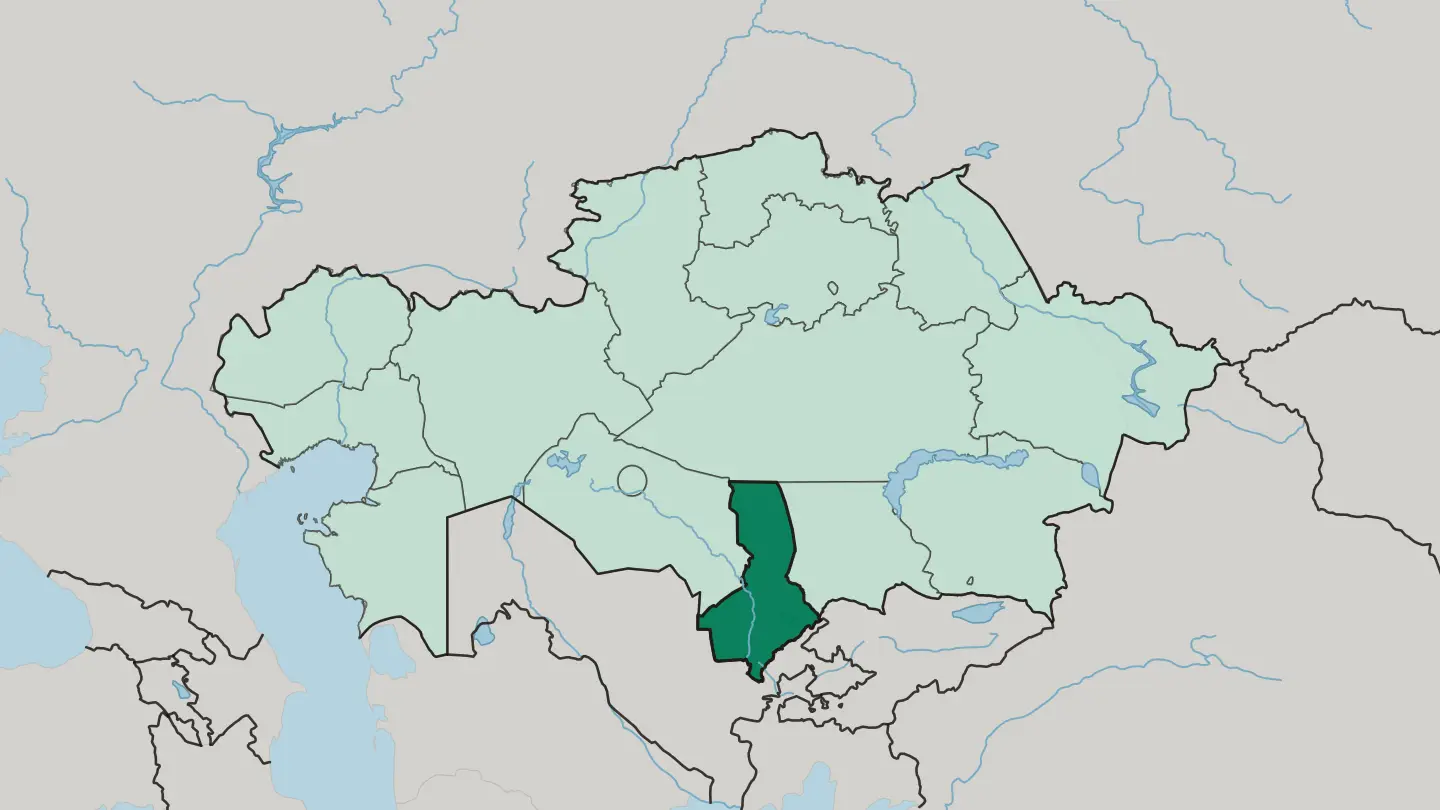
 Kazakhstan
West Kazakhstan
West Kazakhstan is the country's north-western corner, where the Ural River crosses the steppe into Europe.Towns & cities →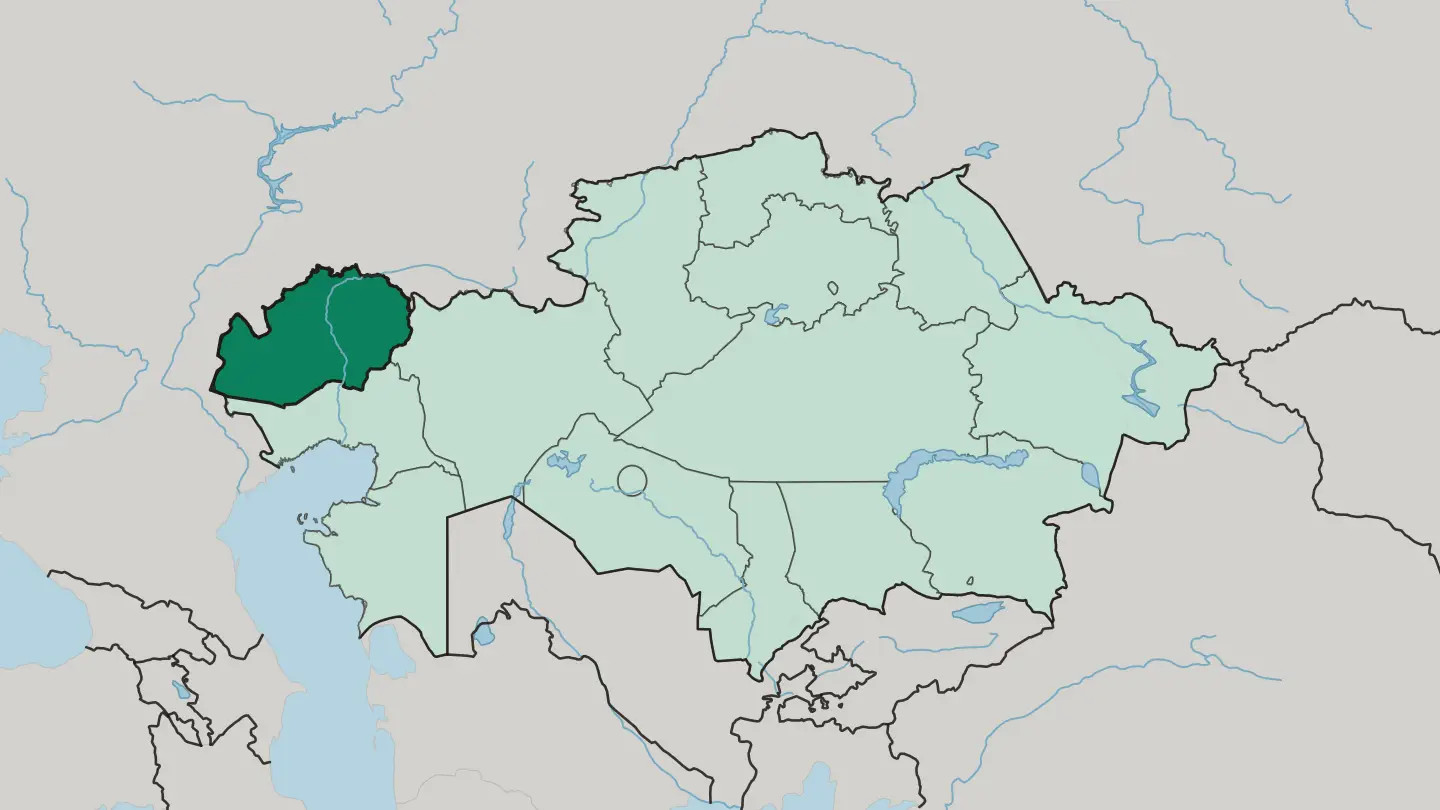 Kazakhstan
Zhambyl Oblysy
Zhambyl Oblysy fills the south of Kazakhstan, where the Silk Road city of Taraz meets the Karatau range and the Muyunkum sands.Towns & cities →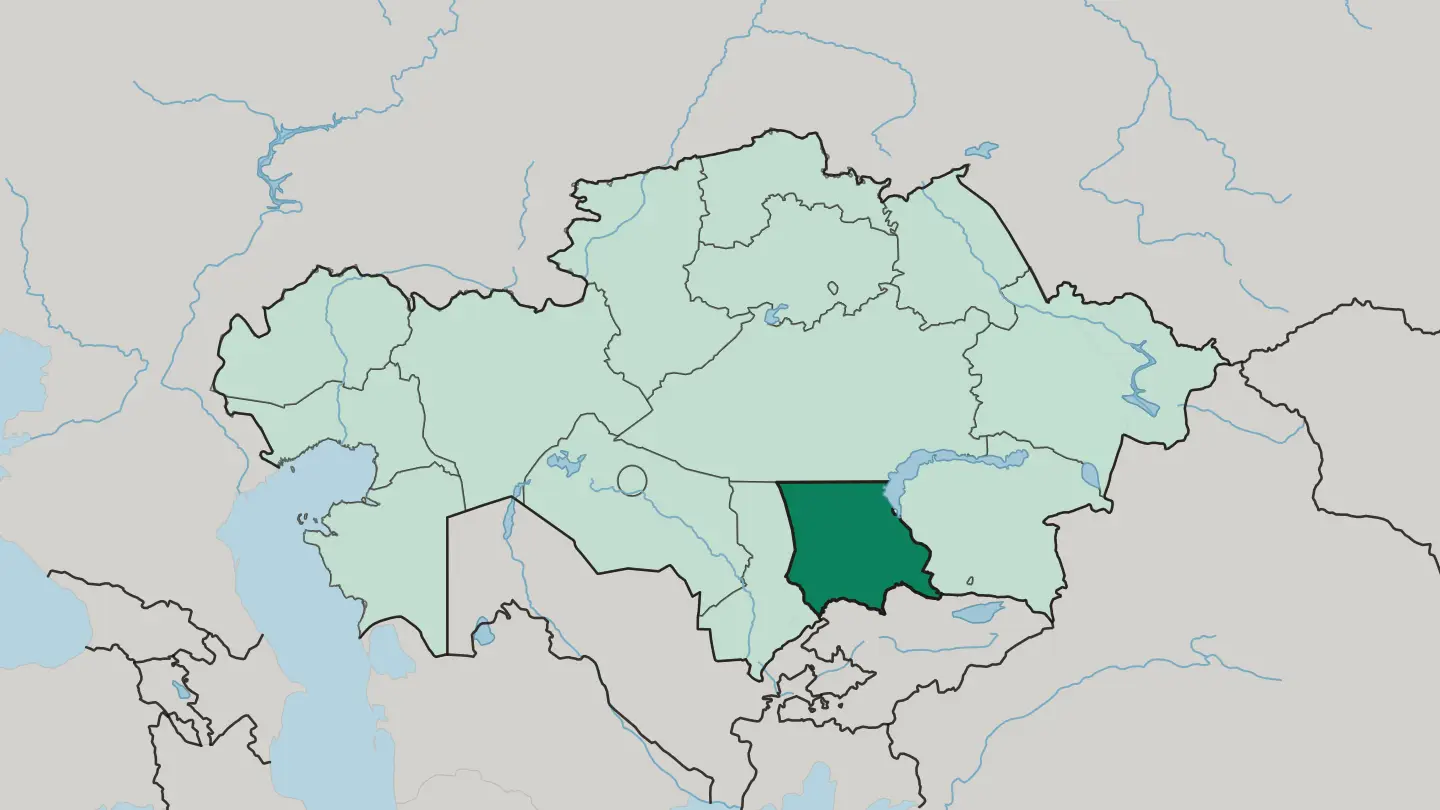 Kazakhstan2 cities
Ulytau Region
Jezkazgan runs the region. Ulytau Region was split from Karaganda Region in 2022, making it one of the newest administrative units in Kazakhstan.Towns & cities →Kazakhstan2 citiesJetisu Region
Jetisu Region is one of the regions of Kazakhstan, formed in 2022, with Taldykorgan as its administrative centre.Towns & cities →Explore by experience
Not sure which place? Start from how you want to travel.

About Kazakhstan
Kazakhstan is known as the giant of Central Asia.
What is Kazakhstan known for?
The largest country in the region and the biggest of the former Soviet republics after Russia, it stretches over endless steppe rich in oil and natural gas. Space defines the place. Its cities, from the capital Astana to Almaty, the former capital, sit far apart across a land that runs from the Caspian Sea toward China.
Where is Kazakhstan?
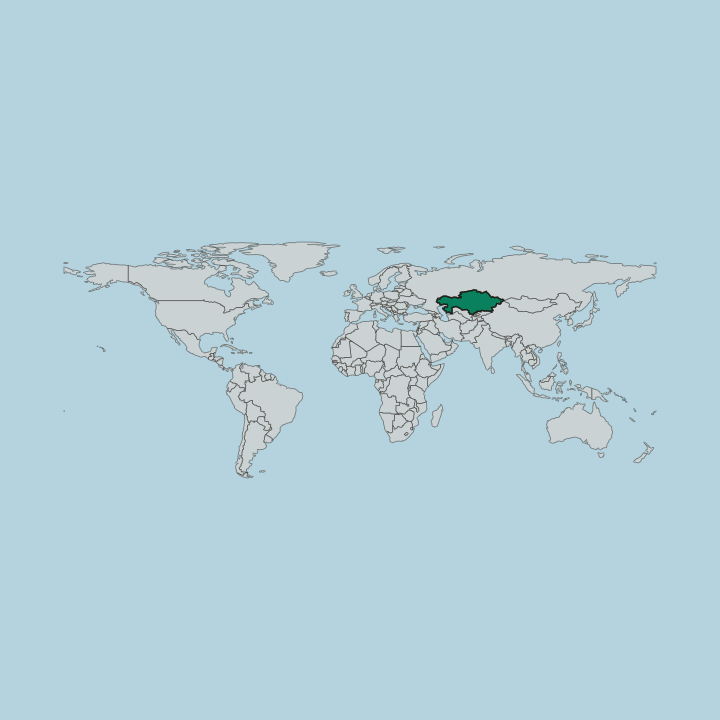
Kazakhstan sits mostly in Central Asia, with its far western edge reaching into Eastern Europe. It is a landlocked giant, the largest country of the region by far, spread over vast plains of open steppe that run for great distances without a rise. The land goes on and on.
It ranks among the largest countries on earth. Only in the west does it meet open water, along the shore of the Caspian Sea, the inland sea it shares with its neighbours. Long land borders wrap the country on every side.
Russia lies to the north and the west, China to the east, Kyrgyzstan to the south-east, Uzbekistan to the south, and Turkmenistan to the south-west. Neighbours ring it about. Astana, the capital, stands on the northern steppe, while Almaty, the largest city, lies far to the south near the mountains that wall the border.
Between them stretch the plains. The steppe gives way only slowly to desert in the south and to hills and mountains along the southern and eastern rim, where the flat land finally climbs toward the high country.
What is the history of Kazakhstan?
Kazakhstan took its modern form in 1991, when the Soviet Union dissolved and its largest republic after Russia became an independent country. The change came late in the century. Through the Soviet decades the vast steppe had been governed from afar, its oil, gas, and farmland tied into a union that reached from Central Asia to Eastern Europe, and Almaty served as the capital in those years and into the new republic.
The old order gave way slowly. Independence reshaped the country from the ground up. In 1997 the seat of government moved north from Almaty to a new capital on the steppe, later named Astana, and a planned city rose there to house the state.
The move redrew the map of power. Astana grew quickly on the open plain. Oil and natural gas, drawn from beneath the plains and the Caspian Sea, funded the young country's rise, while Almaty stayed the largest city and its economic and cultural centre.
From open steppe to modern republic, the land keeps the long horizon that has always defined it across Central Asia.
What is Kazakhstan like?
Kazakhstan holds together the culture of Central Asia and the mark of the Soviet century. Russian is widely spoken across the country, a common tongue carried over from the union years, and much of city life leans on the habits and institutions of that time. Two influences run side by side.
Almaty stands as the cultural centre and the largest city, where theatres, galleries, and cafes gather beneath the southern mountains, while the newer capital shows a different face in the towers of Astana. The steppe shapes the national imagination more than any building. Its emptiness and long horizons run through the country's sense of itself, a vast open land that has kept travellers captivated for generations.
Distance is part of the identity. The oil and gas wealth of recent generations has funded grand projects, none bolder than the planned capital raised on the northern plains, yet away from the cities the old rhythm of the steppe endures. From Almaty in the south to Astana in the north, the country carries both its Central Asian roots and its modern ambitions across the plains.
What is the climate of Kazakhstan?
Kazakhstan has a sharply continental climate, the mark of a vast landlocked interior. Winters run long and bitterly cold across the open steppe, while summers turn hot and dry, and the gap between the two seasons is among the widest of any settled land. Across the Kazakh steppe, spring and autumn are brief.
Only the Caspian Sea coast in the west softens the extremes a little.
How do you get to Kazakhstan?
Most travellers reach Kazakhstan by air, landing at Almaty or the capital Astana before setting out across the enormous distances of the steppe. The country is vast. Overland, rail lines and roads cross the borders from Russia to the north and China to the east, links inherited from the days of the Soviet Union.
Ferries also cross the Caspian Sea to the western shore.
Common questions
What is the best area to stay in Kazakhstan?
Almaty and the southern mountains: Mountain access with city comforts. Astana and the northern steppe: The modern planned capital. The Caspian Sea coast: The western shore.
Good for
Updated September 2026