Kazakhstan · Atyrau Region
Where to Stay in Atyrau, Atyrau Region
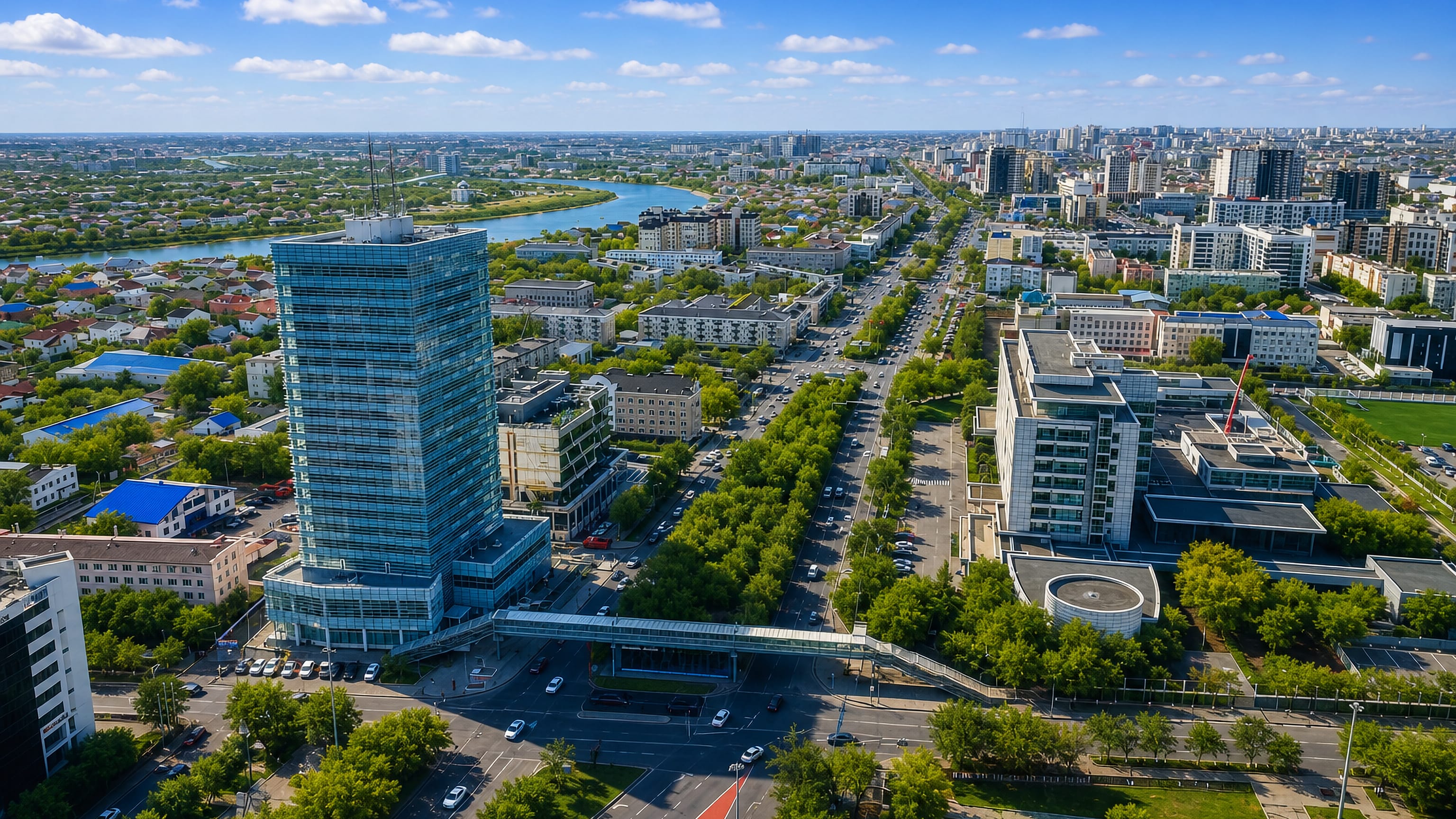
Atyrau is a city of western Kazakhstan on the Caspian, the oil capital of the country, a flat delta town split between Europe and Asia by the Ural river.
Hotel links are affiliate links: booking through them may earn us a commission, at no extra cost to you. It never affects how places are ranked. How this works


Where to stay in Atyrau
The practical side of choosing where to sleep.
Atyrau divides between its central streets and the river running down toward the delta. The streets around the centre keep the bridge, the market, and the offices within a walk, and staying downtown suits anyone here for the city and its two banks. The Ural runs through the town.
Oil towers ring the edge. Out toward the delta and the steppe, the town gives way to the oil camps, the reed marshes, and the wide flat plain. A room by the river trades the streets for the quiet delta, the fishing channels, and the great sky over the steppe.
The flats run to the sea. Stay downtown for the bridge, or by the river for the delta. Downtown is no more than a short drive back from the delta.
Find hotels in Atyrau
Direct booking searches for these neighbourhoods.
The town centre
The central streets where the Ural cuts through townFind hotels in The town centreStays wanting the steppe and river countryThe delta
Out toward the CaspianFind hotels in The deltaHotel links are affiliate links: booking through them may earn us a commission, at no extra cost to you. It never affects how places are ranked. How this works
About Atyrau
Atyrau is the oil capital of the Caspian.
What is Atyrau known for?
On the flat delta where the Ural river reaches the Caspian Sea in western Kazakhstan, it grew rich on oil, and it keeps the great oil and gas fields of the steppe around, a footbridge over the Ural that joins Europe to Asia, the sturgeon of the river and their black caviar, and the wide brown steppe and salt flats of the delta. The flat delta runs to the sea. The steppe rolls away brown.
What are the main landmarks in Atyrau?
The Ural bridge is the mark of Atyrau. The footbridge over the river joining the two banks of the town, one in Europe and one in Asia, crosses the water at the city's heart, the emblem of Atyrau, on the river. Oil fields ring the steppe.
The great derricks and pipelines of the oilfields spread over the plain around, while the river port, the old cathedral, and the caviar trade mark the country around Atyrau.
What is the history of Atyrau?
Atyrau began with the sturgeon. Long ago Russian fishermen and Cossacks built a fort at the mouth of the Ural, where the great sturgeon ran up from the Caspian, and they lived by the fish and their prized black roe. The Cossacks held the river.
For centuries the folk of the lower Ural fished and traded and rose at times in revolt, and a rough frontier town grew by the delta. Oil made the modern city. When oil was struck in the steppe around, the old fishing town turned to the derrick, and in Soviet years it grew into a centre of the oilfields.
The great fields drew the world. As huge new oil and gas deposits were opened under the Caspian and the steppe, money and workers poured in, and Atyrau swelled into the oil capital of Kazakhstan, keeping its river, its caviar, and its two-continent bridge. The tankers still load on the Caspian.
Atyrau keeps its oil and its river at the head of the sea.
Where is Atyrau?
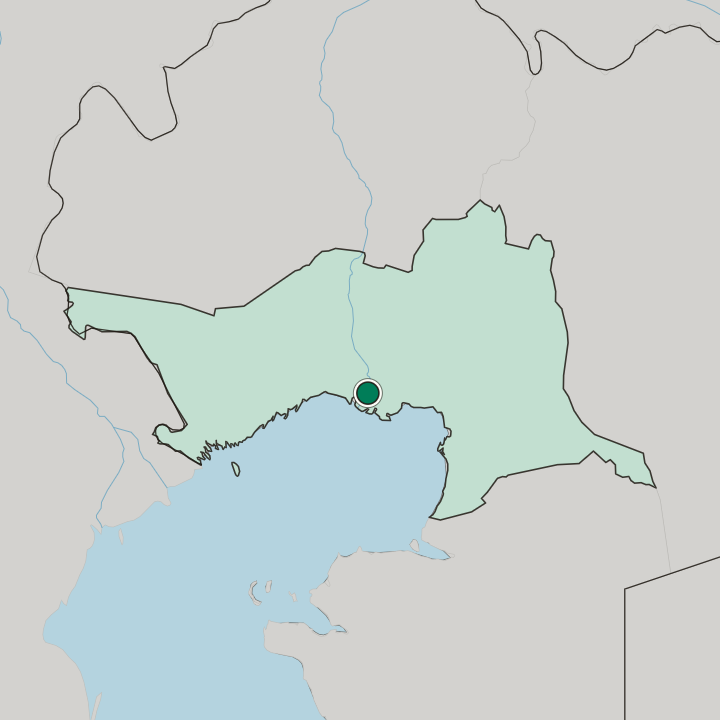
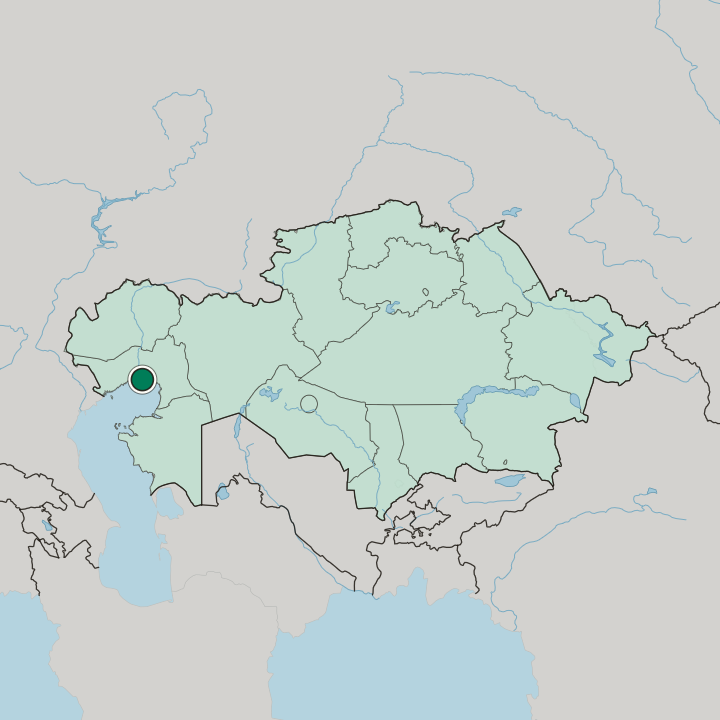
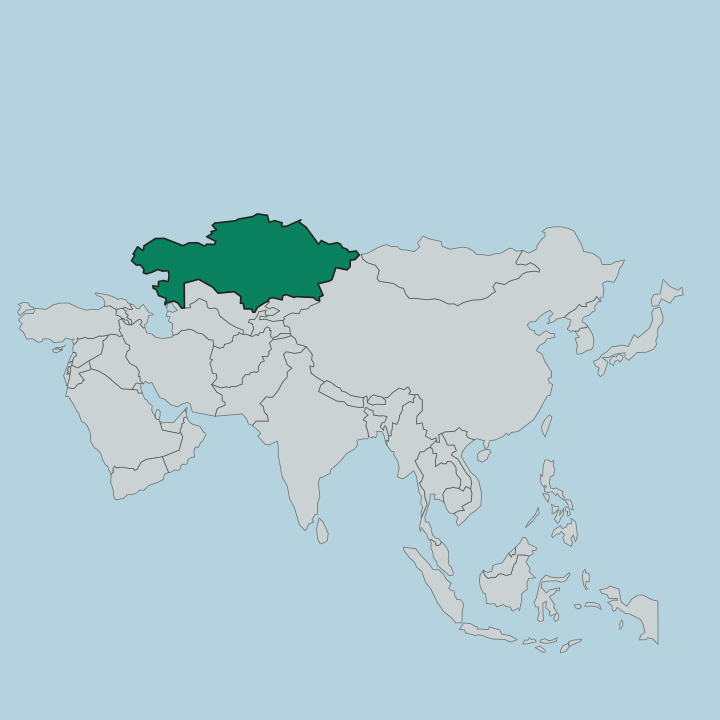
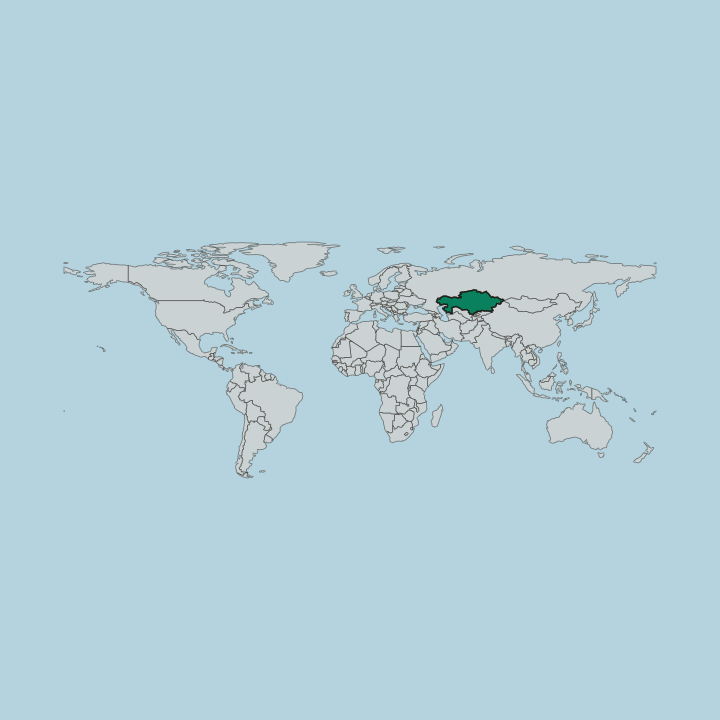
Atyrau lies in the far west of Kazakhstan, on the Ural river delta at the head of the Caspian Sea. The city sits on the dead-flat plain where the Ural spills into the sea, with the river dividing it into a European bank and an Asian bank, in a low land of steppe, marsh, and salt flat under a wide sky. Two continents face across the Ural.
The steppe runs flat to the edge.
What is the climate of Atyrau?
Atyrau has a dry, harsh continental climate. Hot summers and cold windy winters cross the steppe, with scorching dry heat in summer and hard frost and gales off the Caspian in winter. The summer bakes the flats.
Winter blows cold and hard.
How do you get to Atyrau?
Atyrau lies on the Caspian in western Kazakhstan, at the mouth of the Ural. Roads, rail, and flights reach it across the steppe from the interior and along the coast, and pipelines carry its oil away. Boats work the delta.
The Caspian lies south past the flats.
Common questions
What is the best area to stay in Atyrau?
The town centre: Visitors here for the bridge and market. The delta: Stays wanting the steppe and river country.
Good for
Updated September 2026