Kazakhstan · Qaraghandy Oblysy
Where to Stay in Karagandy, Qaraghandy Oblysy
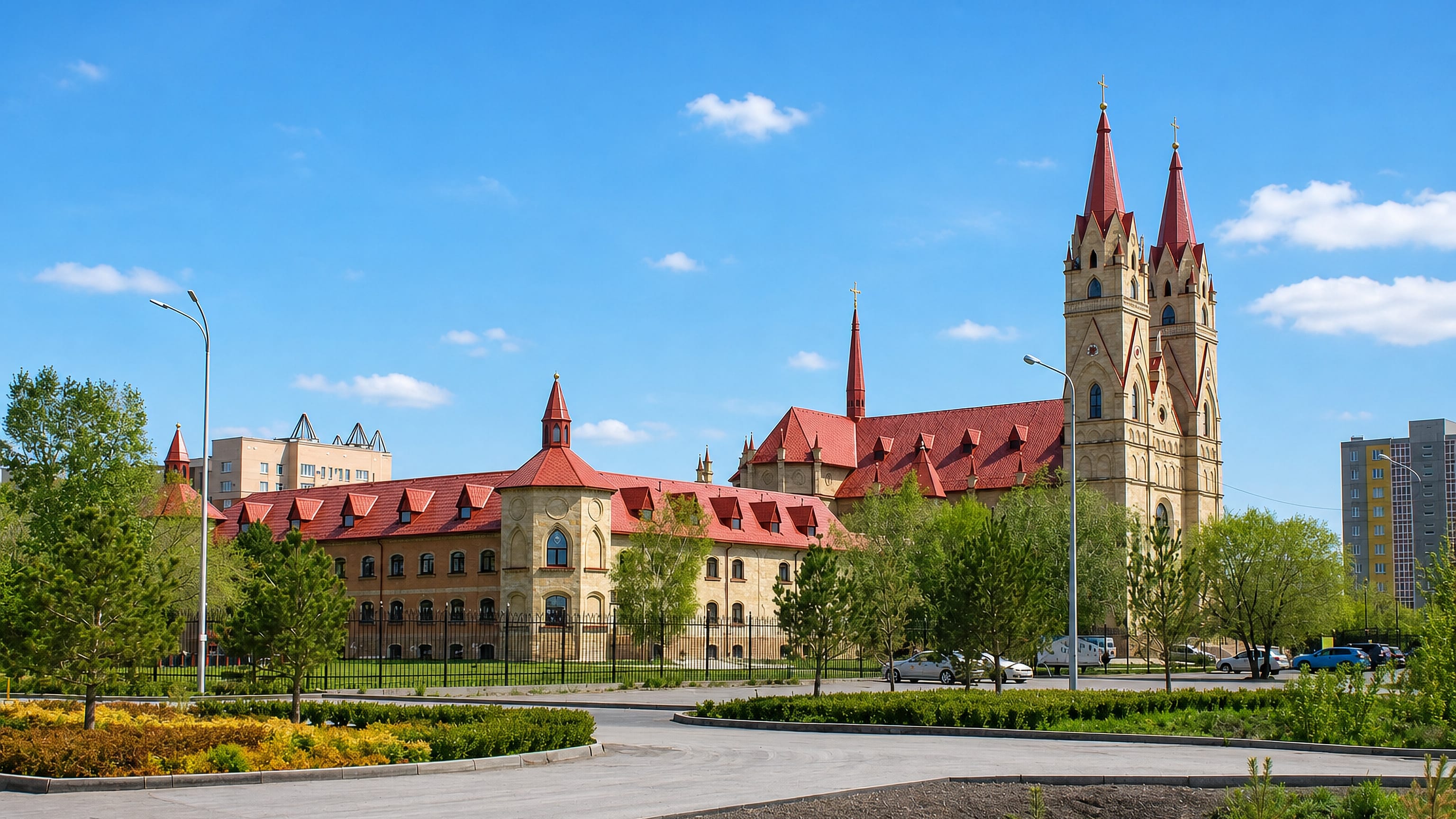
Coal-black spoil ridges frame Karagandy, a mining city on the Central Highlands of Kazakhstan, known for its Soviet-built centre and the wide steppe.
Hotel links are affiliate links: booking through them may earn us a commission, at no extra cost to you. It never affects how places are ranked. How this works


Where to stay in Karagandy
How the choice of base plays out on the ground.
Karagandy concentrates its beds in the newer southern centre, the district rebuilt after the old town subsided into its own coal workings. Broad Soviet-planned avenues run out from here past the Cathedral of Our Lady of Fatima and the Monument Miner's Glory, and most of the museums and monuments sit within a short ride. The central axis suits first-time visitors.
It puts the Karaganda Regional Historical and Local History Museum and the Karaganda ecological museum close by, along with the cafes and squares of the modern grid. The city works as a base as much as a destination. If your plan runs out to Karkaraly National Park or the KarLag memorial sites on the steppe, a central room shortens the daily drive across the plains.
Simple. The setting is flat and open, the Central Highlands rising only in low ridges beyond the built edge. Whether you stay to see the mining heritage or to break a long journey across Kazakhstan, the compact modern centre keeps the Eternal flame, the Nurken Abdirov monument, and the main streets within easy reach.
Find hotels in Karagandy
Direct booking searches for these neighbourhoods.
Southern modern centre
The rebuilt southern grid puts the Karaganda Regional Historical and Local History Museum and the Cathedral of Our Lady of Fatima within a short ride.Find hotels in Southern modern centreday runs to Karkaraly National ParkCentral axis for steppe trips
A central room off the Soviet avenues shortens the drive out to Karkaraly National Park and the KarLag memorial sites.Find hotels in Central axis for steppe tripsHotel links are affiliate links: booking through them may earn us a commission, at no extra cost to you. It never affects how places are ranked. How this works
Things to do in Karagandy
Ranked by global recognition; descriptions from Wikidata (CC0).
Museums & Galleries
2- Karaganda Regional Historical and Local History Museum
- Karaganda ecological museum
Churches & Religious Sites
2- Cathedral of Our Lady of Fatima, Karaganda
- Church of the Intercession of the Holy Mother of God
Castles & Historic Sites
3- Where where? In Karaganda!
- Monument Miner's Glory
- Nurken Abdirov monument
worth knowingacross 3 categories in Karagandy
About Karagandy
What is Karagandy known for?
Karagandy is known as a coal city, built up from the mining fields of the Central Highlands of Kazakhstan. Its skyline mixes wide Soviet avenues with landmarks such as the Cathedral of Our Lady of Fatima and the Monument Miner's Glory. The Karaganda Regional Historical and Local History Museum records the city's hard beginnings, from the KarLag labour camp to the deported communities who worked the seams.
The name became a Russian byword for the remote steppe, a wry stand-in for the middle of nowhere. It seats the Karaganda Region.
What are the main landmarks in Karagandy?
The landmarks of Karagandy trace its mining and Soviet past. The Cathedral of Our Lady of Fatima rises over the modern centre, while the Church of the Intercession of the Holy Mother of God serves the city's older congregations. Miners are remembered too.
The Monument Miner's Glory and the Eternal flame honour the workers of the coalfield, and the Nurken Abdirov monument marks a wartime pilot, while the To the conquerors of Space memorial nods to the steppe launch country nearby. Two museums gather the rest. The Karaganda ecological museum and the local history museum hold the record of it all.
What is the history of Karagandy?
Karagandy grew from the coal seams of the Central Highlands, formally founded as a city in 1931 to work the mines. The steppe here had long been herding country, its name drawn from the Caragana bushes that dot the plains. Coal changed that.
Under Soviet planning the settlement expanded fast, and much of its early labour came from deported communities and the prisoners of the KarLag forced-labour camp on the surrounding steppe. The first town literally undermined itself. Tunnels ran so far beneath the original site that the ground grew unstable, and the city was rebuilt further south on firmer land, which became the modern centre.
Ethnic Germans deported from the Volga worked the mines through the Soviet decades, and many left for Germany once the Soviet Union fell. Their churches, the Cathedral of Our Lady of Fatima among them, still mark the streets. The Karaganda Regional Historical and Local History Museum keeps the record, and monuments such as the Monument Miner's Glory and the Nurken Abdirov monument fix the mining and wartime memory into the fabric of the Karaganda Region.
Where is Karagandy?
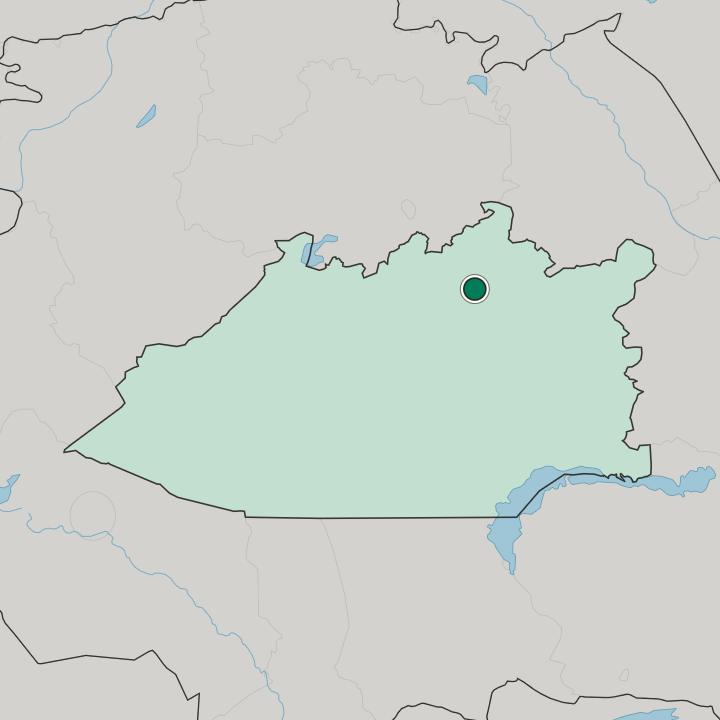
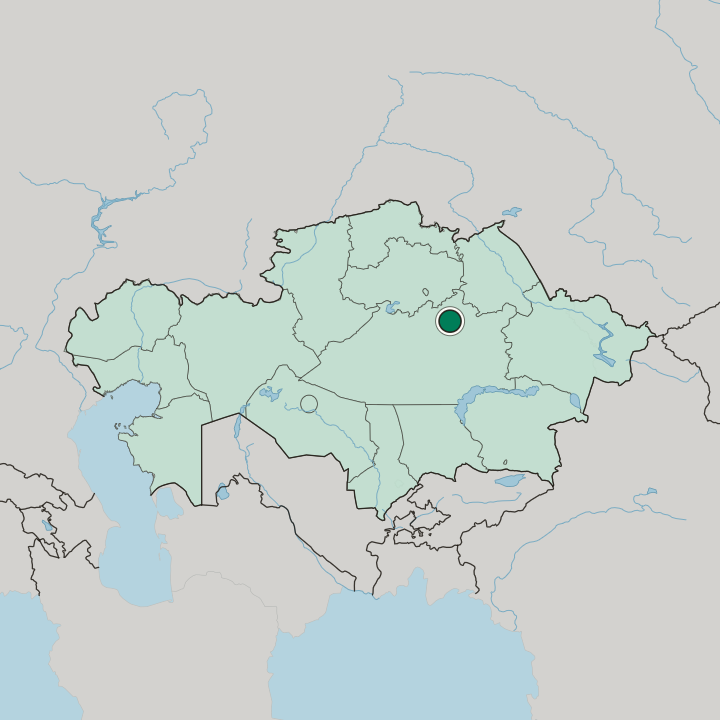
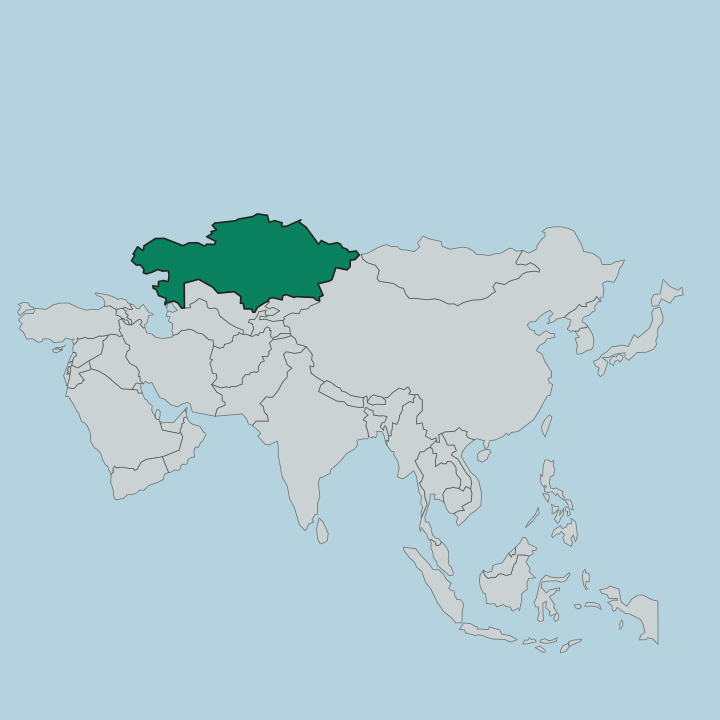
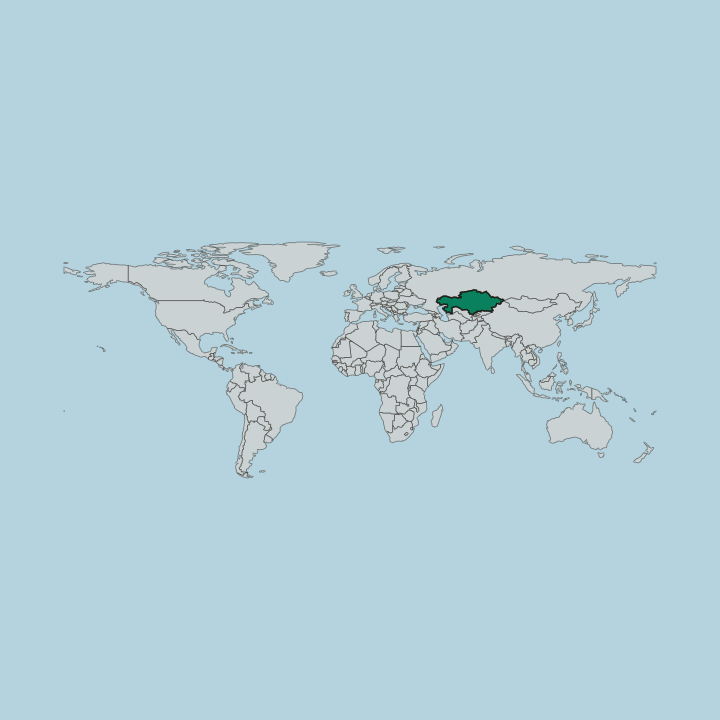
Karagandy lies in central Kazakhstan, set on the Central Highlands southeast of the capital, Astana. The land is flat, dry steppe. To the east the ground rises toward Karkaraly National Park, a wooded island of hills lifting out of the plains, while the coalfield's low ridges and spoil heaps break the ground closer in.
The modern centre stands south of the subsided original town. Grassland runs to every horizon.
What is the climate of Karagandy?
Karagandy has a sharply continental climate, exposed on the open steppe of central Kazakhstan. Winters are long, cold, and windswept. Summers turn hot and dry, with wide swings between day and night as the sun beats down on the treeless plains around the Central Highlands.
Between them, the mild months are few. Snow lies over the steppe for much of the cold season.
How do you get to Karagandy?
Karagandy sits on the main north-south corridor across central Kazakhstan, roughly a day's road from the capital, Astana, to the northwest. Rail lines and a highway link the two cities, and an airport handles longer hops across the country for those crossing the wider steppe rather than driving the whole way. Many arrive as a stopover.
The city also serves as the road head for Karkaraly National Park to the east. Once here, the flat modern grid is easy to cover by taxi or on foot.
Common questions
What is the best area to stay in Karagandy?
Southern modern centre: first stays and the city museums. Central axis for steppe trips: day runs to Karkaraly National Park.
Good for
More cities in Qaraghandy Oblysy
Updated September 2026