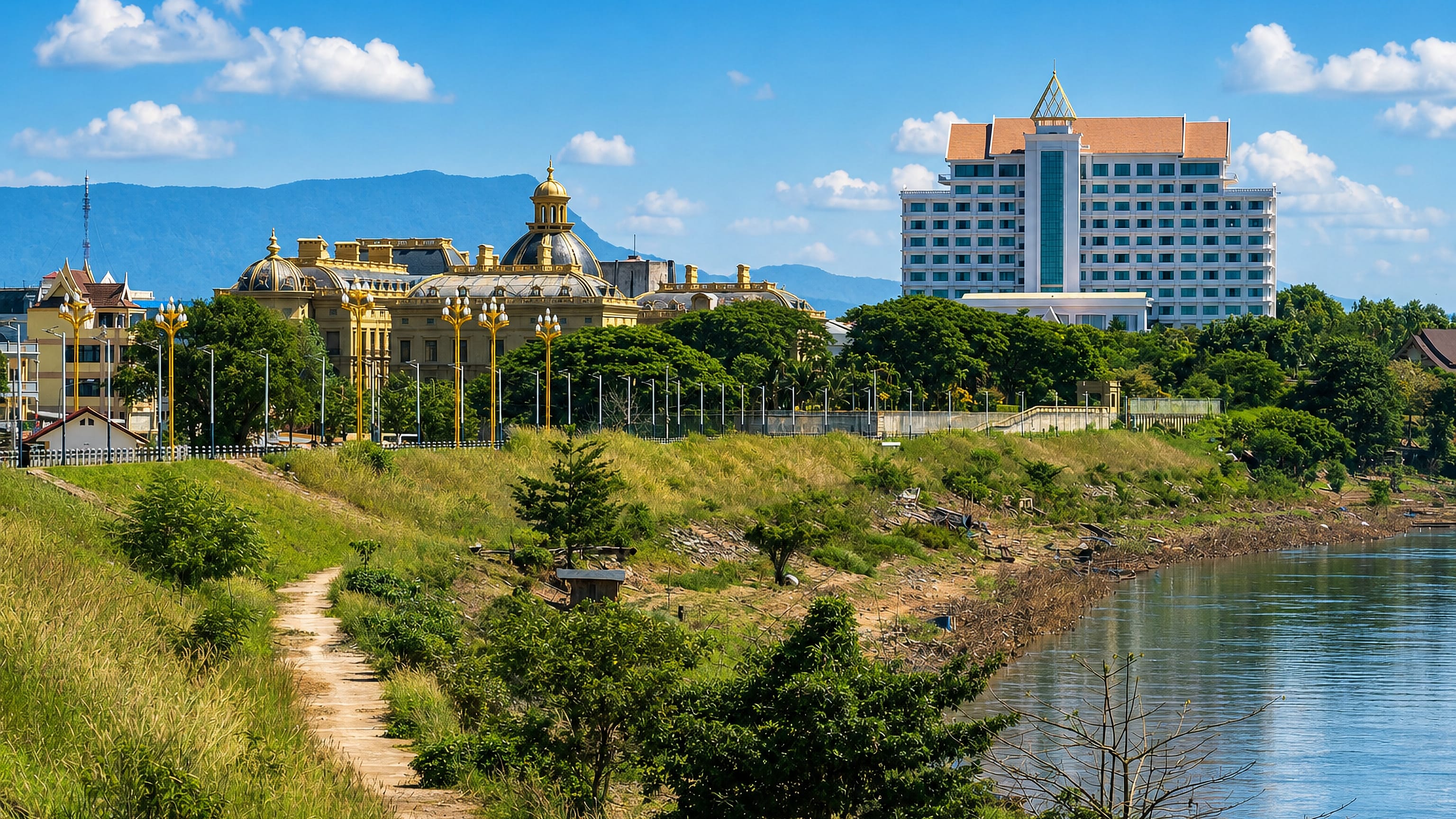
Laos · Champasak
Where to Stay in Pakse, Champasak
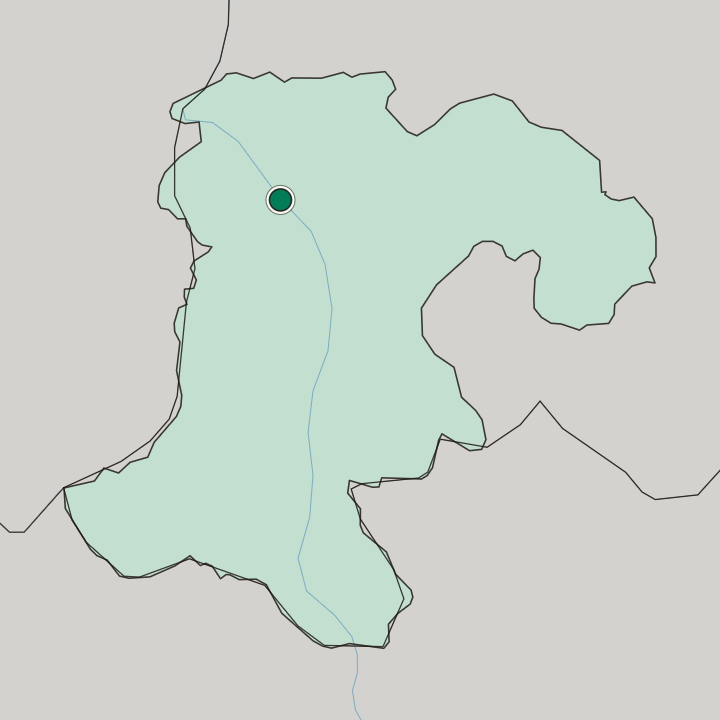
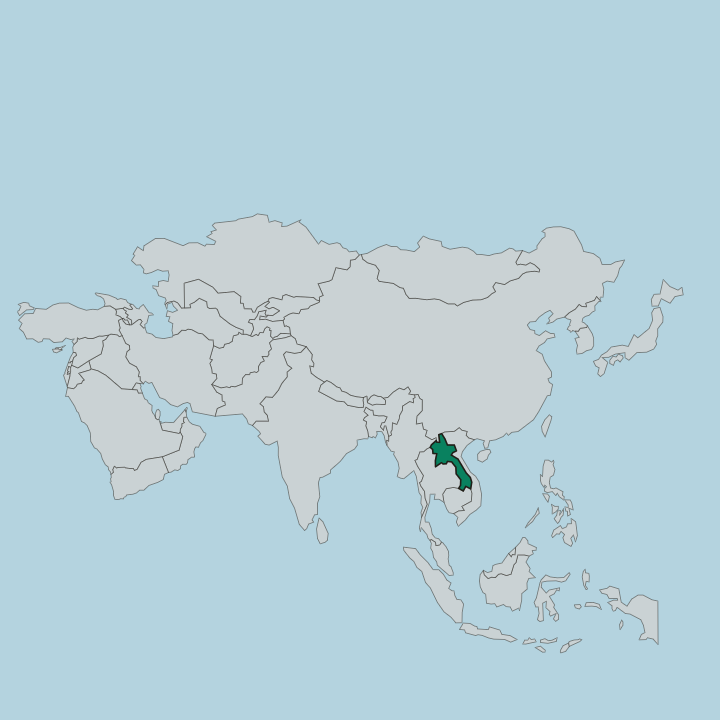
Pakse is the capital of Champasak province in Laos, standing where the Xe Don joins the Mekong.
Hotel links are affiliate links: booking through them may earn us a commission, at no extra cost to you. It never affects how places are ranked. How this works


Where to stay in Pakse
How the choice of base plays out on the ground.
Two things pull a room in different directions here: the water and the offices. Rooms near the meeting of the Xe Don and the Mekong give an evening something to look at, which matters in a town most people reach late and leave early, while the streets around the Champasak Provincial Museum and the Cathedral of the Sacred Heart put the province's business and its two recorded sights within a few minutes of the door. In practice the two sit only a few minutes apart on foot.
Pakse is compact enough to walk. The harder question is whether to sleep here at all. Si Phan Don and the Bolaven Plateau are where the traffic through Pakse is heading, and travellers with an early connection sometimes do better to push on and take their night at the destination rather than in the town that arranges the journey.
Wat Phou changes that calculation. If you are visiting the site, Pakse is the nearest big town and the obvious base, since a room by the Mekong and a morning departure work better than anything closer to the ruins. Book the river side for a rest day, the museum side for a working one.
Find hotels in Pakse
Direct booking searches for these neighbourhoods.
The Xe Don and Mekong confluence
The point where the Xe Don empties into the Mekong, the one part of Pakse that rewards standing stillFind hotels in The Xe Don and Mekong confluenceMuseum hours and errands in the Champasak provincial capitalAround the Champasak Provincial Museum
Pakse's working streets, where the Champasak Provincial Museum and the Cathedral of the Sacred Heart sit among provincial officesFind hotels in Around the Champasak Provincial MuseumTravellers who would rather wake up where they are actually goingSi Phan Don or the Bolaven Plateau instead
The two destinations Pakse forwards its traffic to, worth the extra leg once Wat Phou is doneFind hotels in Si Phan Don or the Bolaven Plateau insteadHotel links are affiliate links: booking through them may earn us a commission, at no extra cost to you. It never affects how places are ranked. How this works
About Pakse
Pakse is honest about its role.
What is Pakse known for?
The transport hub for this part of Laos, it works as the stop travellers make on the way to Si Phan Don and the Bolaven Plateau rather than as the place they set out to see. Wat Phou is the other pull. Pakse is the nearest big town to the site, so a bed here solves the practical side of visiting it, and the Champasak Provincial Museum fills whatever hours the onward connection leaves free.
What are the main landmarks in Pakse?
Two buildings carry the town's record: the Champasak Provincial Museum, which sets out the province around it, and the Cathedral of the Sacred Heart, filed under the older spelling Paksé. Both are short visits. The confluence itself is the third thing worth walking to, since the Xe Don arriving at the Mekong is the reason the town stands where it does, and it costs nothing to see.
Wat Phou lies outside the town, and it is the sight most visitors are here to reach.
What is the history of Pakse?
Nobody wrote down a founding year here. Pakse is described as a relatively modern town, which sets it apart from most river settlements of comparable size and explains why its streets read as planned rather than accumulated. The province is far older.
Wat Phou stands within reach of the town, and the deep history of Champasak belongs to that site rather than to the provincial capital that now handles its visitors. A second layer shows in the spelling. The Cathedral of the Sacred Heart is recorded as being in Paksé, the French form of the name, while the Lao original is ປາກເຊ and Pāksē is the transliteration that turns up on older maps.
The building is the clearest survivor of that period. What followed was administrative: Champasak province needed a capital placed where its traffic already converged, and the meeting of the Xe Don and the Mekong put Pakse in that position more or less permanently. Rivers do that.
A town that begins as a junction tends to keep the job long after the boats that made it useful have been replaced by roads running out to Si Phan Don and up onto the Bolaven Plateau.
Where is Pakse?
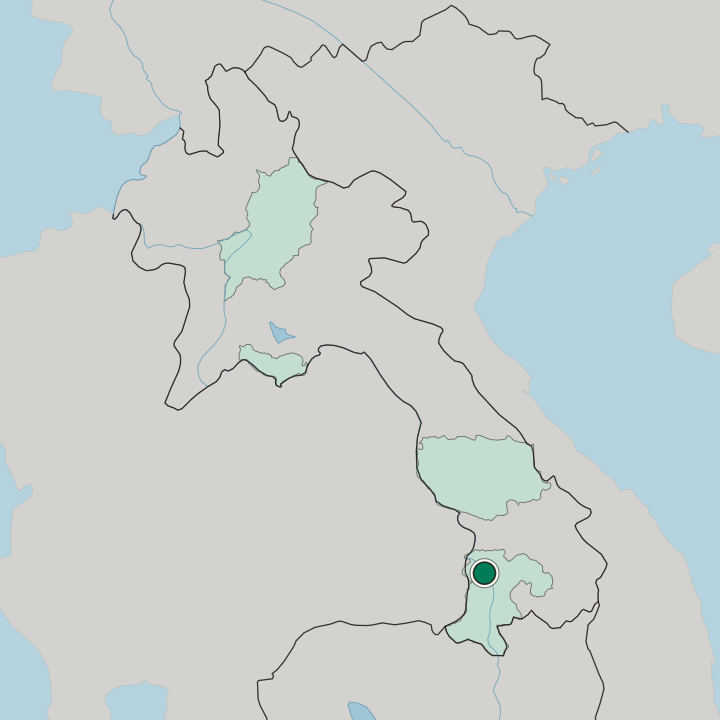
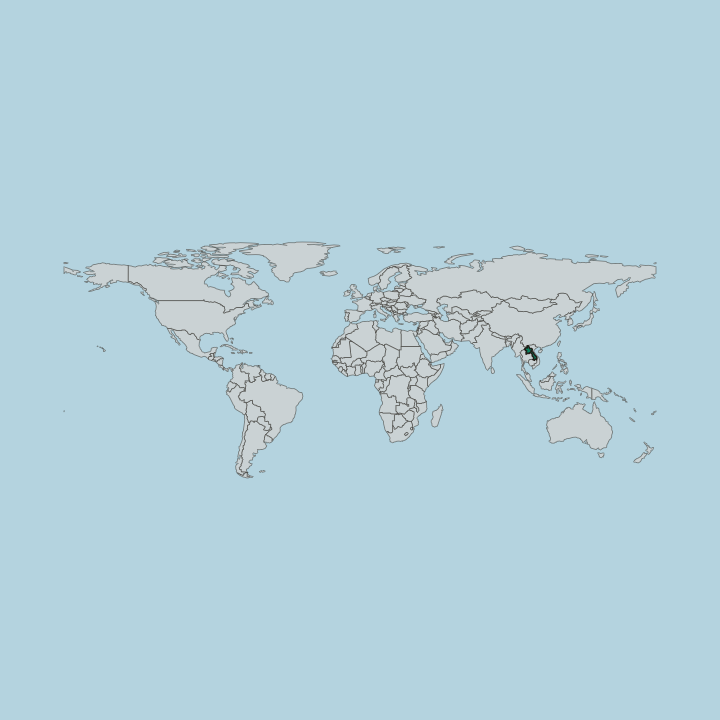
The confluence explains the town. Pakse occupies the ground where the Xe Don runs into the Mekong, and the two rivers between them fix its edges more firmly than any road does. Champasak province spreads out from there.
The Bolaven Plateau rises away from the river country and Si Phan Don sits further along the water, so the town is the flat, low point that the province's higher and wetter halves are both reached from.
What is the climate of Pakse?
The Mekong keeps the town warm and damp. Pakse sits in the tropical band of the northern hemisphere on low ground between two rivers, so humidity is the constant and the calendar turns on rain rather than on temperature. The Bolaven Plateau is the local escape.
Higher ground carries a different air from the river junction below it, which is one reason travellers based in Pakse plan the plateau for the middle of a trip and keep the Mekong side for evenings.
How do you get to Pakse?
Almost everyone arrives on the way to something else. Pakse is the transport hub for this part of Laos, and the roads out of it carry the traffic bound for Si Phan Don, for the Bolaven Plateau and for Wat Phou, which is why the town sees more travellers than its list of sights would suggest. Connections define the stay.
A night in Pakse is usually decided by a departure time rather than by the place itself, and the Xe Don and the Mekong will still be meeting outside the window whichever direction the morning takes.
Common questions
What is the best area to stay in Pakse?
The Xe Don and Mekong confluence: An evening facing the water between legs of a Champasak trip. Around the Champasak Provincial Museum: Museum hours and errands in the Champasak provincial capital. Si Phan Don or the Bolaven Plateau instead: Travellers who would rather wake up where they are actually going.
Updated September 2026