Laos
Champasak, Laos — Towns & Travel Guide
Champasak is a Lao province on the Mekong, holding the Khmer ruins of the Champasak Cultural Landscape and the island reach of Si Phan Don.
Hotel links are affiliate links: booking through them may earn us a commission, at no extra cost to you. It never affects how places are ranked. How this works


Towns & cities in Champasak
One town here has its own guide — it links to where to stay.

 Laos
Laos
Pakse
Pakse is the capital of Champasak province in Laos, standing where the Xe Don joins the Mekong.Where to stay →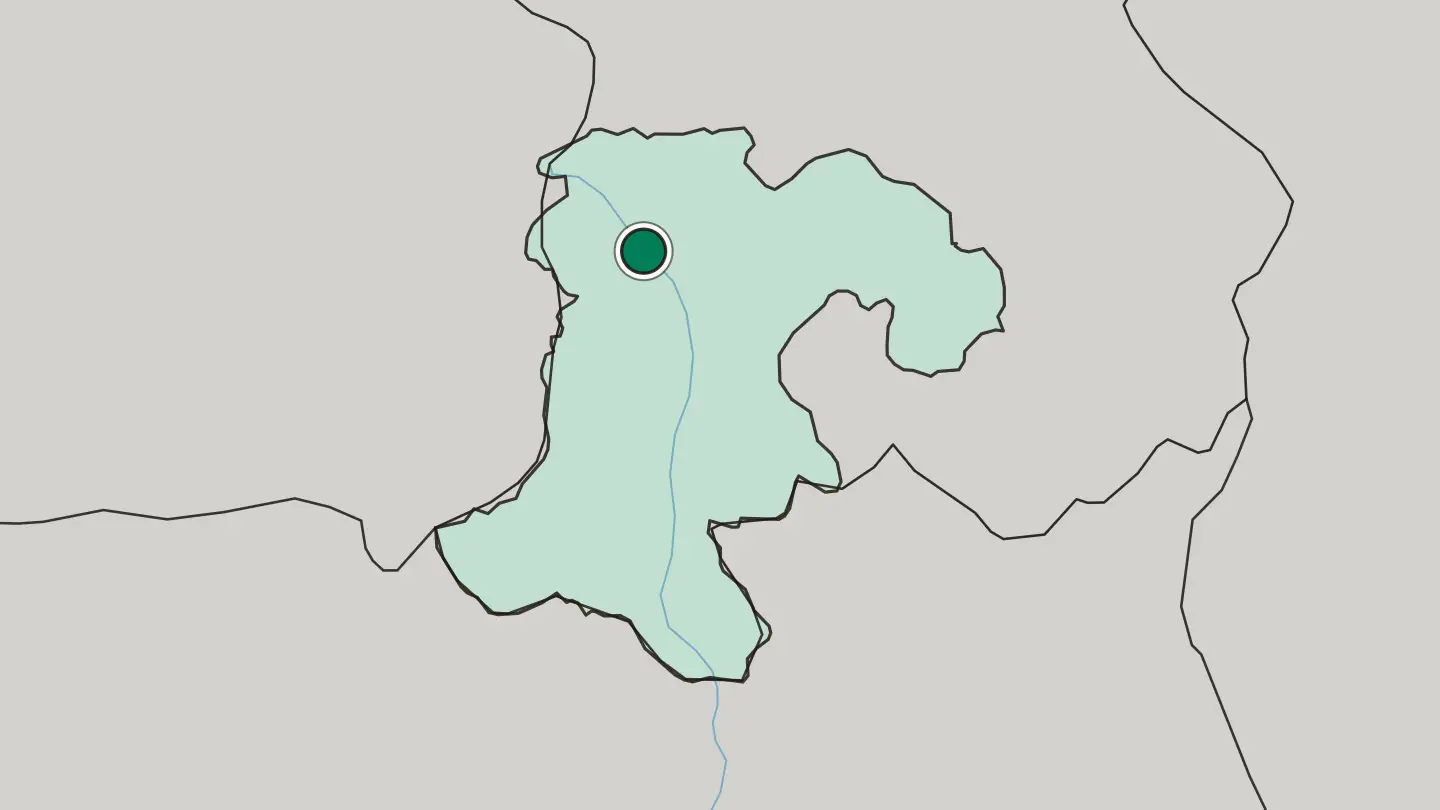
Hotel links are affiliate links: booking through them may earn us a commission, at no extra cost to you. It never affects how places are ranked. How this works
About Champasak
The Khmer ruins carry the name.
What is Champasak known for?
UNESCO inscribed them as the Champasak Cultural Landscape, a group of temple sites tied to the old Kingdom of Champasak, and they are the reason most travellers turn south from Pakse at all. The Mekong does the rest. Si Phan Don, the braided island stretch along the Cambodian frontier, gives the province its second draw, while Pakse handles arrivals, transfers and beds.
Where is Champasak?
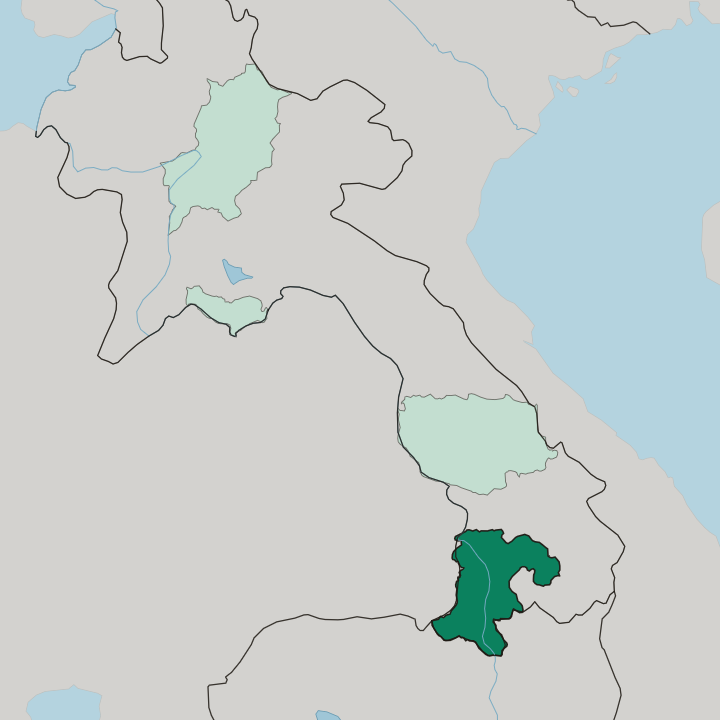
The Mekong runs through it. The river forms part of the boundary with Thailand to the west, then widens in the south into Si Phan Don, the braided reach of channels and islands that carries the water on into Cambodia. Champasak covers a wide block of ground.
Salavan province lies to the north, Sekong to the north-east and Attapeu to the east, so the province meets both the river lowland and the upland country behind it. Borders here are water and forest. Pakse anchors the settled part.
The provincial capital stands on the Mekong and works as the hub for traffic moving between the Thai border, the southern islands and the temple ground at Champasak. Downstream the land flattens toward Cambodia. The old town of Champasak, which gave both the province and the former kingdom their name, sits within reach of the Khmer sites that UNESCO inscribed as a cultural landscape.
Si Phan Don closes the province. The channels split and rejoin around low wooded islands there, and the Cambodian frontier runs somewhere among them rather than along any single line of bank. Water, not road, organises the map.
What is Champasak like?
Two eras share this ground. Khmer builders raised the sanctuaries that UNESCO later inscribed as the Champasak Cultural Landscape, and the Lao principality that took the name of Champasak grew up around the same stretch of the Mekong centuries afterwards. The name travelled outward.
Champasak town gave its name first to a kingdom and then to the province, so the word covers a settlement, a former state and an administrative unit at once. Lao is the language of the province. Pakse carries the working life.
As the provincial capital it holds the offices, the markets and the transport that the temple sites and the river islands do not, which makes it the place where most visitors meet the province before they see it. The border trade shapes the mix. Thailand faces the province across the Mekong and Cambodia adjoins it downstream, and both frontiers have long carried people and goods through Champasak rather than around it.
Si Phan Don keeps its own rhythm. Life among those islands turns on boats and water levels rather than on roads. The temples remain the anchor.
Whatever else Champasak is known for, the Khmer ruins inscribed as a World Heritage Site draw attention from well beyond the Mekong lowland.
What is the history of Champasak?
Lan Xang broke into three. Champasak was one of the principalities that succeeded that kingdom, and the state it became took its seat at the town of Champasak on the Mekong before the name passed to the modern province. The Khmer work came earlier.
The temple sites now grouped as the Champasak Cultural Landscape were built long before the Lao kingdoms, and their inscription by UNESCO records that older layer. Pakse holds the capital.
What is the climate of Champasak?
The Mekong sets the calendar. Monsoon rain swells the river that borders Thailand and threads Si Phan Don, so channel widths, island edges and the look of the lowland shift across the year rather than holding still. Dry months pull the water back.
Champasak lies low along the Mekong between Thailand and Cambodia, and that setting puts the year's real division between wet and dry rather than between warm and cold.
How do you get to Champasak?
Pakse is the arrival point. Roads through the provincial capital connect the Mekong crossing toward Thailand with the run south to the Cambodian border, and most journeys into Champasak begin by reaching that hub first. The temple ground lies off that spine.
Champasak town is reached from Pakse down the river side, while Si Phan Don sits at the far southern end where boats take over from road transport. Salavan, Sekong and Attapeu adjoin overland.
Common questions
What is the best area to stay in Champasak?
Pakse: Arrivals wanting the Mekong hub and the transfer desks in one place. Champasak town: Early hours at the Khmer sanctuaries of the Champasak Cultural Landscape. Si Phan Don: Boat-served stays among the Mekong islands toward Cambodia.
Good for
More regions in Laos
Updated September 2026