Laos · Luang Prabang Province
Where to Stay in Luang Prabang, Luang Prabang Province
Luang Prabang is a town of northern Laos on the Mekong, the kingdom's old royal capital, a world-heritage place of gold-roofed temples and morning alms.
Hotel links are affiliate links: booking through them may earn us a commission, at no extra cost to you. It never affects how places are ranked. How this works


Where to stay in Luang Prabang
Where the beds are, and what that means for the visit.
Where you stay in Luang Prabang turns on the old town or the rivers. The peninsula between the Mekong and the Nam Khan keeps the wats, the night market, and the palace within a walk, and staying in the old town suits anyone here for the temples. The rivers slide by below.
Monks pass at first light. Out beyond the peninsula, the town gives way to the riverside lodges, the hill views, and the road to the Kuang Si falls. A room out of the centre trades the lanes for the quiet banks, the green hills, and the pools of the waterfall.
The Mekong runs on to the south. Stay in the old town for the wats, or out for the river. The gold roofs and the two rivers hold the royal town.
Find hotels in Luang Prabang
Direct booking searches for these neighbourhoods.
The old town
On the peninsulaFind hotels in The old townStays wanting the falls and hillsAlong the rivers
Beyond the centreFind hotels in Along the riversHotel links are affiliate links: booking through them may earn us a commission, at no extra cost to you. It never affects how places are ranked. How this works
About Luang Prabang
Luang Prabang is the royal town of the Laos hills.
What is Luang Prabang known for?
Where the Nam Khan joins the Mekong in the north of Laos, it reigned for centuries as a royal seat, and it keeps the golden monastery of Wat Xieng Thong, the dawn procession of monks gathering alms, the hill of Phousi above the roofs, and the turquoise falls of Kuang Si in the forest. The two rivers slide past the temples. Saffron robes cross the streets at dawn.
What are the main landmarks in Luang Prabang?
Wat Xieng Thong is the pride of Luang Prabang. The golden monastery by the Mekong, its roofs sweeping almost to the ground, is the emblem of the town, downtown. A hill crowns the centre.
Mount Phousi rises with its stupa over the roofs nearby, while the royal palace, the Kuang Si falls, and the caves of Pak Ou mark the country around Luang Prabang.
What is the history of Luang Prabang?
Luang Prabang was the cradle of Laos. In the fourteenth century the kings of Lan Xang, the land of a million elephants, ruled their realm from this bend of the Mekong, and the town filled with temples and palaces. A sacred image gave the town its name.
The kingdom took its name from the Prabang, a golden Buddha brought from the Khmer, and the image became the soul of the royal city. The French kept the old kings. In colonial days France ruled Laos but left the monarchy at Luang Prabang, and the town drowsed on above its rivers.
The temples held the faith. Down the centuries the monks kept the wats and the dawn alms-round, and the town guarded its shrines through war and change, so Luang Prabang held its temples, its palace, and its sacred hill. The bells still ring from the wats.
Luang Prabang keeps its royal town on the Mekong.
Where is Luang Prabang?
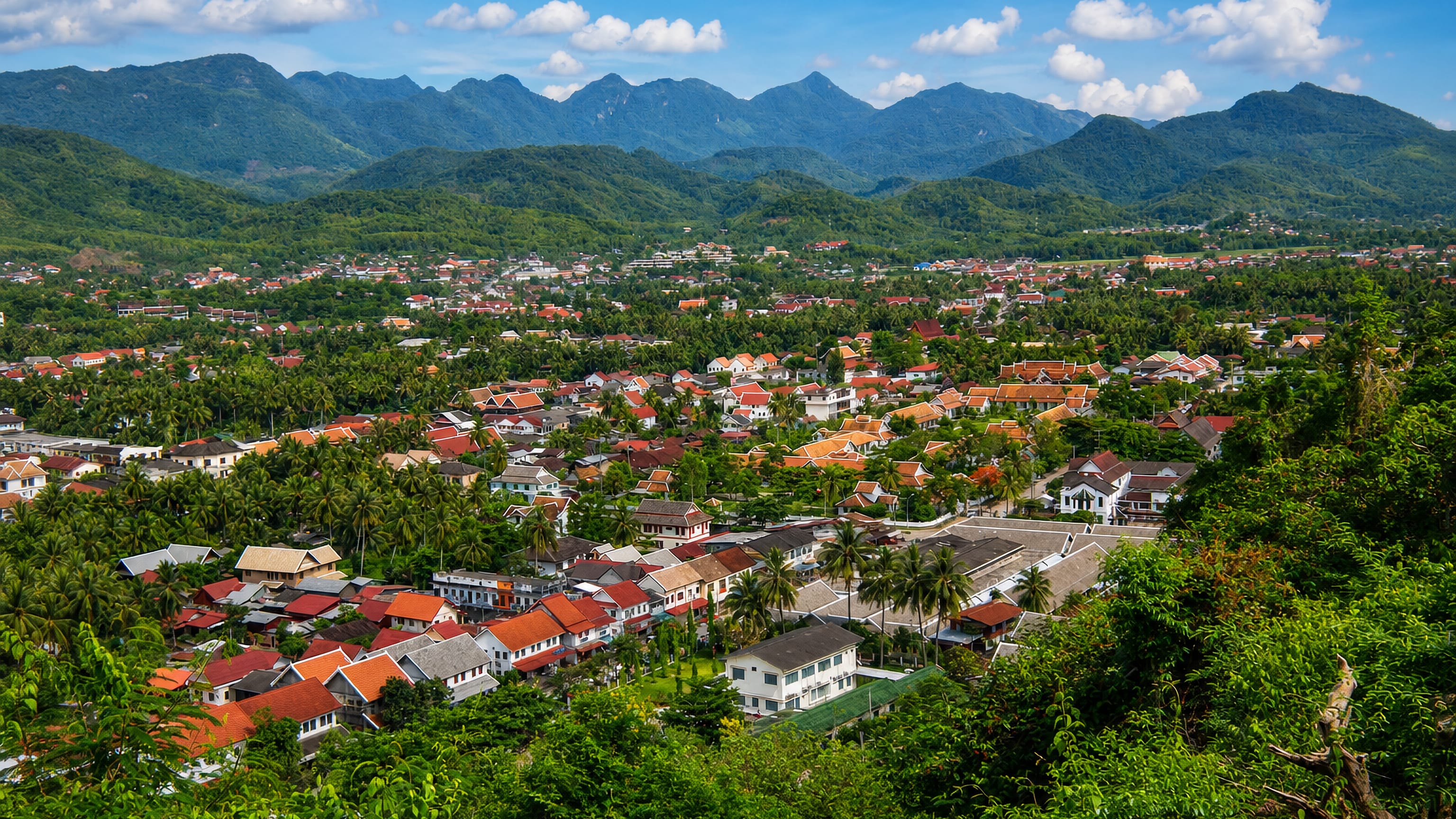
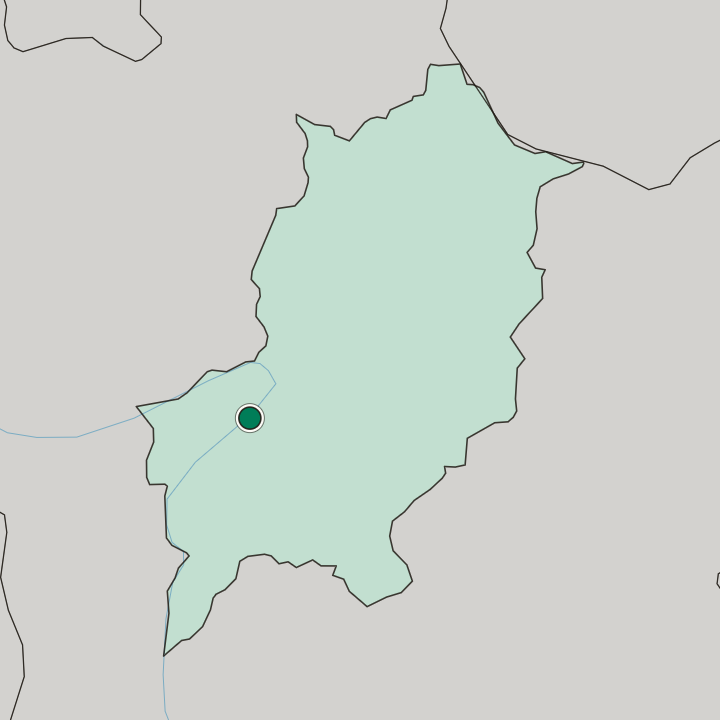
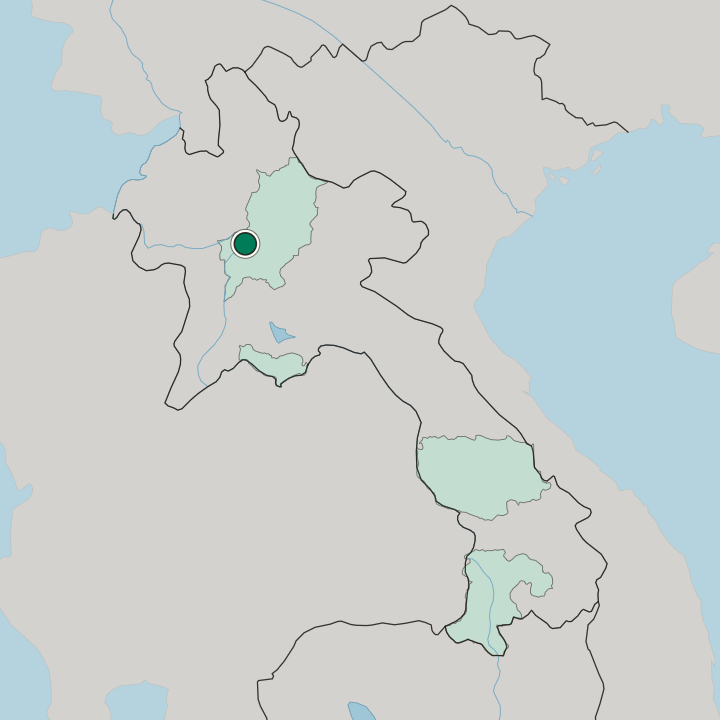
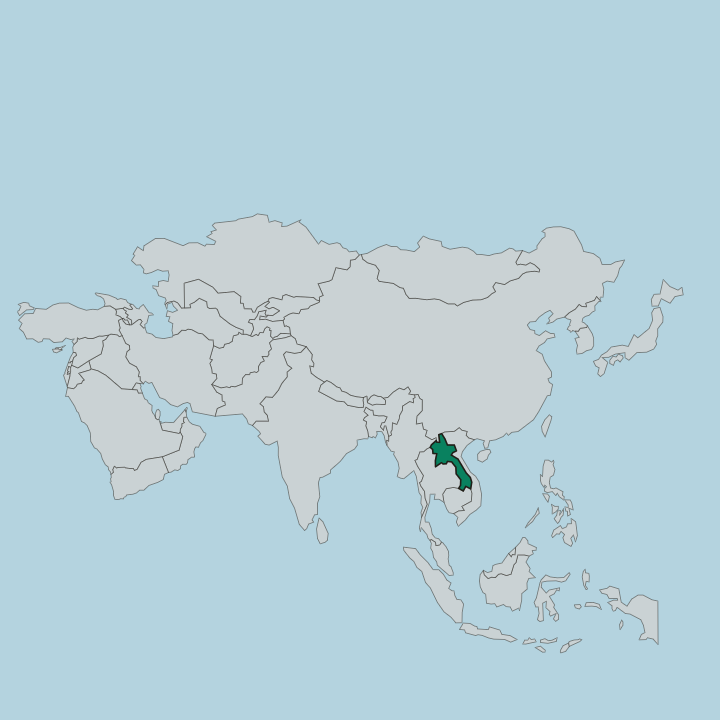
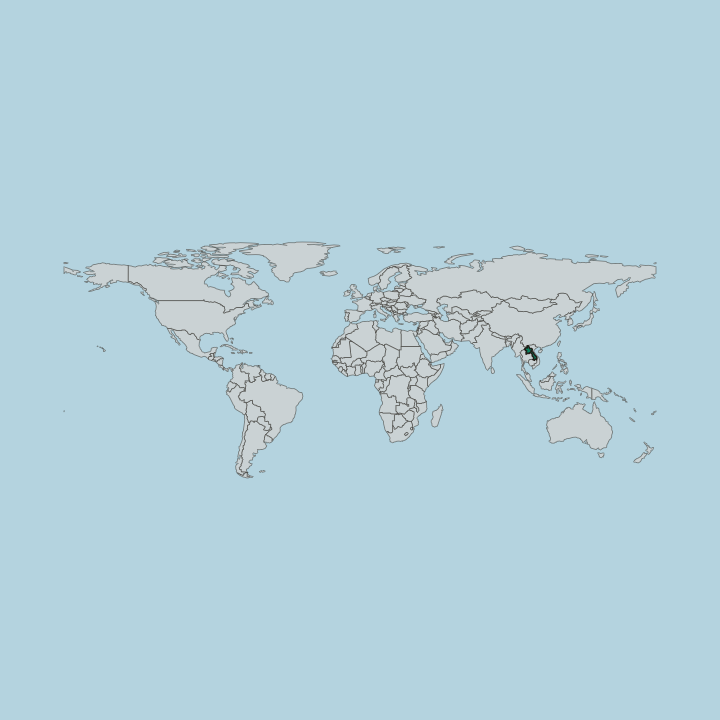
Luang Prabang lies in the north of Laos, in the mountains along the Mekong. The town sits on a tongue of land where the Nam Khan runs into the great river, ringed by green forested hills, in a bowl of the northern highlands, with the Mekong curving past and Mount Phousi rising in the middle of the streets. The brown river slides below.
Forested hills wall the valley.
What is the climate of Luang Prabang?
Luang Prabang has a warm, tropical monsoon climate. Hot wet summers and mild dry winters cross the hills, with heavy monsoon rains from May and cool misty mornings in the dry months. The rains swell the rivers.
Cool mist fills the valley at dawn.
How do you get to Luang Prabang?
Luang Prabang lies in the north of Laos, up the Mekong from the capital. Flights land from Vientiane and Bangkok, and a new fast railway runs down from the Chinese border. Boats come up the river.
Vientiane lies south down the Mekong.
Common questions
What is the best area to stay in Luang Prabang?
The old town: Visitors here for the wats and market. Along the rivers: Stays wanting the falls and hills.
Good for
Updated September 2026