Lebanon · Mohafazat Liban-Nord
Where to Stay in Tripoli, Mohafazat Liban-Nord
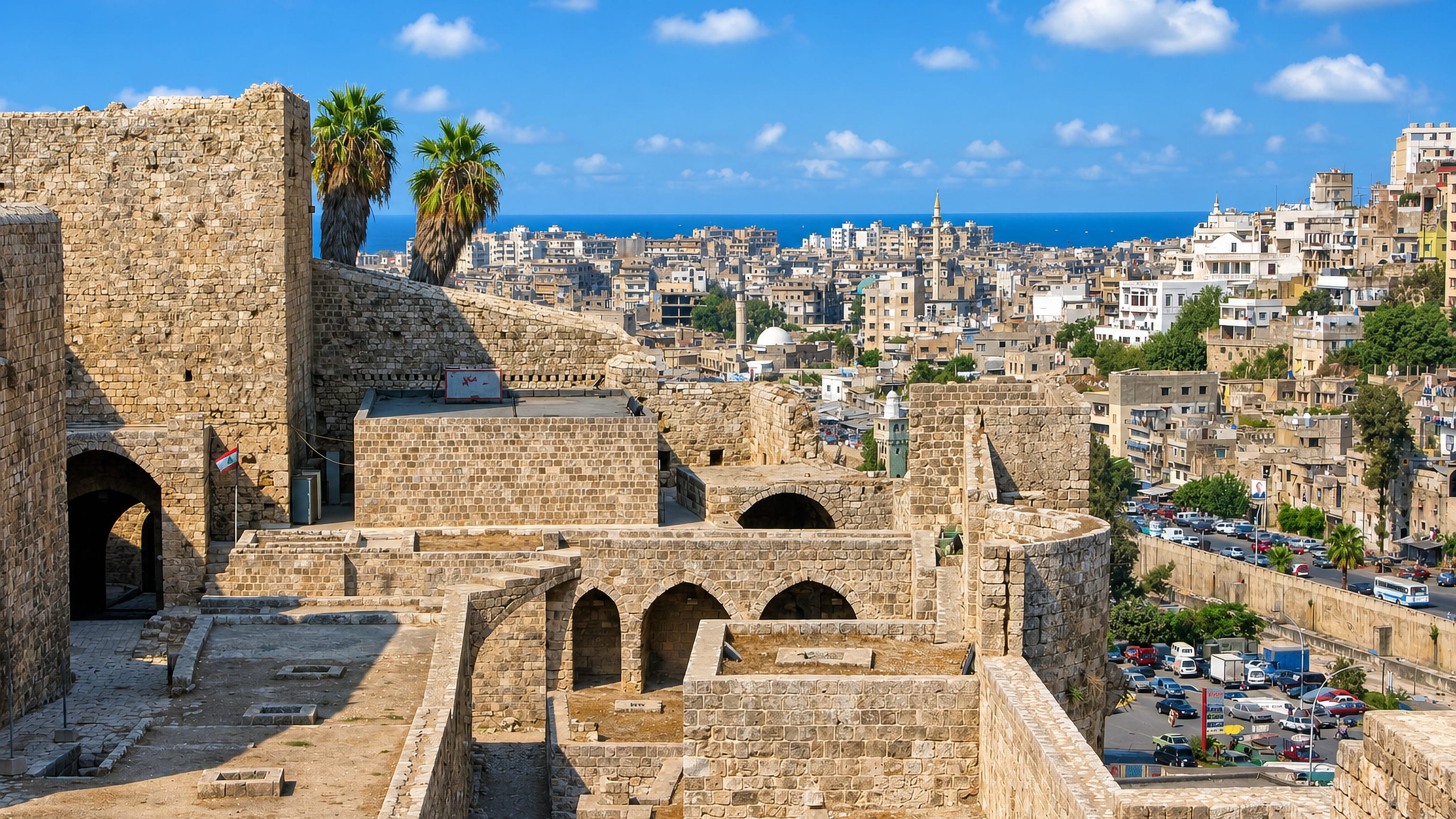
The Crusader citadel looks down on Tripoli, a Mediterranean harbour city in North Lebanon, known for Qalaat Saint Gilles and its old cathedrals.
Hotel links are affiliate links: booking through them may earn us a commission, at no extra cost to you. It never affects how places are ranked. How this works


Where to stay in Tripoli
Where the beds are, and what that means for the visit.
Tripoli splits its lodging between the old town below Qalaat Saint Gilles and the harbour quarter of El Mina down at the water. The old town packs its souks, mosques, and churches around the foot of the citadel, close to the St. George Greek Orthodox Cathedral and the St. Michael Maronite Cathedral. The old core suits history-minded stays.
It puts the medieval streets, the citadel climb, and the covered markets within walking distance of one another. El Mina is the seaward half of the city. Down here the promenade runs along the Mediterranean, and the fish restaurants and cafes look out toward the small islands off the coast.
Breezier. If you would rather wake to salt air than the bustle of the souks, a room in the harbour quarter trades the medieval density for the open shore. Whether you base near the old town or by the sea, the two halves of Tripoli sit close enough to move between the citadel, the cathedrals, and the waterfront across a single day.
Find hotels in Tripoli
Direct booking searches for these neighbourhoods.
Old town below the citadel
The streets under Qalaat Saint Gilles put the St. George Greek Orthodox Cathedral and the covered markets within a short walk.Find hotels in Old town below the citadelseafront rooms and fish restaurantsEl Mina harbour quarter
The El Mina promenade along the Mediterranean trades the souk density for salt air and views out to the small offshore islands.Find hotels in El Mina harbour quarterHotel links are affiliate links: booking through them may earn us a commission, at no extra cost to you. It never affects how places are ranked. How this works
Things to do in Tripoli
Ranked by global recognition; descriptions from Wikidata (CC0).
Churches & Religious Sites
3- كنيسة مار نقولا طرابلس
- St. George Greek Orthodox Cathedral, Tripoli, Lebanon
- St. Michael Maronite Cathedral
Castles & Historic Sites
2- Plain of Zgharta
- Qalaat Saint Gilles
worth knowingacross 2 categories in Tripoli
About Tripoli
What is Tripoli known for?
Tripoli is known as the main port and market city of North Lebanon, watched over by the Crusader-era Qalaat Saint Gilles on its hill above the old town. Church towers and harbour domes crowd its skyline. The St. George Greek Orthodox Cathedral and the St. Michael Maronite Cathedral serve the city's Christian communities, while the covered souks that wind below the citadel toward the sea carry the trade that has shaped the town for centuries.
Old markets fill the lanes. It has long been a trading centre on the Mediterranean coast.
What are the main landmarks in Tripoli?
The landmarks of Tripoli gather around the old town and the harbour. Qalaat Saint Gilles, the Crusader citadel, crowns the hill above the medieval quarter as the city's defining monument, its walls looking down over the tangle of souks and church towers that fill the streets below. Below it the St. George Greek Orthodox Cathedral and the St. Michael Maronite Cathedral anchor the Christian streets.
The Holy Pentecost church and the church of Mar Nikola add to the older places of worship. Down at the water sits El Mina. Its promenade leads out along the Mediterranean shore.
What is the history of Tripoli?
Tripoli is one of the oldest harbour towns of the Levant, a trading port on the Mediterranean coast of North Lebanon settled far back into antiquity. Waves of powers held it in turn. The name itself points to a city of three quarters, drawn together into a single Phoenician and later Hellenistic port that traded across the eastern sea.
The Crusaders left the deepest mark still standing. In the early twelfth century the Frankish counts raised Qalaat Saint Gilles on the hill above the town, and the castle gave its name and shape to the quarter that grew below it. Mamluk rulers who followed built the mosques, madrasas, and covered souks that fill the old town, laying out the market streets that survive around the citadel.
Christian communities kept their own churches through these centuries, among them the forerunners of the St. George Greek Orthodox Cathedral and the St. Michael Maronite Cathedral. The port at El Mina carried the city's trade out across the Mediterranean, and the layered old town of citadel, souks, and cathedrals remains the record of every era that ruled North Lebanon's coast.
Where is Tripoli?
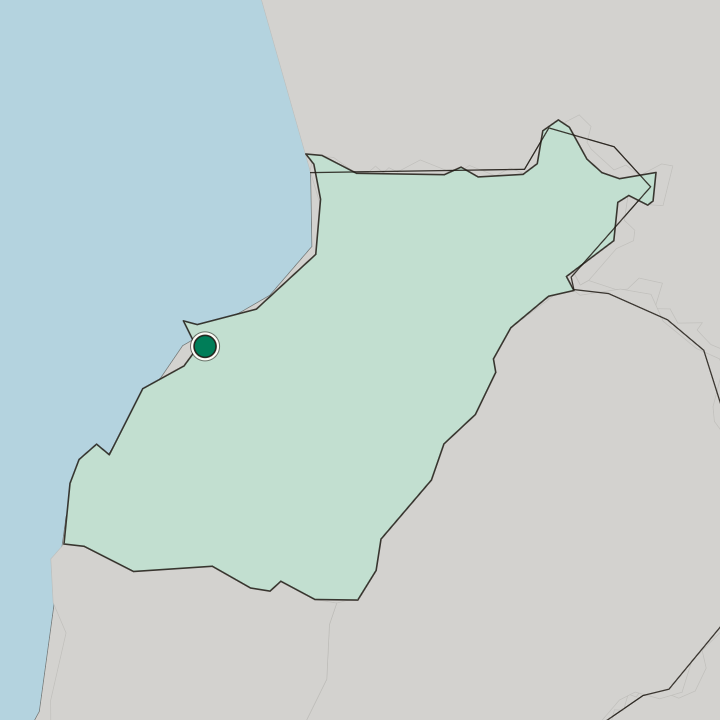
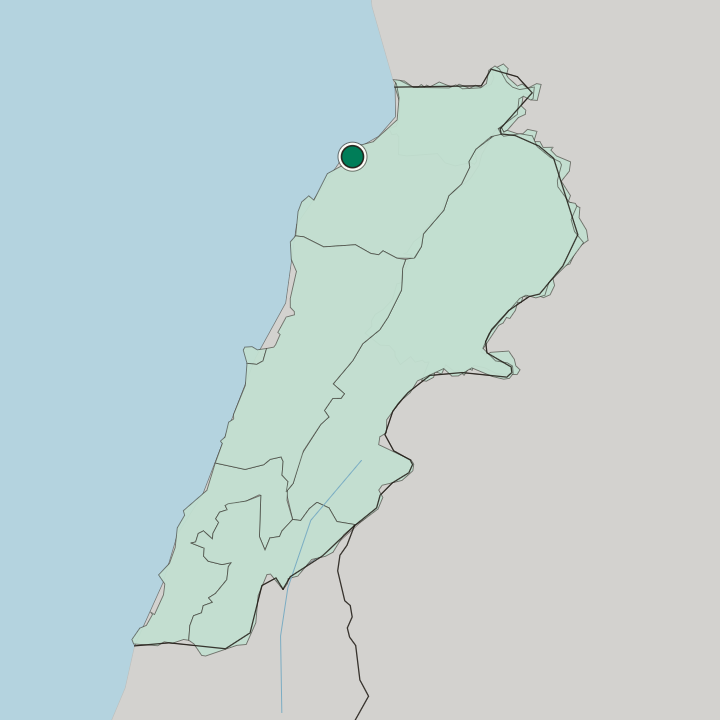
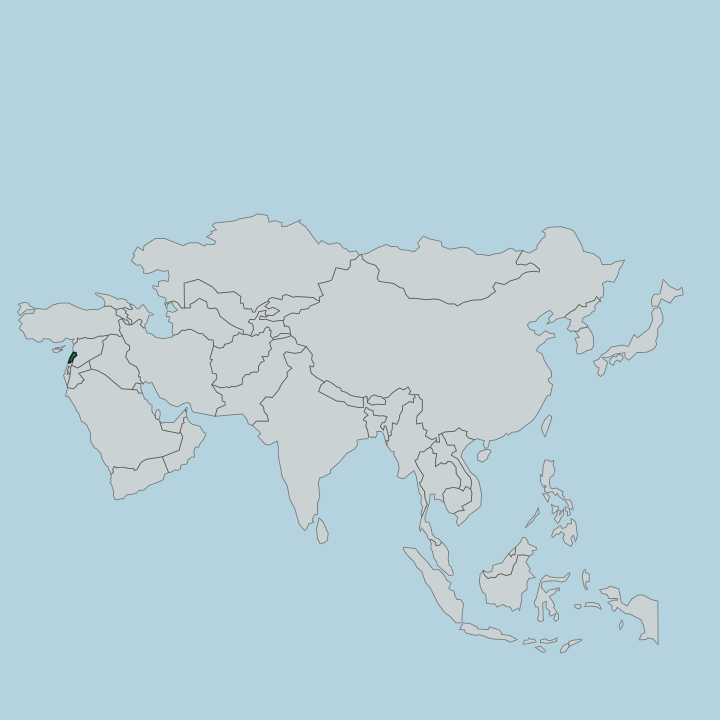
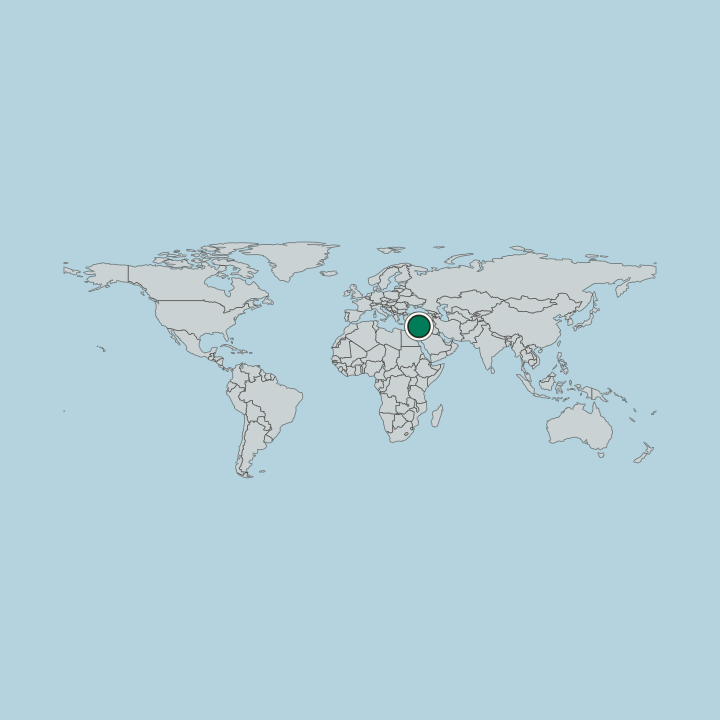
Tripoli sits on the Mediterranean coast of North Lebanon, where the coastal plain meets the sea below the western hills. The old town rises on a low rise around Qalaat Saint Gilles, a short way inland from the harbour quarter of El Mina at the water's edge. Small islands lie offshore.
Behind the city the land climbs toward the interior, and the fertile Plain of Zgharta spreads to the south and east. The setting is warm, coastal, and subtropical.
What is the climate of Tripoli?
Tripoli has a warm Mediterranean climate, softened by the sea along the coast of North Lebanon. Its summers stay hot and dry along the North Lebanon coast. Winters stay mild and wet, when most of the year's rain sweeps in off the sea and greens the Plain of Zgharta behind the city before the dry season returns.
Spring and autumn are warm and settled. Sea breezes ease the summer heat along the shore.
How do you get to Tripoli?
Tripoli lies on the main coastal corridor of North Lebanon, linked by highway down the Mediterranean shore to the rest of the country, with buses and shared taxis running the coast road that carries most arrivals into the city. Most travellers reach it by road. The harbour at El Mina handles sea traffic rather than passenger arrivals.
Once in town, the old quarter around Qalaat Saint Gilles is best explored on foot.
Common questions
What is the best area to stay in Tripoli?
Old town below the citadel: medieval souks and churches. El Mina harbour quarter: seafront rooms and fish restaurants.
Good for
Updated September 2026