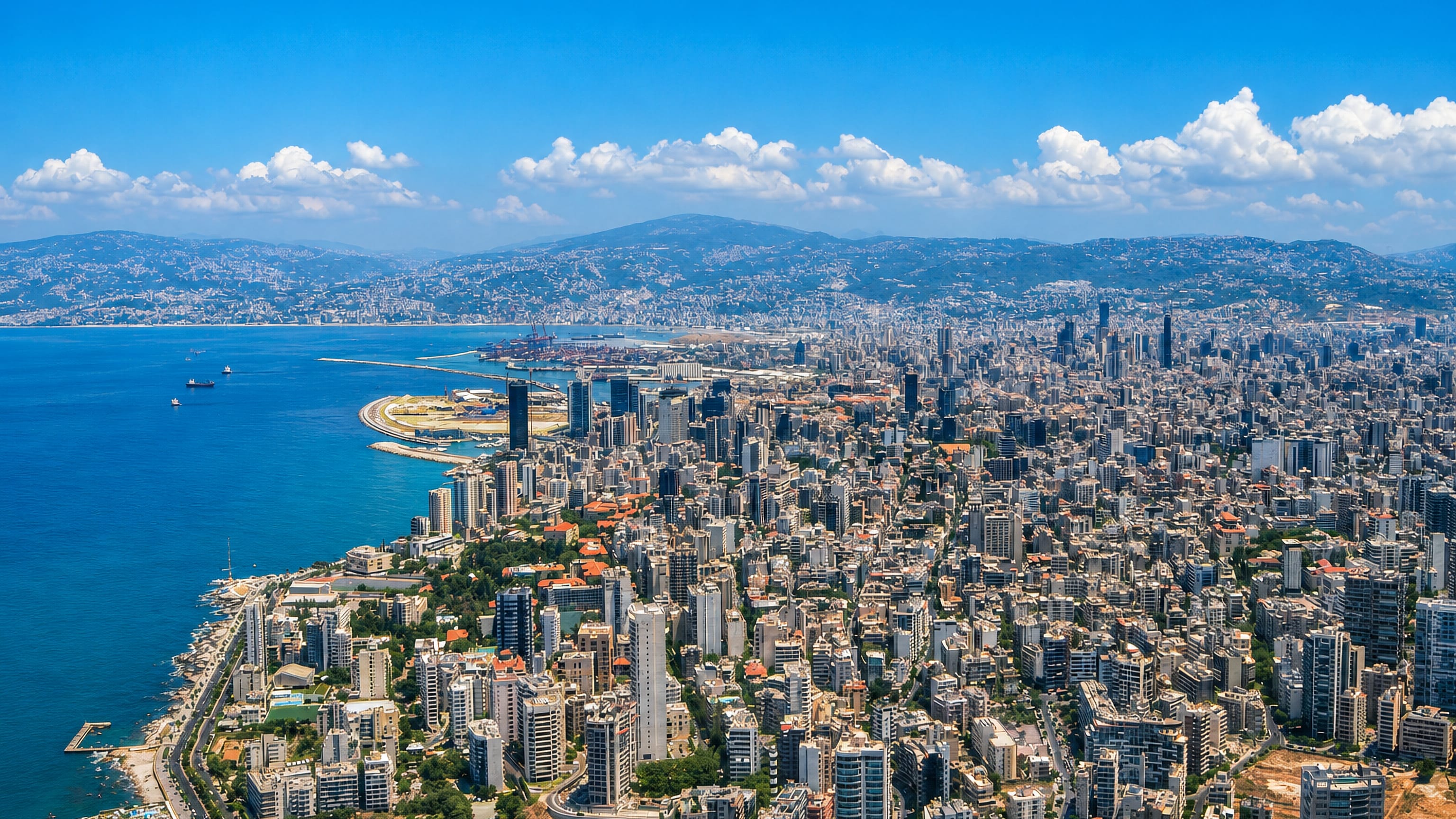
Lebanon: Regions, Cities & Travel Guide
The Mediterranean Sea washes the coast of Lebanon, a country of the Levant, known for its ancient history and its celebrated cuisine.
Hotel links are affiliate links: booking through them may earn us a commission, at no extra cost to you. It never affects how places are ranked. How this works


Top destinations in Lebanon
Cities to start from, then drill into areas and hotels.
 Lebanon
Beirut
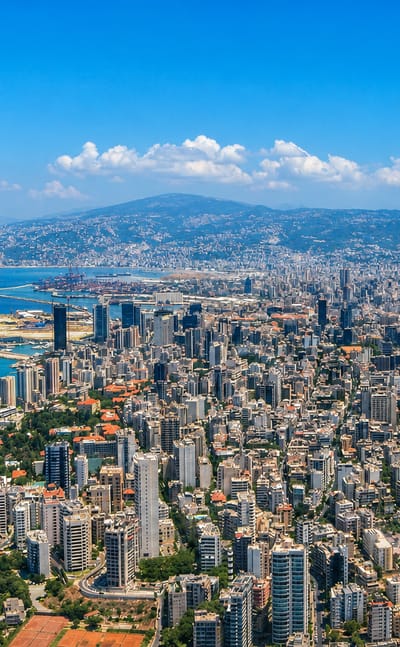
A headland juts into the Mediterranean at Beirut, the capital of Lebanon, known for the National Museum of Beirut and its Roman Baths.Where to stay →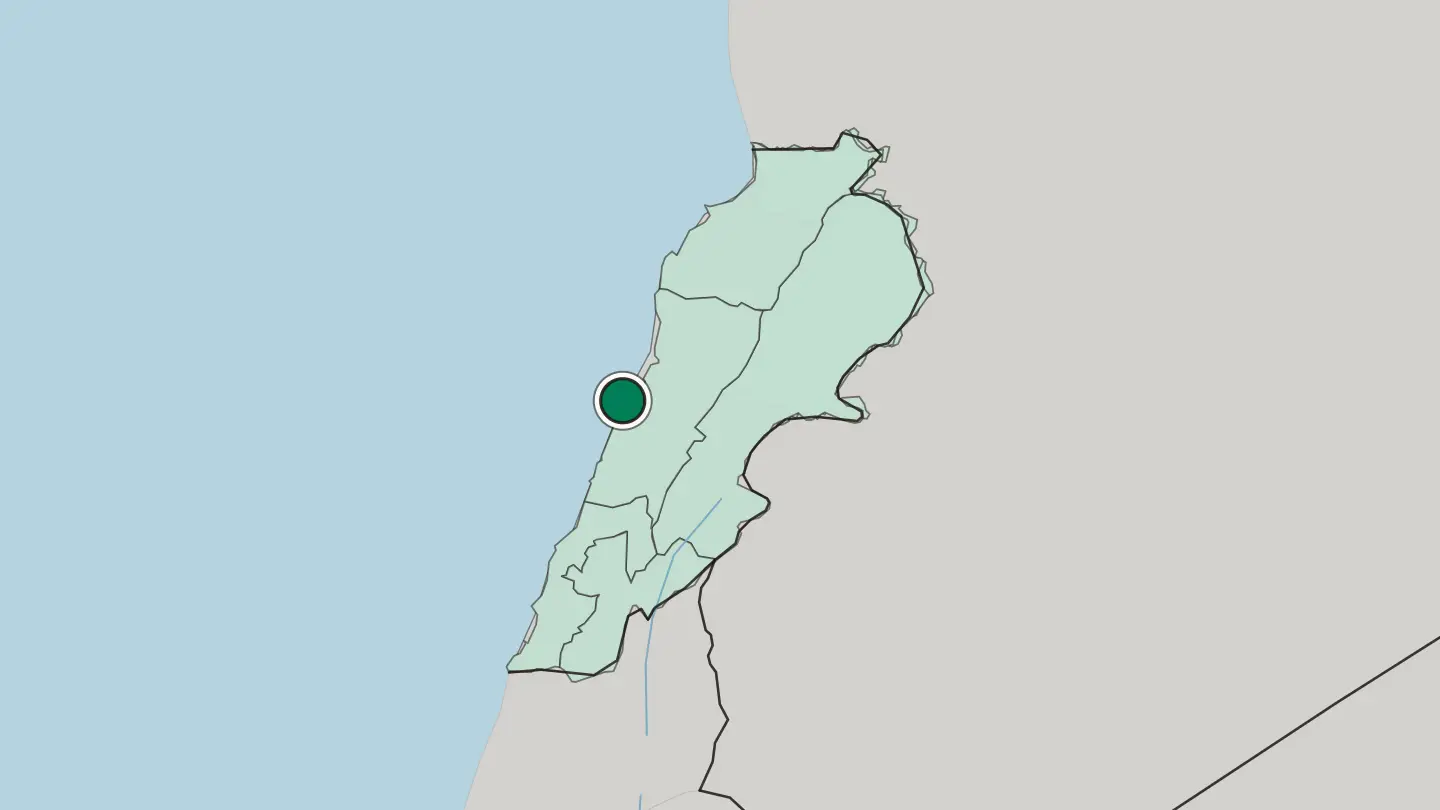
 Lebanon
Tyre
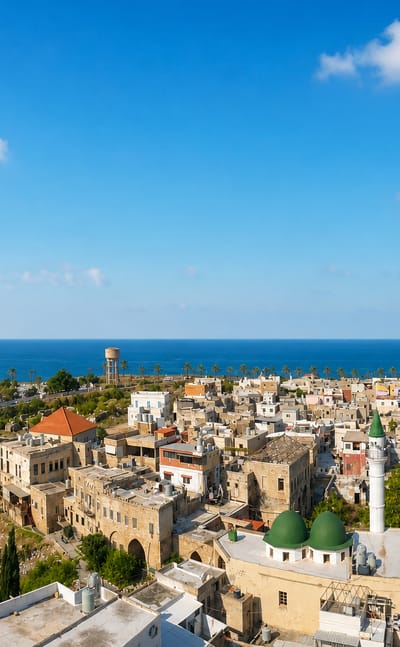
Roman columns line the shore at Tyre, a Mediterranean city on a peninsula in southern Lebanon, known for its Tyre Hippodrome and clean beaches.Where to stay →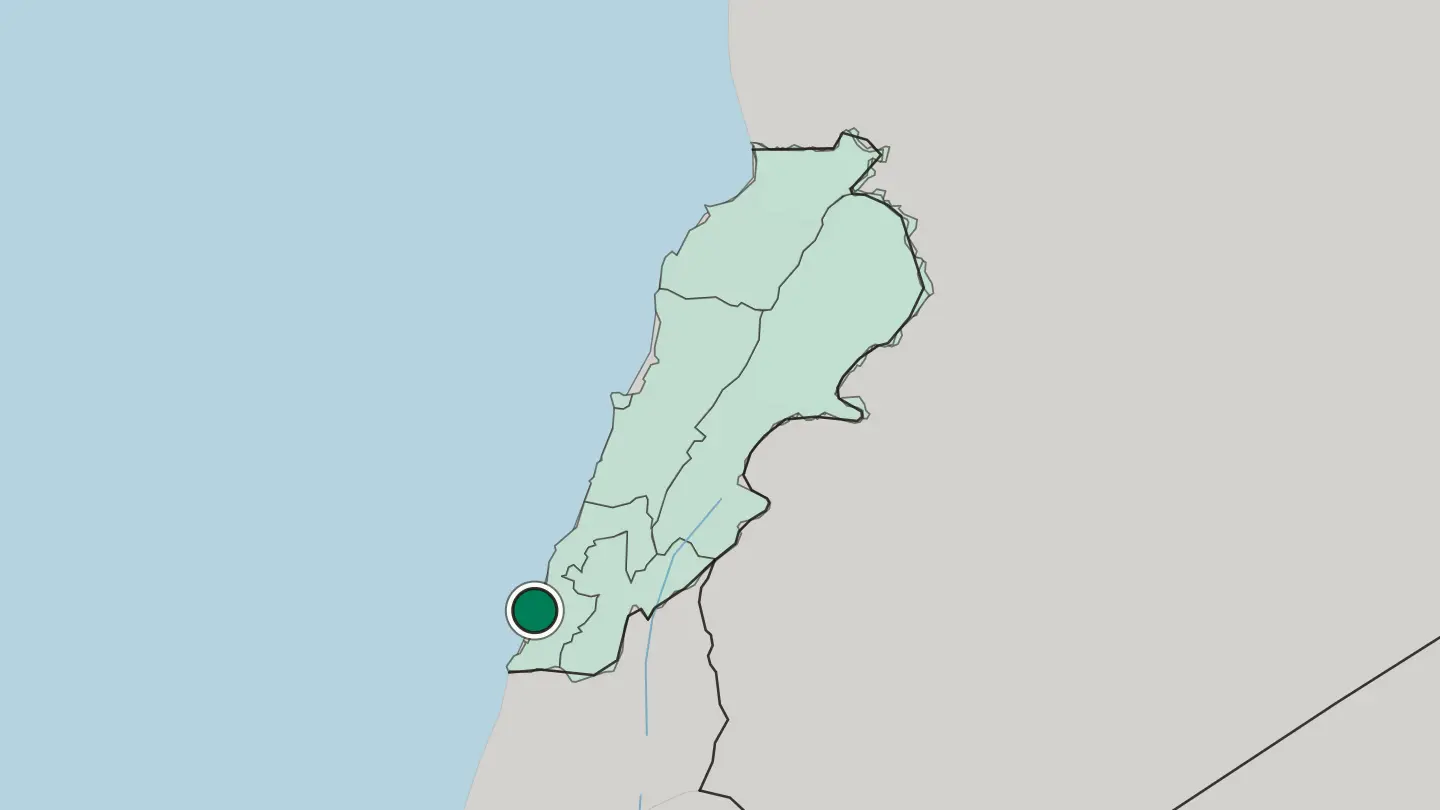
 Lebanon
Tripoli
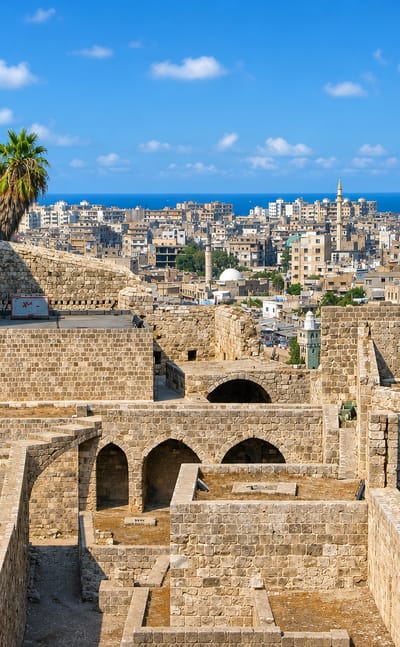
The Crusader citadel looks down on Tripoli, a Mediterranean harbour city in North Lebanon, known for Qalaat Saint Gilles and its old cathedrals.Where to stay →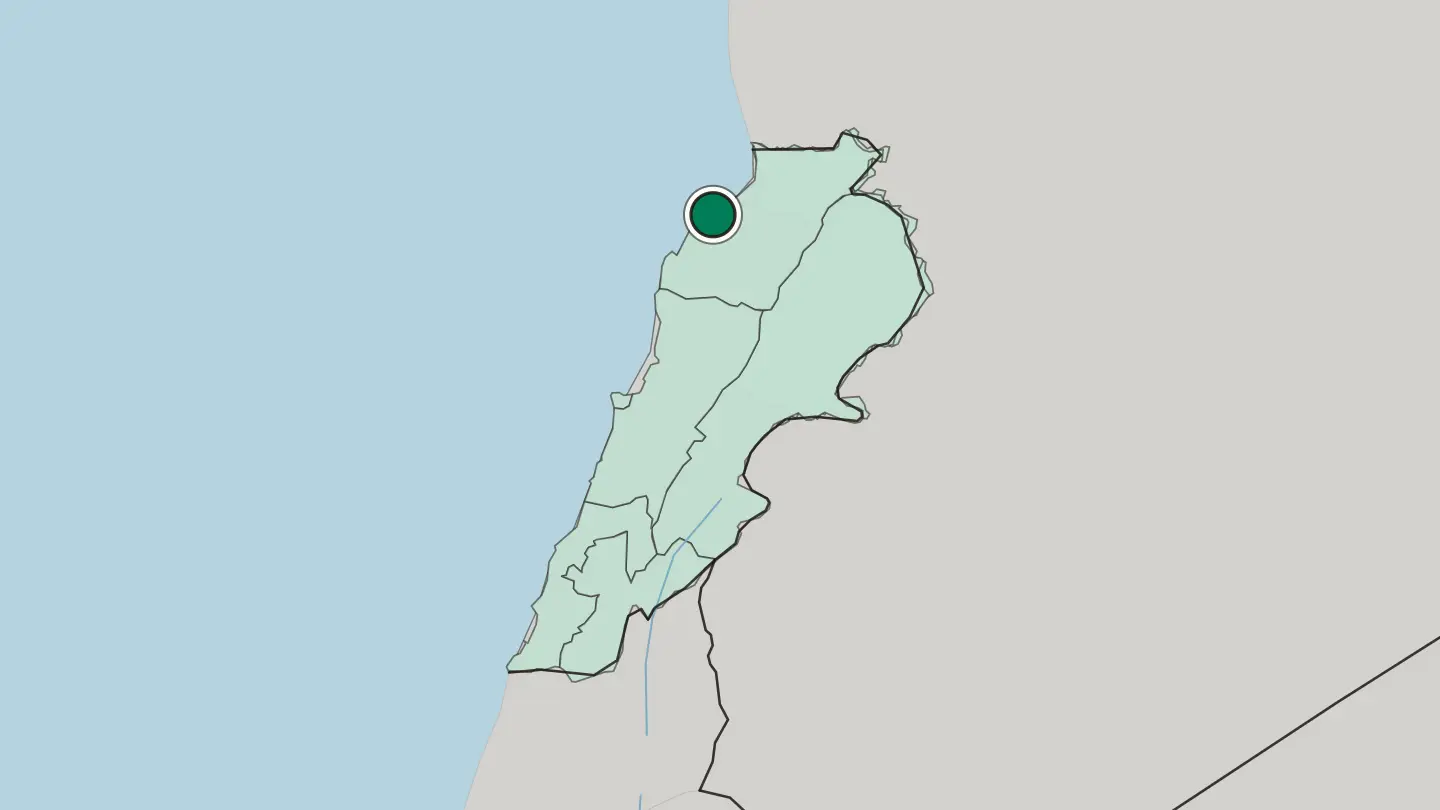
 Lebanon
Sidon
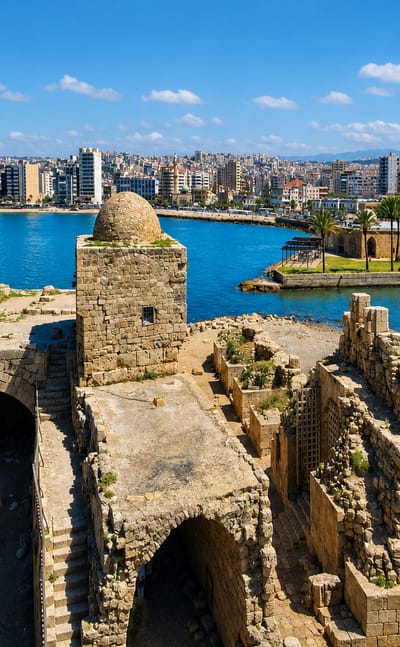
The Sea Castle stands on its islet off Sidon, an ancient Phoenician port on the coast of South Lebanon, known for the Temple of Eshmun and its old souks.Where to stay →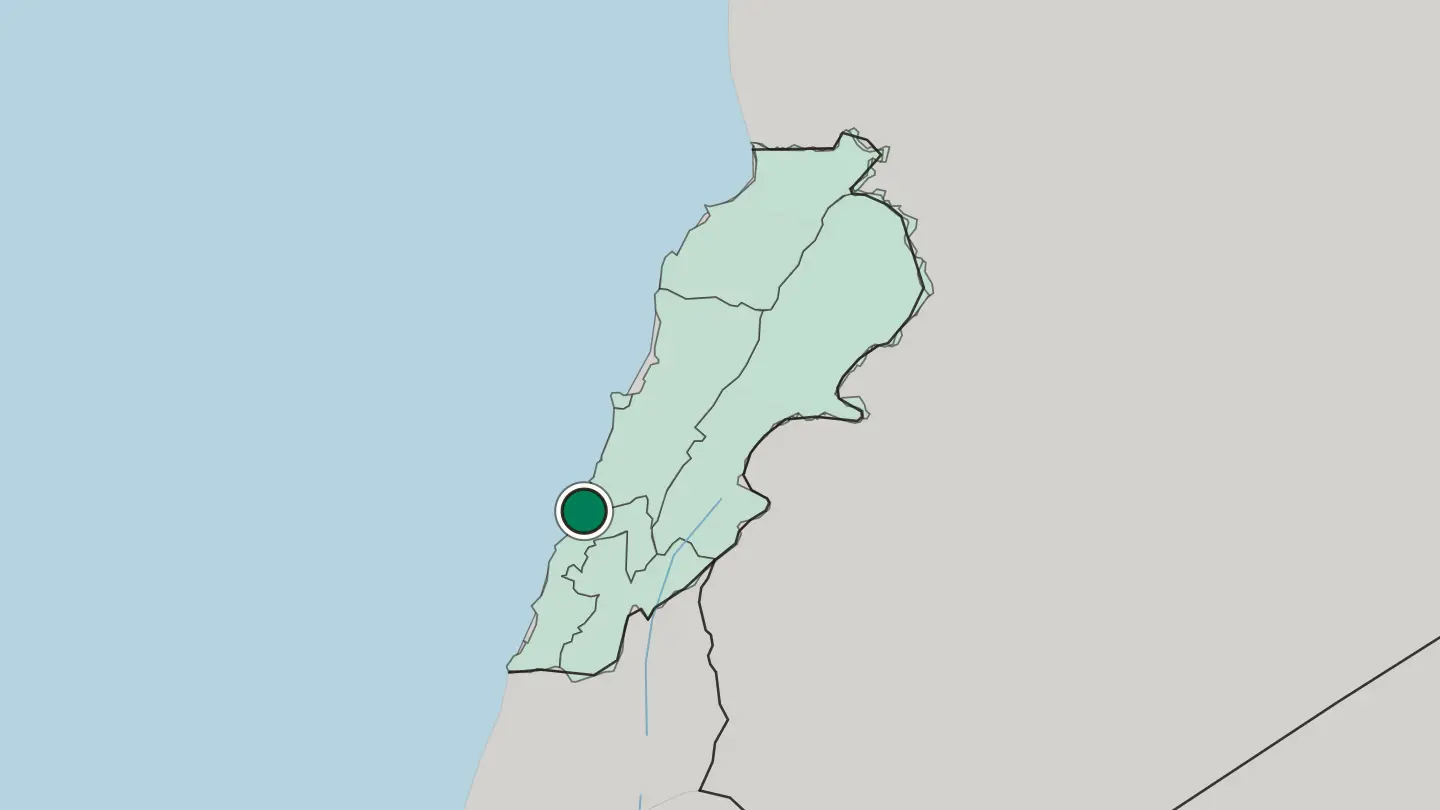
 Lebanon
Zahlé
Zahlé is a hillside city in the Bekaa Valley of Lebanon, known as the bride of the Bekaa and a city of wine and poetry.Where to stay →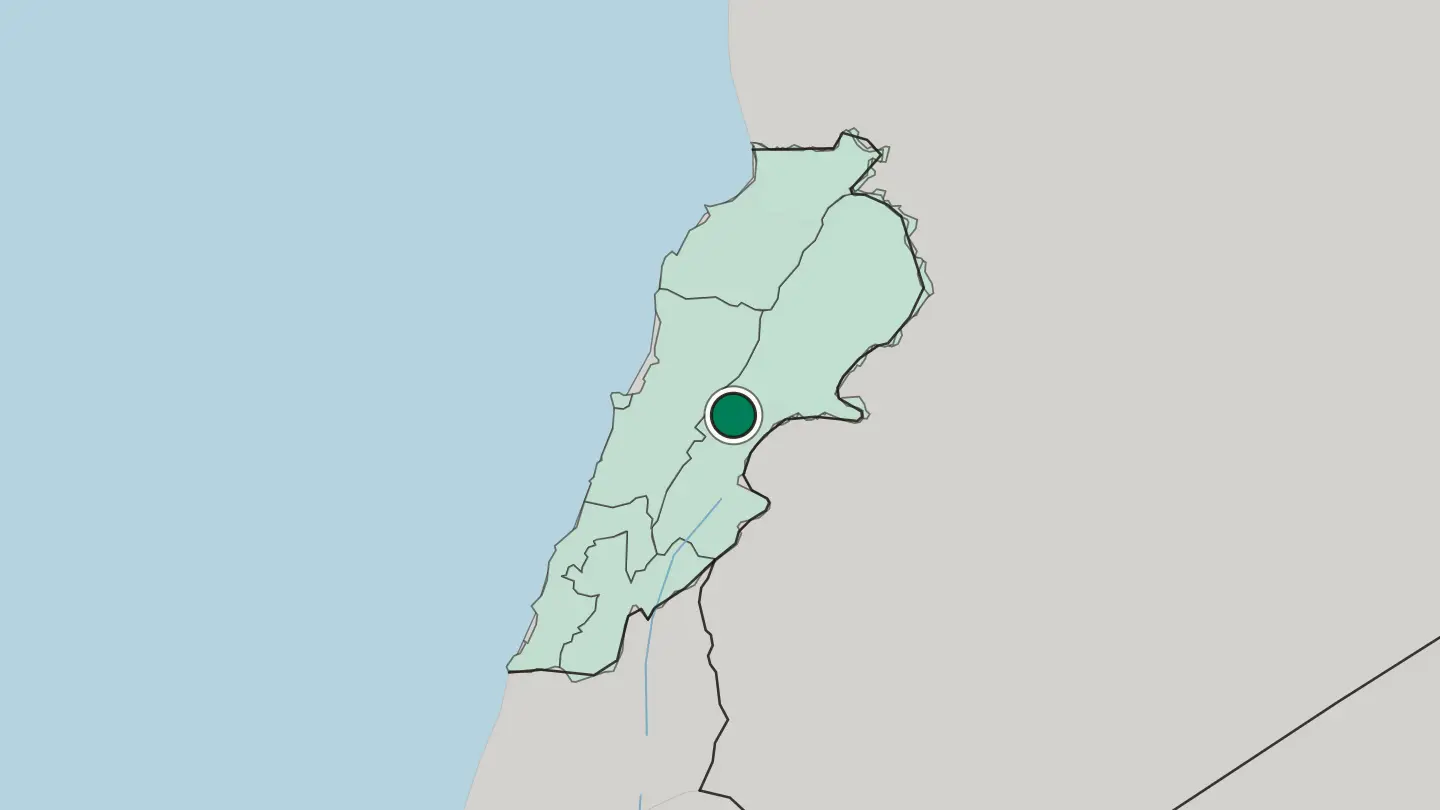
 Lebanon
Nabatîyé et Tahta
Nabatîyé et Tahta is the largest city of the Nabatieh Governorate and the principal town of Lebanon's Jabal Amil region, about 73 km south of Beirut.Where to stay →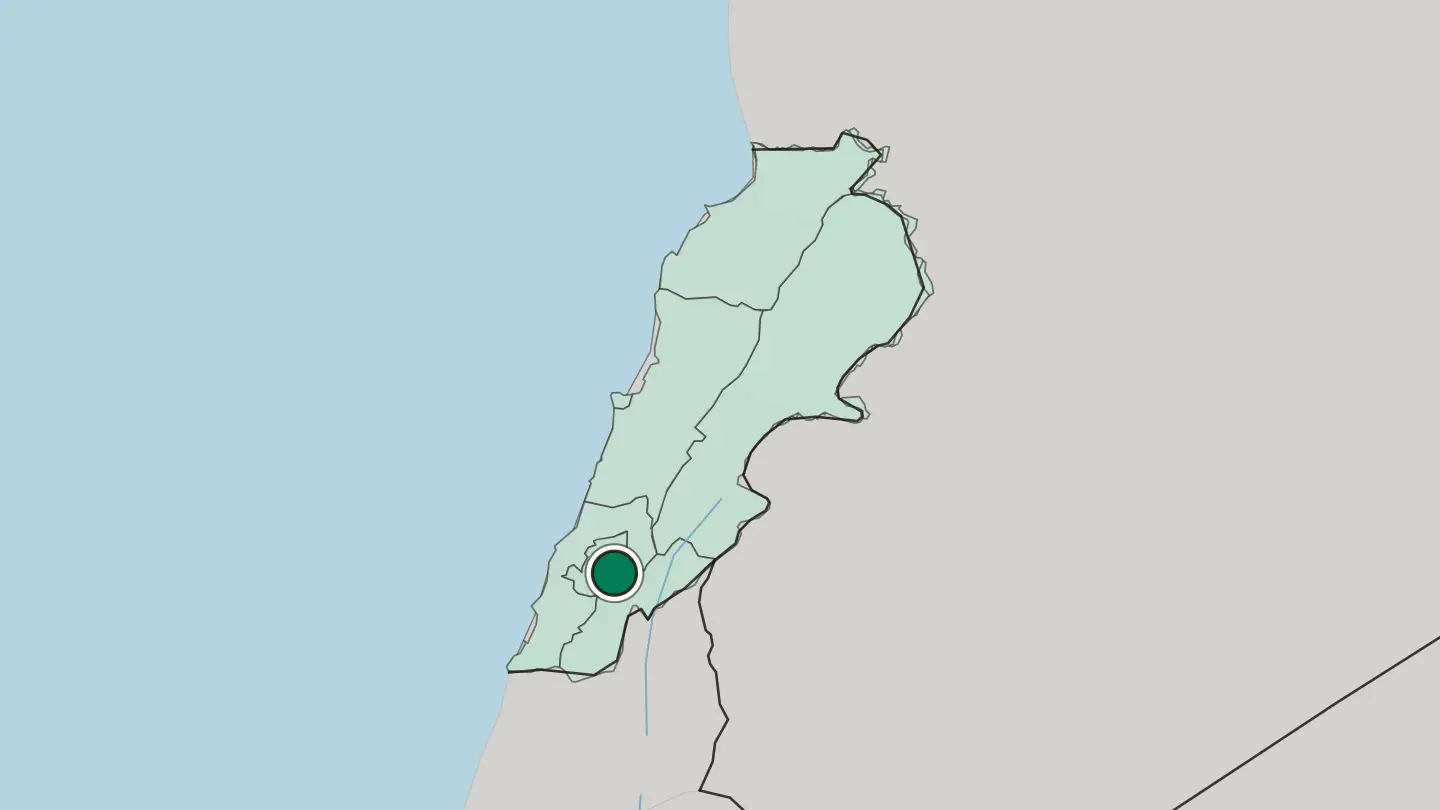 Lebanon
Aley
Aley is the fourth largest city in Lebanon and the seat of the Aley District, an administrative centre inside Mohafazat Mont-Liban.Where to stay →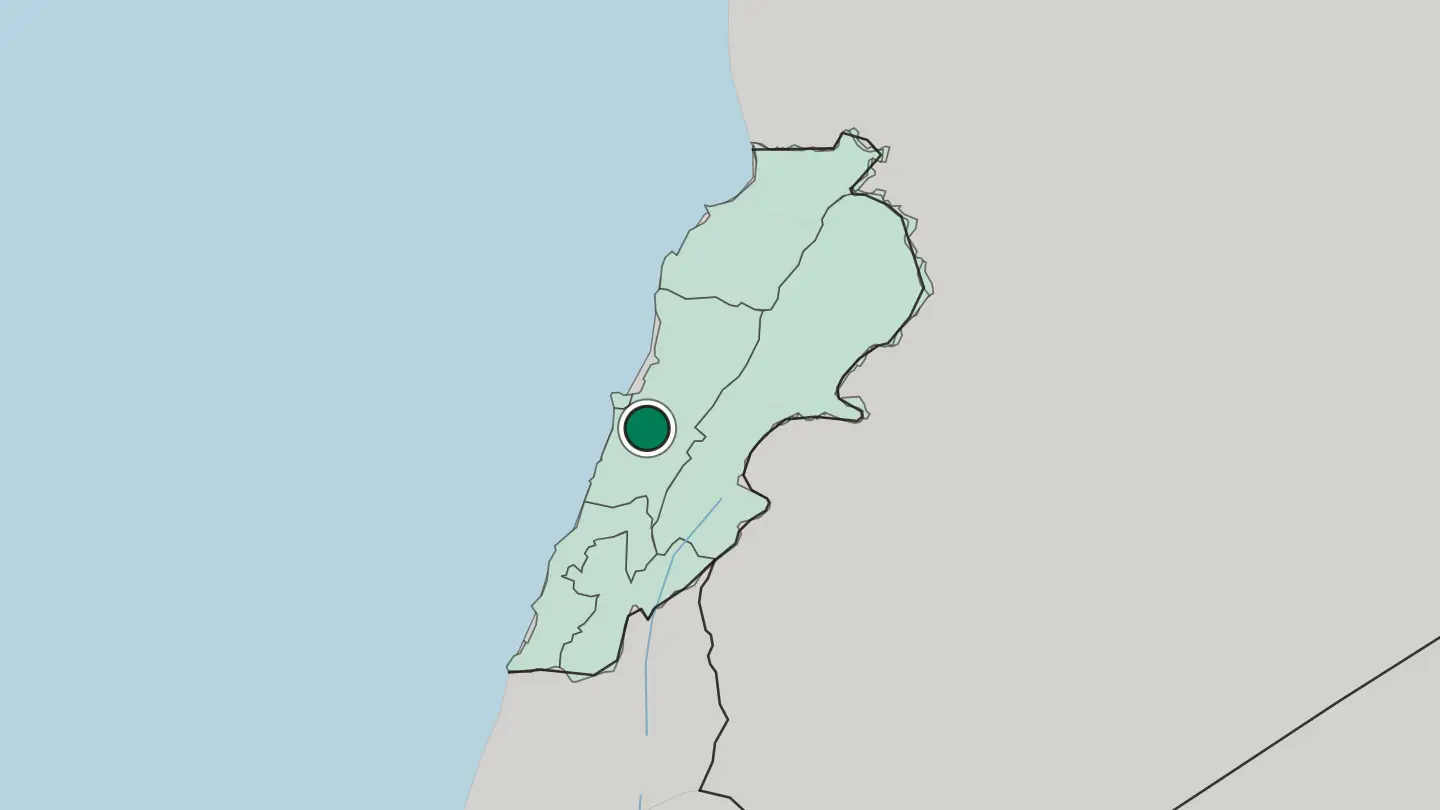
Hotel links are affiliate links: booking through them may earn us a commission, at no extra cost to you. It never affects how places are ranked. How this works
Regions of Lebanon
Lebanon
Beyrouth
Beyrouth is the governorate around Beirut, the capital of Lebanon, set on a peninsula reaching into the Mediterranean Sea.Towns & cities →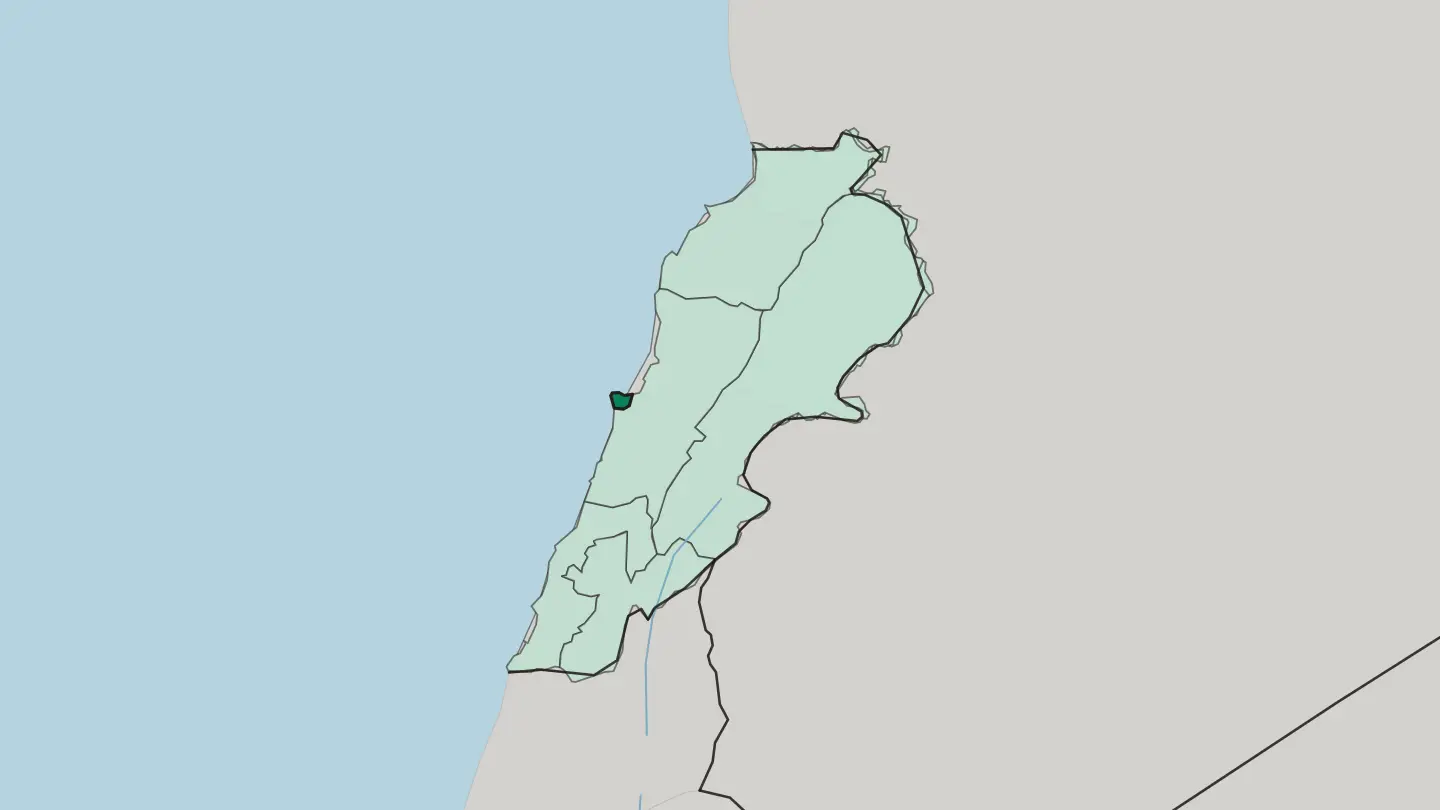 Lebanon
Mohafazat Aakkâr
Akkar is Lebanon's northernmost governorate, a fertile coastal plain rising to forested mountains along the Syrian border.Towns & cities →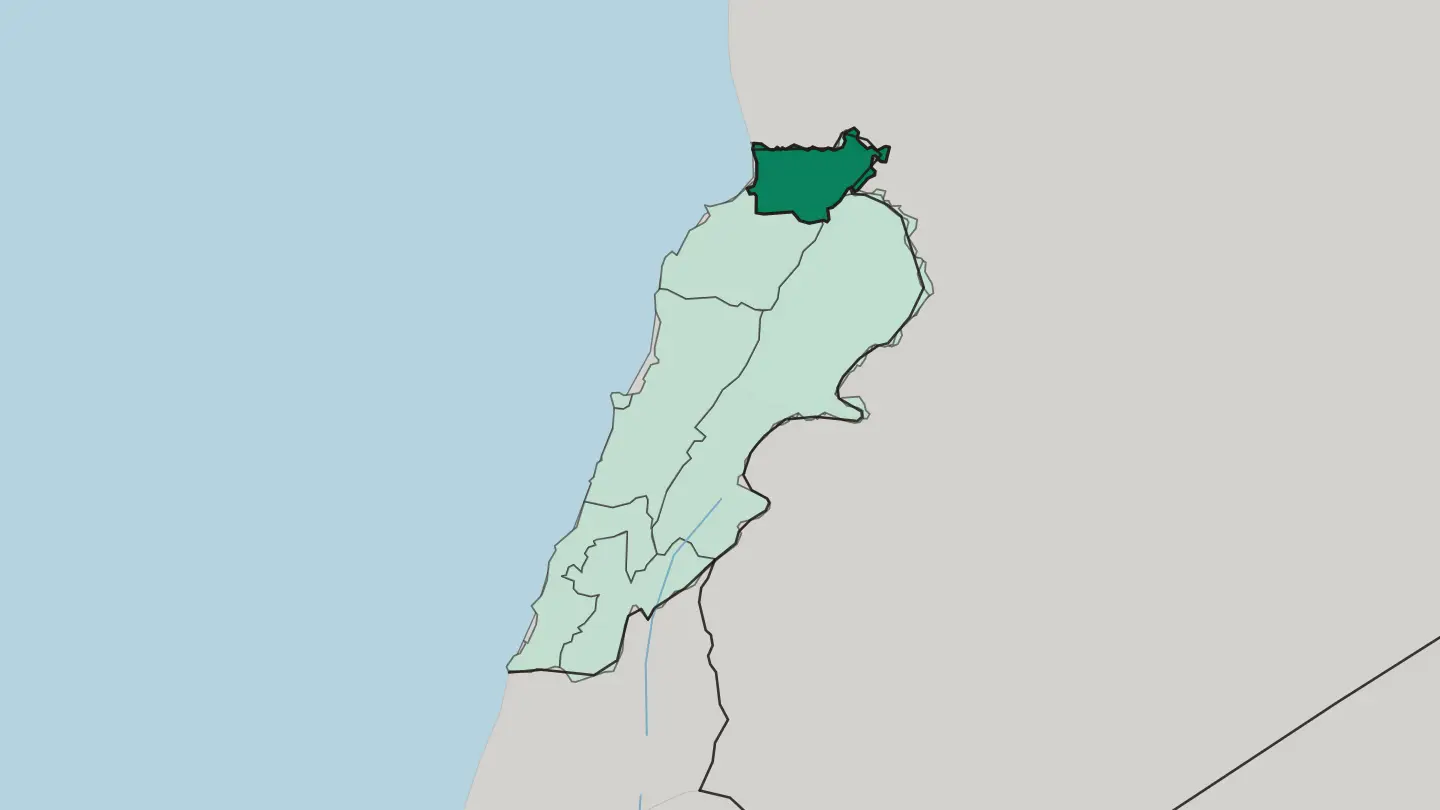 Lebanon
Mohafazat Baalbek-Hermel
Baalbek-Hermel is Lebanon's largest governorate, holding the Roman temples of Baalbek and the northern Beqaa Valley.Towns & cities →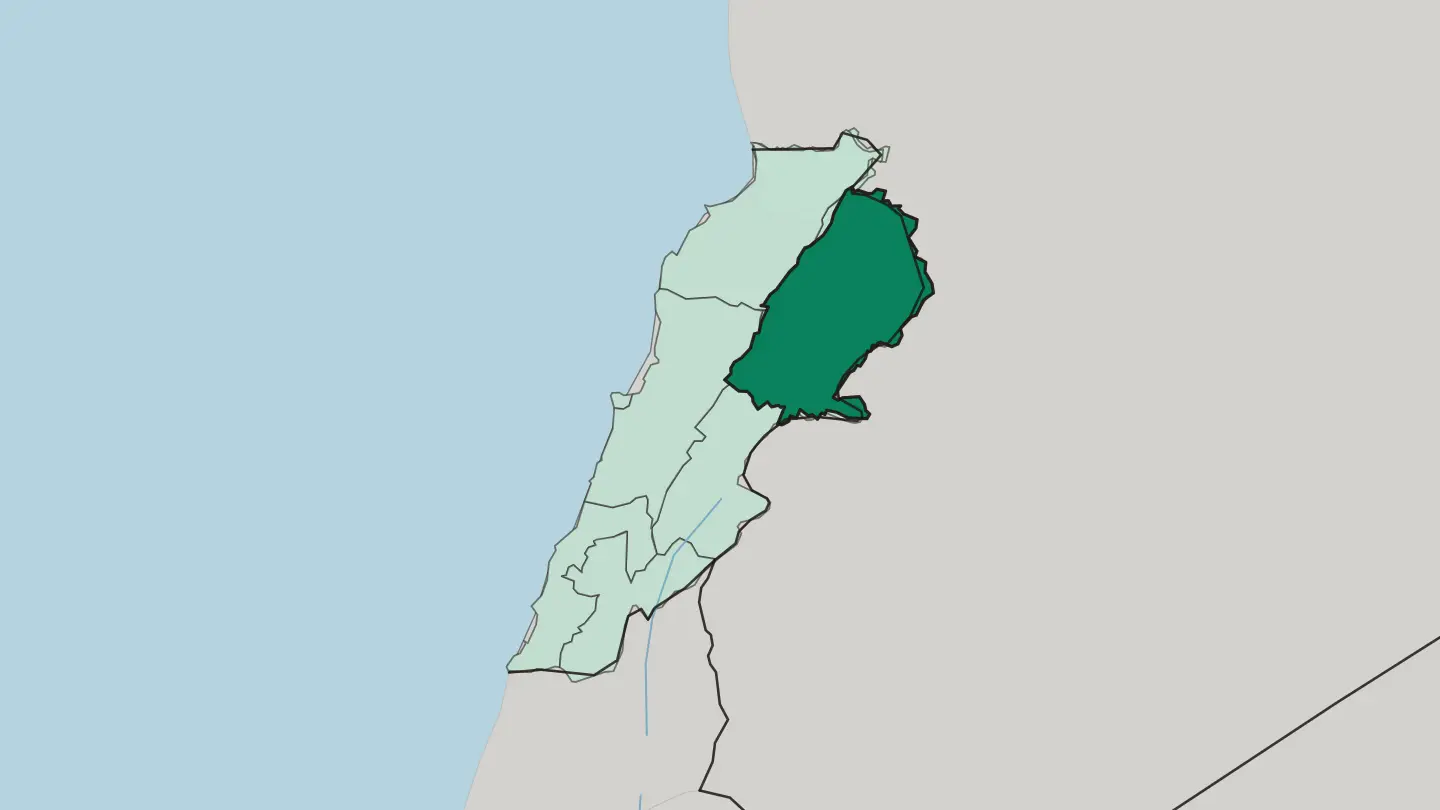 Lebanon
Mohafazat Béqaa
Mohafazat Béqaa is Lebanon's fertile eastern valley, a wine country of vineyards set between Mount Lebanon and the Anti-Lebanon range.Towns & cities →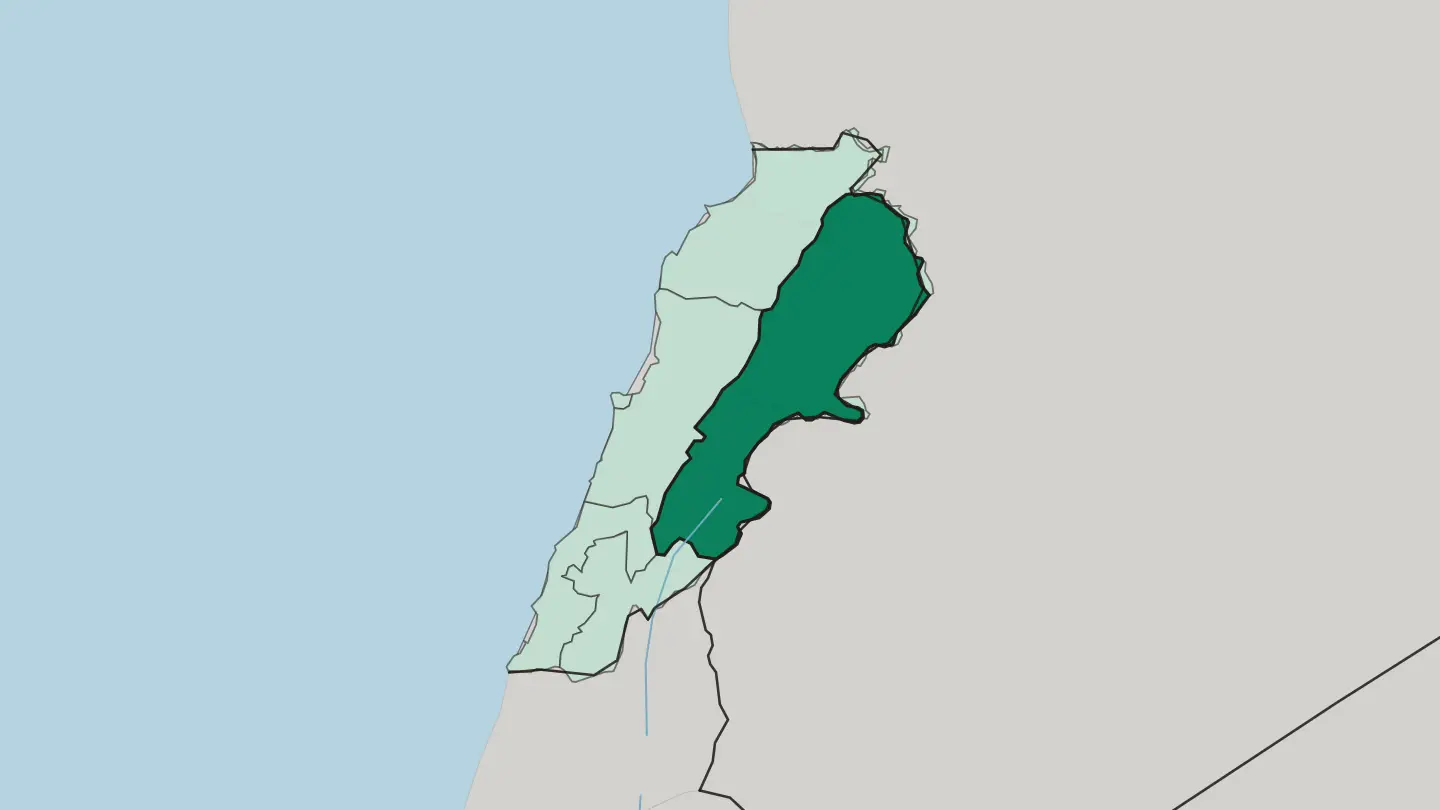 Lebanon
Mohafazat Liban-Nord
Mohafazat Liban-Nord is northern Lebanon's coast-to-summit region, running from Tripoli's Mamluk old city up to the Cedars of God.Towns & cities →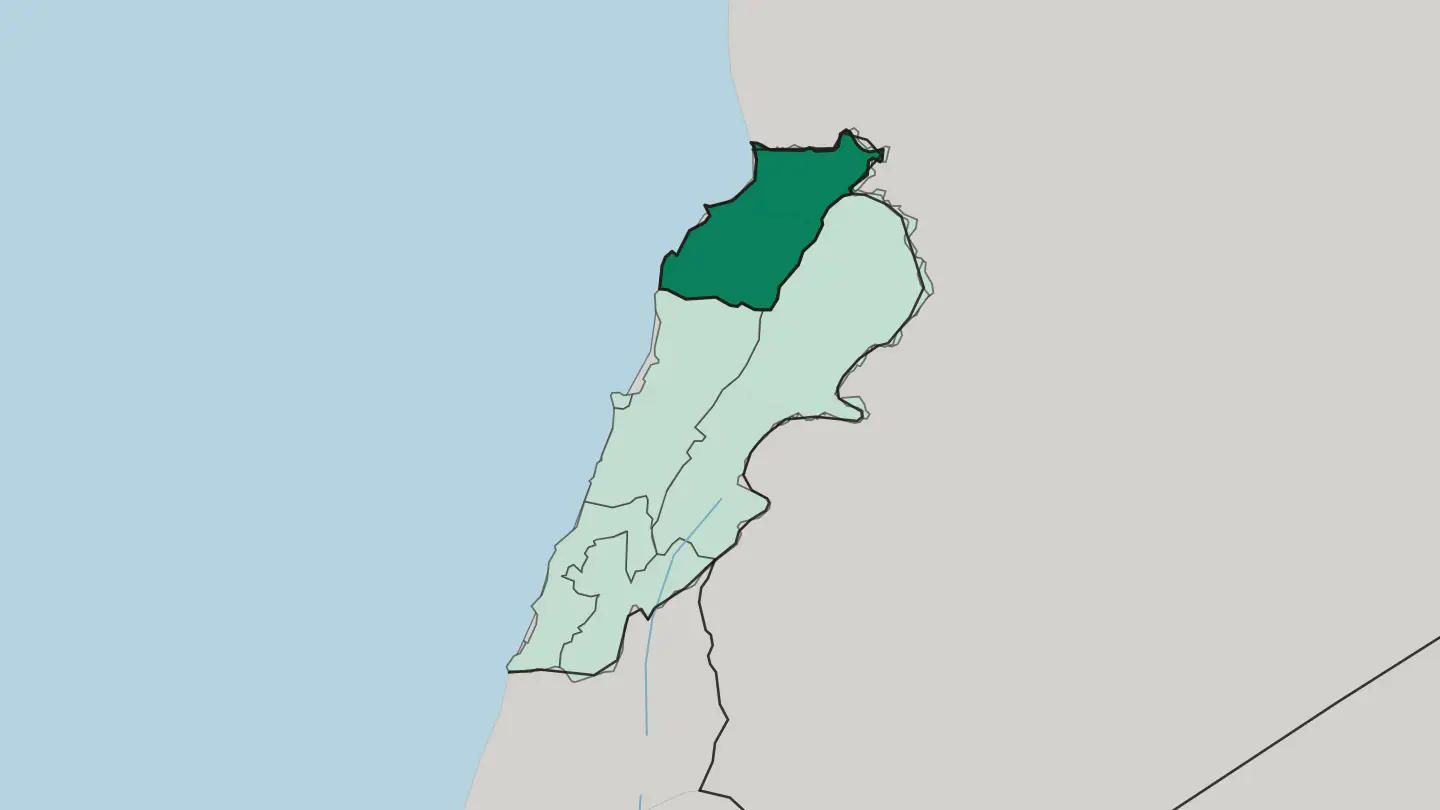 Lebanon
Mohafazat Liban-Sud
South Lebanon is the country's southern coast, where Phoenician Sidon and Tyre meet the sea and the pine highlands of Jezzine rise behind them.Towns & cities →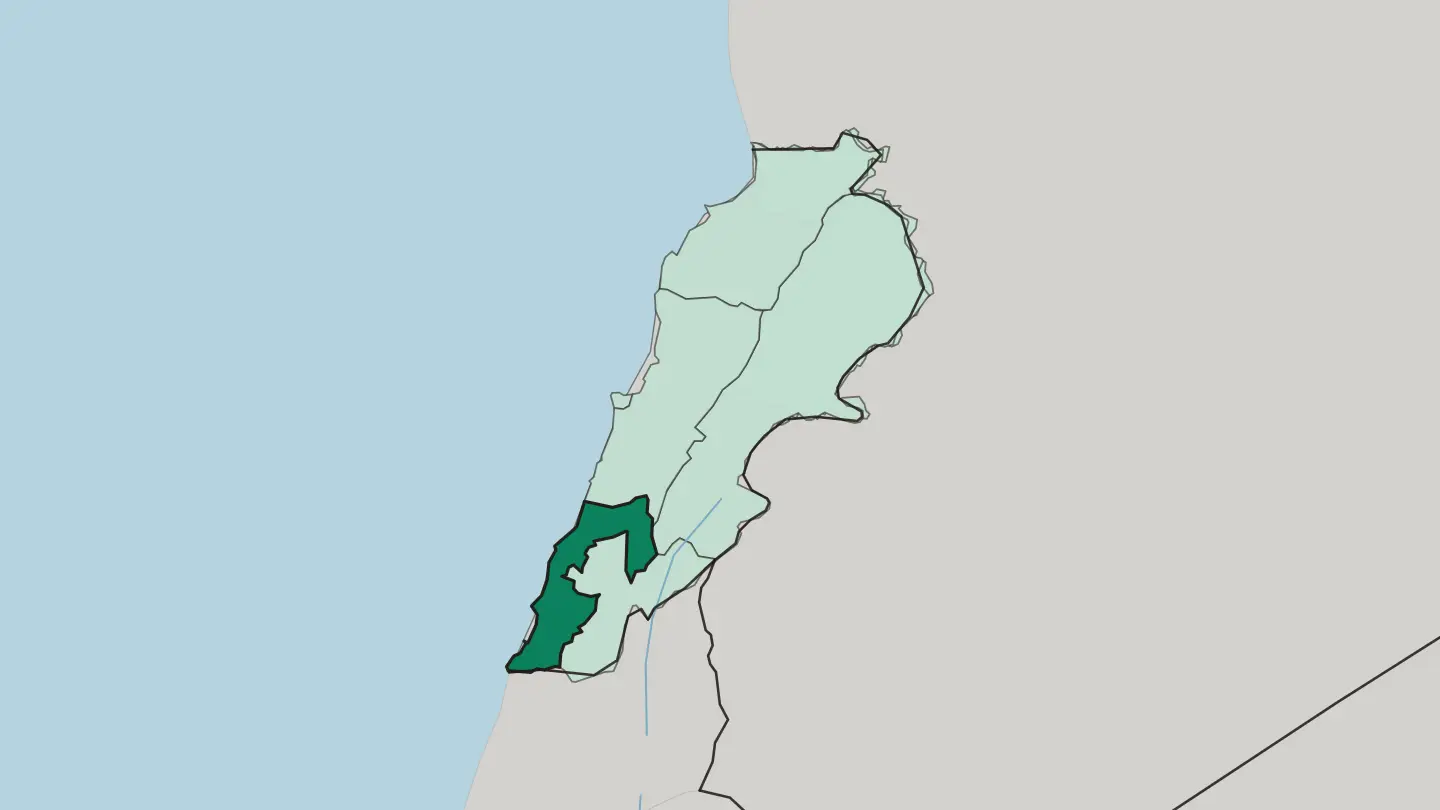 Lebanon
Mohafazat Mont-Liban
Mohafazat Mont-Liban is the mountain governorate wrapped around Beirut, where Lebanon's coast climbs fast into cedar-topped ridges.Towns & cities →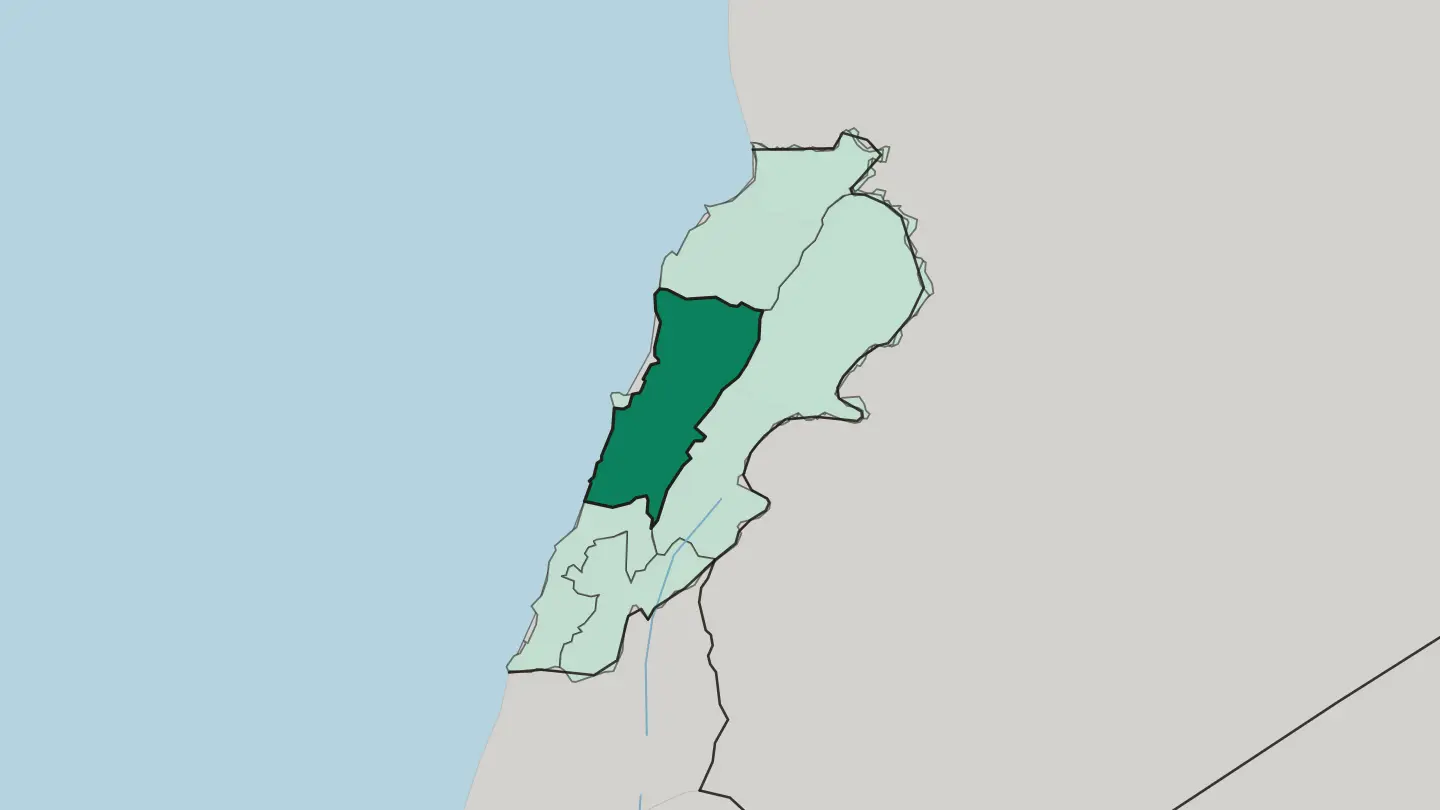 Lebanon
Mohafazat Nabatîyé
Mohafazat Nabatîyé is the heart of Jabal Amel, southern Lebanon's Shia highland, where the Litani River bends below Beaufort Castle.Towns & cities →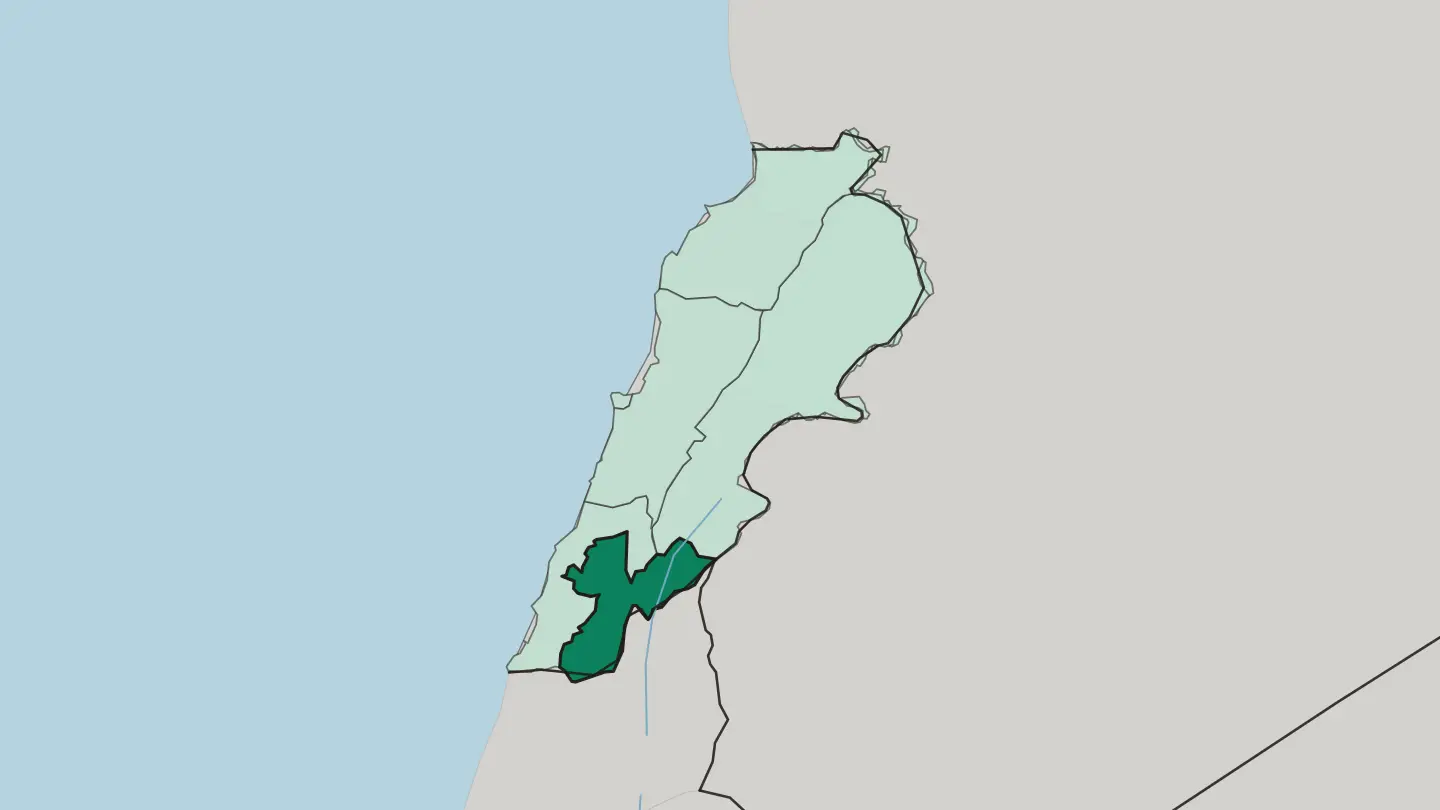
Explore by experience
Not sure which place? Start from how you want to travel.
About Lebanon
What is Lebanon known for?
Lebanon is known as a country of the Levant, set on the Mediterranean Sea between Syria and Israel. Its cuisine travels far. Lebanese cuisine ranks among the most famous of the Middle East, and the country carries the layered past of the Roman Empire, the Crusades, and the Ottoman Empire, with Beirut standing as its capital on the coast.
Where is Lebanon?
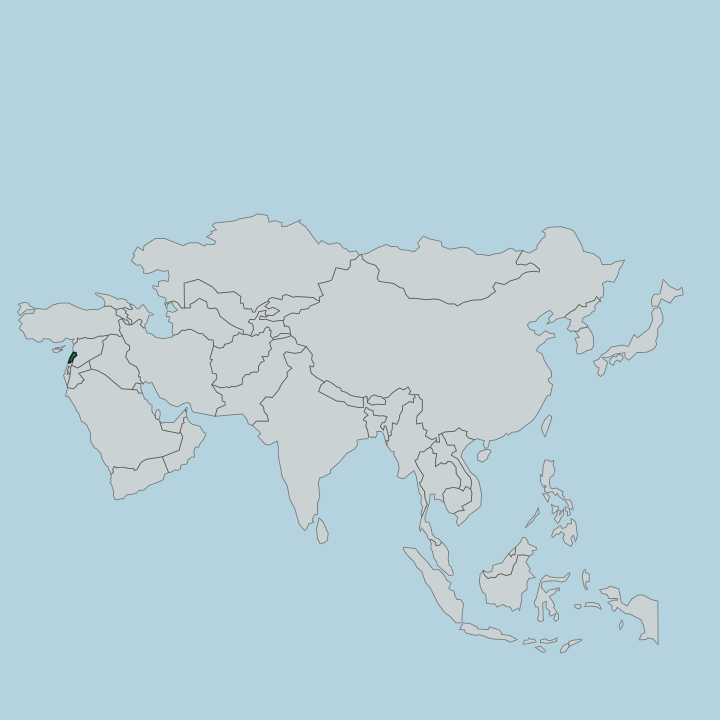
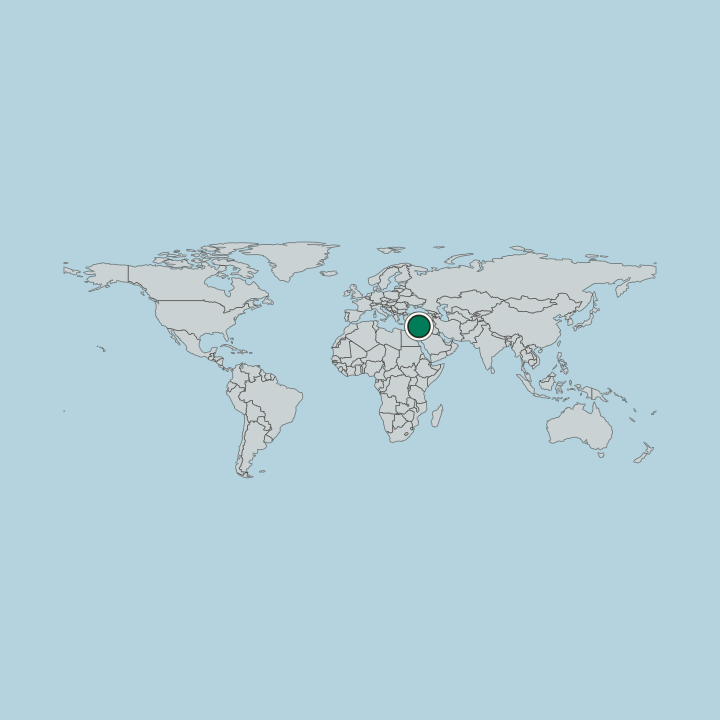
Lebanon lies on the eastern shore of the Mediterranean Sea, in the Levant region of West Asia. The sea frames its whole western edge. Syria wraps the north and east, Israel lies to the south, and the Mediterranean Sea runs the length of the west, with the island of Cyprus a short distance off the Lebanese coast.
The country is compact. It ranks among the smaller states of the region, its short coastline tying the sea to the land behind. The Mediterranean coast defines Lebanon.
At the crossroads of the Mediterranean Basin and the Arabian Peninsula, the country has long linked the sea to the interior of the Levant, its shore running between Syria to the north and Israel to the south. Beirut sits on that coast. The capital of Lebanon looks west over the Mediterranean Sea, the largest city gathered on the shore where most of the country has always faced the water.
Its neighbours shape its edges. Syria and Israel close the land frontier, while the Mediterranean Sea and the island of Cyprus open the country toward the wider basin.
What is the history of Lebanon?
Lebanon carries one of the longer recorded pasts of the Mediterranean, layered by empire after empire. Rome ruled the coast. The Roman Empire held this shore, the Crusades later fought across it, and the Ottoman Empire ruled the land for centuries before France took control in the years that followed.
Independence came in 1943. From the end of French control the Lebanese Republic took its own place among the states of the Levant, with Beirut as its capital on the Mediterranean Sea. Many peoples have settled the land.
The majority of the country's people are Arabs, alongside long-settled communities of Assyrians, Armenians, and Kurds, with Palestinians and Syrians living among them across the Levant. That mix shaped the culture. Centuries of Roman, Crusader, and Ottoman rule, followed by the French period, left Lebanon a country of many faiths and tongues, its capital Beirut carrying the marks of each of them on the Mediterranean coast.
Each era left something behind. The Roman Empire, the Crusades, and the Ottoman Empire each shaped the towns of the coast, and the modern Lebanese Republic grew from that long inheritance after 1943.
What is Lebanon like?
Lebanon is a country of many tongues and faiths, gathered along the Mediterranean coast. Arabic carries daily life. Most Lebanese are Arabs, and Arabic is the common language, though communities of Assyrians, Armenians, and Kurds keep their own traditions, with Palestinians and Syrians settled among them across the Levant.
Faith runs deep and varied. Centuries under the Roman Empire, the Crusades, the Ottoman Empire, and France left a country where many religions share the same coast, each leaving its own mark on the towns of Lebanon. The table is the country's pride.
Lebanese cuisine ranks among the most famous of all Middle Eastern cooking, carried far beyond the Mediterranean coast by the many communities who have left Lebanon over the generations. Food ties the peoples together. Arab, Armenian, and Levantine flavours mingle at the Lebanese table, and the food of the coast stands among the clearest marks of the country's culture across the Middle East and beyond.
Heritage sits in the everyday. The Armenian and Assyrian communities keep their own languages and customs, while Arabic and the shared Levantine table bind the country of Lebanon along its Mediterranean shore.
What is the climate of Lebanon?
Lebanon holds a Mediterranean climate, warmed by the sea along its whole western coast. Across Lebanon the summer months turn hot and rainless. Winters turn mild and wet along the Mediterranean Sea, the rains coming in the cooler months while the long dry summers hold through the warm half of the year across this corner of the Levant.
How do you get to Lebanon?
Lebanon is reached mainly through Beirut, its capital and largest city on the Mediterranean Sea. The coast opens the way in. Most travellers arrive by air or by sea to the shore at Beirut, since the land borders run only to Syria and Israel, leaving the Mediterranean Sea as the country's open door to the wider world.
Good for
Updated September 2026