Lebanon · Mohafazat Liban-Sud
Where to Stay in Sidon, Mohafazat Liban-Sud
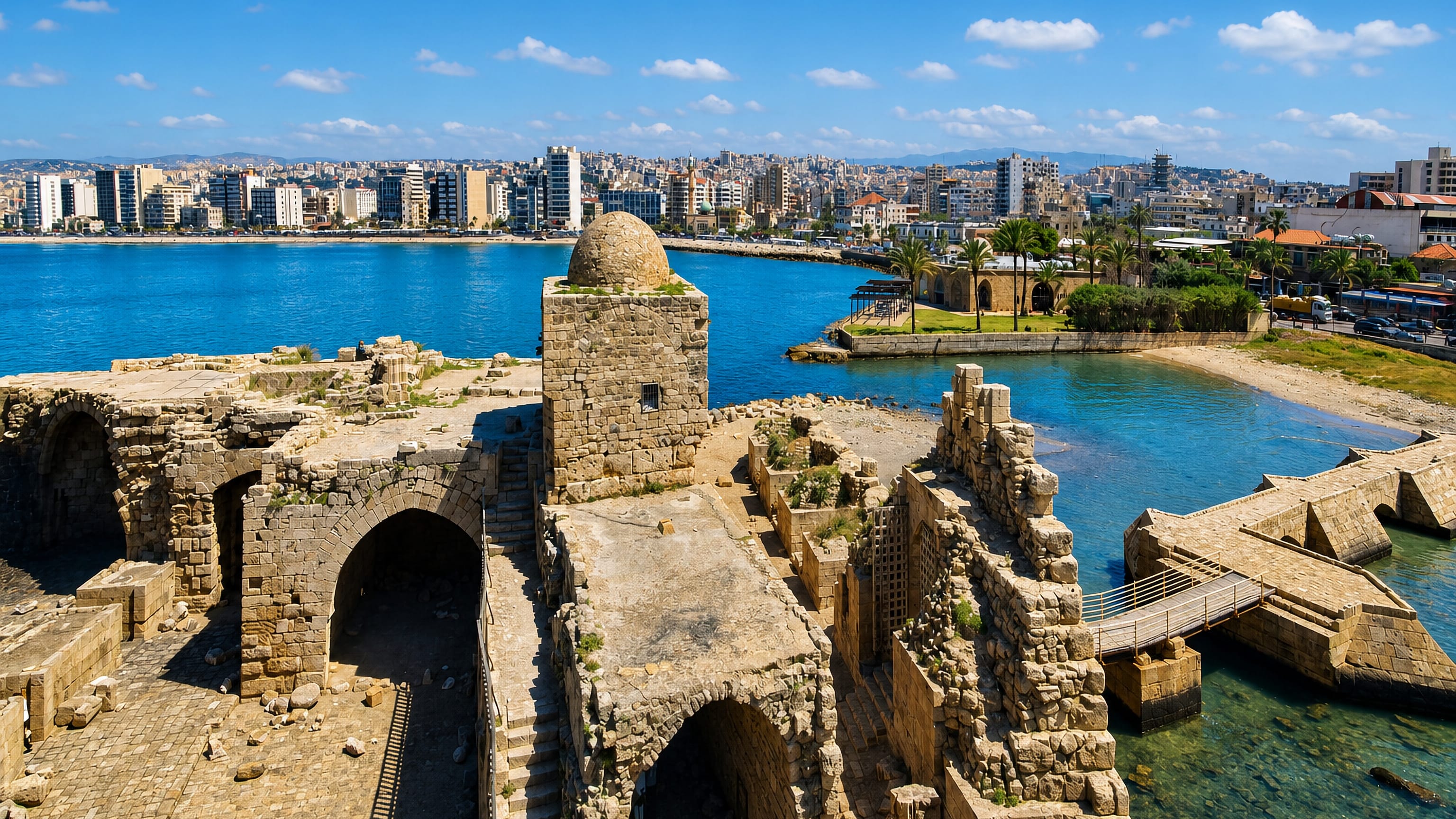
The Sea Castle stands on its islet off Sidon, an ancient Phoenician port on the coast of South Lebanon, known for the Temple of Eshmun and its old souks.
Hotel links are affiliate links: booking through them may earn us a commission, at no extra cost to you. It never affects how places are ranked. How this works


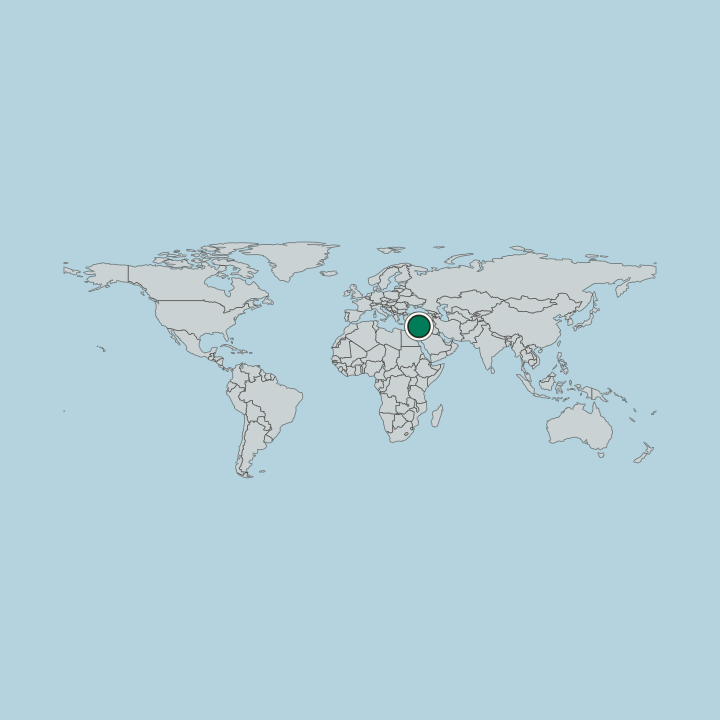
Where to stay in Sidon
Where visitors usually base themselves, and why.
Sidon centres its lodging on the old town wrapped around the fishing harbour, in the shadow of the Sidon Sea Castle out on its islet. The medieval quarter here packs its khans, souks, and the Debbane Palace into a tight maze of vaulted lanes close to the water. The old town suits history-minded stays.
It puts the Sidon Soap Museum, the covered markets, and the harbour front within walking distance, with the castle causeway leading out to sea from the edge of the quarter. The newer city spreads back from the shore. Up the coast road a base among the modern blocks trades the medieval density for easier parking and a quick run out to the Temple of Eshmun in the northern outskirts.
Calmer. If you would rather use Sidon as a coastal base, its position on the Mediterranean between Tyre and Beirut puts both within a short drive. Whether you stay in the old harbour or the newer streets, the compact core keeps the sea castle, the souks, and the soap museum within an easy day on foot.
Find hotels in Sidon
Direct booking searches for these neighbourhoods.
Old harbour quarter
The vaulted lanes below the Sidon Sea Castle keep the Debbane Palace and the Sidon Soap Museum within a short walk of the fishing harbour.Find hotels in Old harbour quarteran easy base for the Eshmun ruinsNewer coast-road city
The modern blocks north of the old town give quick access to the Temple of Eshmun and the Mediterranean coast road between Tyre and Beirut.Find hotels in Newer coast-road cityHotel links are affiliate links: booking through them may earn us a commission, at no extra cost to you. It never affects how places are ranked. How this works
Things to do in Sidon
Ranked by global recognition; descriptions from Wikidata (CC0).
Museums & Galleries
2- Debbane Palace
- Sidon Soap Museum
Churches & Religious Sites
1- N D Maghdouche
Castles & Historic Sites
3- Temple of Eshmun Heritage
- Sidon Sea Castle
- Royal necropolis of Ayaa
worth knowingacross 3 categories in Sidon
About Sidon
What is Sidon known for?
Sidon is known as one of the oldest Phoenician cities on the coast of South Lebanon, and for the Sidon Sea Castle that guards its harbour from a rocky islet. The Crusaders raised it. Inland stand the columns of the Temple of Eshmun, a Phoenician sanctuary of great age whose gardens and channels still trace the shape of the old sacred precinct.
The Debbane Palace and the Sidon Soap Museum preserve the crafts and merchant life of the old town. It sits on the Mediterranean between Tyre and Beirut.
What are the main landmarks in Sidon?
The landmarks of Sidon reach from Phoenician antiquity to the merchant town. The Sidon Sea Castle, raised by the Crusaders on a harbour islet, is the city's defining monument out over the water. Inland the columns of the Temple of Eshmun mark a Phoenician sanctuary among gardens, while the Royal necropolis of Ayaa holds the rock-cut tombs of the old city.
The old town keeps its crafts. Within its lanes the Debbane Palace and the Sidon Soap Museum preserve the merchant life, and on a ridge to the east the shrine of N D Maghdouche looks down over the coast.
What is the history of Sidon?
Sidon ranks among the oldest continuously settled cities of the Phoenician coast, a trading port on the shore of South Lebanon reaching back into deep antiquity. Its ships once ranged across the Mediterranean. The city built its wealth on sea trade and on purple dye, and its kings raised the great sanctuary of the Temple of Eshmun in the hills behind the harbour.
Empire after empire held the port. Persian, Hellenistic, Roman, and Byzantine rulers each left their layer, and the Royal necropolis of Ayaa preserves the carved tombs of the earlier city. In the thirteenth century the Crusaders built the Sidon Sea Castle on its harbour islet, tying the medieval town to the sea.
Under later rule the old town filled with khans and covered souks, and merchant houses such as the Debbane Palace rose within the maze of vaulted lanes, while the soap workshops recalled in the Sidon Soap Museum carried on an old trade. On the Mediterranean between Tyre and Beirut, Sidon keeps this long record in stone, from the Phoenician sanctuary to the Crusader castle to the merchant quarter of South Lebanon.
Where is Sidon?
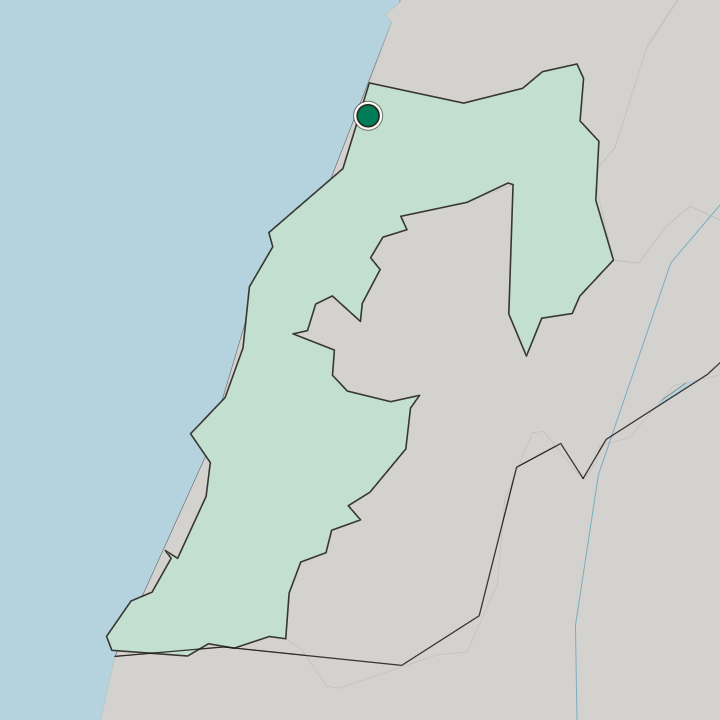
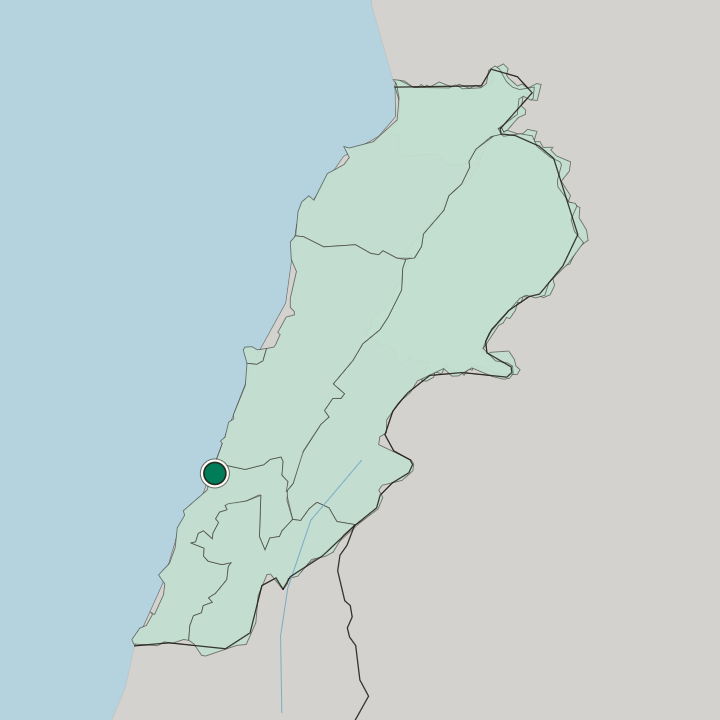
Sidon sits on the Mediterranean coast of South Lebanon, where a narrow coastal plain meets the sea between Tyre to the south and Beirut to the north. The old town gathers around a small fishing harbour, with the Sidon Sea Castle set on an islet just offshore. Orchards ring the city.
Behind it the land rises toward the ridge of Jebel Aabeby and the hills of the interior, where the shrine of N D Maghdouche looks out over the shore. The setting is warm and coastal.
What is the climate of Sidon?
Sidon has a warm Mediterranean climate, tempered by the sea along the coast of South Lebanon. The summer months on the Sidon coast turn hot and rainless. Winters stay mild and wet, when most of the year's rain sweeps in off the sea and greens the orchards and the hills of Jebel Aabeby behind the town before the dry months return.
Spring and autumn are warm and clear. Sea breezes ease the summer heat by the harbour.
How do you get to Sidon?
Sidon lies on the coastal highway of South Lebanon, an easy drive down the Mediterranean shore from Beirut to the north and up from Tyre to the south. Most travellers arrive by road along this coast road, the spine that links the southern towns. Buses and shared taxis run it through the day.
The old harbour handles fishing boats rather than passenger ships. Once in town, the old quarter around the Sidon Sea Castle is best walked on foot.
Common questions
What is the best area to stay in Sidon?
Old harbour quarter: medieval khans and souks. Newer coast-road city: an easy base for the Eshmun ruins.
Good for
Another city in Mohafazat Liban-Sud
Updated September 2026