Sri Lanka
Eastern Province, Sri Lanka — Towns & Travel Guide
The Eastern Province is one of Sri Lanka's nine provinces, administered from Trincomalee, with Kalmunai the largest city inside its bounds.
Hotel links are affiliate links: booking through them may earn us a commission, at no extra cost to you. It never affects how places are ranked. How this works


Towns & cities in Eastern Province
Pick a town or city — each links to where to stay.

 Sri Lanka
Trincomalee
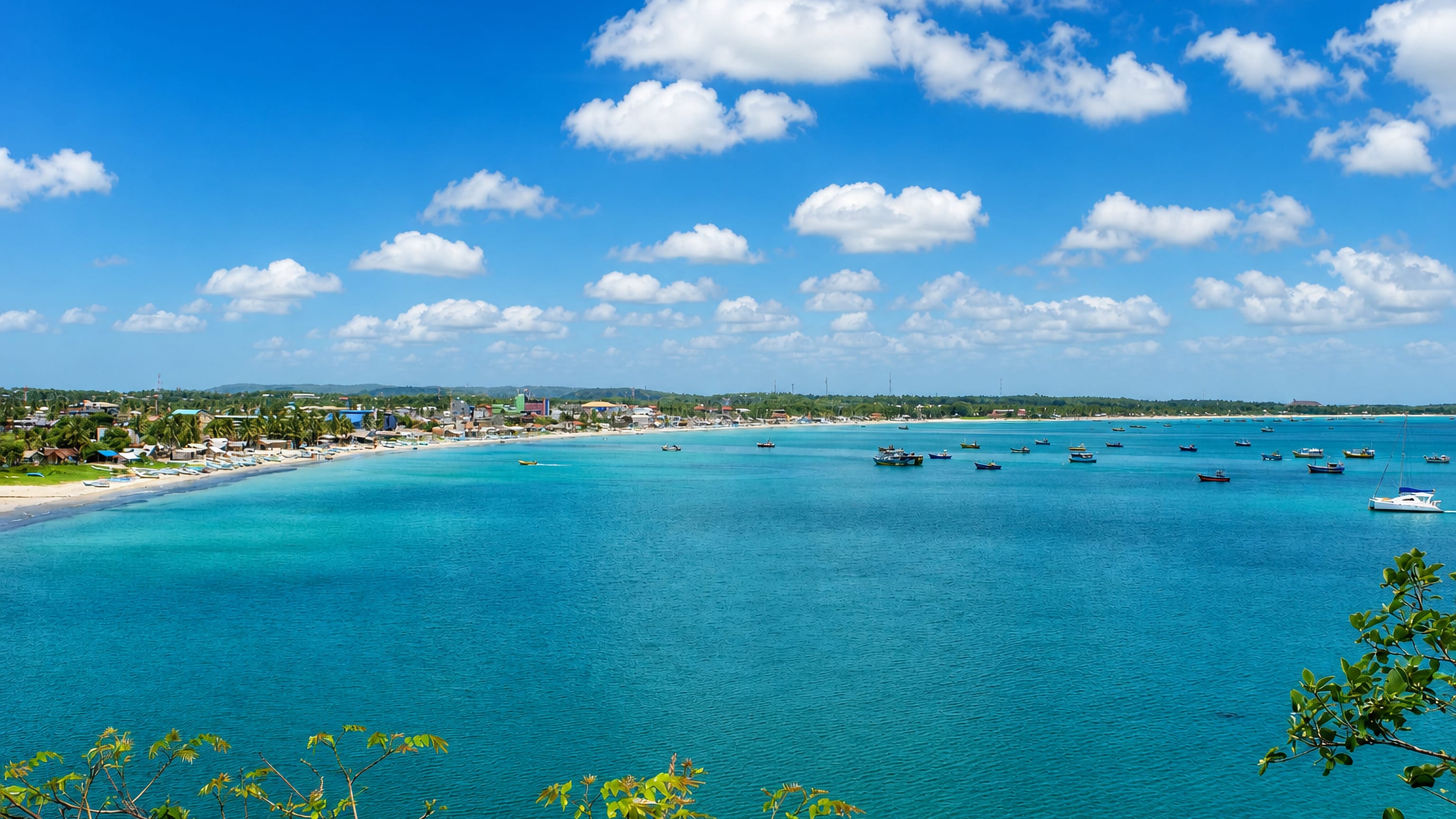
Trincomalee is a city of east Sri Lanka on the Bay of Bengal, on a great natural harbour, known for its clifftop temple and whale-watching beaches.Where to stay →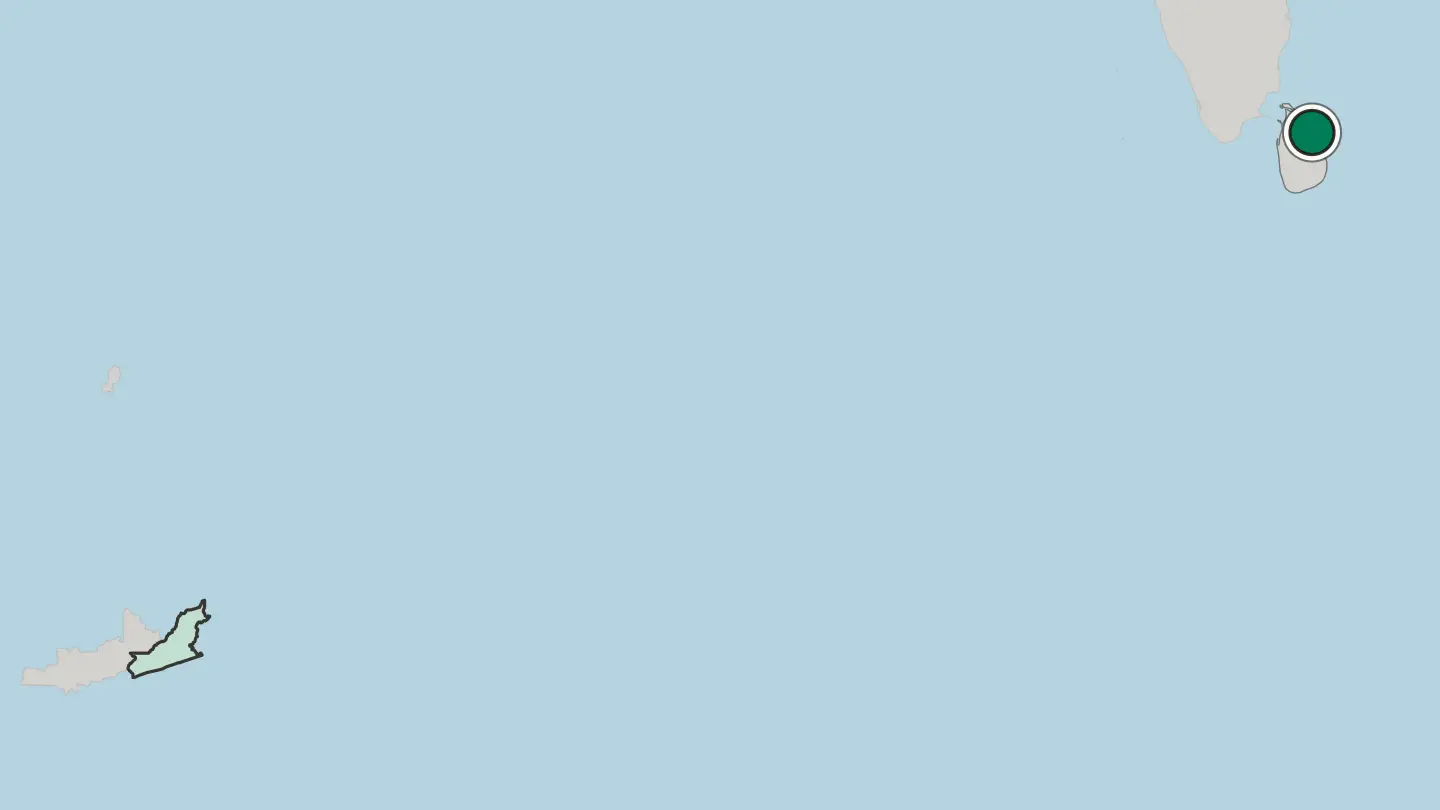
 Sri Lanka
Batticaloa
Batticaloa is an island city on the east coast, capital of Batticaloa District and once the capital of Sri Lanka's Eastern Province.Where to stay →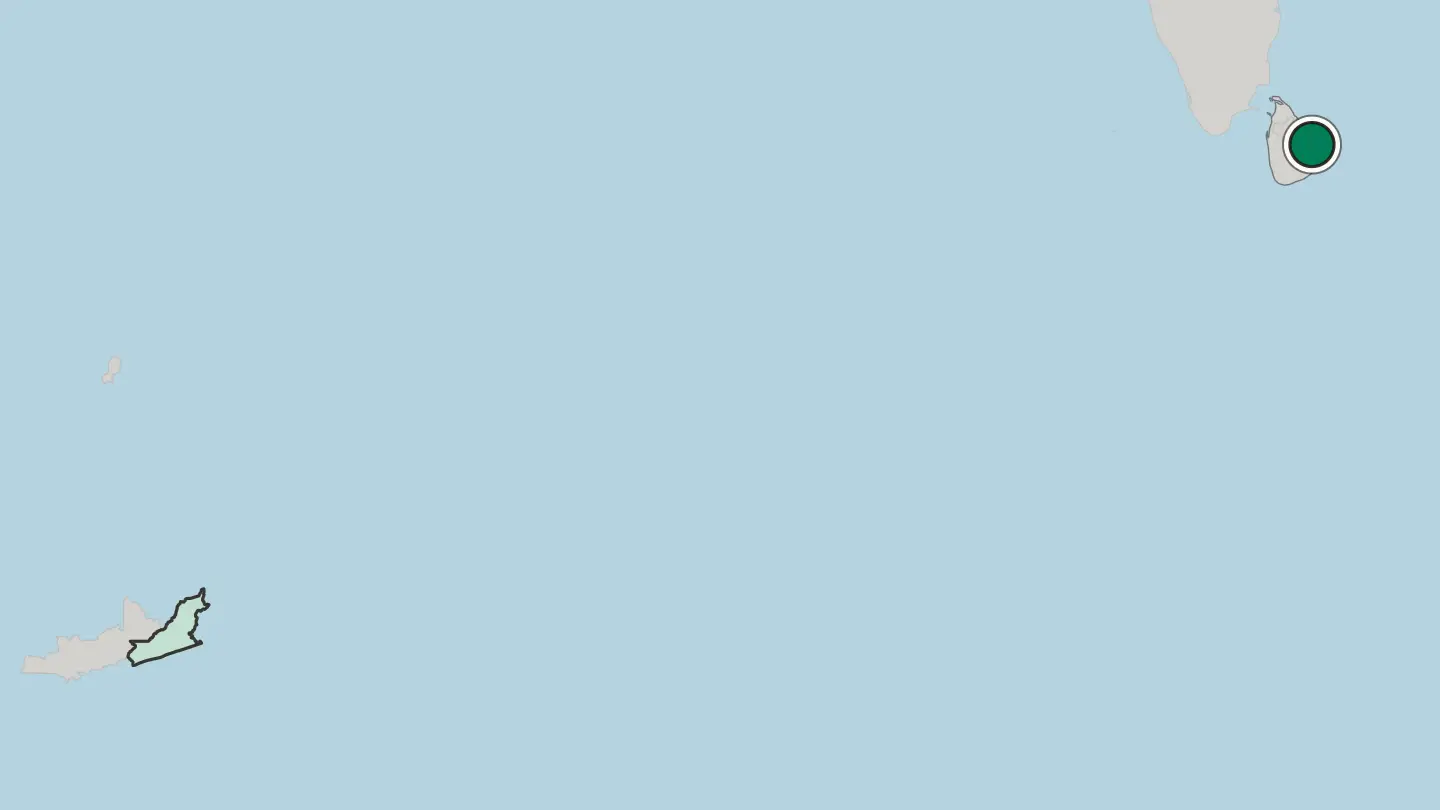
Hotel links are affiliate links: booking through them may earn us a commission, at no extra cost to you. It never affects how places are ranked. How this works
About Eastern Province
Trincomalee runs the province.
What is Eastern Province known for?
The Eastern Province is one of the nine provinces of Sri Lanka, the first level of administrative division in the country, and the seat of its provincial council stands at Trincomalee. Kalmunai is the larger place. Administrative weight and urban weight fall in different towns here, which shapes how the Eastern Province is travelled and where beds concentrate.
Where is Eastern Province?
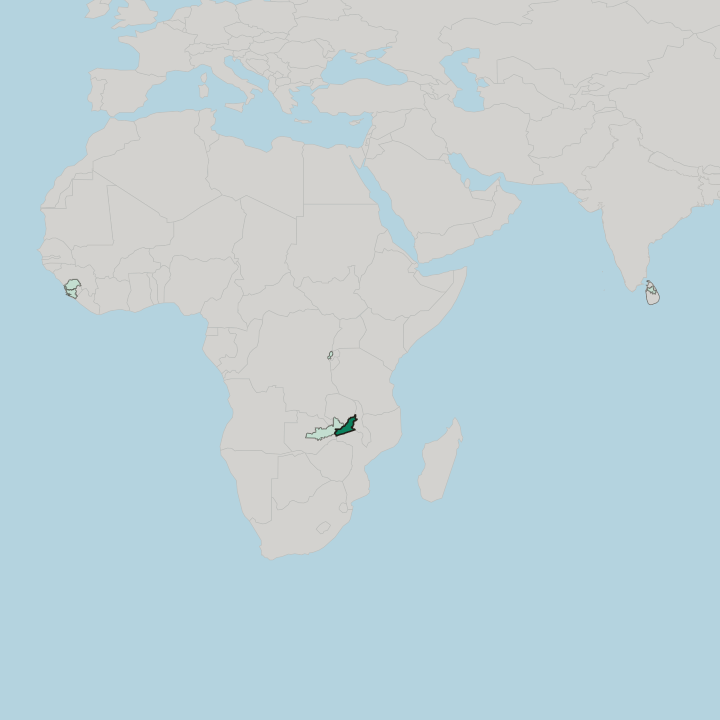
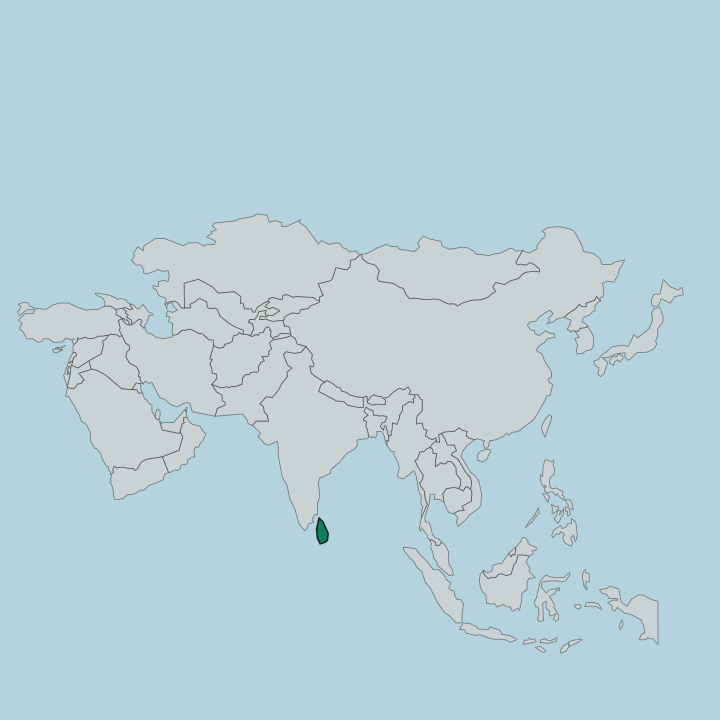
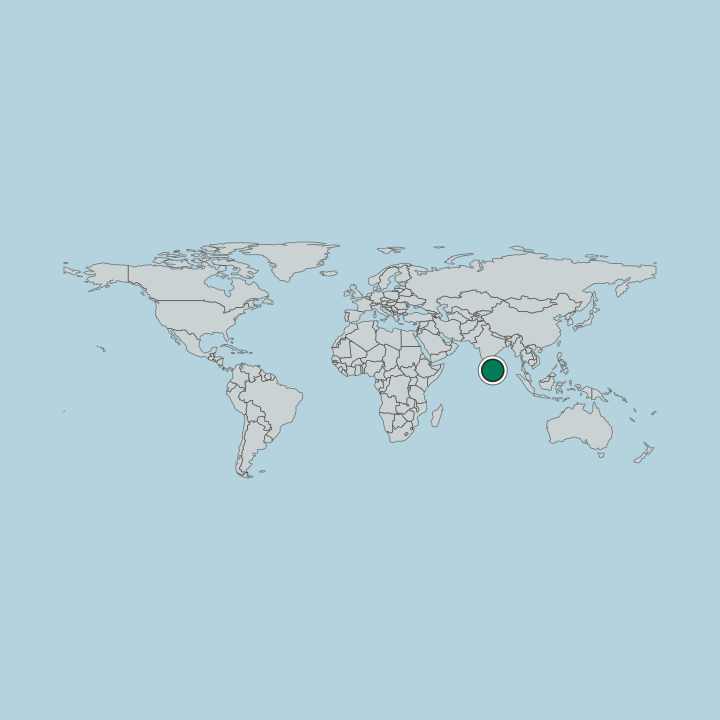
Close to ten thousand square kilometres make up the Eastern Province. It is one of nine provinces in Sri Lanka, and those provinces are the first level of administrative division in the country, so the boundary drawn around this ground is an administrative line before it is anything else. The tropics set the terms.
Sri Lanka lies north of the equator inside the tropical band, and the Eastern Province shares that footing with every other part of the island. Trincomalee and Kalmunai anchor the province. The capital stands at Trincomalee, the largest city is Kalmunai, and between those two points the Eastern Province holds the ground that its provincial council administers.
Its outline has not always held. The Northern Province was joined to this one between 1988 and 2006 under the name North Eastern Province, an arrangement that treated the two as a single unit before they were separated again. Administrative geography moves.
The 13th Amendment to the Constitution of Sri Lanka gave the provinces legal standing in 1987, which turned lines drawn in the nineteenth century into working boundaries with an elected council behind them. Nine provinces divide the country. The Eastern Province is one of them, dating as a unit from 1833 and carrying that shape through every rearrangement since.
What is Eastern Province like?
Identity here is administrative first. The Eastern Province exists as one of the nine provinces that divide Sri Lanka, a frame drawn in the nineteenth century and given legal force only in 1987, and that late formalisation matters to how the place is governed and understood. Two cities carry it.
Trincomalee holds the capital's business while Kalmunai is the largest of the province's urban centres, which gives the Eastern Province two centres of gravity rather than one. The merged years left their own mark. From 1988 until 2006 this province and the Northern Province were administered together as the North Eastern Province, so a long stretch of civic life on this ground ran under a name no longer found on the map of Sri Lanka.
Separation restored the older frame. The provincial council system created by the 13th Amendment to the Constitution of Sri Lanka gives the province its own elected layer, and the offices of that layer are the visible institutions of provincial life. Naming is part of it.
The unit has been the Eastern Province since 1833, then the North Eastern Province, then the Eastern Province again, and each of those names describes the same ground under a different arrangement of the country's provincial map. Trincomalee remains the capital. Kalmunai remains the largest city, and the gap between what those two cities do is the plainest fact about how this province is organised.
What is the history of Eastern Province?
The provinces date from 1833. Sri Lanka's nine provinces were drawn in the nineteenth century as administrative units and carried no legal status of their own until the 13th Amendment to the Constitution of Sri Lanka created provincial councils in 1987. Then the map changed again.
Between 1988 and 2006 the Eastern Province was merged with the Northern Province into the North Eastern Province, and the separation that followed left Trincomalee the capital of a province standing on its own.
What is the climate of Eastern Province?
Sri Lanka lies north of the equator, well inside the tropics, and the Eastern Province shares that band with every other province of the island. The province runs hot without a break. Trincomalee and Kalmunai stand under the same tropical conditions, so a traveller moving between the provincial capital and the largest city is not moving between climates.
Warmth is the year-round baseline.
How do you get to Eastern Province?
Arrival means choosing a city first. Trincomalee is the capital of the Eastern Province and Kalmunai its largest city, and since the province covers close to ten thousand square kilometres the choice of entry point decides most of what follows. The two are not interchangeable.
Anyone arriving for provincial administration heads for Trincomalee, while Kalmunai draws the traffic that follows the province's biggest urban centre.
Common questions
What is the best area to stay in Eastern Province?
Trincomalee: Stays pinned to the seat of the Eastern Province's provincial council. Kalmunai: Travellers who want the province's biggest urban centre rather than its capital.
Good for
More regions in Sri Lanka
Updated September 2026