Lithuania
Kaunas County, Lithuania — Towns & Travel Guide
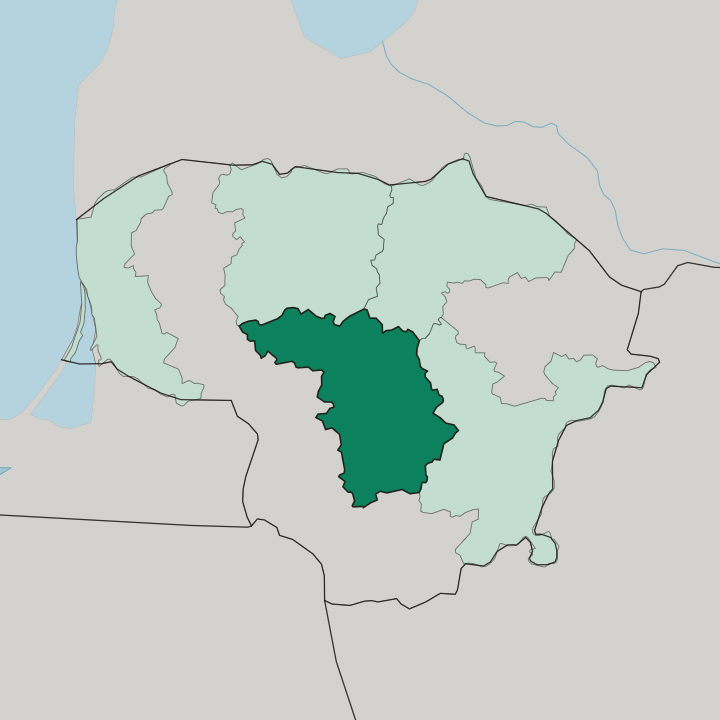
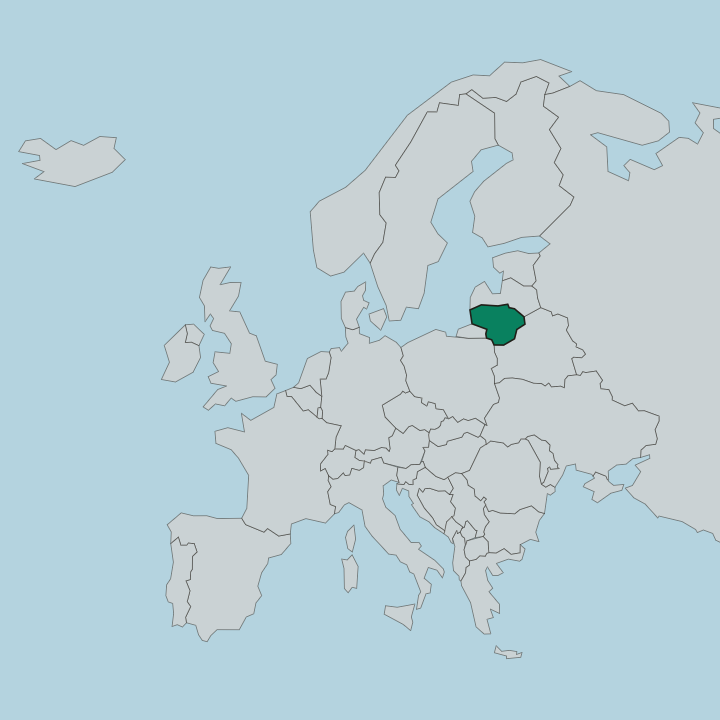
Kaunas County lies in the centre of Lithuania, one of the country's ten counties, gathered around its hub city of Kaunas.
Hotel links are affiliate links: booking through them may earn us a commission, at no extra cost to you. It never affects how places are ranked. How this works


Towns & cities in Kaunas County
One town here has its own guide — it links to where to stay.
 Lithuania
Kaunas
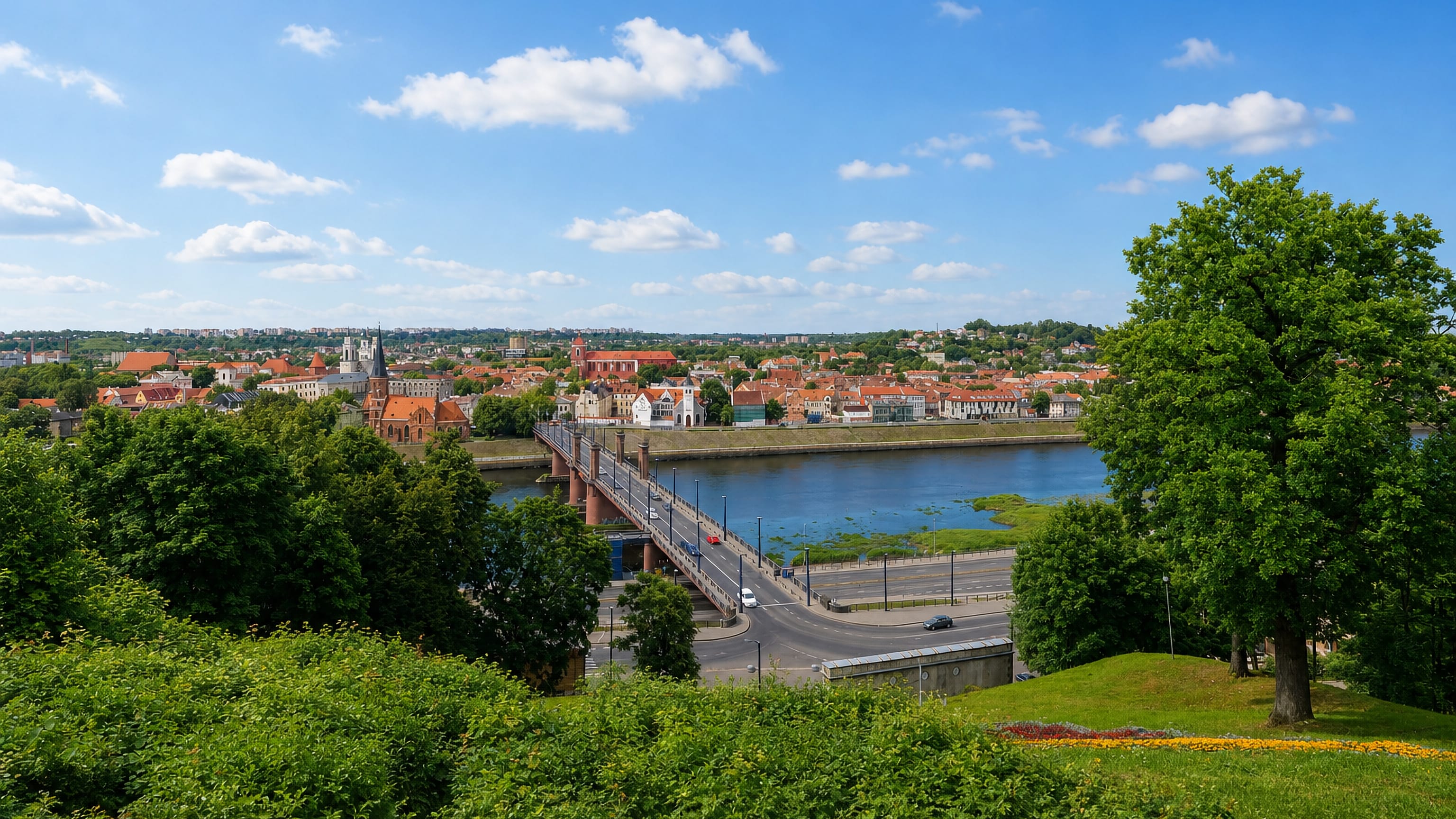
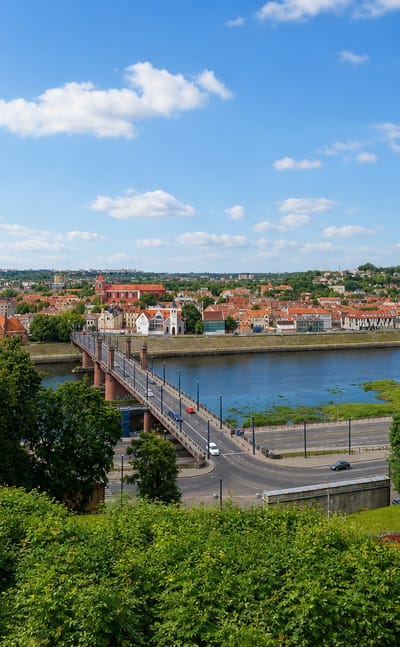
Two rivers meet below the old walls at Kaunas, the second-largest city in Lithuania, known for Kaunas Castle and the avenue of Laisvės alėja.Where to stay →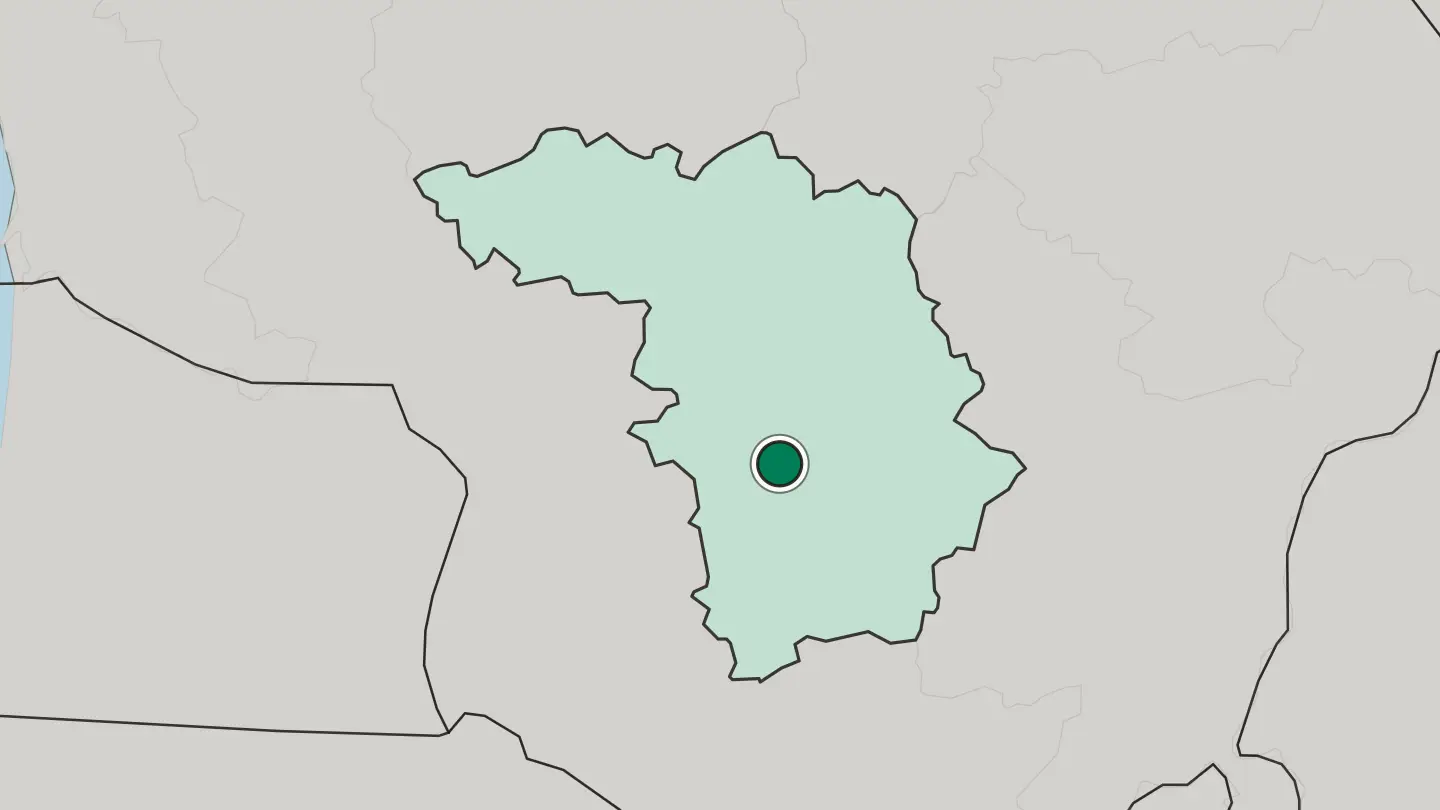
Hotel links are affiliate links: booking through them may earn us a commission, at no extra cost to you. It never affects how places are ranked. How this works
About Kaunas County
Kaunas County is known as a central county of Lithuania.
What is Kaunas County known for?
It sits inland. The county draws its identity from Kaunas, the second-largest city in the country, which anchors its trade, its learning, and the river crossings that pulled roads toward the county's core. It counts among the ten counties of the land.
Travellers pass through central Lithuania on the routes linking the capital region with the rest of the country.
Where is Kaunas County?
Kaunas County occupies the centre of Lithuania, a broad inland stretch of the country's ten counties. Its landscape is gently rolling. River valleys thread the farmland, and the hub city of Kaunas grew where two rivers meet at the county's core, the natural crossing point that pulled roads and settlement toward it.
Low plains and wooded rises fill the rest. The county has no coast. It sits fully inland, ringed by neighbouring counties on every side, so its geography is one of rivers, farm plains, and forest rather than sea.
Kaunas holds the busiest ground. The wider Kaunas County spreads out from it in a patchwork of fields and small towns, and that central, river-crossed position has shaped the county's role as a meeting place of routes since long before the modern borders of Kaunas County were drawn across central Lithuania.
What is Kaunas County like?
Kaunas County takes its cultural weight from Kaunas, the second-largest city in Lithuania and a centre of learning and the arts. Kaunas gives the county its cultural pitch. Its academic and artistic life radiates across the surrounding county, and the interwar years, when Kaunas served as the country's capital, left a distinct architectural and cultural stamp on the county's hub that still sets it apart within central Lithuania.
Beyond the city, the county keeps the rural traditions of the Lithuanian interior, where farm villages and river towns hold their own festivals and crafts. Lithuanian is spoken throughout. The identity of Kaunas County blends the urban culture of Kaunas with the older village life of the countryside around it, so a visitor moves within a short distance from a busy university city to quiet farmland that has kept its customs across the whole of Kaunas County.
What is the history of Kaunas County?
Kaunas County is named for and centred on Kaunas, whose castle guarded the river meeting from the 14th century. The county grew as an administrative frame around that long-established city within Lithuania. For a spell it counted among the ten counties formed to govern the country.
Its history is bound to Kaunas, which served as the national capital between the two world wars before the seat moved away, leaving the county with an outsized cultural legacy across central Lithuania.
What is the climate of Kaunas County?
Kaunas County has a temperate inland climate of cold winters and warm summers. Snow lies across the farm plains for months. The river valleys around Kaunas thaw slowly into a green, growing spring.
Long summer daylight fills the fields and forests of central Lithuania before autumn cools the whole of Kaunas County and returns the frost to its open ground.
How do you get to Kaunas County?
Kaunas County is reached through Kaunas, its hub city and main gateway. An airport, rail lines, and highways converge on the city. From Kaunas the roads fan out across the county and connect it to the rest of Lithuania.
Its central position makes Kaunas County one of the easiest parts of the country to enter, whether arriving by air into the city or by road from the neighbouring counties.
More regions in Lithuania
Updated September 2026