Lithuania · Kaunas County
Where to Stay in Kaunas, Kaunas County
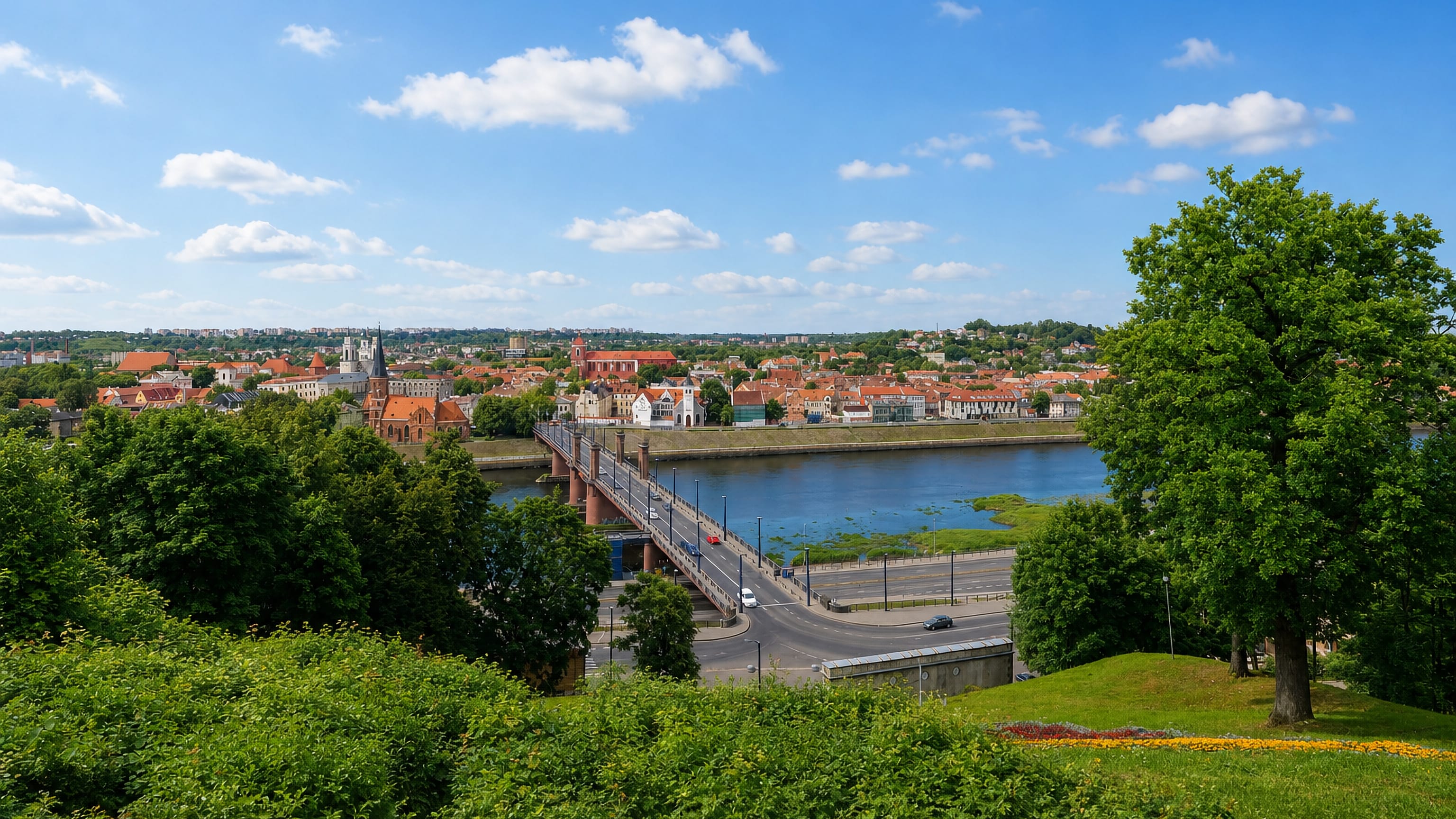
Two rivers meet below the old walls at Kaunas, the second-largest city in Lithuania, known for Kaunas Castle and the avenue of Laisvės alėja.
Hotel links are affiliate links: booking through them may earn us a commission, at no extra cost to you. It never affects how places are ranked. How this works


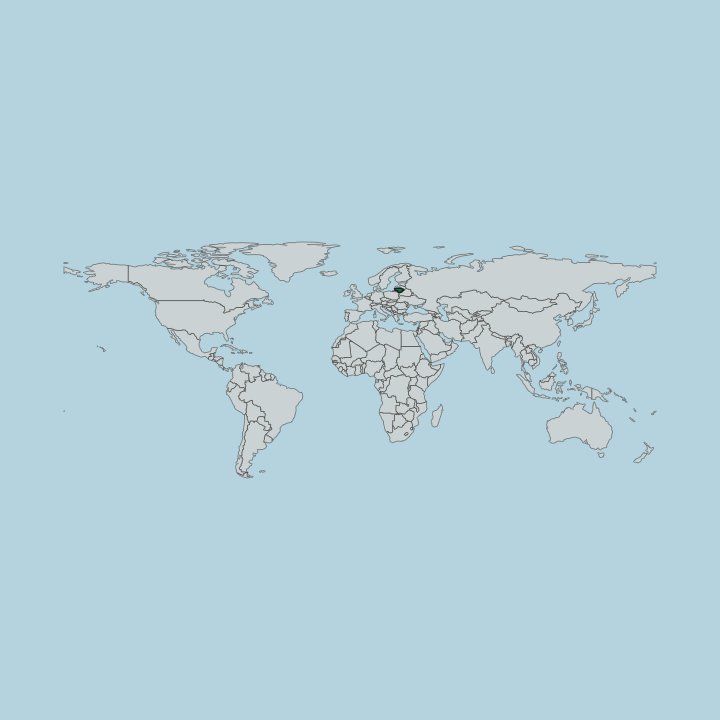
Where to stay in Kaunas
Each area has its own feel; here's who each one suits.

 KaunasLithuania
Aleksotas
Aleksotas is a district of Kaunas carrying 1408 on its record and the Lithuanian Aviation Museum among its named sites.Where to stay → KaunasLithuania
Dainava (Kaunas)
Dainava went up in 1963 as a microdistrict in the north-northeast part of Kaunas, the second largest city in Lithuania.Where to stay → KaunasLithuania
Eiguliai
Eiguliai is a Kaunas neighbourhood on the left bank of the Neris, a microdistrict built in 1979 roughly 6 km out from the city centre.Where to stay → KaunasLithuania
Šilainiai
Šilainiai is a Kaunas neighbourhood of Soviet-built microdistricts, sharing its elderate with the Ninth Fort of the Kaunas Fortress.Where to stay →Hotel links are affiliate links: booking through them may earn us a commission, at no extra cost to you. It never affects how places are ranked. How this works
Find hotels in Kaunas
Direct booking searches for these neighbourhoods.
Old Town
The medieval quarter at the confluence, with Kaunas Castle and the Church of Vytautas the Great close by.Find hotels in Old TownLife along the promenadeNew Town
Rooms strung along Laisvės alėja, steps from the M. K. Čiurlionis National Art Museum and the avenue's cafes.Find hotels in New TownRooftop views above the centreResurrection Church slope
The rise beneath the domed Christ's Resurrection Church, quieter than Laisvės alėja yet close to it.Find hotels in Resurrection Church slopeHotel links are affiliate links: booking through them may earn us a commission, at no extra cost to you. It never affects how places are ranked. How this works
Things to do in Kaunas
Ranked by global recognition; descriptions from Wikidata (CC0).
Museums & Galleries
3- Žmuidzinavičius Museum
- Vytautas the Great War Museum
- M. K. Čiurlionis National Art Museum
Churches & Religious Sites
3- Kaunas Cathedral Basilica
- Christ's Resurrection Church
- Church of Vytautas the Great, Kaunas
Castles & Historic Sites
3- Kaunas Castle
- Kaunas Fortress
- Knygnešių sienelė
Stadiums & Sports
1- Kaunas Ice Arena
Landmarks & Notable Places
3- Iljinienė House in Kaunas
- Pasaka Cinema
- Kaunas Carillon
worth knowingacross 5 categories in Kaunas
About Kaunas
What is Kaunas known for?
Kaunas is known for a compact Old Town that opens onto the long promenade of Laisvės alėja. Kaunas Castle guards the river confluence. The pedestrian avenue runs east into the 19th-century New Town, lined with cafes and shops, past Kaunas Cathedral Basilica and the M. K. Čiurlionis National Art Museum with its collection of national painting.
The Freedom Monument marks the era when the city served as the country's capital. That interwar chapter still shapes its look.
What are the main landmarks in Kaunas?
The main landmarks in Kaunas stretch from the river confluence to the modern hill. Kaunas Castle guards the Old Town tip. Kaunas Cathedral Basilica anchors the medieval square.
The Gothic Church of Vytautas the Great stands close to the water. Beyond the centre, the ring of Kaunas Fortress and its outlying Seventh Fort recall the city's guarded past, while the Vytautas the Great War Museum and the M. K. Čiurlionis National Art Museum share a garden with the Freedom Monument. The modernist Christ's Resurrection Church crowns the rise above it all.
What is the history of Kaunas?
Kaunas grew at the meeting of two rivers, a defensive site that carried its first stronghold by the founding of Kaunas Castle in 1361. The town became the seat of Kaunas County within the Grand Duchy of Lithuania and thrived as a river-trade port. Merchants raised its stone core.
The Gothic Church of Vytautas the Great and Kaunas Cathedral Basilica date from those early centuries, when the Old Town filled the wedge between the waters and Kaunas Castle held the point. Under the Russian Empire the city gained the vast belt of Kaunas Fortress, whose outlying Seventh Fort still ring the modern edge. Its greatest change came when Lithuania made Kaunas its capital between the two world wars, a period that filled the New Town with bold buildings and raised both the Freedom Monument and the domed Christ's Resurrection Church.
The M. K. Čiurlionis National Art Museum and the Vytautas the Great War Museum date from that confident era. Kaunas kept its interwar character long after the capital moved away.
Where is Kaunas?
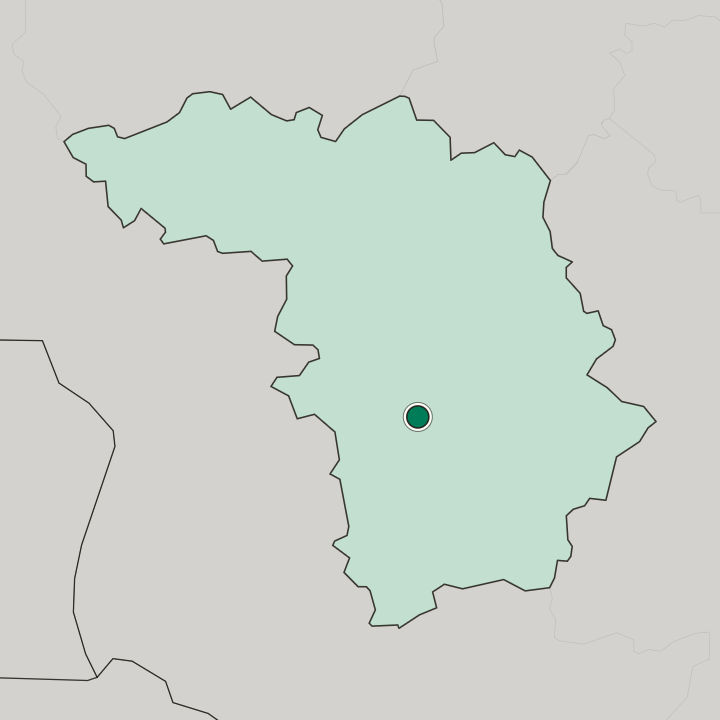
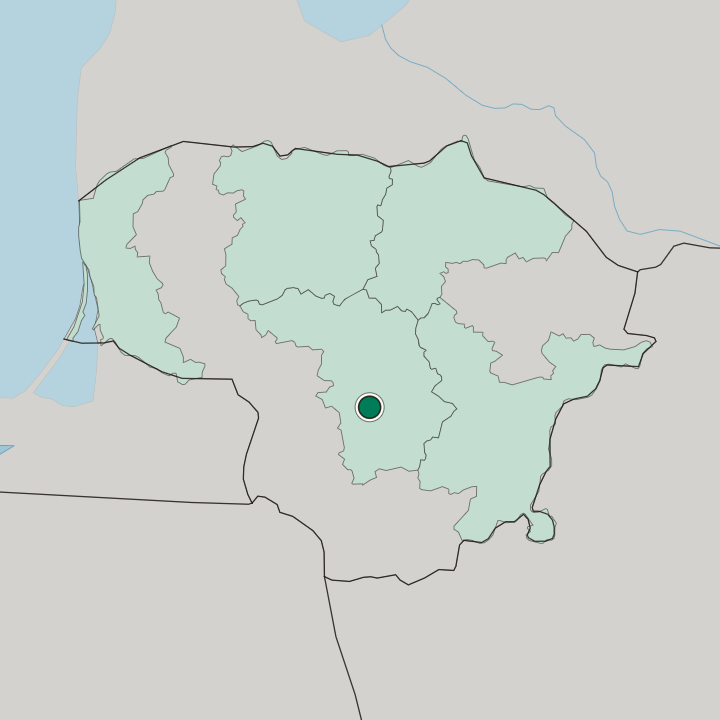
Kaunas sits at the confluence of two rivers in Kaunas County, on the edge of the Sūduva region. The land rises from the water. Kaunas Castle holds the low point of the wedge where the streams join, and the New Town spreads onto the terrace above along Laisvės alėja.
Wooded hills frame the valley, and the domed Christ's Resurrection Church crowns one of them over the roofs of Kaunas.
What is the climate of Kaunas?
Kaunas has a temperate climate with cold, snowy winters and warm summers. Ice edges the two rivers below Kaunas Castle in the coldest months. Green returns slowly in spring.
By high summer the wooded hills around the valley and the terrace along Laisvės alėja fill with long light, while autumn thins the leaves and brings low river mist to the confluence beneath the Old Town of Kaunas.
How do you get to Kaunas?
Kaunas is served by air, rail, and road within Kaunas County. An airport lies outside the city, and trains and coaches connect the centre across Lithuania. The station sits a short way from the Old Town.
From there it is a brief walk or ride to the promenade of Laisvės alėja and to Kaunas Castle at the river meeting, the two points around which the centre of Kaunas orients itself.
Common questions
What is the best area to stay in Kaunas?
Old Town: Cobbled streets by the river meeting. New Town: Life along the promenade. Resurrection Church slope: Rooftop views above the centre.
Good for
Updated October 2026