Lithuania · Vilnius County
Where to Stay in Vilnius, Vilnius County
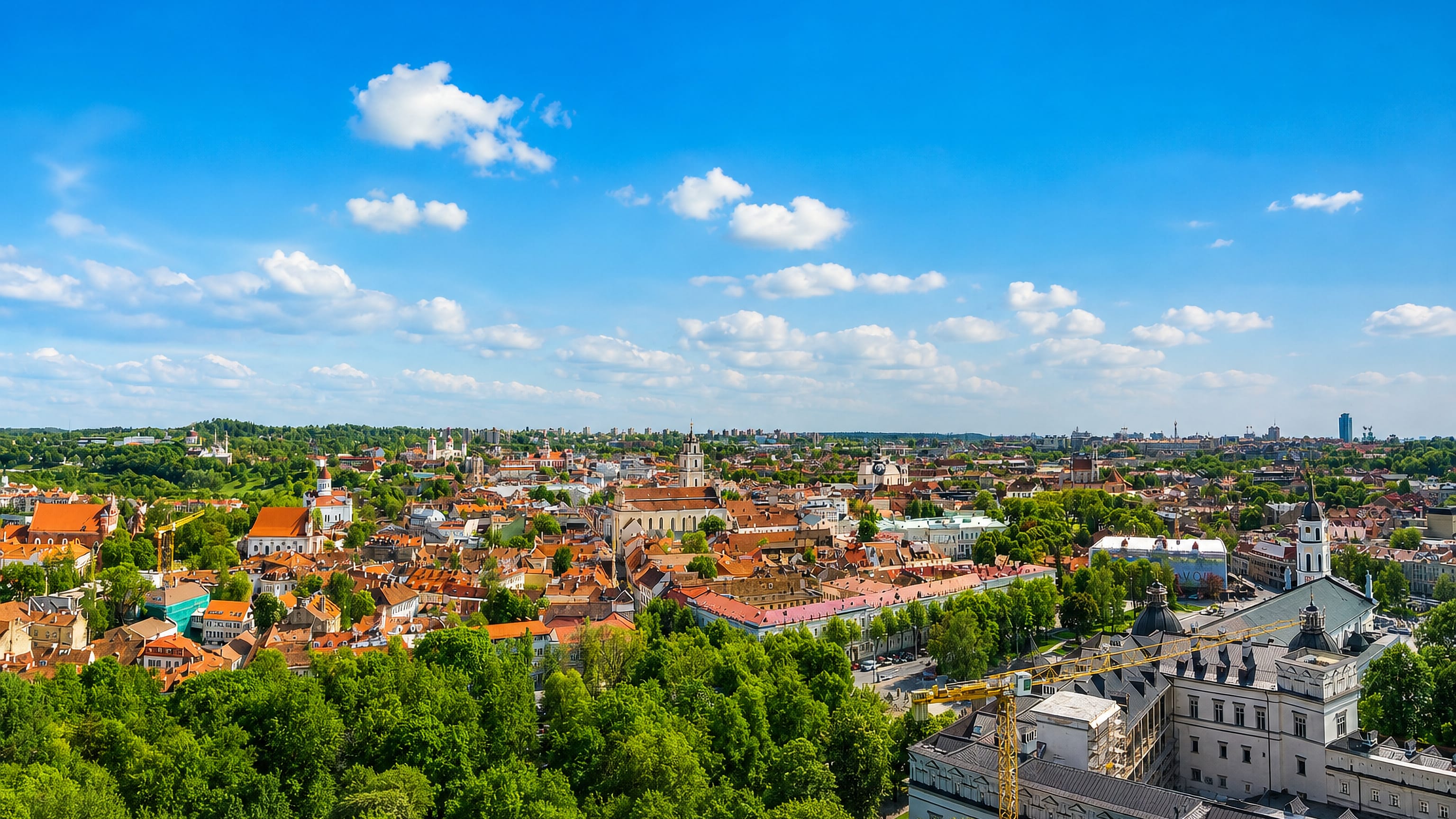
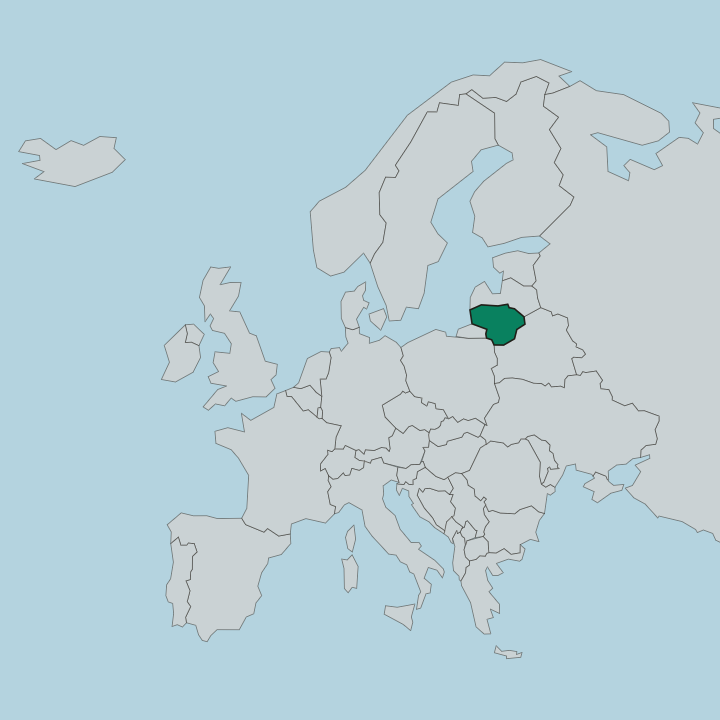
Baroque towers crowd the skyline of Vilnius, the capital of Lithuania in Vilnius County, known for Gediminas' Tower and its walled Old Town.
Hotel links are affiliate links: booking through them may earn us a commission, at no extra cost to you. It never affects how places are ranked. How this works


Where to stay in Vilnius
The right area depends on your trip — here's what each neighbourhood is best for.

 VilniusLithuania
Naujamiestis
Naujamiestis is the Vilnius district of the MO Museum and the Dominican Church of the Holy Spirit, five square kilometres thick with museums.Where to stay → VilniusLithuania
Rasos
Rasos is one of the elderships of Vilnius, its recorded sites running from the Bernardine Monastery to the House of the Signatories.Where to stay → VilniusLithuania
Naujininkai
Naujininkai is one of the elderships of Vilnius, holding the ground between Vilnius International Airport and the railway station.Where to stay → VilniusLithuania
Vilkpėdė
Vilkpėdė is an eldership of Vilnius whose record names two things: a church and the city's indoor athletics hall.Where to stay → VilniusLithuania
Šeškinė
Šeškinė went up in 1977 as a Vilnius microdistrict, a broad wedge of housing set between Justiniškės, Fabijoniškės, Pašilaičiai and Šnipiškės.Where to stay → VilniusLithuania
Antakalnis
Antakalnis is an eldership of Vilnius, a district of the Lithuanian city listed alongside neighbours such as Rasos, Naujamiestis and Naujoji Vilnia.Where to stay → VilniusLithuania
Karoliniškės
Karoliniškės is a Vilnius microdistrict begun in 1971, spread over high ground that falls away to the Neris and holds the woods of Pasakų parkas.Where to stay → VilniusLithuania
Fabijoniškės
Fabijoniškės is one of the residential districts of Vilnius, known to the record by its boundary and by a single listed sporting address.Where to stay → VilniusLithuania
Justiniškės
Justiniškės rose through the 1980s on the western edge of Vilnius, a compact microdistrict of apartment blocks and one of the capital's elderships.Where to stay → VilniusLithuania
Lazdynai
Lazdynai is an eldership of Vilnius on the right bank of the Neris River, its name the Lithuanian word for hazel bushes.Where to stay → VilniusLithuania
Pašilaičiai
Pašilaičiai is a Vilnius eldership of just over eight square kilometres, residential in character rather than a destination within the Lithuanian capital.Where to stay → VilniusLithuania
Pilaitė
Pilaitė is an eldership of Vilnius bordering the lakes Salotė and Gėlužis, named for a castle that once guarded roads into the city.Where to stay → VilniusLithuania
Naujoji Vilnia
Naujoji Vilnia is an eldership of eastern Vilnius, spread along the banks of the Vilnia River, where Pavilnys and Kalnėnai take in new building.Where to stay →Hotel links are affiliate links: booking through them may earn us a commission, at no extra cost to you. It never affects how places are ranked. How this works
Find hotels in Vilnius
Direct booking searches for these neighbourhoods.
Old Town
The Baroque quarter under Gediminas' Tower, with Vilnius Cathedral and the Church of St. Anne minutes apart.Find hotels in Old TownModern art and gallery walksMuseum quarter
Ground around the MO Museum and the National Gallery of Art, with the Old Town still an easy stroll.Find hotels in Museum quarterQuieter riverside nightsCathedral side
Streets by the Church of St. Peter and St. Paul, set apart from the busy lanes near the Vilnius Castle Complex.Find hotels in Cathedral sideHotel links are affiliate links: booking through them may earn us a commission, at no extra cost to you. It never affects how places are ranked. How this works
Things to do in Vilnius
Ranked by global recognition; descriptions from Wikidata (CC0).
Museums & Galleries
3- Museum of Occupations and Freedom Fights
- National Museum of Lithuania
- Lithuanian National Museum of Art
Churches & Religious Sites
3- Vilnius Cathedral
- Church of St. Anne, Vilnius
- Church of St. Peter and St. Paul, Vilnius
Castles & Historic Sites
3- Gediminas' Tower
- Three Crosses
- Vilnius Castle Complex
Stadiums & Sports
3- Active Vilnius arena
- Utenos pramogų arena
- SEB Arena
Landmarks & Notable Places
1- Vileišis Palace
worth knowingacross 5 categories in Vilnius
About Vilnius
What is Vilnius known for?
Vilnius is known for one of the largest surviving Baroque old towns in the region, watched over by Gediminas' Tower on its castle hill. The Vilnius Castle Complex anchors the historic core, and church towers rise on nearly every block. Vilnius Cathedral fronts a broad square below the hill.
Vilnius's own Church of St. Anne draws the eye with its brickwork, while the Three Crosses stand pale on a green ridge across the valley. Museums fill the old streets too.
What are the main landmarks in Vilnius?
The main landmarks in Vilnius cluster in and around the Old Town. Gediminas' Tower crowns the castle hill as the surviving keep of the Vilnius Castle Complex. Below it stand Vilnius Cathedral and the Baroque Church of St. Casimir.
Vilnius's own Church of St. Anne shows off its Gothic brick, and the Church of St. Peter and St. Paul hides a white stucco interior. Museums carry the rest. The Vilna Gaon Jewish Museum of Jewish History records the city's Jewish heritage, while the Adam Mickiewicz Monument marks the poet's ties to the place.
What is the history of Vilnius?
Vilnius carries a documented past reaching back to 1201, when the settlement below the castle hill first enters the record. The Vilnius Castle Complex grew into the seat of the grand dukes, and Gediminas' Tower survives from that fortified height. Trade and faith shaped the rest.
Successive centuries layered church after church across the valley, from the Gothic brick of the Church of St. Anne to the Baroque fronts of the Church of St. Casimir and the Church of St. Peter and St. Paul, so the skyline itself reads as a chronicle of styles. The city became a meeting ground for many communities, and its long-settled Jewish life earned it a place in learning that the Vilna Gaon Jewish Museum of Jewish History now records. The House of the Signatories marks where Lithuania's declaration of independence was signed, tying the Old Town to the nation's modern founding.
Occupation and recovery followed, and the Museum of Occupations and Freedom Fights preserves that harder chapter. Through each turn the Baroque quarter endured, its towers standing above Vilnius as they had for centuries.
Where is Vilnius?
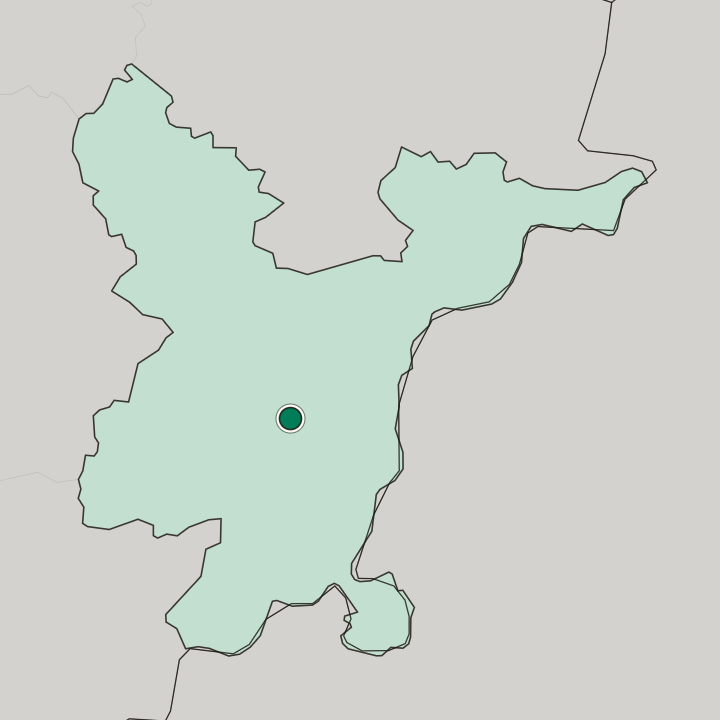
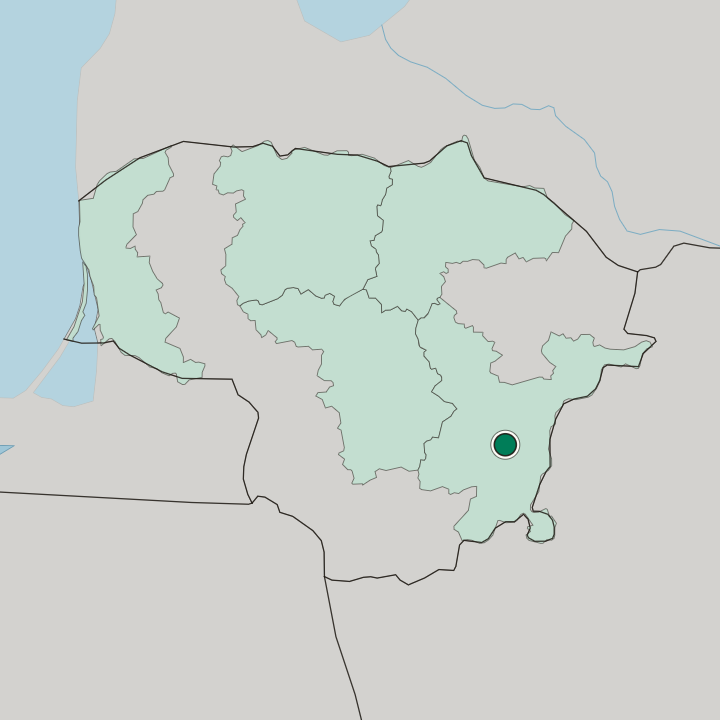
Vilnius sits in the valley of Vilnius County, wrapped around the castle hill where Gediminas' Tower stands. The land folds into low ridges here. The Three Crosses rise on a green rise above the Old Town, giving the built-up core its steep green backdrop.
Wooded slopes and river ground surround the historic quarter, so the Baroque towers of Vilnius appear against hills rather than open plain. That setting kept the medieval street plan tight and climbing.
What is the climate of Vilnius?
Vilnius has a temperate climate of cold, snowy winters and warm, green summers. Snow settles on the towers of the Vilnius Castle Complex through the darkest months. Spring comes late but bright.
The wooded ridges around the Three Crosses turn deep green by high summer, when long daylight fills the Old Town streets, before autumn draws the colour back down the slopes and shortens the days over the valley of Vilnius County.
How do you get to Vilnius?
Vilnius is reached by air, rail, and road as the capital of Lithuania. Flights land close to the city, and trains and long-distance coaches feed the centre from across Vilnius County and beyond. The Old Town lies a short ride from the terminals.
From the arrival halls it is a quick approach to Gediminas' Tower and Vilnius Cathedral, the two markers most travellers steer by once they reach the historic core.
Common questions
What is the best area to stay in Vilnius?
Old Town: First-time visitors near the Baroque core. Museum quarter: Modern art and gallery walks. Cathedral side: Quieter riverside nights.
Good for
Updated October 2026