Libya
Sabhā, Libya — Towns & Travel Guide
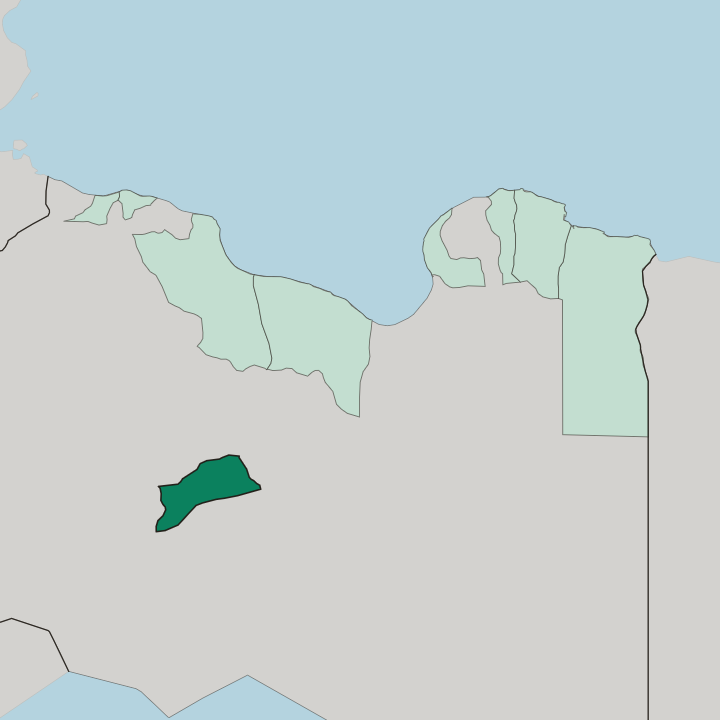
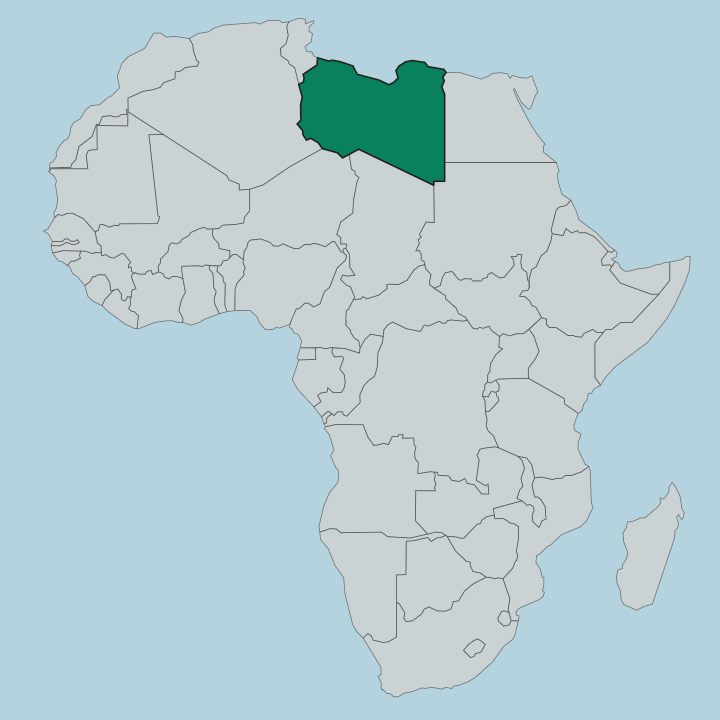
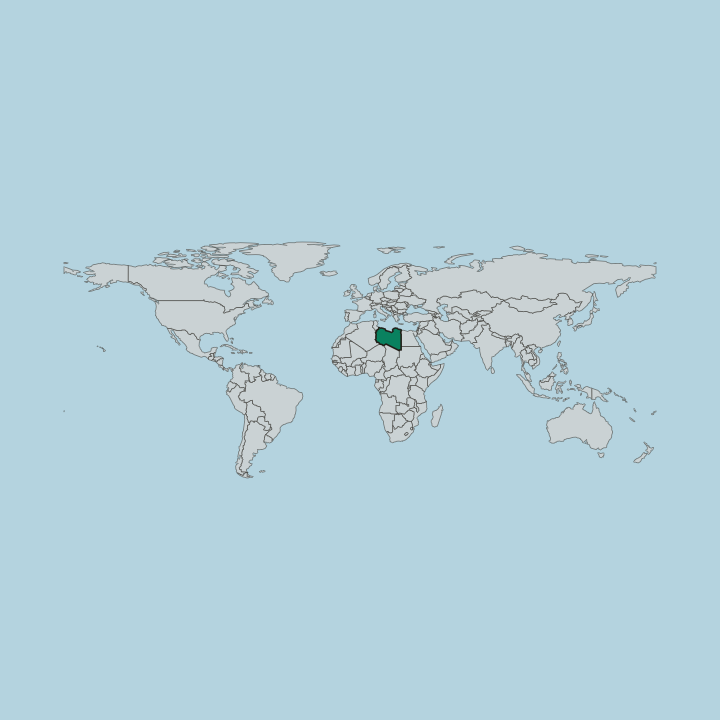
Sabhā is a district near the centre of Libya, in the Fezzan, with the city of Sabha as its capital and four districts closing every side.
Hotel links are affiliate links: booking through them may earn us a commission, at no extra cost to you. It never affects how places are ranked. How this works


Towns & cities in Sabhā
One town here has its own guide — it links to where to stay.
 Libya
Libya
Sabha
Sabha is an oasis city of the Fezzan, far from Tripoli in the Libyan interior, and the capital of the Sabha District.Where to stay →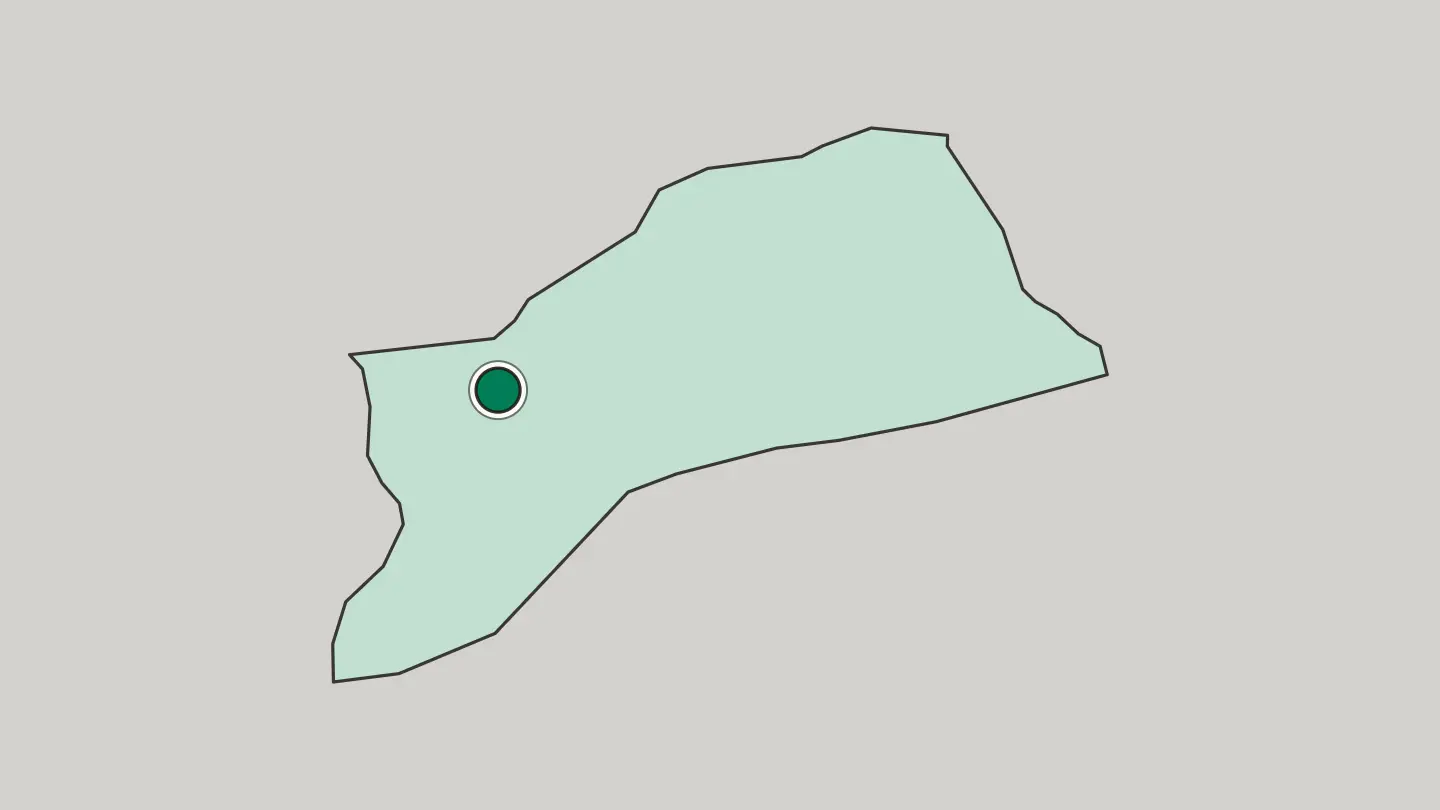
Hotel links are affiliate links: booking through them may earn us a commission, at no extra cost to you. It never affects how places are ranked. How this works
About Sabhā
The Fezzan is the wider name.
What is Sabhā known for?
Sabhā sits inside that region, which covers the interior of Libya and gives the district a frame far older and larger than the administrative one drawn around it. Its capital repeats the name. The city of Sabha serves as the seat, so district and principal settlement are read together on any map, while the surrounding districts account for the rest of the outline.
Where is Sabhā?
This is interior country. Sabhā lies near the centre of Libya, well away from any coast, and every one of its boundaries is shared with another district rather than with the sea or with a state beyond, which makes it an entirely inland unit. Four neighbours close the ring.
Wadi Al Shatii holds the north, Al Jufrah the east, Murzuq the south and Wadi Al Hayaa the west, which leaves the district a landlocked block inside the Fezzan. The Fezzan gives it context. That regional name covers the interior and is the term under which Sabhā is usually placed, older than the district system and wider than any single administrative unit drawn within it.
Subtropical is the label Sabhā carries. Ground at this remove from the coast, ringed by Murzuq and Wadi Al Hayaa and the others, belongs to the dry interior rather than to the coastal margin of the country, and its geography is read accordingly. Sabha anchors the middle.
The capital gives the district a single fixed point in a landscape whose other reference marks are simply the boundaries it shares with Wadi Al Shatii, Al Jufrah, Murzuq and Wadi Al Hayaa.
What is Sabhā like?
Fezzan is the identity that carries weight. Long before Libya's districts were mapped, the interior of the country was known by that regional name, and Sabhā belongs to it as much as it belongs to the administrative list it appears on. The name is worked in Arabic.
Sabha and Sabhā are the same word reaching print by different routes, one plain and one carrying its vowel mark, and neither is a different place. Distance shapes the culture of a place like this. The bordering districts are Wadi Al Shatii, Al Jufrah, Murzuq and Wadi Al Hayaa, all of them interior units of the Fezzan, so the exchanges that matter here run inland rather than towards any port.
The capital concentrates everything. With the city of Sabha as the only named settlement in the district, everything from administration to public life gathers in one place instead of spreading across a string of towns. Arabic is the language throughout.
It is what the district name, the regional name and the names of the four bordering districts are all written in, and the Latin spellings that reach foreign maps are transliterations of it.
What is the history of Sabhā?
The Fezzan predates the district. Sabhā is a modern administrative unit of Libya, but the region it sits in has carried its own name for far longer, and the district was drawn onto ground already understood as the interior of the country. The capital gave it a name.
The city of Sabha became the seat and the district took the same word, with borders settled against Wadi Al Shatii, Al Jufrah, Murzuq and Wadi Al Hayaa. No charter year survives for either.
What is the climate of Sabhā?
The Fezzan is the agent here. Sabhā lies in the subtropical band and deep in the interior, with no coastline anywhere on its boundary, and it is that combination rather than any single wind or current that governs conditions across the district. The neighbours share it.
Wadi Al Shatii, Al Jufrah, Murzuq and Wadi Al Hayaa stand in the same position relative to the sea, so what holds for Sabha holds broadly for the interior districts around it.
How do you get to Sabhā?
Land routes do all the work here. Sabhā has no coast and no border with another country, so approaches come through the four districts that surround it, and the city of Sabha is where those routes converge. The compass sorts them.
Wadi Al Shatii feeds the district from the north and Al Jufrah from the east, while Murzuq lies to the south and Wadi Al Hayaa to the west, each of them a separate crossing of Fezzan ground.
Common questions
What is the best area to stay in Sabhā?
Sabha: The single named base for anyone crossing the Fezzan interior. Wadi Al Hayaa side: Onward travel west out of the district rather than a night inside it.
More regions in Libya
Updated September 2026