
Libya
Tripoli, Libya — Towns & Travel Guide
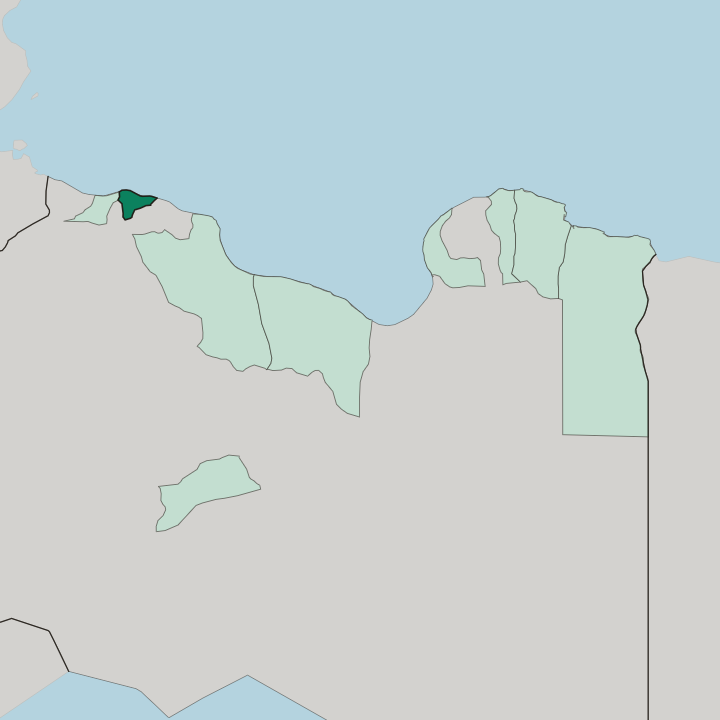
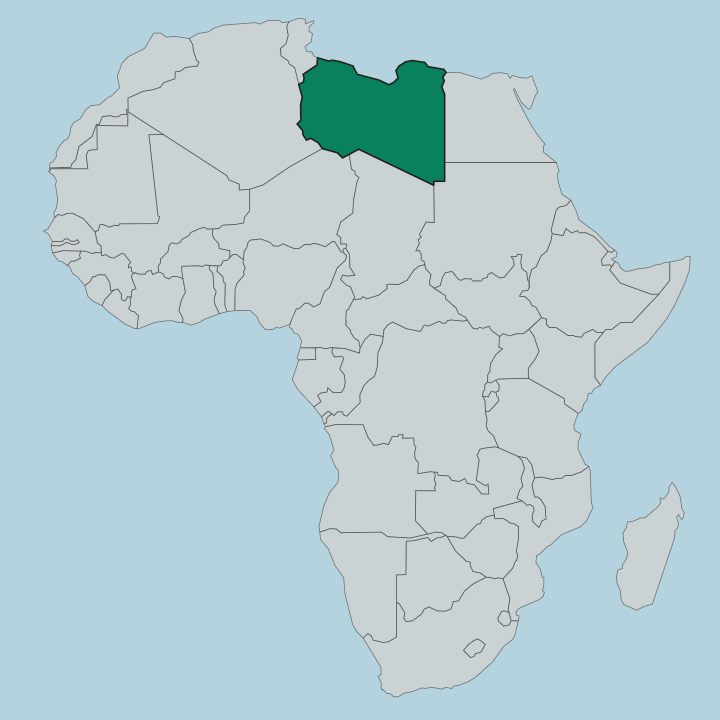
The Tripoli district wraps the capital's coast in north-west Libya, a Mediterranean region built around the port city of Tripoli.
Hotel links are affiliate links: booking through them may earn us a commission, at no extra cost to you. It never affects how places are ranked. How this works


Towns & cities in Tripoli
One town here has its own guide — it links to where to stay.
 Libya
Libya
Tripoli
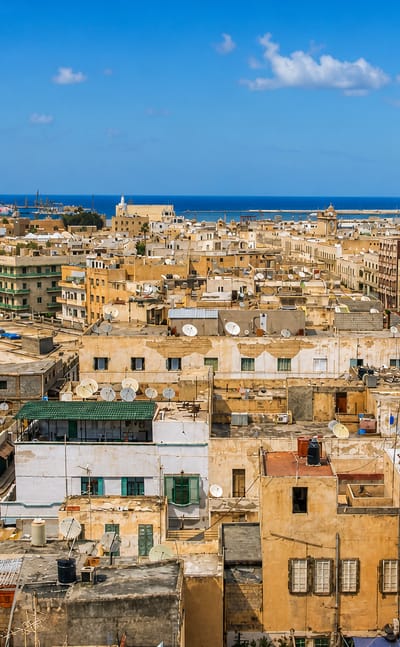
Whitewashed walls and the Mediterranean meet at Tripoli, the capital and principal harbour of Libya, known for Tripoli Castle and its old medina.Where to stay →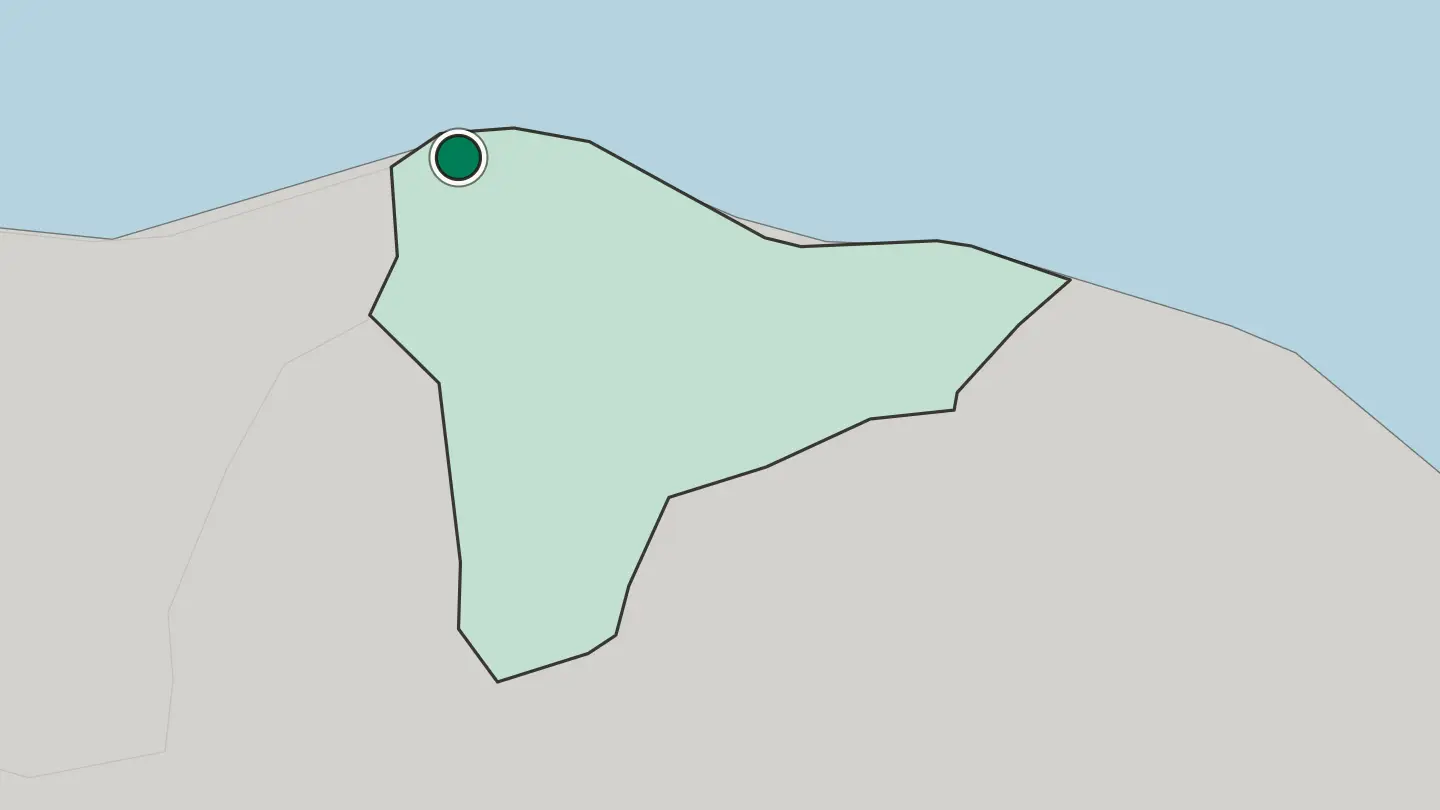
Hotel links are affiliate links: booking through them may earn us a commission, at no extra cost to you. It never affects how places are ranked. How this works
About Tripoli
What is Tripoli known for?
The Tripoli district is known as the coastal region surrounding the Libyan capital in the north-west of the country. It takes in the port city of Tripoli, the principal harbour and biggest commercial and manufacturing centre of Libya, together with the stretch of Mediterranean shore around it. This is the most urban corner of the North African coast here.
The sea defines the district. Its whole life turns on the harbour and the trade that flows through it.
Where is Tripoli?
The Tripoli district occupies the north-west corner of Libya, fronting the Mediterranean Sea along the coast of North Africa. It is a compact coastal region, drawn tight around the capital rather than reaching far inland. The land runs from the harbour and the shoreline back onto the low coastal plain that fringes this part of the Libyan seaboard.
Water sets its northern edge. The Mediterranean forms the whole seaward boundary, and the port of Tripoli marks the point where the district meets the water most sharply. Behind the coast the ground rises gently toward the drier interior of Libya, so the district holds the wetter, greener band between the sea and the desert.
This narrow coastal strip is where the population gathers. Its geography is the geography of a harbour and its immediate hinterland, framed by the sea to the north-west and the plain behind. The Mediterranean shapes it all.
What is Tripoli like?
Culture in the Tripoli district is the culture of the Libyan capital and its Mediterranean coast. Arabic is the language of the streets, the markets, and the harbour trade, and the region carries the customs of a North African port that has long faced the sea. The rhythm of the district follows the coast.
Fishing, shipping, and the commerce of the principal harbour of Libya have shaped daily life here for generations, giving the region an outward, maritime character rather than an inland one. The old walled quarter of the port city holds the heritage that the wider district looks to, from its mosques to its markets. Colonial-era streets from the early twentieth century still thread through the centre, a layer of the coast's mixed past.
Together these give the Tripoli district a distinctly urban, seafaring identity within Libya. Nowhere here loses sight of the Mediterranean. Trade, faith, and the harbour bind the region's life together along this north-west stretch of coast.
What is the history of Tripoli?
The Tripoli district grew around one of the oldest harbours on the North African coast, the Mediterranean port that became the Libyan capital. Its story is the story of that harbour, which drew trade to this stretch of the north-west Libyan shore across successive eras. The walled port town at its heart preserves the layers of that long past.
The sea carried its fortunes. Through each period the district held its role as the coastal gateway of Libya, centred always on the port of Tripoli.
What is the climate of Tripoli?
The Tripoli district has a Mediterranean climate set by its place on the north-west coast of Libya. Summers run long and dry under high heat, then give way to mild winters that bring the year's rain, and the sea breeze off the Mediterranean softens the coastal air. The shore stays gentler than the interior.
Skies are mostly clear. Inland from the coast the influence of the sea fades and the drier heat of the Libyan interior begins to press in.
How do you get to Tripoli?
The Tripoli district is entered through the harbour and coastal roads of its capital on the Mediterranean. The port of Tripoli is the principal harbour of Libya, the sea gateway that ties the region to the wider North African coast and the routes running east and west along the shore. Coastal roads link it across the country.
Most arrivals come through the city. From the district's Mediterranean waterfront, the walled port of Tripoli is the natural point of entry to the whole region.
Common questions
What is the best area to stay in Tripoli?
Tripoli city and harbour: The district's only real base.
More regions in Libya
Updated September 2026