Moldova · Administrative-Territorial Units of the Left Bank of the Dniester
Where to Stay in Rîbniţa, Administrative-Territorial Units of the Left Bank of the Dniester
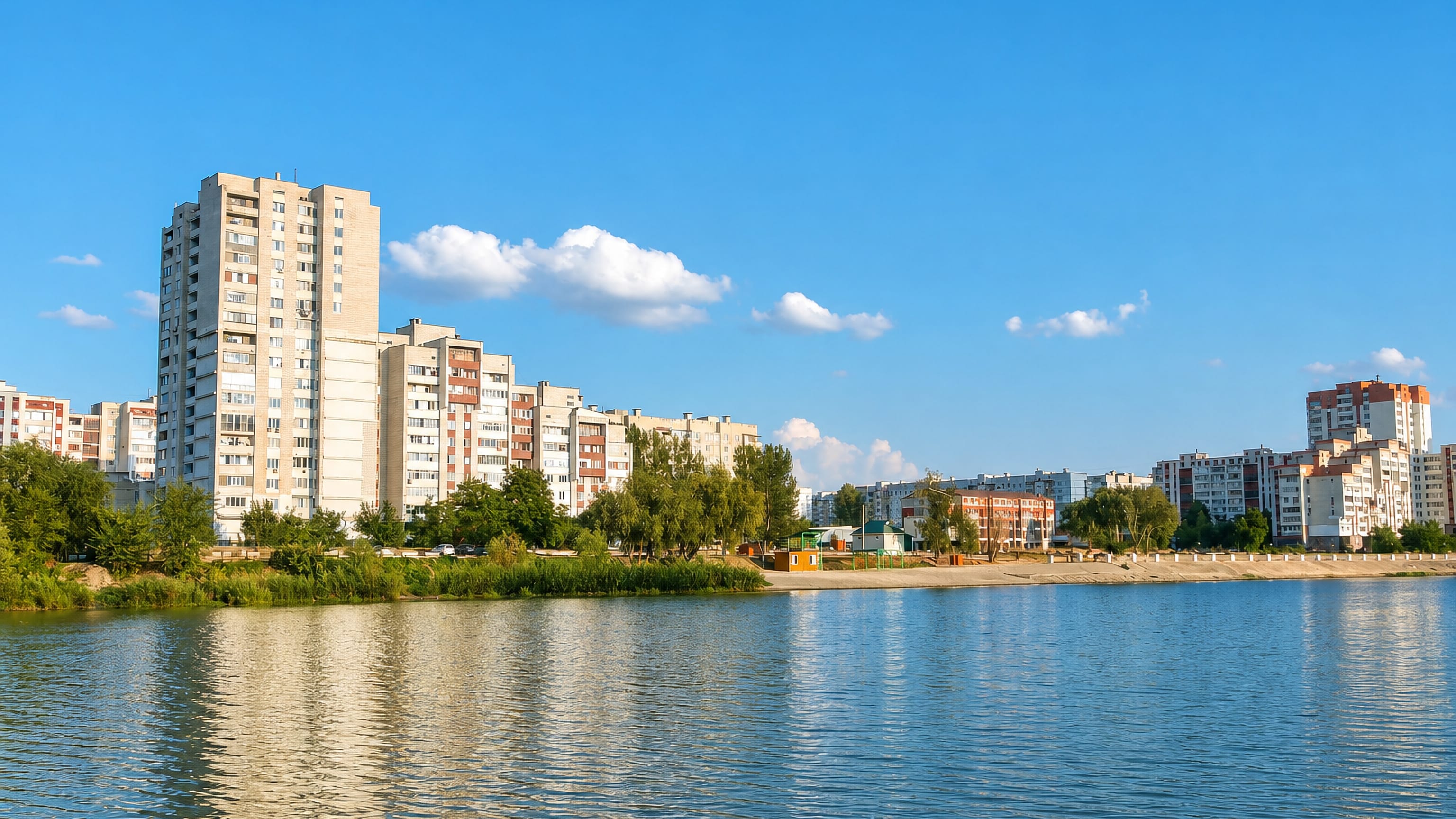
Rîbnița is a town on the left bank of the Dniester in northern Transnistria, seat of the Rîbnița District and held off the river by a concrete dam.
Find your area →


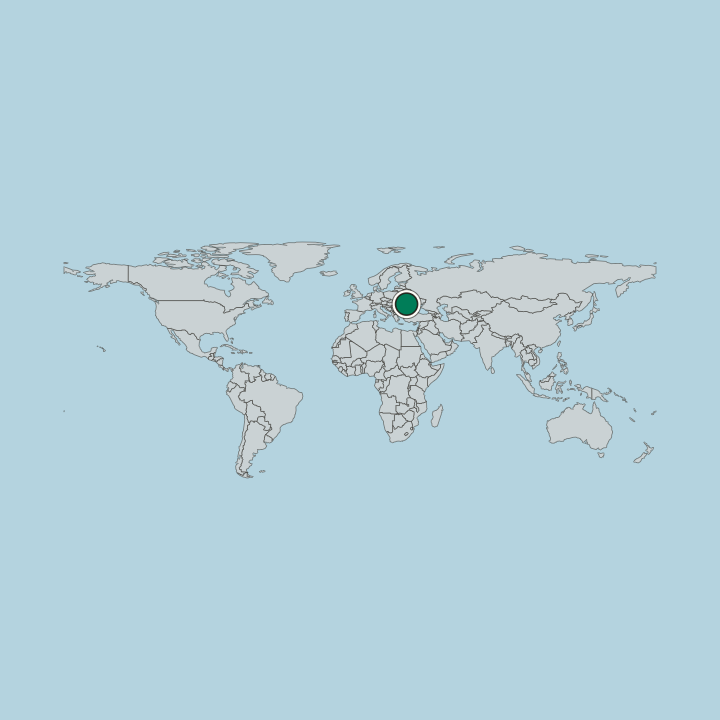
Where to stay in Rîbniţa
How the choice of base plays out on the ground.
Three anchors set the choice. The Palatul de cultură sits at the civic centre of Rîbnița, and rooms near it put the mosaic façade, the main streets, and the everyday business of the town within walking reach. For everyday convenience, start there.
Down at the Dniester the concrete dam holds the river off the left bank, and the water side gives a different aspect from the streets set back behind it. The Arhanghel Mihail church stands among them. The Stația de cale ferată anchors the third option, and anyone moving on by rail or arriving late will find that corner of Rîbnița the least trouble.
Distances across town are modest. Rîbnița heads the Rîbnița District, so it doubles as the base for the country running toward Ukraine. Bookings are worth arranging in advance, since a district town in the northern half of Transnistria carries nothing like the room stock of a capital.
Complex of military glory in Rîbnița and the graves at the old cemetery sit within the same short walk of the centre, which keeps the sightseeing compact. The centre repays a night.
Things to do in Rîbniţa
Ranked by global recognition; descriptions from Wikidata (CC0).
Churches & Religious Sites
1- Biserica „Sf. Arhanghel Mihail” Heritage
Castles & Historic Sites
5- Complex of military glory in Rîbnița Heritage
- Așezare - Ciorna - I Heritage
- Așezare - Rîbnița Heritage
- Bustul lui Mihai Eminescu Heritage
- Tumul - Rîbnița Heritage
Landmarks & Notable Places
1- Clădirea fostei închisori, unde se săvârșeau răfuielile fasciste Heritage
worth knowingacross 3 categories in Rîbniţa
About Rîbniţa
The dam comes first.
What is Rîbniţa known for?
A concrete barrier separates Rîbnița from the Dniester, and the town stands on the left bank behind it, in the northern half of Transnistria between the river and Ukraine. It heads the Rîbnița District. Working buildings mark the fabric, from the Fabrica de zahăr to the Palatul de cultură with its mosaic façade.
Memorials to the years 1941 to 1945 stand at the old cemetery.
What are the main landmarks in Rîbniţa?
The register is unusual. The Arhanghel Mihail church carries the religious weight, while the Bustul lui Mihai Eminescu marks a public monument and the Palatul de cultură wears a mosaic across its façade. Complex of military glory in Rîbnița commemorates the war years.
Older ground survives as well: a settlement site at Ciorna and a tumul record occupation long before the town took its present shape. The Fabrica de zahăr belongs to the working layer.
What is the history of Rîbniţa?
Settlement here predates the town. Two archaeological sites, one at Rîbnița itself and one at Ciorna, together with a tumul, place people on this stretch of the Dniester long before any of the standing buildings. The left bank was settled ground.
An older religious thread survives at the Arhanghel Mihail church. The twentieth century left the heaviest marks, and they are not decorative: a former prison building, common graves of victims of fascism at the old cemetery, and the years 1941 to 1945 recorded on stone. Complex of military glory in Rîbnița belongs to the same memory.
Industry shaped the rest. The Fabrica de zahăr and the Palatul de cultură, the latter faced with a mosaic, stand for the period when the town was built up as a working centre of the left bank. Rail arrived with the Stația de cale ferată, linking Rîbnița to the wider network.
The Bustul lui Mihai Eminescu stands among the town's public monuments, one of several markers that fix cultural memory in stone alongside the war graves and the military complex. Transnistria seceded from Moldova and is still claimed by it, an unsettled status that has held since the end of the Soviet Union, and the territory it covers runs between the Dniester and Ukraine. Rîbnița heads its district from that bank.
Where is Rîbniţa?
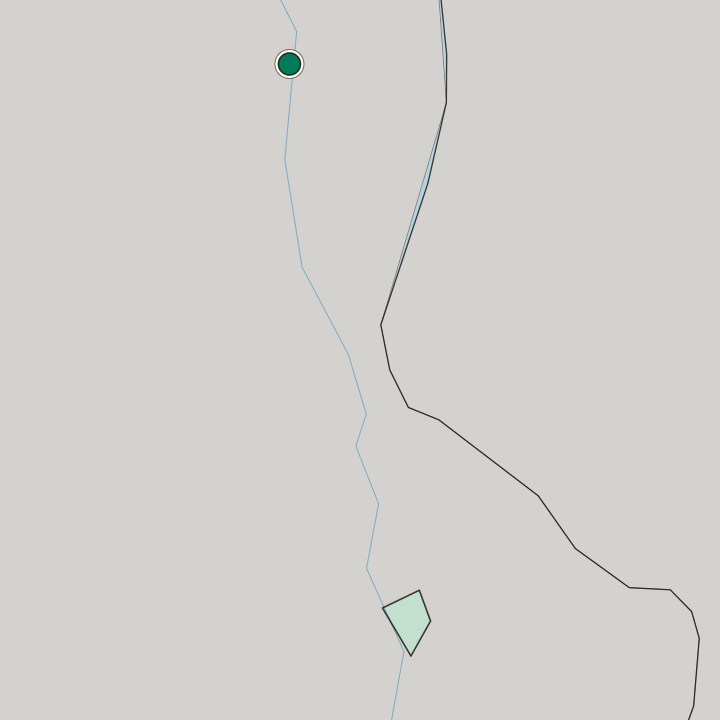
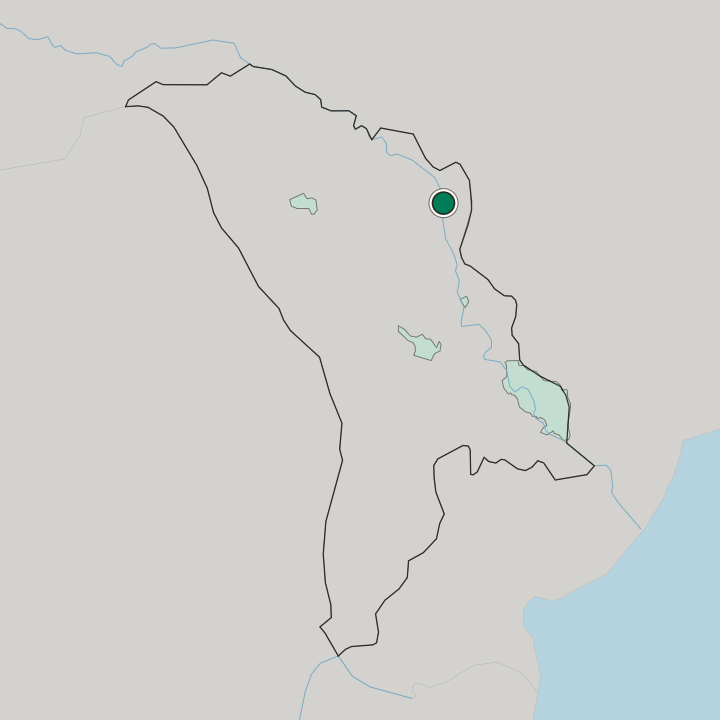
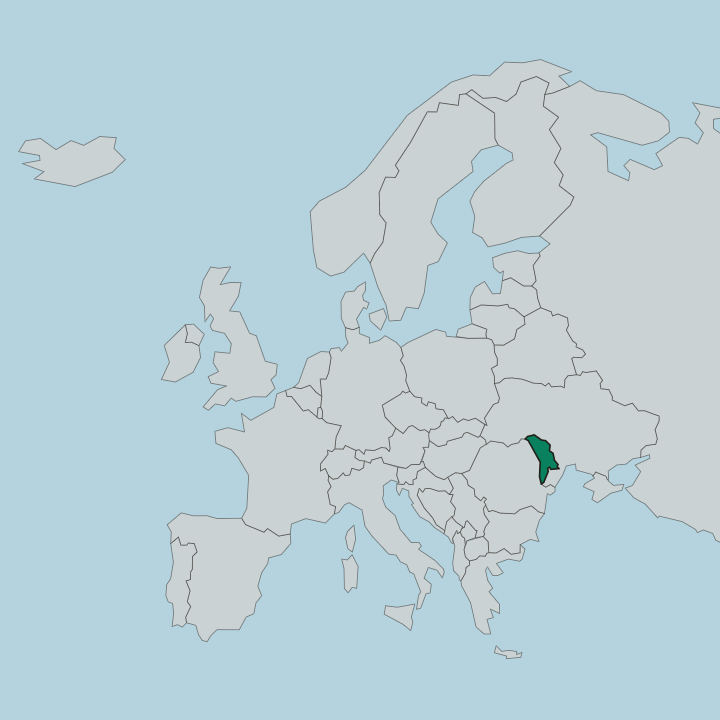
A dam stands between town and water. Rîbnița occupies the left bank of the Dniester in the northern half of Transnistria, with a concrete wall holding the river clear of the built-up ground. The territory around it runs between the Dniester and Ukraine, a band of temperate country rather than anything mountainous.
Rîbnița District spreads out from the town. Ciorna, recorded as an archaeological site nearby, marks the same riverside ground.
What is the climate of Rîbniţa?
There is no sea to soften the air. Rîbnița lies inland in a temperate band, and the open country running from the Dniester toward Ukraine gives the air little to check it in either direction. The dam keeps the river at a fixed remove from the streets, so the water does little to soften what the season brings.
Each of the four seasons arrives distinctly. Transnistria as a whole shares the pattern, since the strip between the Dniester and Ukraine has no relief high enough to break it up.
How do you get to Rîbniţa?
Rail reaches the town. The Stația de cale ferată gives Rîbnița its fixed arrival point, and the line through it is the clearest way in for anyone not driving the left bank road. Roads follow the Dniester through Transnistria, running north and south along the same bank that Rîbnița sits on.
The district seat draws its own traffic. Ukraine bounds the strip on one side and the Dniester on the other, so approaches arrive along the corridor between them.
Good for
Updated September 2026