
Moldova
Administrative-Territorial Units of the Left Bank of the Dniester, Moldova — Towns & Travel Guide
The Administrative-Territorial Units of the Left Bank of the Dniester is a de jure autonomous territorial unit of Moldova.
Find your area →


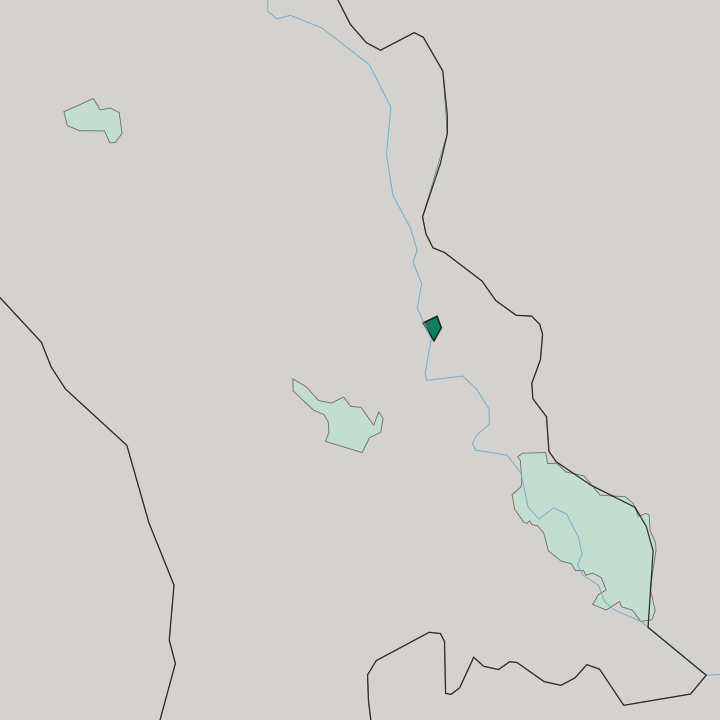
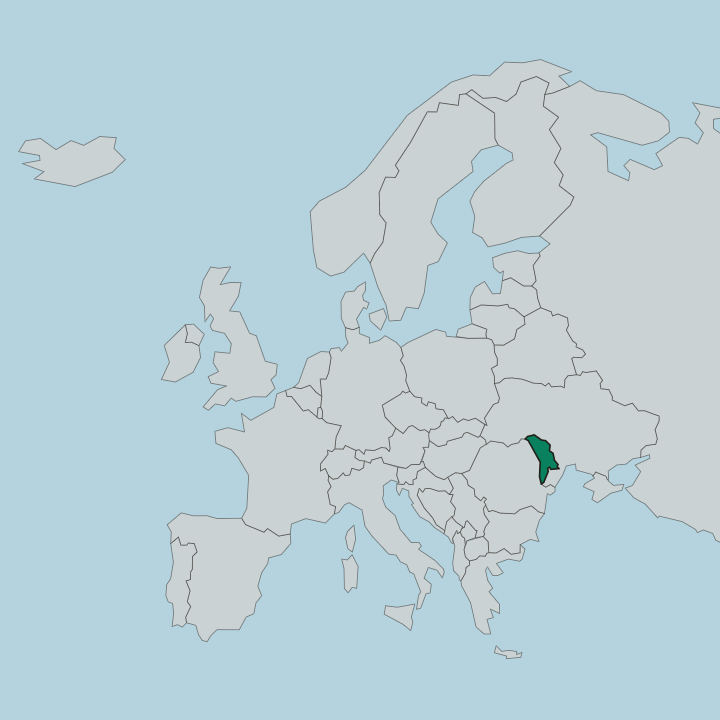
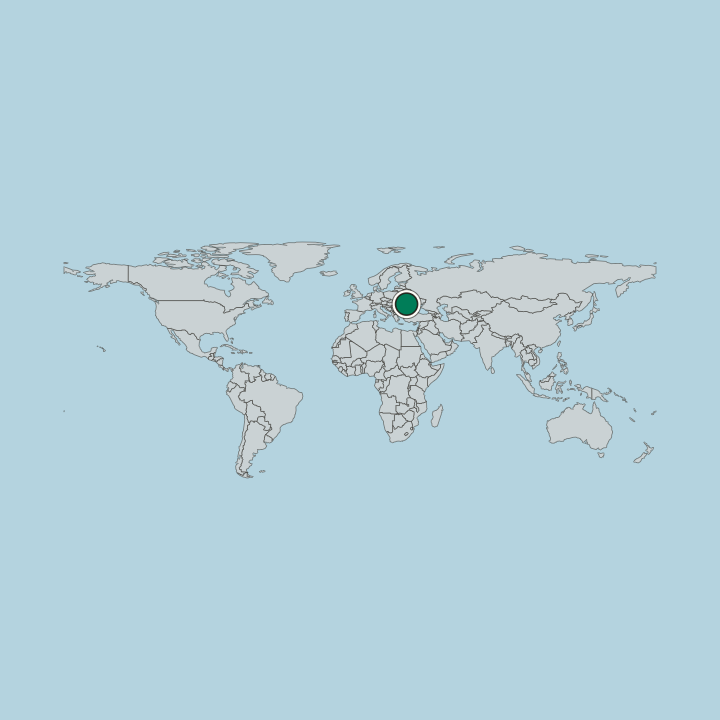
Towns & cities in Administrative-Territorial Units of the Left Bank of the Dniester
One town here has its own guide — it links to where to stay.

 Moldova
Rîbniţa
Rîbnița is a town on the left bank of the Dniester in northern Transnistria, seat of the Rîbnița District and held off the river by a concrete dam.Where to stay →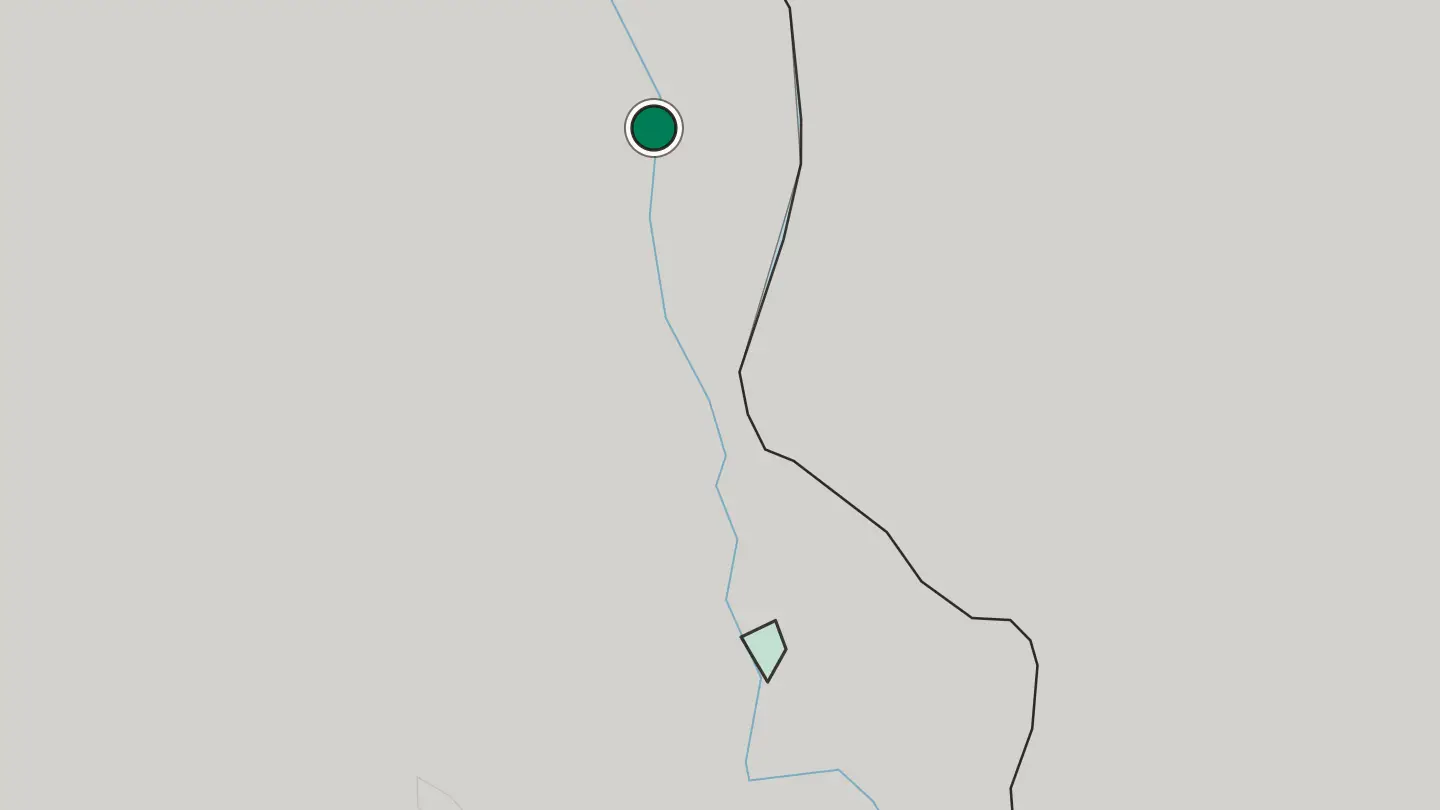
About Administrative-Territorial Units of the Left Bank of the Dniester
This name describes a boundary, not a landscape.
What is Administrative-Territorial Units of the Left Bank of the Dniester known for?
The Government of Moldova established this unit to delineate the territory on the left bank of the Dniester that is administered by Transnistria, which is not internationally recognised as a state. The river gives the unit its shape. In Romanian the designation runs Unitățile administrativ-teritoriale din stînga Nistrului, and every word of it is geographic or administrative, which tells a reader what kind of entity this is before anything else does.
Where is Administrative-Territorial Units of the Left Bank of the Dniester?
One river defines the whole unit. The Dniester runs through Moldova, and everything gathered under this designation lies on its left bank, which is why the name is a description of position rather than a regional or ethnic label. A left bank is read facing downstream.
The convention is old and universal in river geography, so the phrase in the Romanian form, din stînga Nistrului, fixes the territory by reference to the water rather than to any drawn line. Beyond the river the file is thin. No hills, no lakes, and no named settlements appear in the record for the Administrative-Territorial Units of the Left Bank of the Dniester, which leaves the Dniester itself as the single physical feature a reader can rely on.
This ground sits in a temperate band. That places the unit in the temperate belt of the northern hemisphere, alongside the rest of Moldova, with the seasonal contrast that belongs to such a position rather than the extremes of either pole or tropic. Anything more specific belongs to the settlements themselves, and those are described where they are described, not in the frame that contains them.
What is Administrative-Territorial Units of the Left Bank of the Dniester like?
The name itself is the cultural document here. Unitățile administrativ-teritoriale din stînga Nistrului is Romanian, the language in which Moldova frames its own administration, and the choice of that language for a territory administered by Transnistria is the plainest fact the record offers about the situation. Two vocabularies describe one place.
English-language sources render it as the Administrative-Territorial Units of the Left Bank of the Dniester, a literal translation, and the absence of any shorter or more familiar form leaves the designation exactly as long in ordinary use as it is on paper. No festivals or crafts are recorded. The file for this unit carries no monuments, no traditions, and no named institutions, which is a limit of the source rather than a statement about the people who live along the Dniester.
Culture here sits in the settlements. A territorial designation of this kind is a container, and whatever a visitor would recognise as cultural life belongs to the towns inside it rather than to the frame that Moldova drew around them. Language is the exception.
Romanian supplies the official form of the name, and it is the one element of the entry that a reader can hold onto as cultural rather than purely administrative.
What is the history of Administrative-Territorial Units of the Left Bank of the Dniester?
The unit exists because a border did not settle. The Government of Moldova created the Administrative-Territorial Units of the Left Bank of the Dniester as a de jure autonomous territorial unit, defining on paper the area that Transnistria administers in practice. A founding year never appears.
What the record does state is the purpose, and a designation written to describe a gap between law and control is unusual enough that the purpose is the history.
What is the climate of Administrative-Territorial Units of the Left Bank of the Dniester?
The Dniester sets the local frame. This is temperate country in the northern hemisphere, so the year divides into a warm half and a cold one, and the river valley moderates the ground beside it the way running water does anywhere in Moldova. Details are not in the file.
No temperature series and no rainfall record for the Administrative-Territorial Units of the Left Bank of the Dniester appears in the sources, so seasonal planning has to rest on the wider Moldovan pattern.
How do you get to Administrative-Territorial Units of the Left Bank of the Dniester?
Approach is a legal question before a practical one. Crossing onto the left bank of the Dniester means entering territory that Transnistria administers rather than the Government of Moldova, and the arrangements for doing so are set by the authorities on the ground rather than by any timetable. No route is named here.
The record for this unit lists no road, rail line, airport, or operator, so a traveller has to work from sources describing the specific towns of Moldova on either side of the river rather than from the entry.
More regions in Moldova
Updated September 2026