Moldova · Municipiul Bender
Where to Stay in Bender, Municipiul Bender
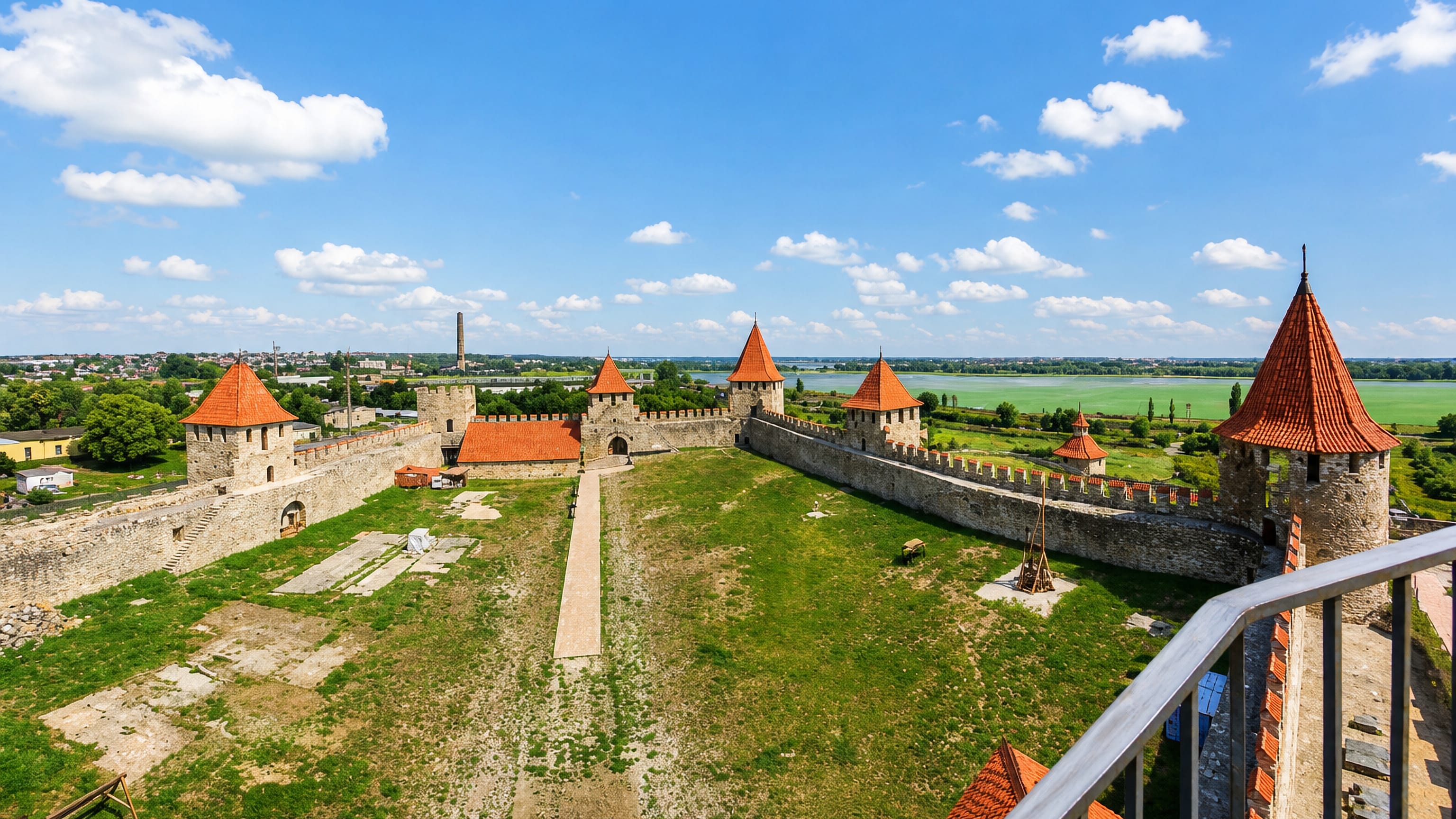
Bender, also called Tighina, stands on the right bank of the Dniester in Bessarabia, a city dating from 1408 and lined with war memorials.
Find your area →


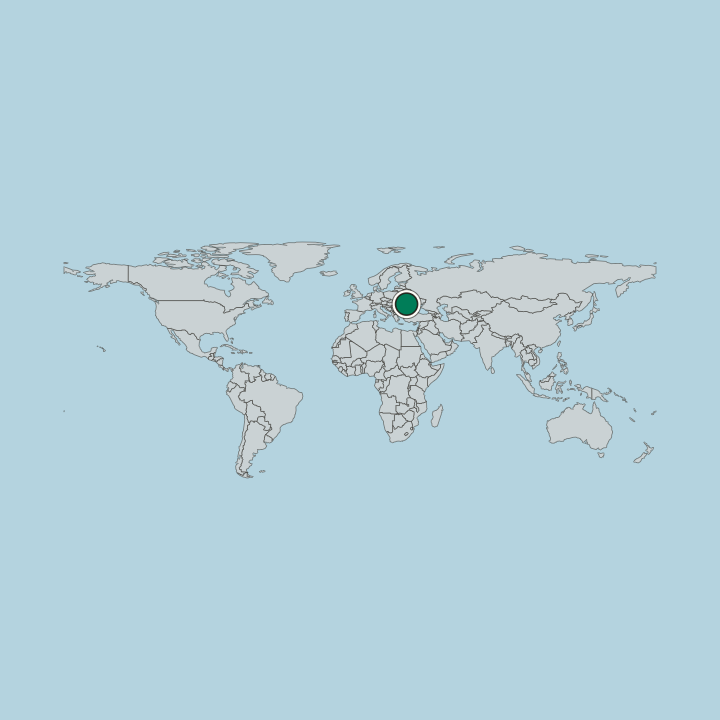
Where to stay in Bender
How the choice of base plays out on the ground.
The cathedral marks the centre. Rooms near the Transfiguration Cathedral put the older core of Bender within reach on foot, with the Memorial of Remembrance and Sorrow and the Podolsky Regiment monument close enough to fold into a morning. Everything sits on the right bank.
Down by the Dniester a bed trades the traffic of the centre for the water, and the walk back into Bender takes only a few minutes either way. Bender Memorial of Railway Workers belongs to the same short circuit. Varnița sits in Anenii Noi, close enough that its monuments appear on Bender's own list, and a bed there suits anyone drawn to the Monument to Charles XII of Sweden and the Red Army graves.
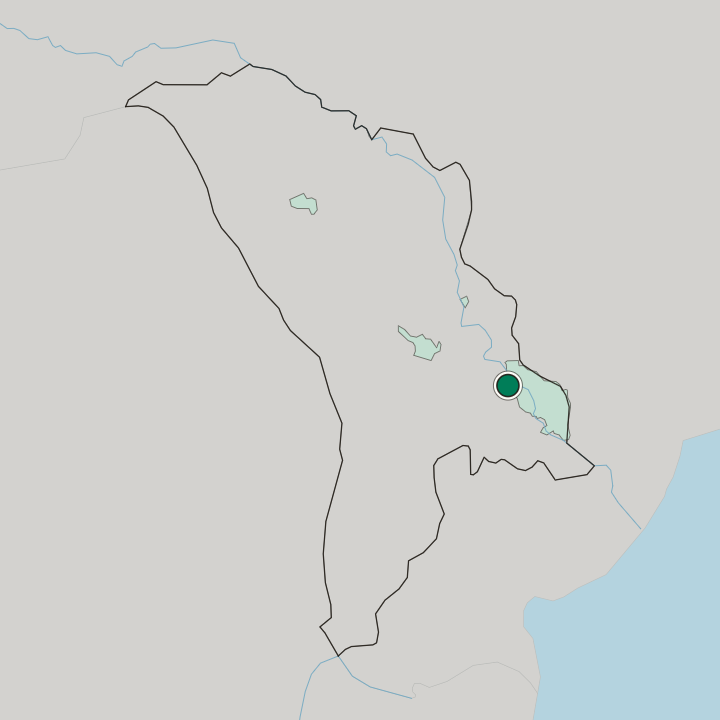
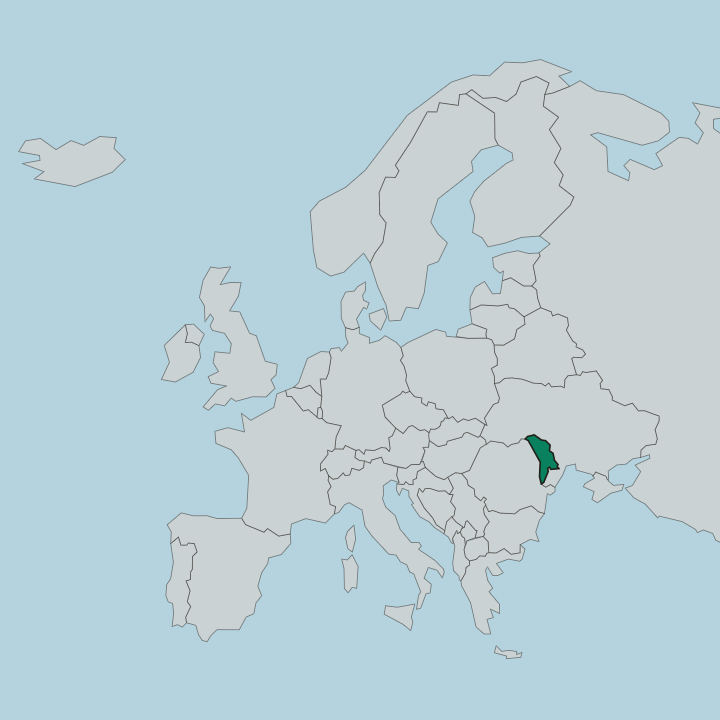
Summer rooms go quickly, so reserve ahead. The city lies within the internationally recognised borders of Moldova and under the de facto administration of Transnistria, a situation worth understanding before booking anything. Bessarabia is the older name for the country around.
Distances are walkable in the core, and the memorial trail through Bender links most of what a visitor comes for without any need to move base.
Things to do in Bender
Ranked by global recognition; descriptions from Wikidata (CC0).
Churches & Religious Sites
1- Transfiguration Cathedral, Bender Heritage
Castles & Historic Sites
5- Podolsky Regiment monument, Bender Heritage
- Bender Memorial of Railway Workers Heritage
- Monument to Charles XII of Sweden in Varnița Heritage
- Great Patriotic War memorial in Bender Heritage
- Memorial and grave of Red Army soldiers in Varnița, Anenii Noi Heritage
worth knowingacross 2 categories in Bender
About Bender
Memorials crowd the streets.
What is Bender known for?
The Transfiguration Cathedral heads the religious list, while the Podolsky Regiment monument, the Memorial of Remembrance and Sorrow, and the Great Patriotic War memorial in Bender mark successive conflicts. Two memorials to railway workers stand in the city. The Statue of Pavel Tcacenco joins them.
At Varnița, in Anenii Noi, a monument to Charles XII of Sweden carries a name from far outside Bessarabia.
What are the main landmarks in Bender?
The list runs to memorials. The Transfiguration Cathedral heads the religious side, while the Statue of Pavel Tcacenco, the Podolsky Regiment monument, and the Memorial of Remembrance and Sorrow in Bender stand as civic markers. Railway workers have two.
The Great Patriotic War memorial records the fighting of the last century, and out at Varnița the Red Army graves and the Monument to Charles XII of Sweden extend the roll well beyond it. Anenii Noi holds that ground.
What is the history of Bender?
The record begins in 1408. Bender, also written Bendery and known as Tighina, grew on the right bank of the Dniester in Bessarabia, a region that changed hands often enough for the city's name to change with it. Three names, one place.
The Monument to Charles XII of Sweden at Varnița fixes one episode of that longer story, a Swedish name commemorated on the Dniester rather than in Sweden. The Podolsky Regiment monument belongs to another army entirely. Twentieth-century memory dominates the rest.
The Great Patriotic War memorial in Bender, the Memorial of Remembrance and Sorrow, and the Red Army graves at Varnița in Anenii Noi together account for most of the city's monumental ground. The Statue of Pavel Tcacenco carries a name from the same period. Railways matter as well, and the Bender Memorial of Railway Workers records a trade with its own monuments in the city.
Since 1992 the city has been under the de facto control of the unrecognised Pridnestrovian Moldavian Republic, while remaining within the internationally recognised borders of Moldova. Transnistria is the shorter name. That arrangement has held for decades without resolution.
Where is Bender?
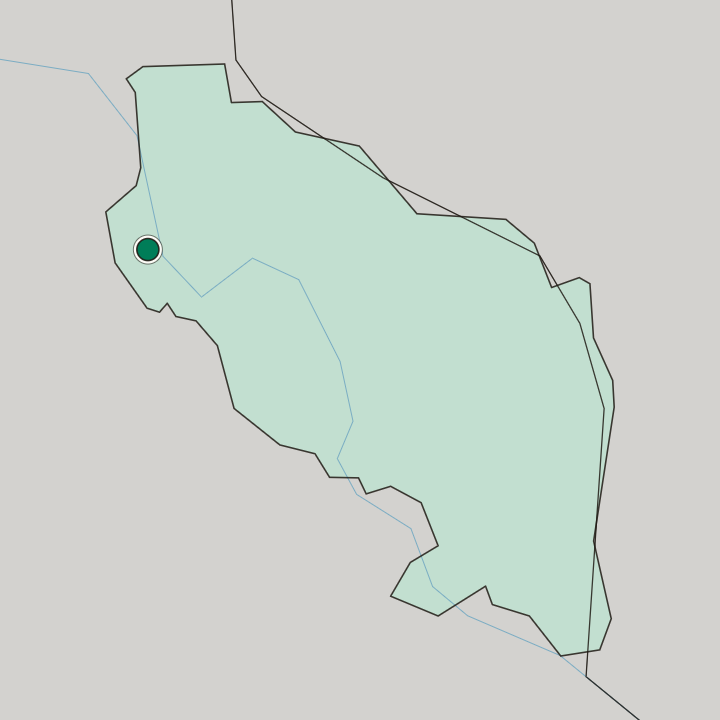
The Dniester runs past the city. Bender occupies the western bank of the Dniester in Bessarabia, temperate open country where the river rather than any hill sets the limits of the built-up area. Varnița lies alongside, in Anenii Noi.
The municipality covers a compact stretch of that bank, and the river remains the one feature that orders everything else in the city's layout. Bessarabia extends well past it.
What is the climate of Bender?
The Dniester does little for it. Bender lies inland in a temperate band, and the open country of Bessarabia leaves the city exposed to whatever moves across the plain from either direction. Winters bite, summers bake.
A river of that size moderates the ground immediately beside it and very little else, which is why the difference between the bank and the rest of the city stays small. Transnistria and Moldova share the pattern across the Dniester.
How do you get to Bender?
Rail and road both serve it. Bender sits on the right bank of the Dniester, and approaches come along that bank or across the river, with the city's own railway heritage marked by two memorials to its workers. Varnița adjoins it in Anenii Noi.
Because the city lies within the borders of Moldova but under the de facto administration of Transnistria, travellers should check what documents a given route calls for before setting out. The Transfiguration Cathedral is the obvious landmark on arrival.
Good for
Updated September 2026