Moldova
Municipiul Bender, Moldova — Towns & Travel Guide
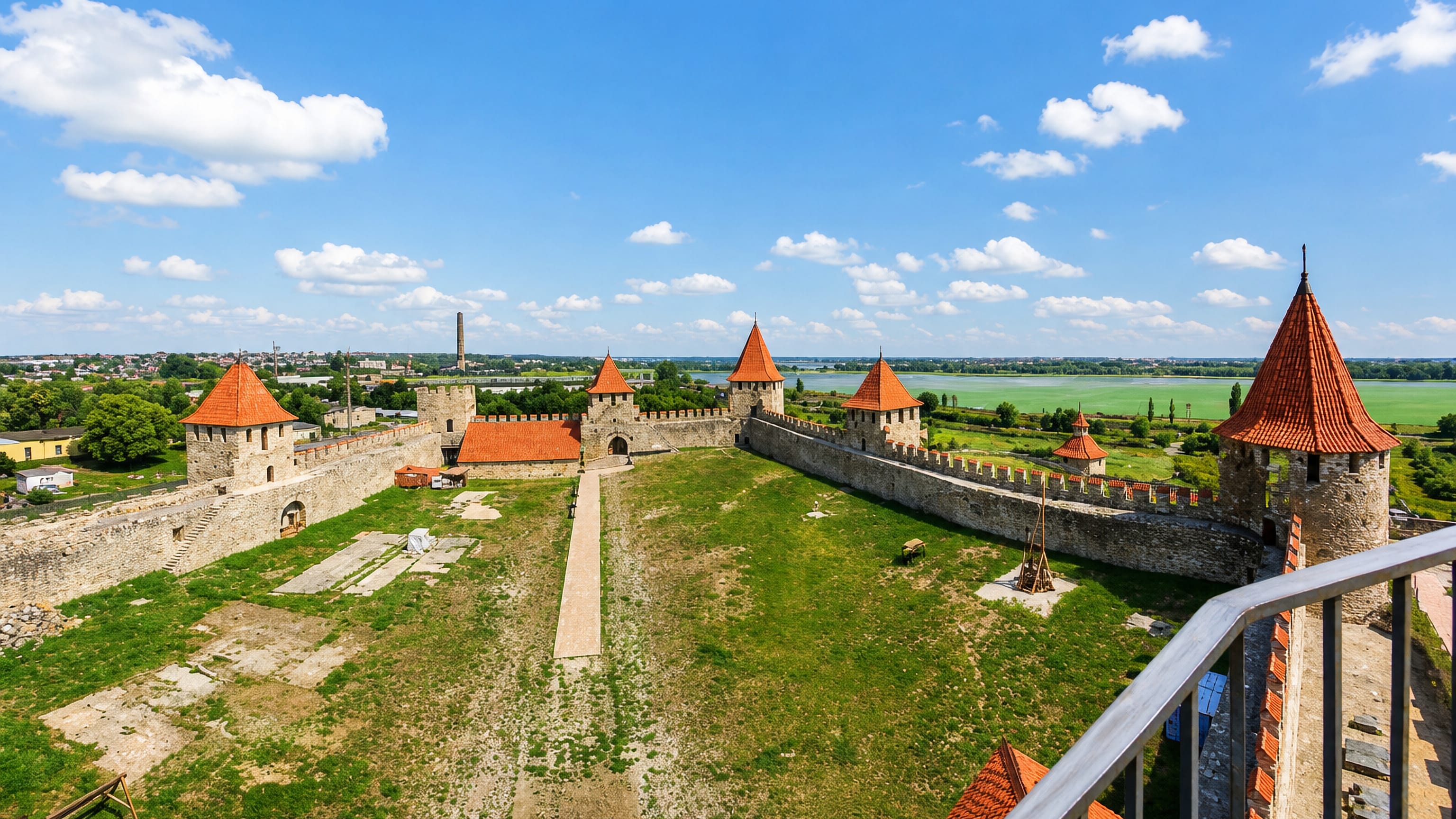
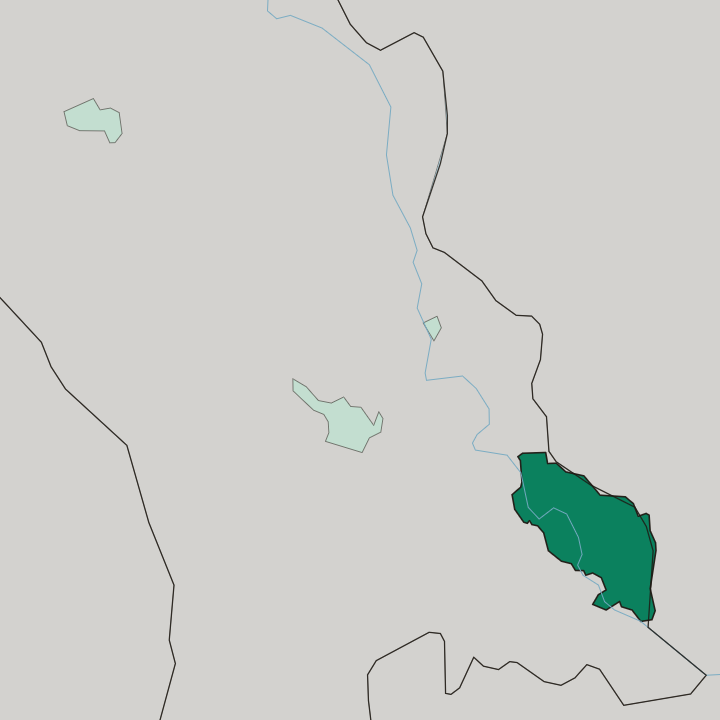
Municipiul Bender covers the city of Bender, also known as Bendery and Tighina, on the western bank of the Dniester in Moldova.
About Municipiul Bender


Towns & cities in Municipiul Bender
One town here has its own guide — it links to where to stay.

 Moldova
Bender
Bender, also called Tighina, stands on the right bank of the Dniester in Bessarabia, a city dating from 1408 and lined with war memorials.Where to stay →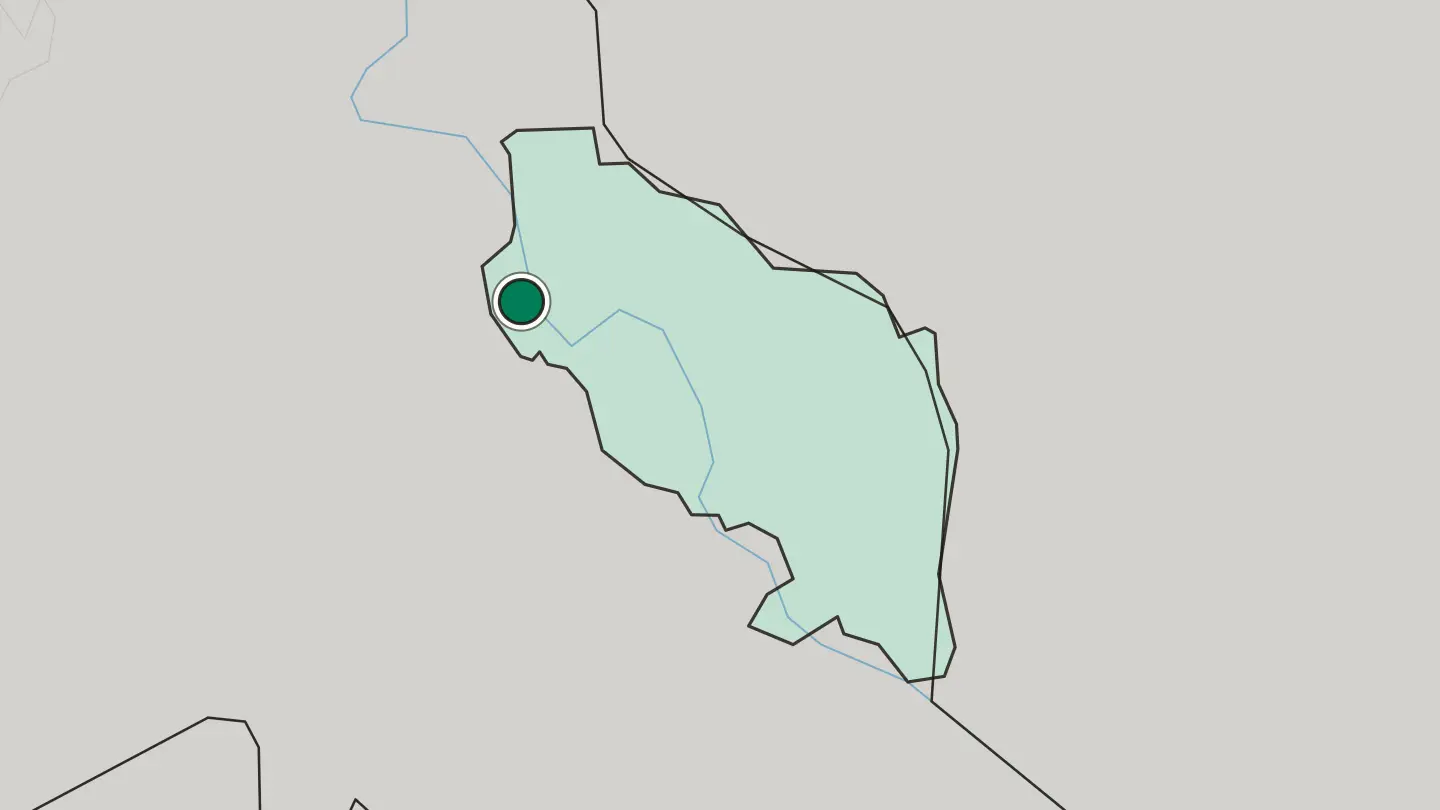
About Municipiul Bender
Three names, one city.
What is Municipiul Bender known for?
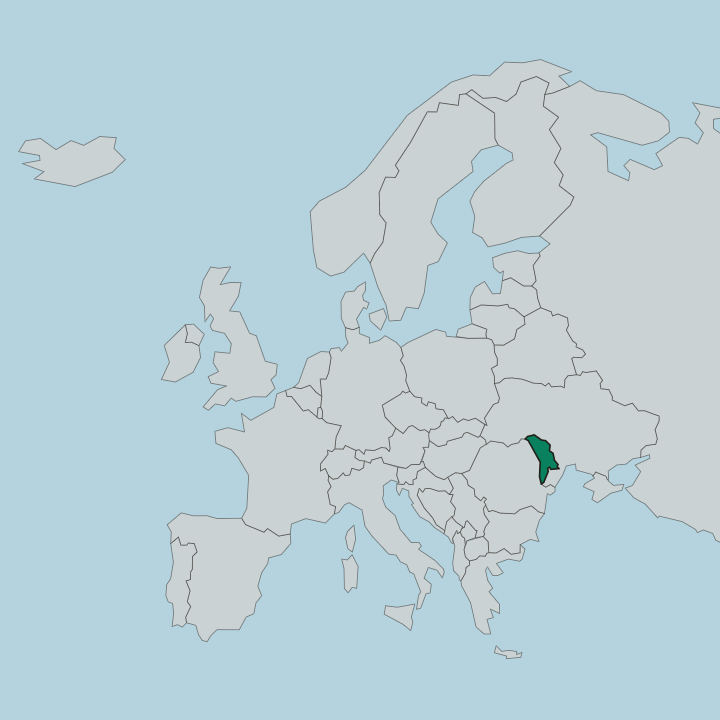
Bender, Bendery, and Tighina all belong to the same place on the western bank of the Dniester, and the survival of the three forms is the first thing anyone reading about Municipiul Bender has to take in. Bessarabia is the older frame. The city stands in that historical region, and it lies within the internationally recognised borders of Moldova while being under the de facto control of the unrecognised Pridnestrovian Moldavian Republic, known as Transnistria, since 1992.
Where is Municipiul Bender?
The Dniester decides everything here. Bender stands on the western bank of the Dniester, and that position is the one geographic fact the record insists on, ahead of the city's names, its administration, or the dispute that surrounds it. Bessarabia is the wider country.
The historical region of Bessarabia contains the city, which is how older maps and older writing place Bender, and the designation persists in geographic description even where administration has changed around it. The unit is small and singular. Municipiul Bender is a municipality, not a province of scattered towns, so its geography is the geography of one city and the stretch of riverbank it occupies rather than a landscape of ranges, lakes, or coasts.
Temperate ground, inland and northern. The record places the city in the temperate band of the northern hemisphere, which is the same setting as the rest of Moldova, and nothing in the file distinguishes the terrain around Bender from what lies along the Dniester elsewhere. Tighina names the same ground.
The third form of the name attaches to the identical stretch of the western bank, so a reader who meets Tighina in one source and Bendery in another is looking at a single place on a single stretch of bank.
What is Municipiul Bender like?
Bessarabia left the deepest mark. The city belongs to that historical region, and the three names it answers to, Bender, Bendery, and Tighina, are the visible residue of the different administrations and languages that have written about the same stretch of the Dniester. Romanian carries the municipal form.
Municipiul Bender is the Romanian designation for the municipality, while Bender, Bendery, and Tighina all name the city inside it, which is why a Moldovan document and an English one can look at first like descriptions of two separate places. The record stops at the names. No festival, museum, church, or craft is listed for Municipiul Bender in the sources, which is a gap in the file rather than a description of the city, and it means the cultural picture here has to be built from elsewhere.
One date does appear. The de facto control exercised by the Pridnestrovian Moldavian Republic over Bender dates from 1992 on record, and that arrangement is the frame within which any cultural life in the city has run since. Language sits at the centre of it.
Romanian is the language of the municipal designation, and the coexistence of that form with Bendery in the same file is the clearest sign in the entry of how many hands have written about a city on the Dniester.
What is the history of Municipiul Bender?
The city is older than its dispute. Bender belongs to the historical region of Bessarabia, and the names Bendery and Tighina both attach to it, which places the settlement in the written record long before any of the arrangements that govern it now. The year that matters is 1992.
Since then the city has been under the de facto control of the unrecognised Pridnestrovian Moldavian Republic while remaining, in the view of the international community, inside the borders of Moldova.
What is the climate of Municipiul Bender?
Winter and summer both arrive fully here. The temperate band of the northern hemisphere gives Bender a real cold season and a real warm one, and the Dniester along the western bank carries that swing through the city rather than blunting it the way a sea would. Figures are absent.
The sources behind Municipiul Bender give no monthly readings, so anyone timing a visit to Tighina works from the Moldovan calendar of seasons and confirms the days rather than the month.
How do you get to Municipiul Bender?
The approach is governed, not timetabled. Bender sits on the western bank of the Dniester, and the practical constraint on arriving is less distance than the de facto control the Pridnestrovian Moldavian Republic has exercised over the city since 1992. No line or operator is named.
The record for Municipiul Bender lists no station, airport, road, or carrier, which leaves a traveller reliant on advice for the Moldovan side and for the territory under Transnistrian administration alike.
More regions in Moldova
Updated September 2026