Montenegro: Regions, Cities & Travel Guide
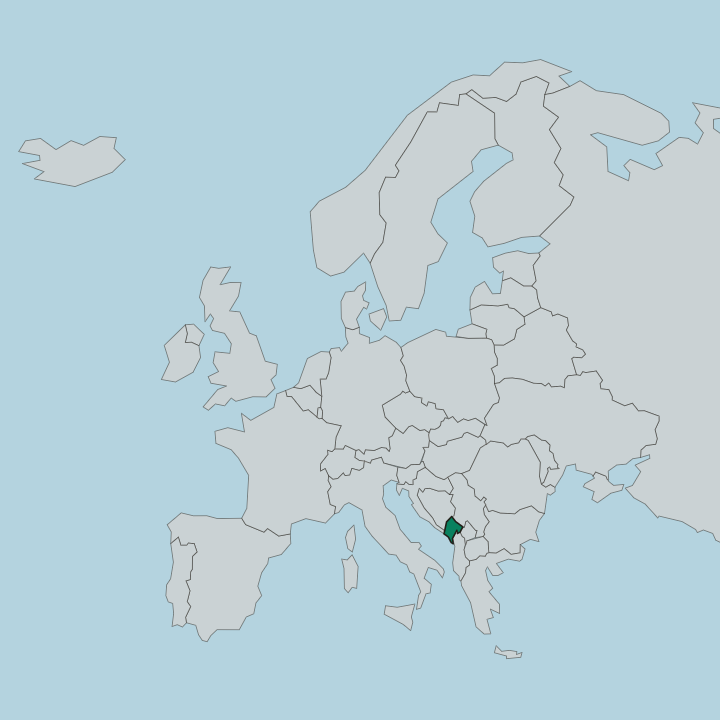
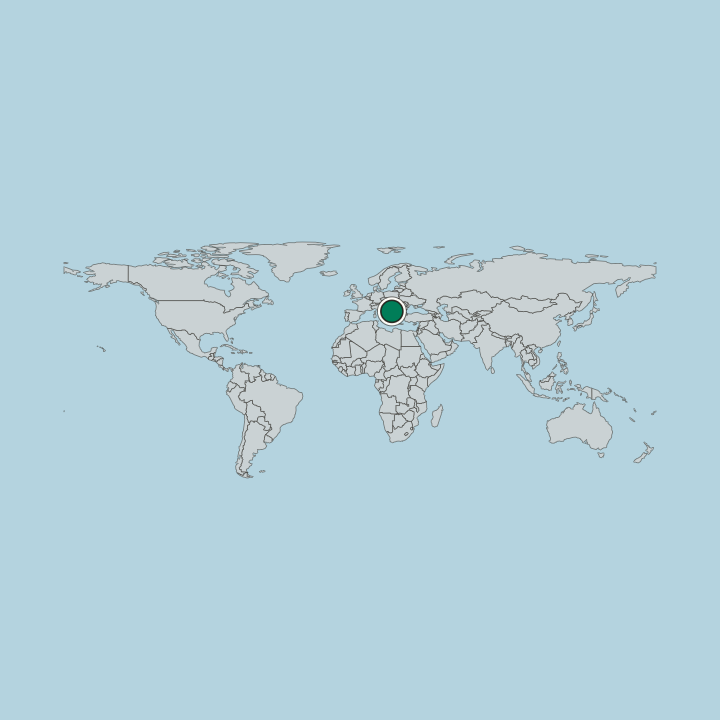
Montenegro is a small Adriatic country in the Balkans, its coast facing the sea and its interior rising into the Dinaric Alps.
Hotel links are affiliate links: booking through them may earn us a commission, at no extra cost to you. It never affects how places are ranked. How this works


Top destinations in Montenegro
Cities to start from, then drill into areas and hotels.
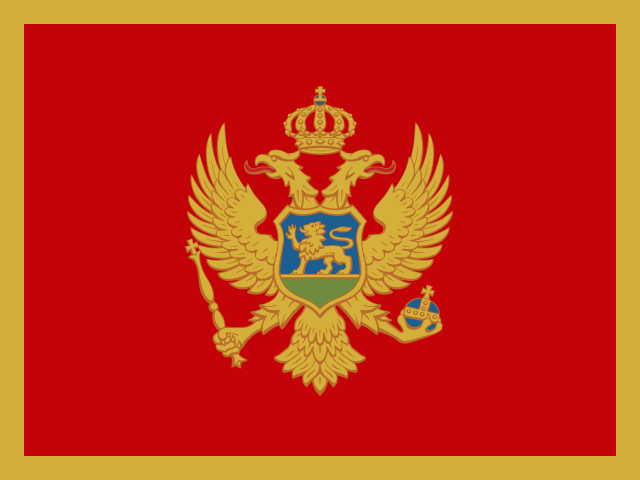 Montenegro
Podgorica
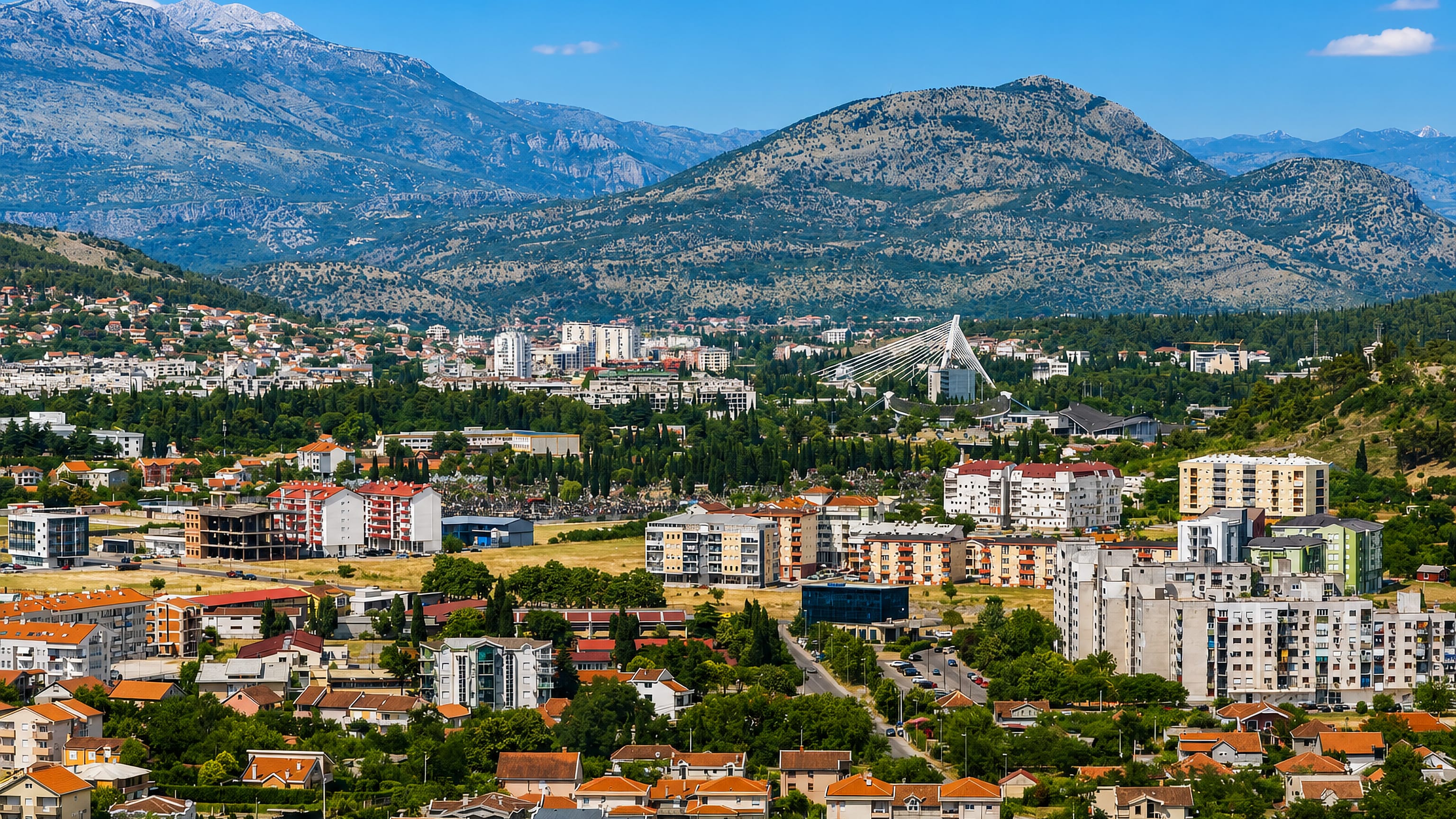
The Ribnica meets the Morača at Podgorica, the capital and largest city of Montenegro, known for its café culture and its Mediterranean ease.Where to stay →
 Montenegro
Nikšić
Nikšić is the second-largest city of Montenegro, spread across the Nikšić field at the foot of Trebjesa Hill, with a record reaching back to about 400.Where to stay →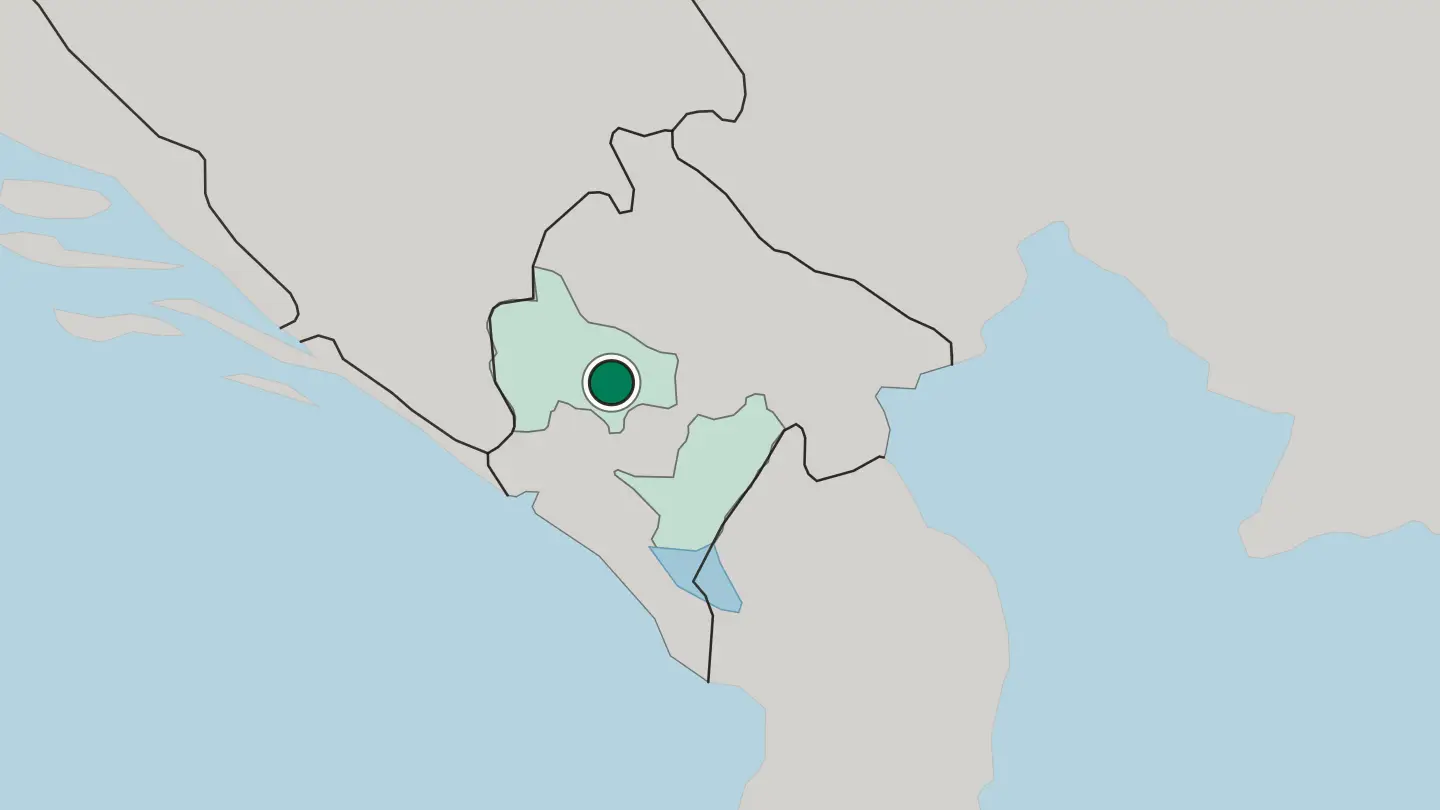
Hotel links are affiliate links: booking through them may earn us a commission, at no extra cost to you. It never affects how places are ranked. How this works
Regions of Montenegro
Montenegro
Opština Nikšić
Opština Nikšić is a municipality of Montenegro, a wide inland unit drawn around the town of Nikšić, its administrative centre.Towns & cities →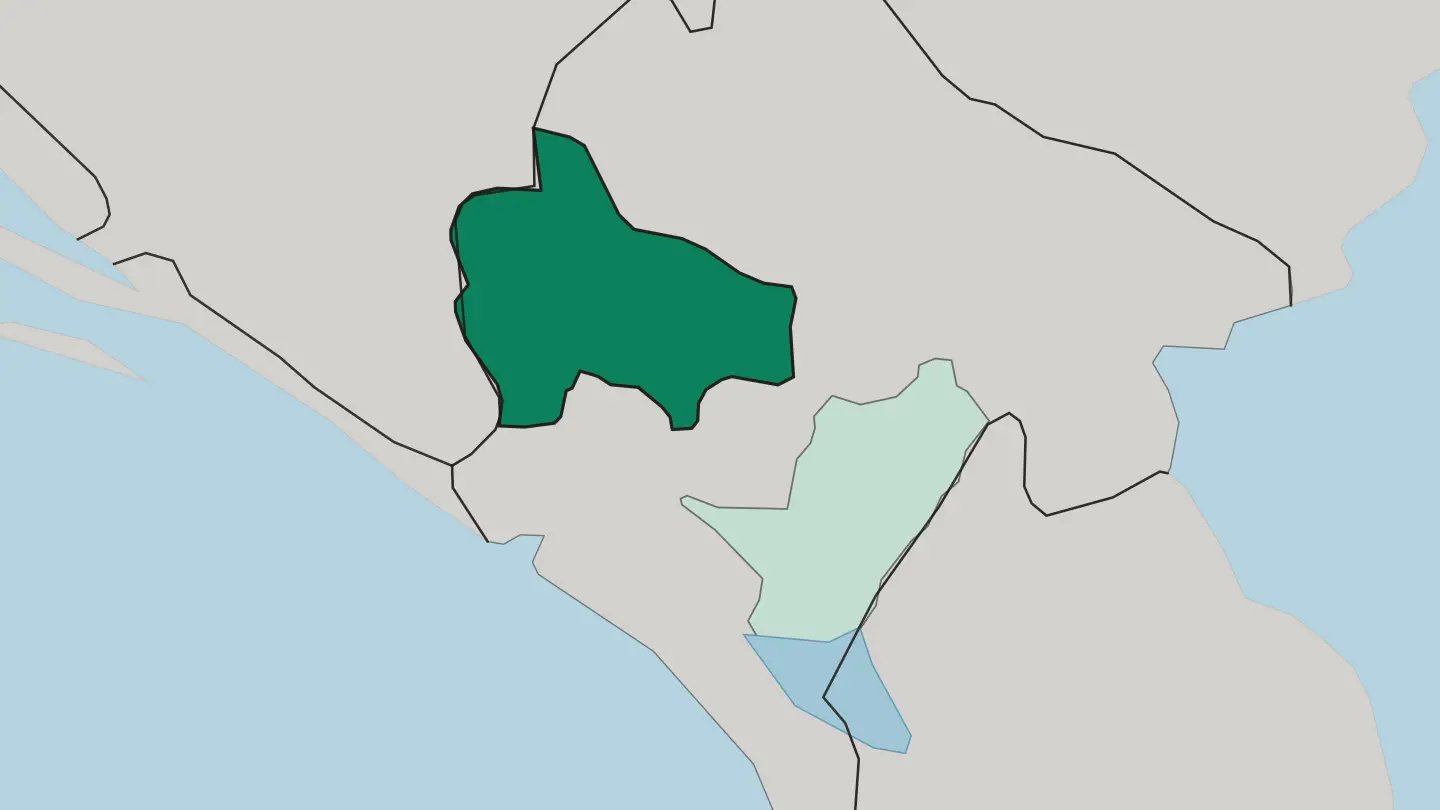 Montenegro
Podgorica
The Podgorica region is the capital-city territory of Montenegro, a fertile lowland of rivers and plain ringed by mountains around the city of Podgorica.Towns & cities →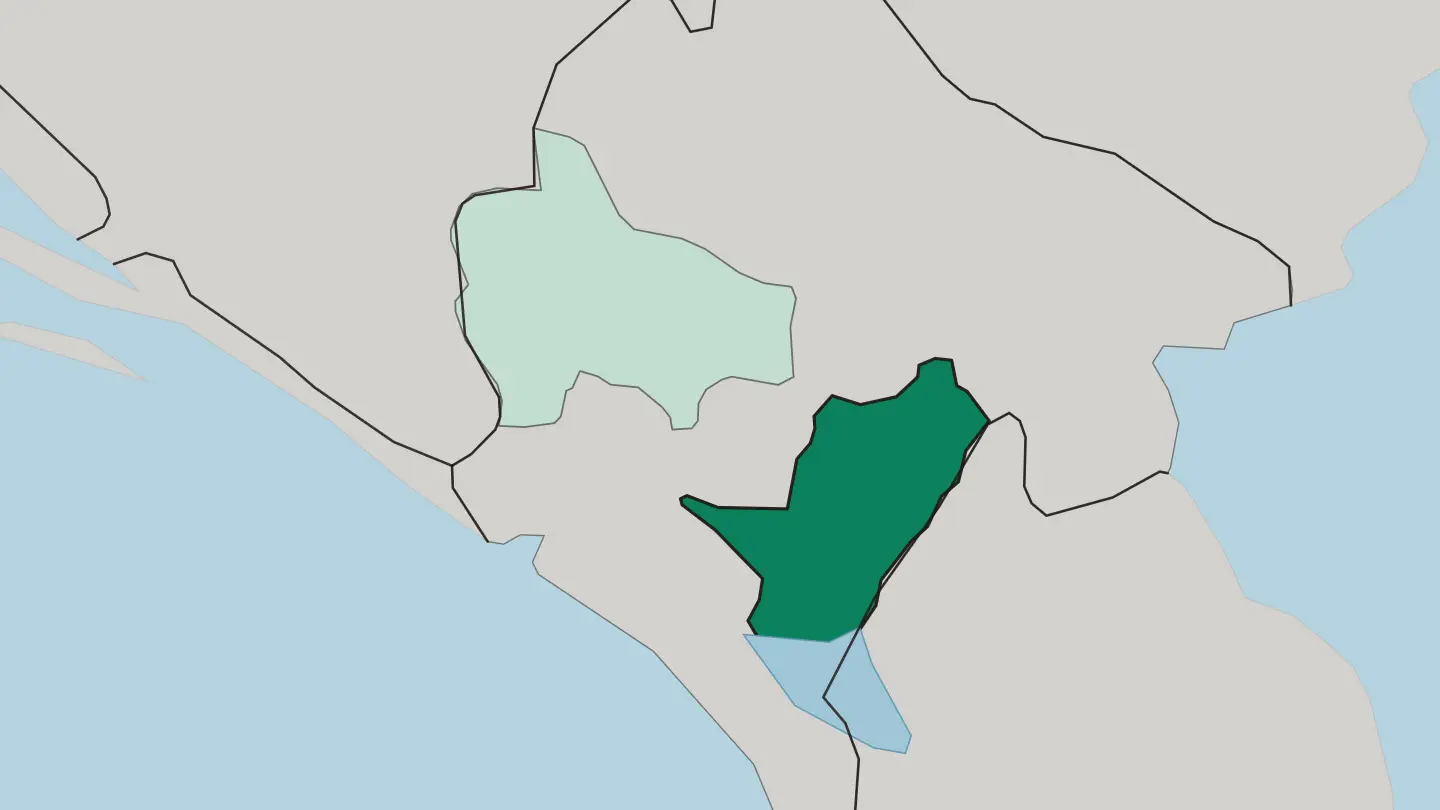
About Montenegro
Montenegro packs a great deal into a short drive.
What is Montenegro known for?
The Bay of Kotor cuts deep into the mountains, ringed by Venetian-walled towns like Kotor and Herceg Novi. Budva draws the beach crowd along the Adriatic. Inland, the Durmitor massif and the Tara River canyon open up alpine country, while Cetinje keeps the memory of the old royal court. Podgorica is the working capital and main hub.
Where is Montenegro?
Montenegro is small, but its ground changes fast. The land falls into three bands that run roughly parallel to the sea. Along the south-west a narrow coastal strip meets the Adriatic, and near its northern end the Bay of Kotor bites so far inland between sheer limestone walls that it is often called the southernmost fjord in Europe, though it was carved by a drowned river valley rather than ice.
Behind the coast the ground climbs sharply. A belt of grey karst plateau, stony and dry, holds the old capital Cetinje and the ridge of Lovćen looking down over the bay. Further inland the country rises into the Dinaric Alps.
The north is high mountain country. The Durmitor massif carries the highest peaks, and the Tara River has cut one of the deepest canyons on the continent through the limestone below them. Water gathers in the central basin around Podgorica, the largest low-lying zone, where the Morača drains toward Lake Skadar.
That lake, shared with Albania, is the biggest in the Balkans and a haven for pelicans and other birds. From a warm coast to alpine summits, the whole span sits within a day's drive.
What is the history of Montenegro?
Montenegro's mountains long kept it apart. While the Ottoman Empire held most of the Balkans from the late fifteenth century onward, the high country around Cetinje was never fully subdued, and there the Orthodox prince-bishops, the vladikas, ruled as both church and state. From 1697 that office stayed in one family, the Petrović-Njegoš, passing from uncle to nephew because the bishops could not marry.
The coast told a different story. Kotor and the towns of the bay spent centuries under the Republic of Venice, which left the walls, campaniles, and shuttered stone houses that still define them. One ruler stands above the rest.
Petar II Petrović-Njegoš, prince-bishop and poet, wrote the verse epic that became the country's national text and lies buried on the crest of Lovćen. In 1852 the state was secularized under a secular prince, and in 1910 Nikola I proclaimed a kingdom. After the First World War Montenegro was folded into what became Yugoslavia, and it stayed inside that federation, and later a union with Serbia, for most of the twentieth century.
Independence returned by referendum in 2006. The old thread runs unbroken from mountain fastness to modern republic.
What is Montenegro like?
Montenegrin culture pulls between the mountain and the sea. The highland tradition prizes honour, hospitality, and the epic songs once sung to the gusle, a single-stringed fiddle, and it treats the poet-bishop Njegoš as a founding figure. Orthodoxy runs deep in the interior, anchored by places like the Cetinje monastery and the cliff-set shrine of Ostrog.
The coast leans another way. Centuries of Venetian rule gave Kotor and its neighbours a Mediterranean grain, in the food, the architecture, and the rhythm of the day. The table shows the split plainly.
In the hills around Njeguši, above the Bay of Kotor, farmers cure the smoked ham and make the sharp cheese that carry the village name across the country, while kajmak, a thick clotted cream, stands in for olive oil. Down on the water the cooking turns to grilled fish, mussels from the bay, and wine from the Crmnica vineyards near Lake Skadar. Coffee is slow and social everywhere.
Two worlds share one small country, and neither gives way.
What is the climate of Montenegro?
Two climates share the country. The coast around the Bay of Kotor and Budva is Mediterranean, with hot dry summers and mild wet winters that suit the vines and olives. Climb inland and the pattern shifts fast.
The karst plateau and the Durmitor highlands turn continental and alpine, with real snow and long cold winters that make the north a genuine ski region. Cetinje, up on the ridge, catches some of the heaviest rain in Europe. Sea and summit, a short drive apart.
How do you get to Montenegro?
Two airports handle most arrivals. Podgorica, beside the capital, takes the year-round flights, while Tivat sits right on the Bay of Kotor and fills up in the warm months with holiday traffic for the coast. Many travellers also fly into Dubrovnik, just across the Croatian border, and drive down to Herceg Novi and the bay.
Roads are the way to move around inside the country. Distances are short, but the mountain passes are slow.
Good for
Updated September 2026