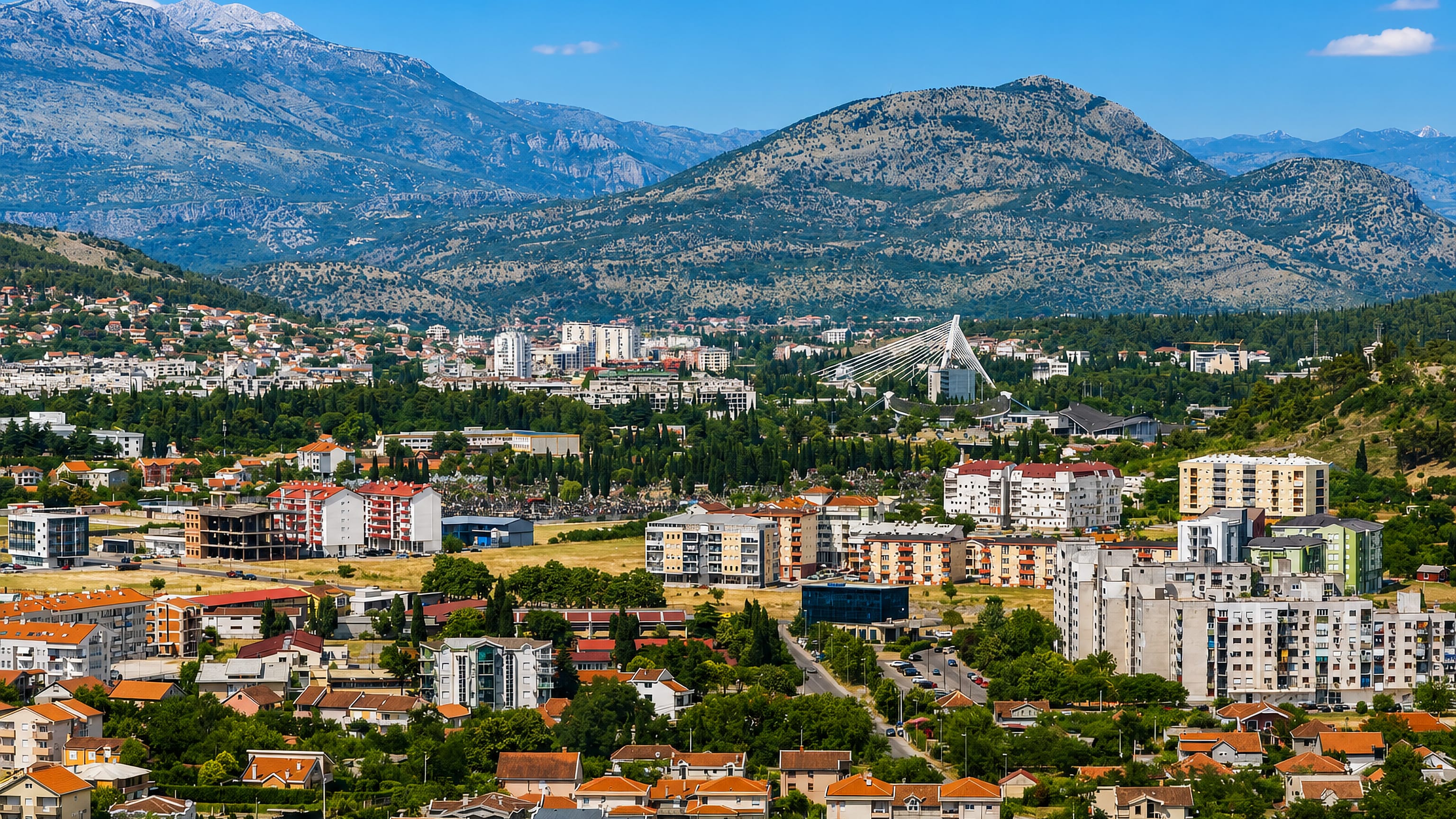
Montenegro
Podgorica, Montenegro — Towns & Travel Guide
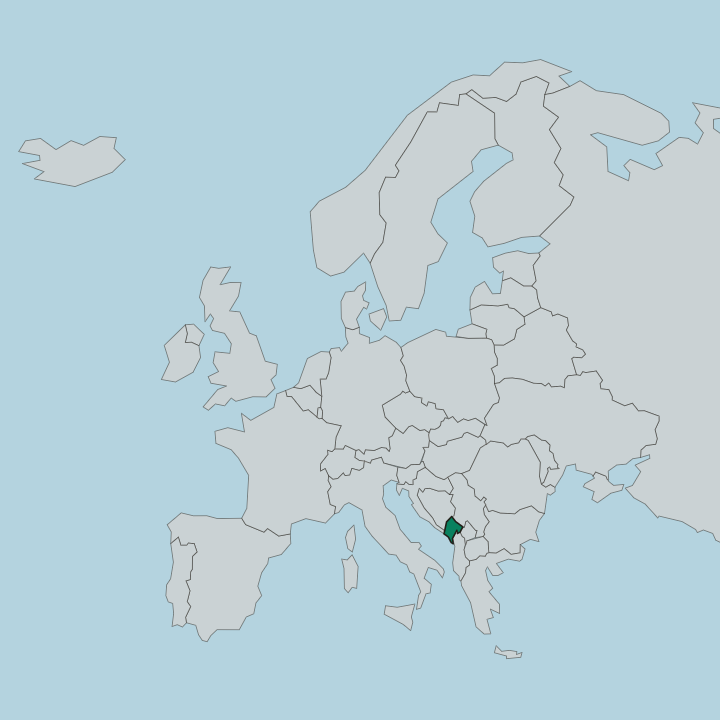
The Podgorica region is the capital-city territory of Montenegro, a fertile lowland of rivers and plain ringed by mountains around the city of Podgorica.
Hotel links are affiliate links: booking through them may earn us a commission, at no extra cost to you. It never affects how places are ranked. How this works


Towns & cities in Podgorica
One town here has its own guide — it links to where to stay.
 Montenegro
Podgorica
The Ribnica meets the Morača at Podgorica, the capital and largest city of Montenegro, known for its café culture and its Mediterranean ease.Where to stay →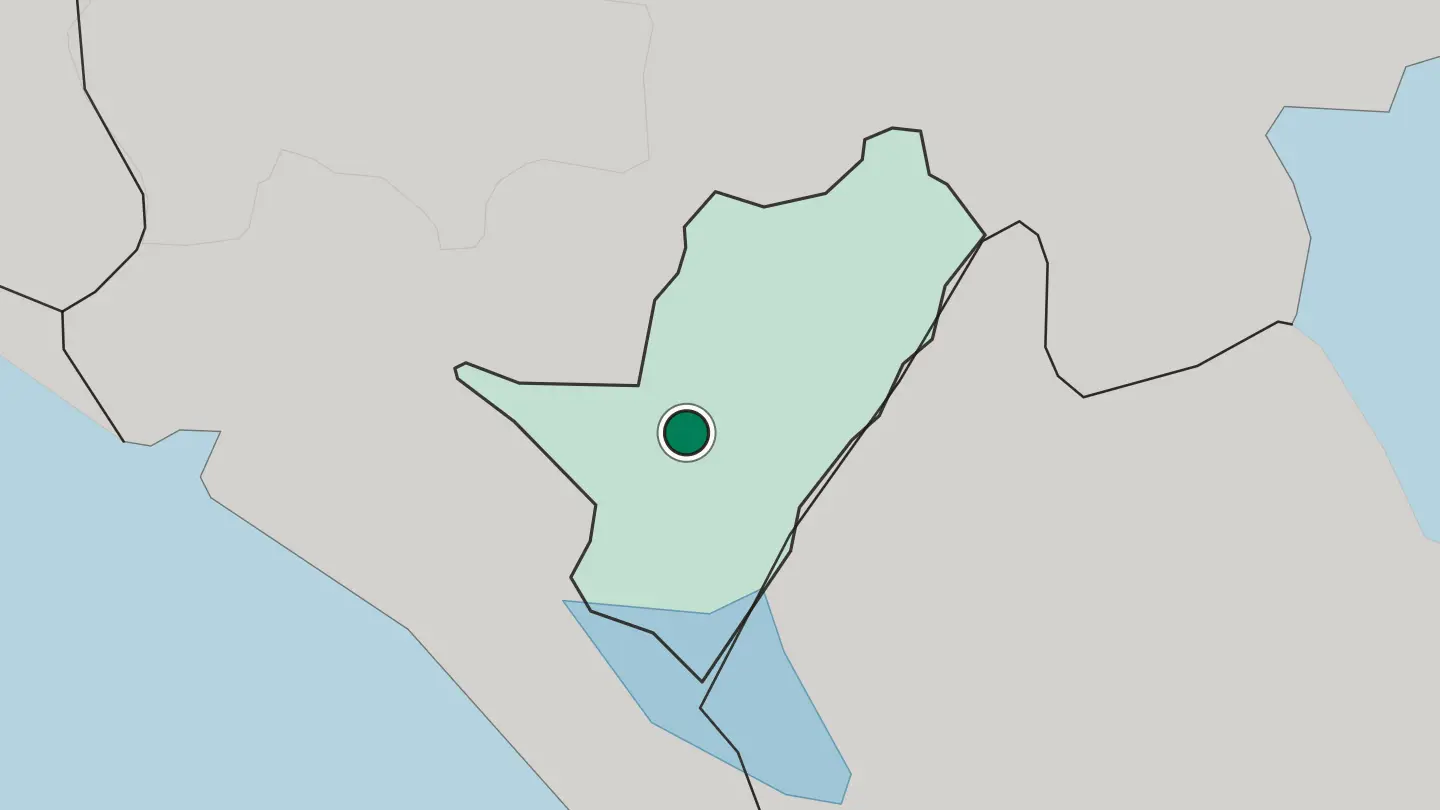
Hotel links are affiliate links: booking through them may earn us a commission, at no extra cost to you. It never affects how places are ranked. How this works
About Podgorica
What is Podgorica known for?
The Podgorica region is known as the capital-city territory of Montenegro, built around the fertile lowland where the Ribnica joins the Morača. It holds the seat of the state. The plain that carries the city of Podgorica also gives the region its farmland, its warmth, and its role as the administrative heart of the country.
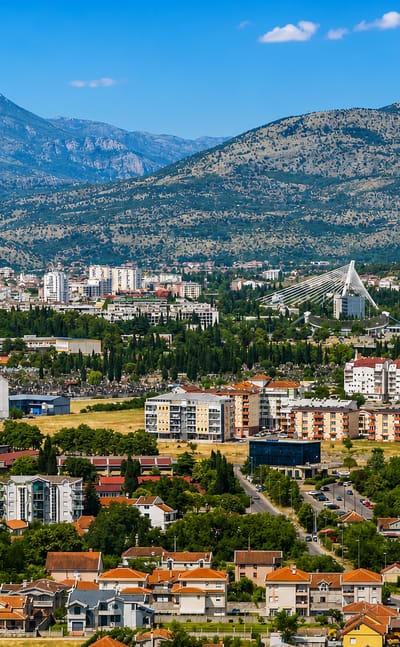
Mountains close the horizon on almost every side.
Where is Podgorica?
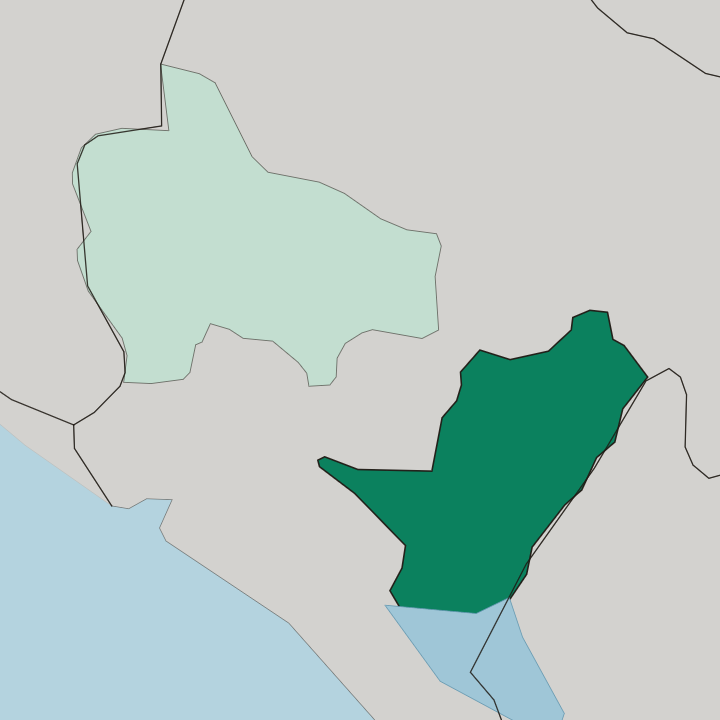
The Podgorica region occupies the fertile lowland of central Montenegro, just north of Lake Skadar and inland from the Adriatic Sea. Two rivers define its floor. The Ribnica and the Morača meet within the territory, and their confluence lies where the Zeta Plain gives way to the Bjelopavlići Valley, a broad band of farmland set below far taller ground.
Mountains frame the rest. Predominantly mountainous terrain rings the plain on which the region and its hub city of Podgorica sit, so the territory reads as a warm, open lowland enclosed by highland. Water runs through it toward Lake Skadar to the south, the largest lake of the region's edge, and beyond the mountains lies the Adriatic Sea coast of Montenegro.
The result is a compact capital-city territory that pairs river-fed plain with the peaks that close it in.
What is Podgorica like?
The Podgorica region carries the culture of Montenegro's administrative and civic centre, spoken in Montenegrin and shaped by a laid-back Mediterranean atmosphere. Café life sets the pace. The mix of old and new that marks the hub city of Podgorica extends across the territory, where the fertile plain has long supported the settled, farming rhythm of the Zeta Plain and the Bjelopavlići Valley.
That lowland character separates the region from the coast and the high mountains alike. Its identity is inland and river-fed, tied to the Morača and the Ribnica rather than to the Adriatic Sea, and it turns on the daily life of a capital-city territory rather than on seaside resort culture. The warmth of the plain, the nearness of Lake Skadar, and the surrounding mountainous terrain together give the region a distinctly continental, Mediterranean-leaning way of living that belongs to central Montenegro.
What is the history of Podgorica?
The Podgorica region takes its history from the settlement that grew at the meeting of the Ribnica and Morača. From 1946 to 1992 its hub bore the name Titograd, honouring Josip Broz Tito, before it returned to Podgorica. The rivers drew people early.
The fertile crossing of the Zeta Plain and the Bjelopavlići Valley favoured settlement long before the modern territory took shape, and the region has since held its place as the capital-city administration of Montenegro.
What is the climate of Podgorica?
The Podgorica region has a warm, Mediterranean-leaning climate set by its lowland floor. Sheltered inland from the Adriatic Sea and spread across the Zeta Plain rather than the surrounding mountains, the territory runs hot and dry in the high season and milder through the cooler months. Summers grow intense.
The heat pools on the plain around the confluence of the Morača, ringed by mountainous terrain that holds the warmth over the fertile ground below.
How do you get to Podgorica?
The Podgorica region is reached through its hub city, the busiest gateway of Montenegro. Road and rail links converge on Podgorica at the confluence of the Ribnica and Morača, and most travellers enter the territory there before moving on. Arrivals focus on the capital.
From it, routes run south toward Lake Skadar and out to the Adriatic Sea coast, threading between the Zeta Plain and the mountains that enclose this central part of Montenegro.
Good for
Another region in Montenegro
Updated September 2026