North Macedonia
Grad Skopje, North Macedonia — Towns & Travel Guide
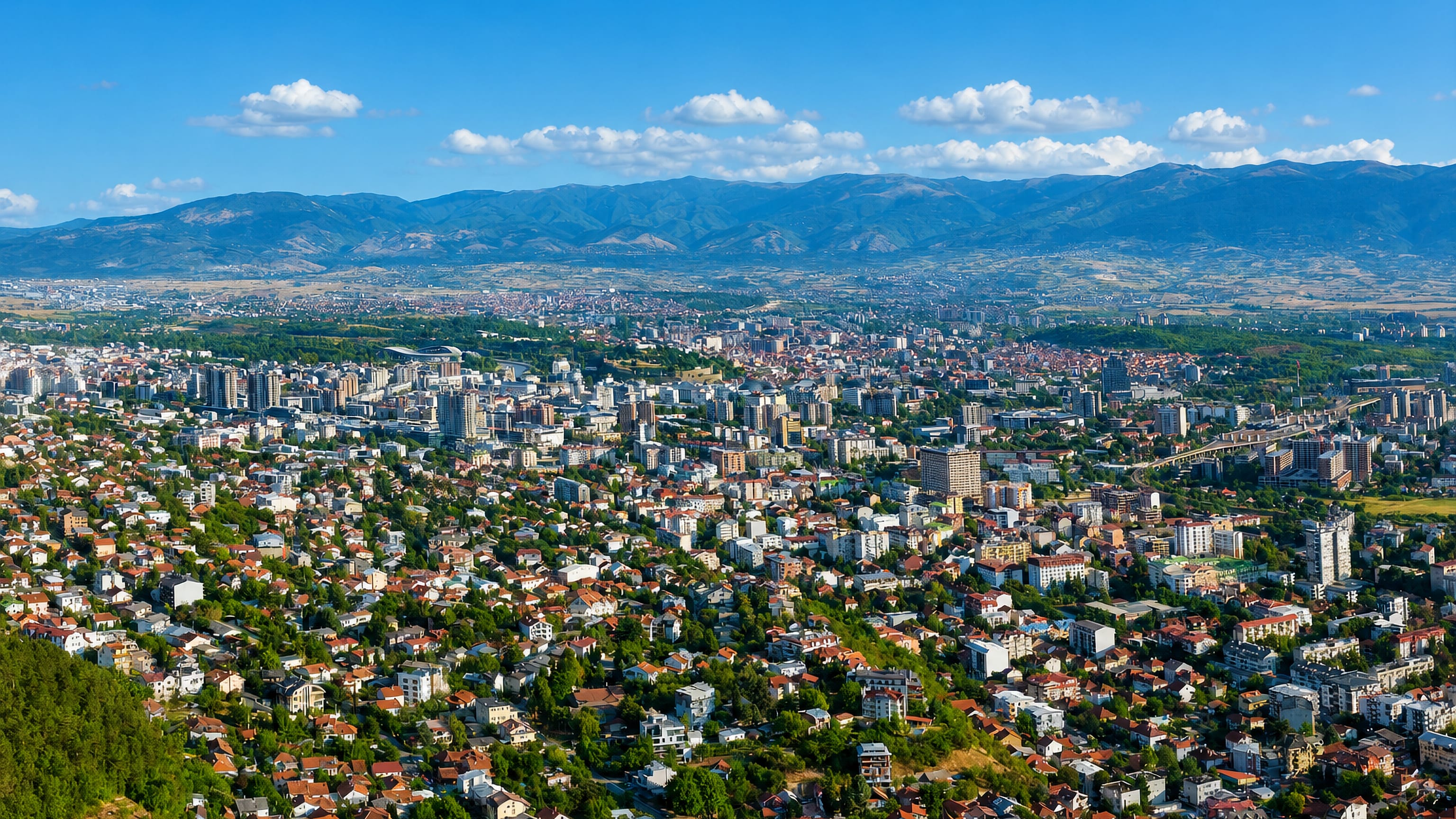
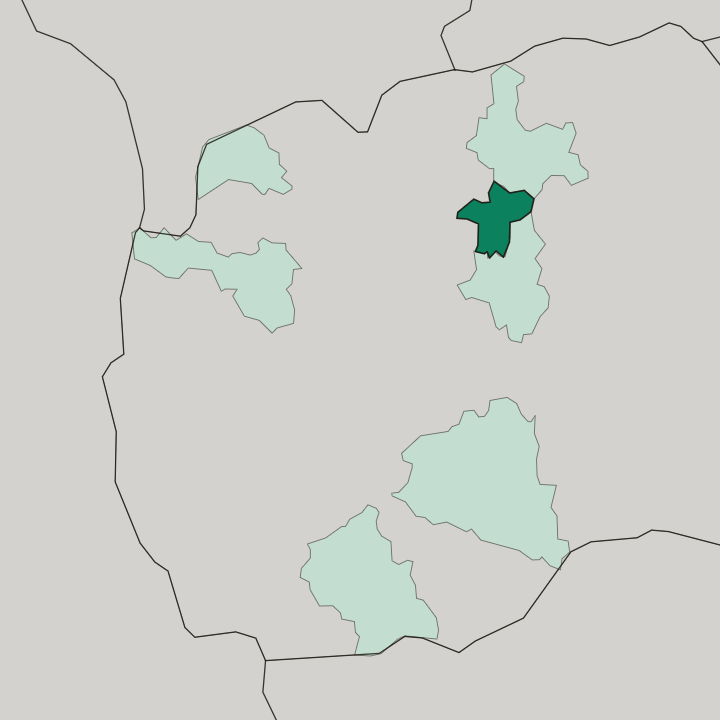
Grad Skopje is the region around the capital of North Macedonia, filling the Skopje Valley on the Vardar River.
Hotel links are affiliate links: booking through them may earn us a commission, at no extra cost to you. It never affects how places are ranked. How this works


Towns & cities in Grad Skopje
One town here has its own guide — it links to where to stay.
 North Macedonia
Skopje
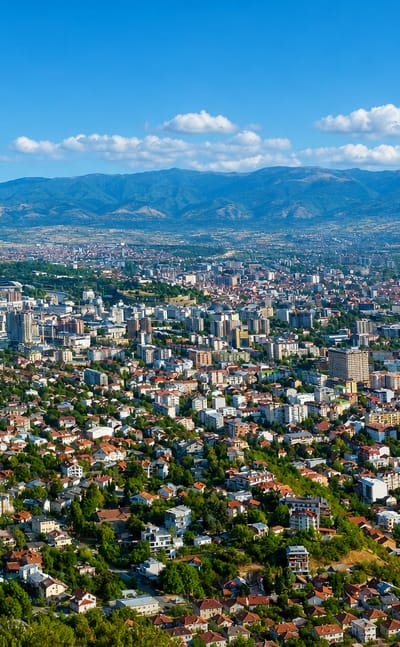
Skopje is the capital of North Macedonia, set in the Skopje Valley along the Vardar River.Where to stay →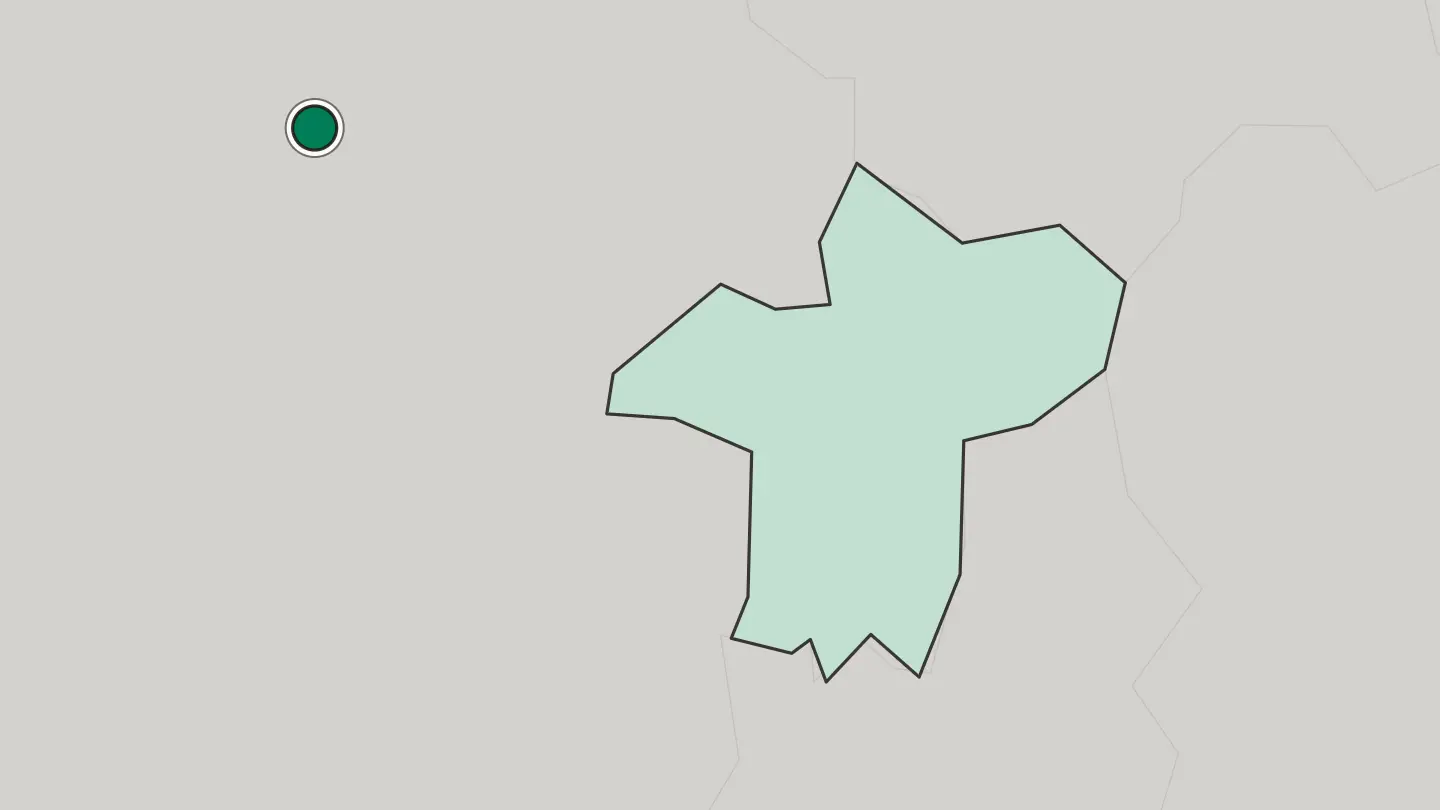
Hotel links are affiliate links: booking through them may earn us a commission, at no extra cost to you. It never affects how places are ranked. How this works
About Grad Skopje
What is Grad Skopje known for?
Grad Skopje is the region built around the national capital of North Macedonia. Its whole identity flows from the city of Skopje, which sits at its centre and gives the region its name, its people, and its role as the country's administrative and cultural core. The Vardar River runs through the valley floor, tying the surrounding settlements to the capital.
The region covers the city and 54 villages around it.
Where is Grad Skopje?
Grad Skopje occupies the Skopje Valley in the northern part of North Macedonia, a lowland basin drained by the Vardar River. The river enters from the west and leaves to the east, and the region's towns cluster along its banks and across the plain that spreads out from the city of Skopje. This is compact, valley-bound territory rather than a sprawling province.
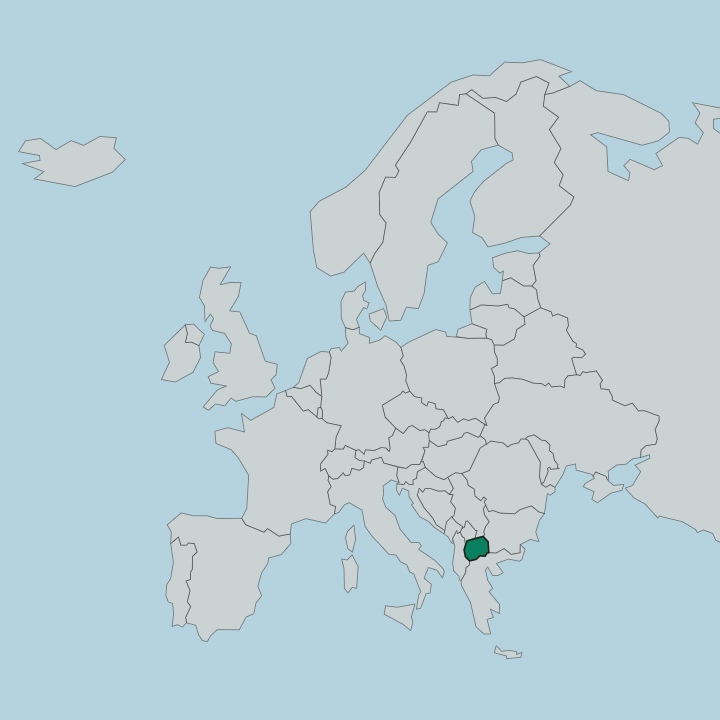
It lies close to the borders of Kosovo and Serbia. Hills close the basin on most sides. To the south the ground climbs sharply, giving the valley a firm rim and framing the settled floor below.
The Vardar remains the organising line through all of it, gathering the drainage of the surrounding slopes and carrying it on toward the rest of the country. Because the region wraps so tightly around one city, its geography is really the geography of a single valley: a river, a plain, and the ring of high ground that holds them, with Skopje sitting at the meeting point of every route through.
What is Grad Skopje like?
Grad Skopje's culture is the culture of the North Macedonian capital. Macedonian is the working language of the region, spoken across its towns and in the offices and institutions that make the city of Skopje the country's centre of government and learning. The region draws people from across North Macedonia toward the capital, and that gathering gives it a more mixed everyday life than the valleys around it.
The layered past of Skopje sets the tone for the whole region. Centuries of successive rule left their marks on the city, and the region inherits that same overlay of eras rather than a single folk tradition. Its calendar follows the capital.
When Skopje holds an event, the region holds it too, because there is little distance between the city and the valley that surrounds it.
What is the history of Grad Skopje?
Grad Skopje's history follows its capital. Long before the modern region existed, the Skopje Valley on the Vardar River was a natural crossing point that drew successive powers to settle and hold it through one era after another. The administrative region is a recent creation, drawn to group the capital and its immediate surroundings under one authority within North Macedonia.
Its deeper story belongs to the city of Skopje at its centre.
What is the climate of Grad Skopje?
The Skopje Valley shapes the region's weather. Enclosed by higher ground and set well inland, the basin runs to hot, dry summers and cold winters, with the Vardar River threading through the settled floor. The surrounding slopes take the first snow of the season.
Because the valley sits sheltered from any sea air, its seasons swing further than the region's inland position alone would suggest, and cold or haze can settle over the plain in the darker months.
How do you get to Grad Skopje?
Grad Skopje sits at the road and rail crossroads of North Macedonia. Routes converge on the city of Skopje from every direction, following the Vardar River through the valley and linking the capital to the rest of the country and its neighbours. Most long-distance visitors arrive by air.
Beyond the city, the region's 54 villages lie a short run away across the valley floor.
Good for
More regions in North Macedonia
Updated October 2026