North Macedonia · Grad Skopje
Where to Stay in Skopje, Grad Skopje
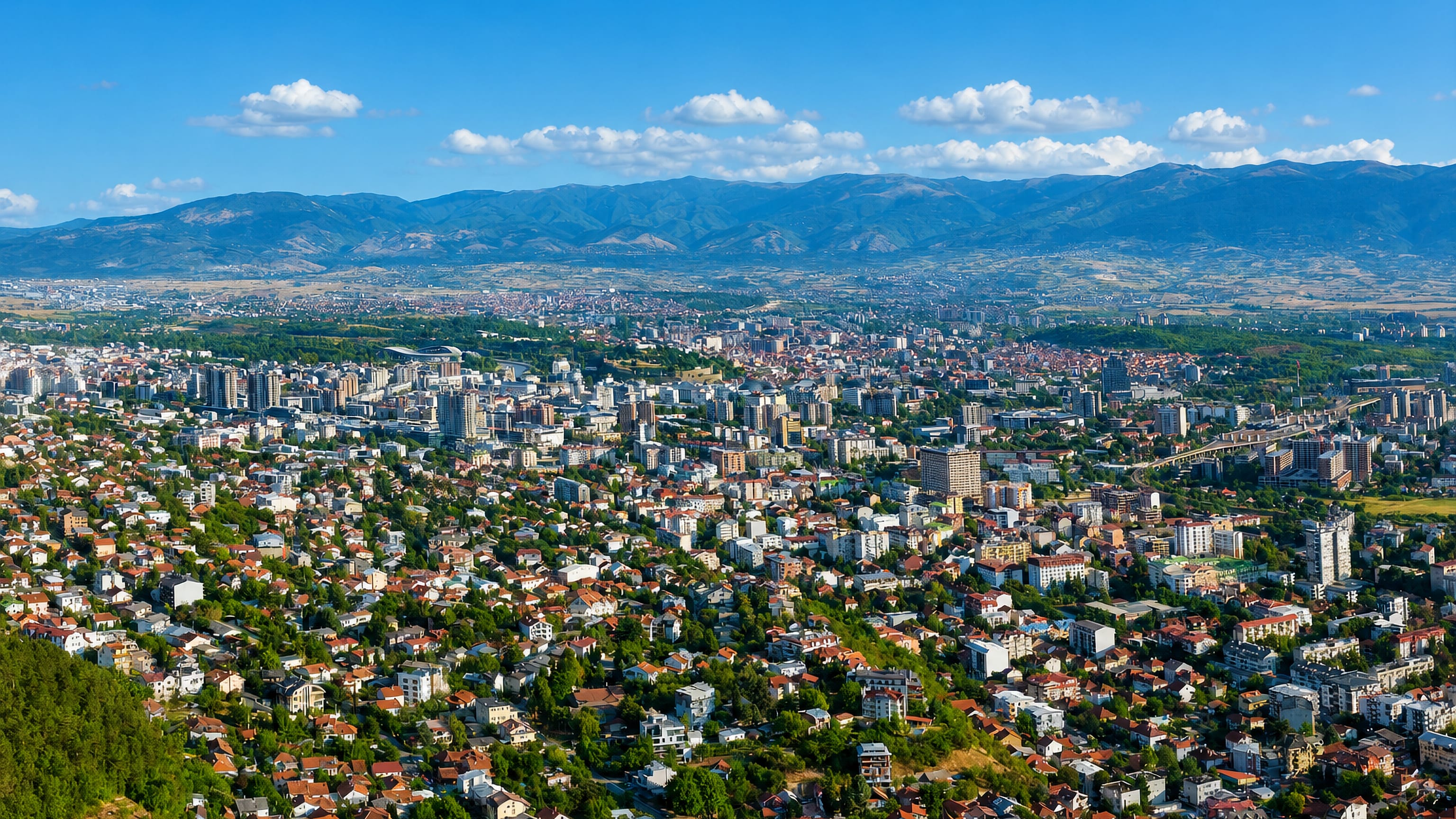
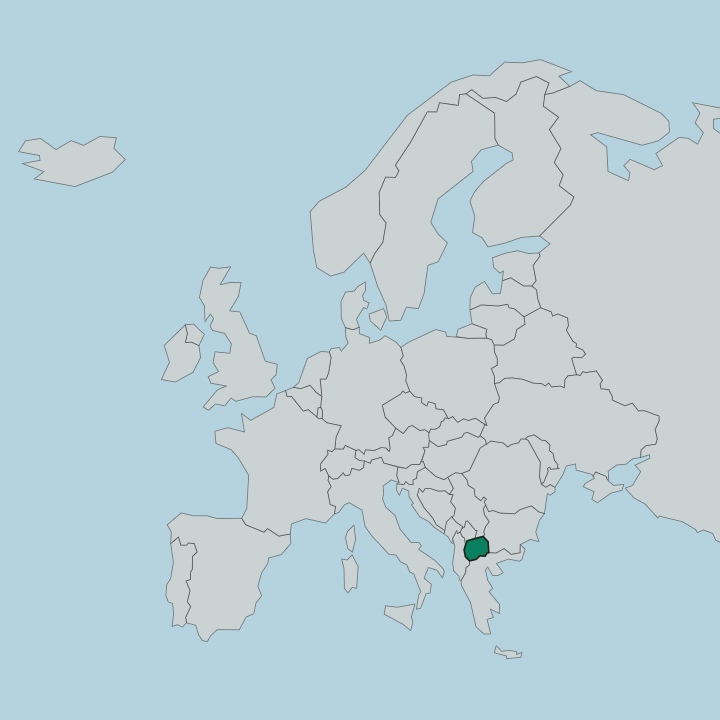
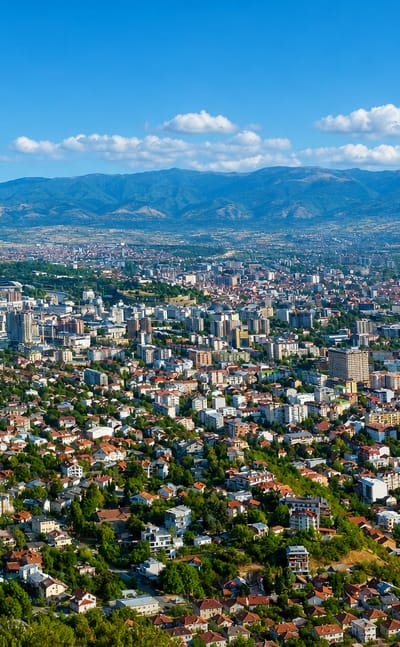
Skopje is the capital of North Macedonia, set in the Skopje Valley along the Vardar River.
Hotel links are affiliate links: booking through them may earn us a commission, at no extra cost to you. It never affects how places are ranked. How this works


Where to stay in Skopje
One neighbourhood here has its own guide — here's what it is best for.
 SkopjeNorth Macedonia
Saraj
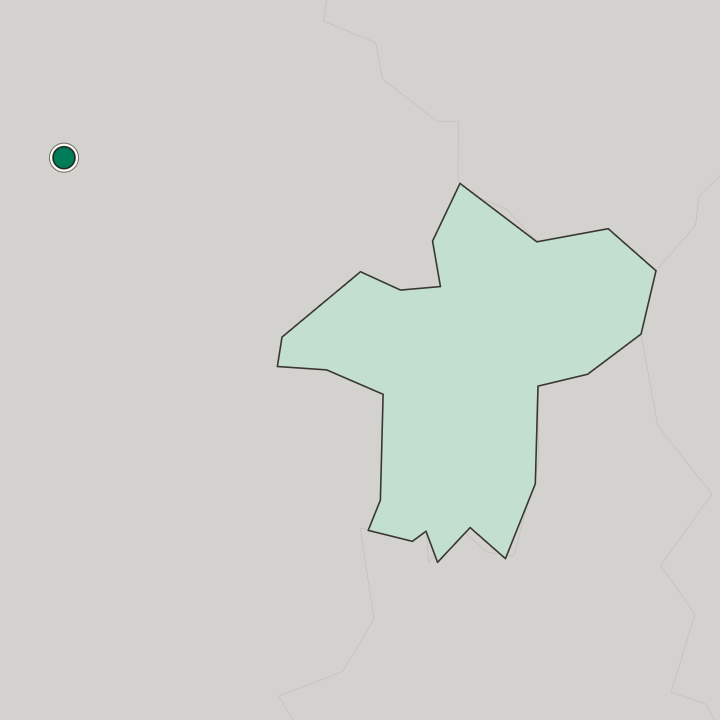
Saraj is a village inside Skopje that serves as the seat of Saraj Municipality, one of the units the capital of North Macedonia divides into.Where to stay →Hotel links are affiliate links: booking through them may earn us a commission, at no extra cost to you. It never affects how places are ranked. How this works
Find hotels in Skopje
Direct booking searches for these neighbourhoods.
Centar
Porta Macedonia, the Warrior on Horseback statue, and the National Gallery of North Macedonia stand within a few blocks on the Vardar's south bank.Find hotels in CentarOttoman bazaar life under the fortress wallsStara Čaršija
The old bazaar's coffee houses and the Čifte Hammam sit below Skopje Fortress on the north bank, a short climb from the Vardar crossings.Find hotels in Stara ČaršijaHotel links are affiliate links: booking through them may earn us a commission, at no extra cost to you. It never affects how places are ranked. How this works
Things to do in Skopje
Ranked by global recognition; descriptions from Wikidata (CC0).
Museums & Galleries
8- Mother Teresa Memorial House Heritage
- Porta Macedonia Heritage
- Museum of the Macedonian Struggle Heritage
- Museum of the City of Skopje Heritage
- Museum of the Republic of North Macedonia Heritage
Show 3 more →
- Museum of Contemporary Art Skopje Heritage
- Daout Pacha Hammam Heritage
- Čifte Hammam Heritage
Churches & Religious Sites
3- Church of the Ascension of Jesus, Skopje Heritage
- Church of St. Clement of Ohrid
- Cathedral of the Sacred Heart of Jesus
Castles & Historic Sites
3- Skopje Fortress Heritage
- Scupi Heritage
- Skopje Aqueduct Heritage
Stadiums & Sports
1- Kale Sports Center
Landmarks & Notable Places
1- Bey's Tower Heritage
worth knowingacross 5 categories in Skopje
About Skopje
Layered cultures define the city.
What is Skopje known for?
The Vardar River splits Skopje, with the Ottoman-era Stara Čaršija bazaar on one bank and the newer Centar district, dense with neoclassical monuments, on the other. Skopje Fortress crowns the ridge above, while the Warrior on Horseback statue anchors the central square below. As the political, economic, and cultural centre of North Macedonia, it draws visitors toward its museums, its Roman past at Scupi, and the memorial to Mother Teresa, who was born here.
What are the main landmarks in Skopje?
Skopje Fortress dominates the skyline from its ridge. Below it, the Stara Čaršija leads to the Čifte Hammam and the Daout Pacha Hammam, both Ottoman bathhouses turned gallery space. It reaches the Skopje Clock Tower.
Across the Vardar, Porta Macedonia and the Warrior on Horseback mark Centar, near the Museum of the Republic of North Macedonia, the National Gallery of North Macedonia, and the Mother Teresa Memorial House. Two churches close the set of sacred sites. Clement of Ohrid and the Cathedral of the Sacred Heart of Jesus round out the religious set.
What is the history of Skopje?
Skopje carries the marks of every power that held it. Its oldest layer is Scupi, the Dardanian and Roman settlement whose ruins still sit on the city's edge, a reminder that the Vardar crossing mattered to Rome long before the modern capital rose. The Skopje Aqueduct, one of the few surviving in the region, dates from those and later centuries and once carried water toward the valley floor.
Byzantine and Serbian Empire rule left churches and monasteries scattered around the outskirts. Then came the Ottomans, and with them the character of the old town. Stara Čaršija filled with mosques, hammams such as the Daout Pacha Hammam and Čifte Hammam, and the stone Skopje Clock Tower.
The Skopje Fortress, known as Kale, was rebuilt and re-rebuilt on its ridge above the river through this long span. The twentieth century reshaped everything again. Yugoslav-era planning added the concrete blocks that still frame parts of Centar, and later building programmes filled the same district with neoclassical façades and monuments.
The Warrior on Horseback and Porta Macedonia belong to that most recent chapter, standing among museums that tell the country's story to anyone crossing the central square.
Where is Skopje?
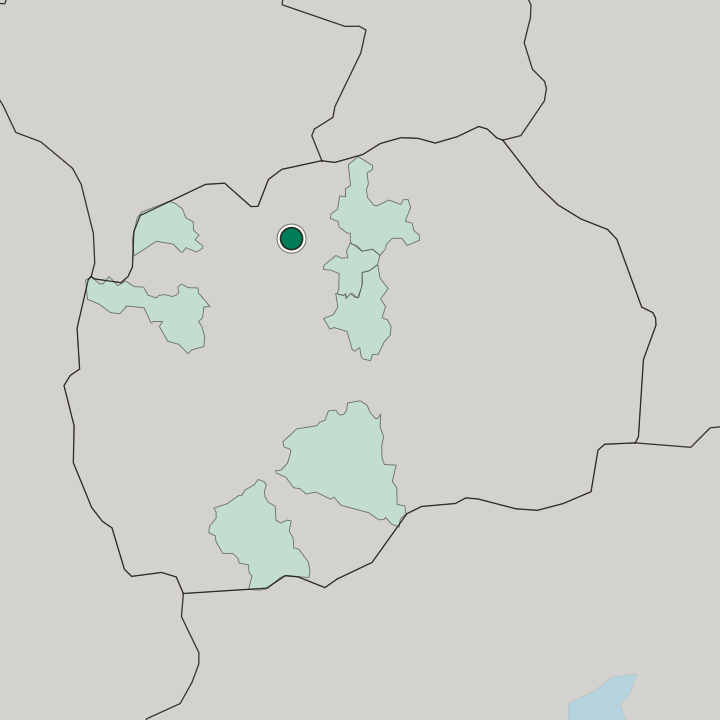
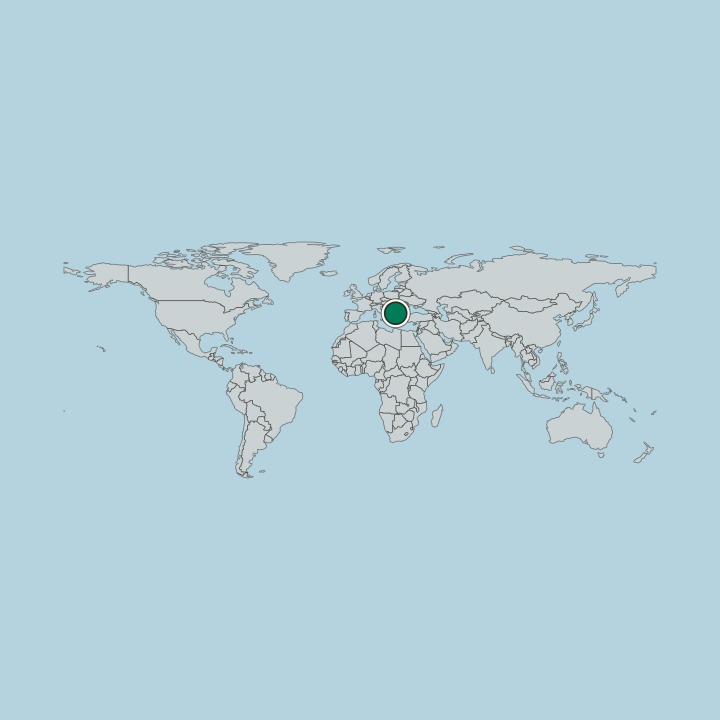
Skopje lies in the northern part of North Macedonia, in the Skopje Valley where the Vardar River cuts west to east through the plain. The city spreads across both banks of the Vardar and covers a wide territory of urban and rural ground, close to the borders of Kosovo and Serbia. Vodno rises to the south.
Its wooded slopes carry the ruins of Markovi Kuli and look down over the whole basin, giving the valley a clear southern edge.
What is the climate of Skopje?
The Skopje Valley traps its weather. Ringed by higher ground and set back from the sea, the basin runs to hot, dry summers and cold winters, with the Vardar River threading through it year-round. Vodno's slopes to the south catch the first snow.
The enclosed valley floor, sheltered from coastal air, can hold cold or haze in the colder months, so the seasons here feel sharper than the temperate band alone would suggest.
How do you get to Skopje?
Skopje sits at the crossroads of the central Balkans. Roads and rail follow the Vardar River through the valley, linking the city north toward the borders of Kosovo and Serbia and south deeper into North Macedonia. Most visitors arrive by air.
From the terminal, the run into Centar and the central square below Skopje Fortress is short, putting the Stara Čaršija within easy reach of the river crossings.
Common questions
What is the best area to stay in Skopje?
Centar: Museums and monuments beside the central square. Stara Čaršija: Ottoman bazaar life under the fortress walls.
Good for
Updated October 2026