North Macedonia · Kumanovo
Where to Stay in Kumanovo
Kumanovo is a city in northern North Macedonia, near an ancient hilltop observatory of the Bronze Age.
Hotel links are affiliate links: booking through them may earn us a commission, at no extra cost to you. It never affects how places are ranked. How this works


Where to stay in Kumanovo
Where visitors usually base themselves, and why.
Lodging in Kumanovo comes down to the centre or the hills outside it. The streets around the main square and the churches keep the shops, the museum, and the market within a walk, and staying downtown suits anyone here for the town. The square fills in the evening.
Rooms sit near the church and the market. Out toward the hills and Kokino, the land rises into rocky uplands. A room out of town trades the streets for space, quiet, and an easy road to the ancient observatory.
The bare hills open past the edge. If you want the churches and the town, stay in the centre; if you want the stars, take a room toward Kokino. Whichever you pick, the square and its churches stay close.
Find hotels in Kumanovo
Direct booking searches for these neighbourhoods.
The centre
Around the main square and the Holy Trinity church, within a walk of the shopsFind hotels in The centreStays wanting the observatory and the hillsToward Kokino
Out of town toward the hills, an easy road to the ancient Kokino observatoryFind hotels in Toward KokinoHotel links are affiliate links: booking through them may earn us a commission, at no extra cost to you. It never affects how places are ranked. How this works
Things to do in Kumanovo
Ranked by global recognition; descriptions from Wikidata (CC0).
Museums & Galleries
3- Todorovski House Heritage
- Kumanovo Museum
- Kumanovo Icon Gallery
Churches & Religious Sites
3- Church St. Nicholas, Kumanovo Heritage
- Church Holy Trinity, Kumanovo
- St. Paraskeva of Rome Church, Bedinje
Castles & Historic Sites
3- Josip Broz Tito Monument, Kumanovo
- Бања (Проевце)
- Градиште (Бедиње)
Stadiums & Sports
1- Sports Hall Kumanovo
Landmarks & Notable Places
1- House on Moša Pijade Street no. 138, Kumanovo Heritage
worth knowingacross 5 categories in Kumanovo
About Kumanovo
Kumanovo is known for the ancient stars of Kokino.
What is Kumanovo known for?
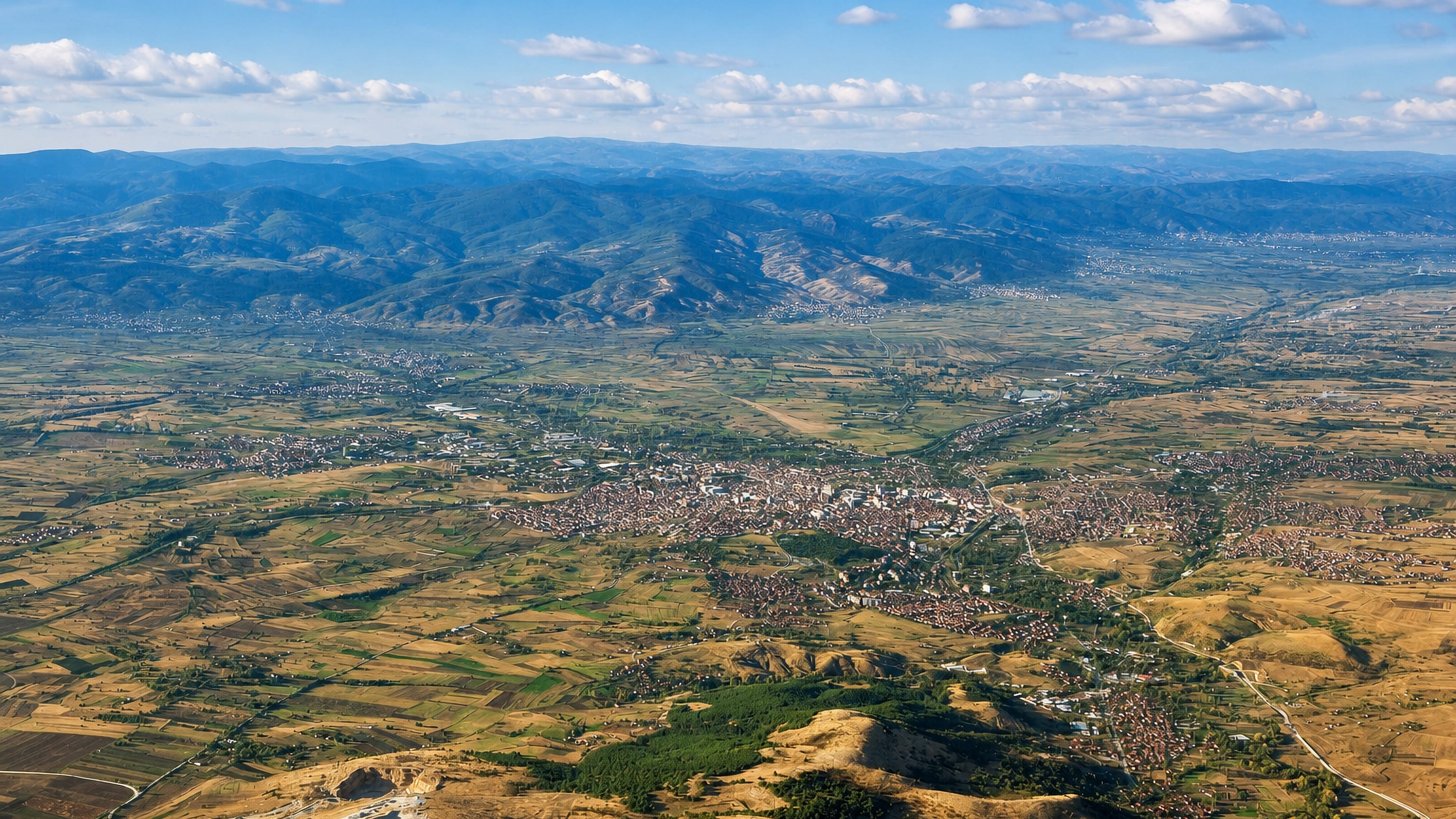
On a rocky hill near the town lies Kokino, a great Bronze Age observatory where people watched the sun and moon four thousand years ago, and a battle monument crowns another hill from the wars of the last century. Churches and old houses fill the streets. Stars and stone mark the town.
What are the main landmarks in Kumanovo?
Kokino is the ancient wonder near Kumanovo. On a rocky hill outside the town, stone seats and markers cut four thousand years ago tracked the sun and moon, the emblem of the region, among the crags. Churches and museums fill the town.
The Holy Trinity and Saint Nicholas churches rise in the centre, while the Kumanovo Museum and the Zebrnjak battle monument keep the town's story.
What is the history of Kumanovo?
People have watched the skies here since the Bronze Age. On the hill of Kokino, four thousand years ago, they cut stone seats and markers to follow the rising sun and moon, making one of the oldest observatories in the world. A town grew on the plain below.
Through the ages of Rome, Byzantium, and the Ottomans, Kumanovo lay on the trade road north, a market town of mixed peoples between the mountains. War swept the plain more than once. In 1912 a great battle near the town, remembered at the Zebrnjak monument, drove the Ottomans from the region, and Kumanovo passed into the new Balkan states.
The town grew in the modern age. Under socialist rule it spread into an industrial city of the north, its old churches and houses still standing in the centre, its people Macedonian and Albanian. The ancient stones still crown the hill.
Kumanovo keeps its old observatory above the plain.
Where is Kumanovo?
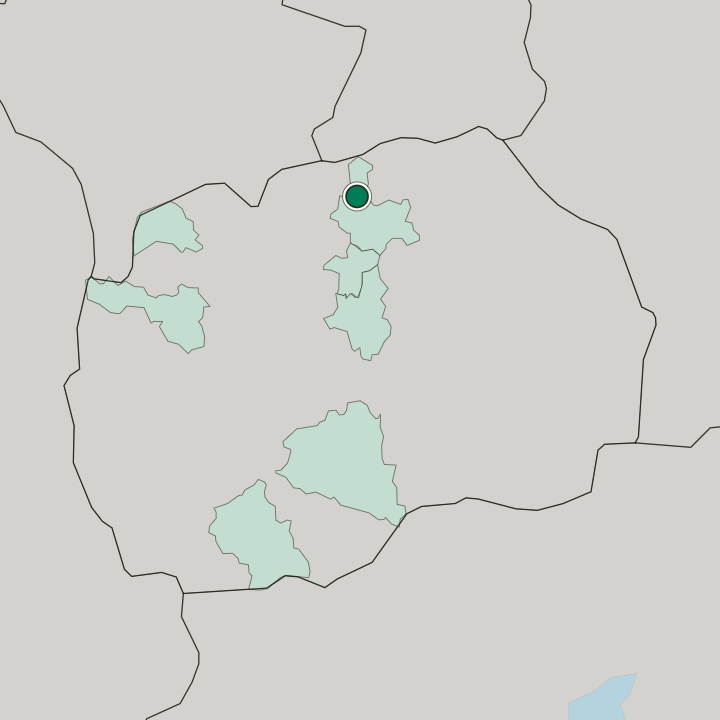
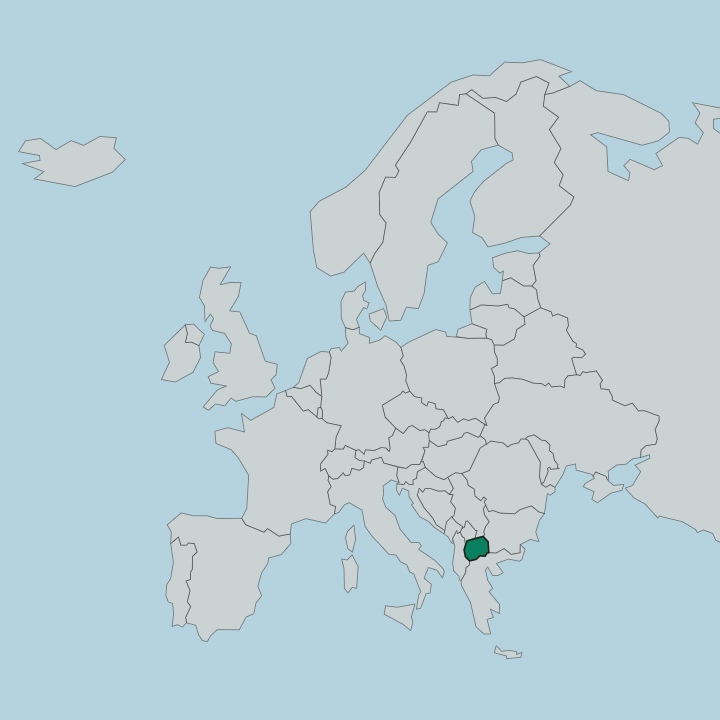
Kumanovo lies on a broad plain in the north of North Macedonia. The city sits in the valley of the Pčinja, ringed by low hills and rocky uplands, near the borders with Serbia and Kosovo, on the road north to Belgrade. Bare hills rise around the plain.
The valley opens south toward Skopje.
What is the climate of Kumanovo?
Kumanovo's seasons follow a mild continental rhythm. Warm, dry summers cross the plain, and the winters turn cold and snowy in the valley, with rain in spring and autumn. Cold winds sweep down from the hills.
The plain bakes under the summer sun.
How do you get to Kumanovo?
Kumanovo lies in the north of North Macedonia near the Serbian border. The main highway and rail line run to it up the valley from Skopje, half an hour to the south, and roads cross to Serbia and Kosovo. Buses reach the plain villages around.
Most arrive by road from Skopje.
Common questions
What is the best area to stay in Kumanovo?
The centre: Visitors here for the churches, museum, and market. Toward Kokino: Stays wanting the observatory and the hills.
Good for
Updated September 2026