Mali · Bamako Region
Where to Stay in Bamako, Bamako Region
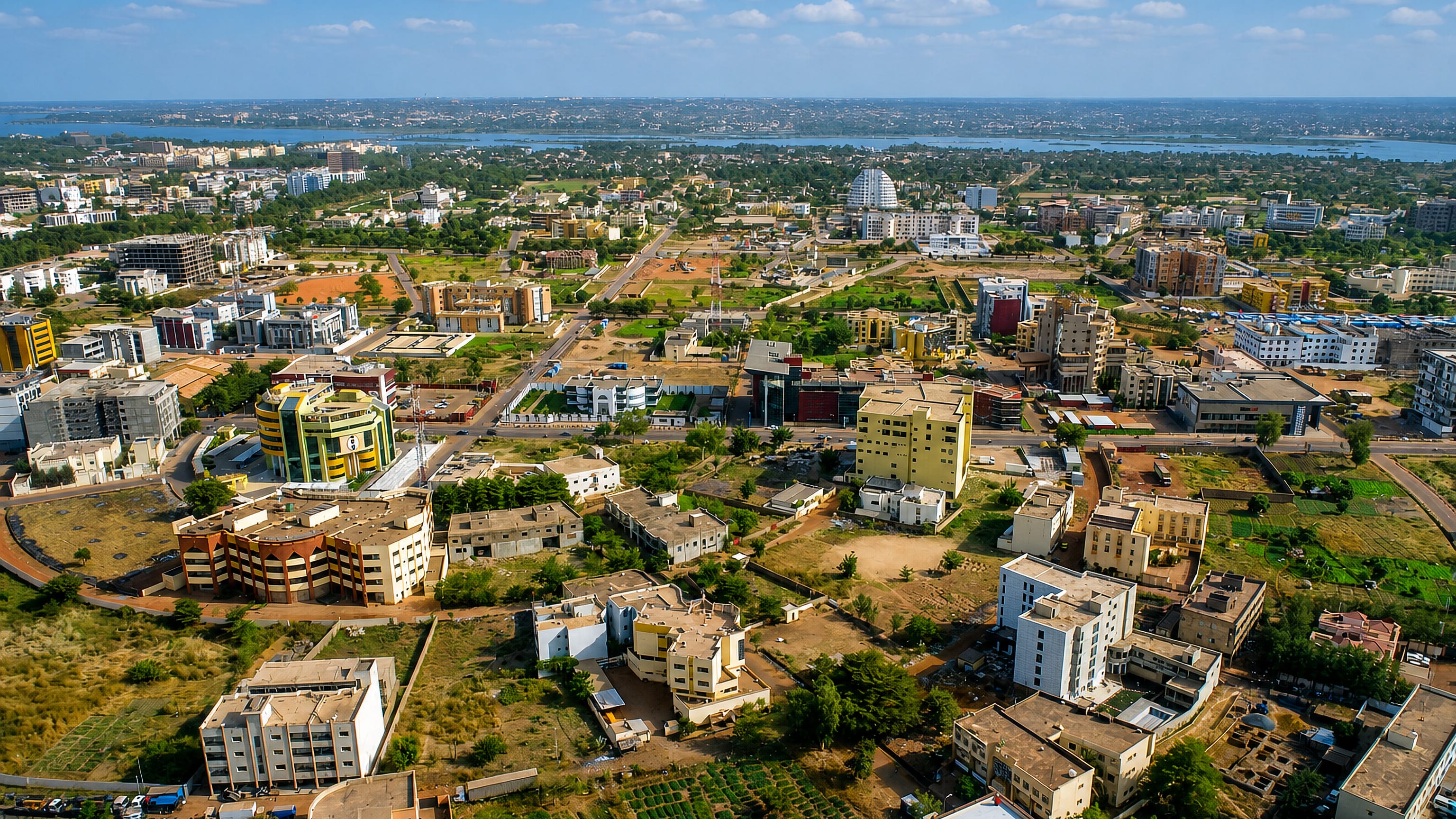
Bamako, the capital and largest city of Mali, straddles the Niger River beside the rapids that separate the upper and middle Niger valleys.
Hotel links are affiliate links: booking through them may earn us a commission, at no extra cost to you. It never affects how places are ranked. How this works


Where to stay in Bamako
The practical side of choosing where to sleep.
Bamako sits on both sides of the Niger River, and the first decision is which bank to sleep on, because crossing takes time in a city of this size. The National Museum of Mali is the anchor for anyone here for the collections, and rooms within reach of it also put the Muso Kunda Museum of Women and the Afro-Arab Cultural Institute inside a day's walking. That is the culture base.
Along the Niger River the ground is different, with the water itself the reason to stay, and the rapids that separate the upper and middle Niger valleys lie close to the city. The Tower of Africa marks the skyline. Around the Monument of Independence and the Peace Monument the city reads as a capital, with the offices and institutions that come with that role, and a bed there suits business as much as sightseeing.
Traffic is the constraint. A city spread over both banks of the Niger River does not reward a base chosen at random, and the Pavillon des sports Modibo Keita and the Tower of Africa sit far enough apart to matter. Koulikoro Region surrounds the whole of it.
Anything outside the capital means leaving Bamako Region for that surrounding country, which is worth planning before booking rather than after.
Find hotels in Bamako
Direct booking searches for these neighbourhoods.
Around the National Museum of Mali
The Muso Kunda Museum of Women and the Afro-Arab Cultural Institute fall inside the same walk.Find hotels in Around the National Museum of Malisleeping where the rapids break the river below the cityThe Niger River banks
Rooms facing the Niger River trade the inland streets for the water and the crossings.Find hotels in The Niger River banksbusiness trips and the institutional side of the capitalBy the Monument of Independence
The Monument of Independence and the Peace Monument mark the quarter where official Bamako gathers.Find hotels in By the Monument of IndependenceHotel links are affiliate links: booking through them may earn us a commission, at no extra cost to you. It never affects how places are ranked. How this works
Things to do in Bamako
Ranked by global recognition; descriptions from Wikidata (CC0).
Museums & Galleries
3- National Museum of Mali
- Muso Kunda Museum of Women
- Afro-Arab Cultural Institute
Castles & Historic Sites
1- Monument of Independence
Stadiums & Sports
1- Pavillon des sports Modibo Keita
worth knowingacross 3 categories in Bamako
About Bamako
What is Bamako known for?
Museums and monuments give Bamako its public face, from the National Museum of Mali and the Muso Kunda Museum of Women to the Tower of Africa and the Monument of Independence. The Niger River runs through it. West Africa holds few cities of this size, and the Afro-Arab Cultural Institute and the Peace Monument mark the diplomatic and cultural weight that comes with being Mali's capital.
Sport has its landmark too. The Pavillon des sports Modibo Keita carries a name from the country's own history.
What are the main landmarks in Bamako?
The National Museum of Mali heads the list, with the Muso Kunda Museum of Women beside it as a separate collection. Bamako's monuments fill out the rest. The Monument of Independence, the Peace Monument, and the Tower of Africa stand as the city's built statements, while the Afro-Arab Cultural Institute and the Pavillon des sports Modibo Keita cover culture and sport.
Modibo Keita's name is on the last. All of it sits within reach of the Niger River.
What is the history of Bamako?
The site explains the city: a crossing point on the Niger River beside the rapids that separate the upper and middle Niger valleys, where river traffic has to break and start again. Rapids make a natural stop. Bamako grew on both banks from that position and became the capital of Mali, the largest city in the country and one of the largest in West Africa.
Koulikoro Region encircles it entirely. That arrangement gives the city its own administrative unit, Bamako Region, with a single region wrapped around every side of it. Independence left its markers.
The Monument of Independence records the political turn directly, and the Pavillon des sports Modibo Keita carries a name from the country's own history into daily use. The National Museum of Mali gathers the longer record, and the Muso Kunda Museum of Women holds a part of it that the national collection alone would not. Collections carry what buildings do not.
The Afro-Arab Cultural Institute and the Peace Monument point outward instead, to the connections a capital of this size maintains beyond Mali. The Tower of Africa belongs to the newer skyline.
Where is Bamako?
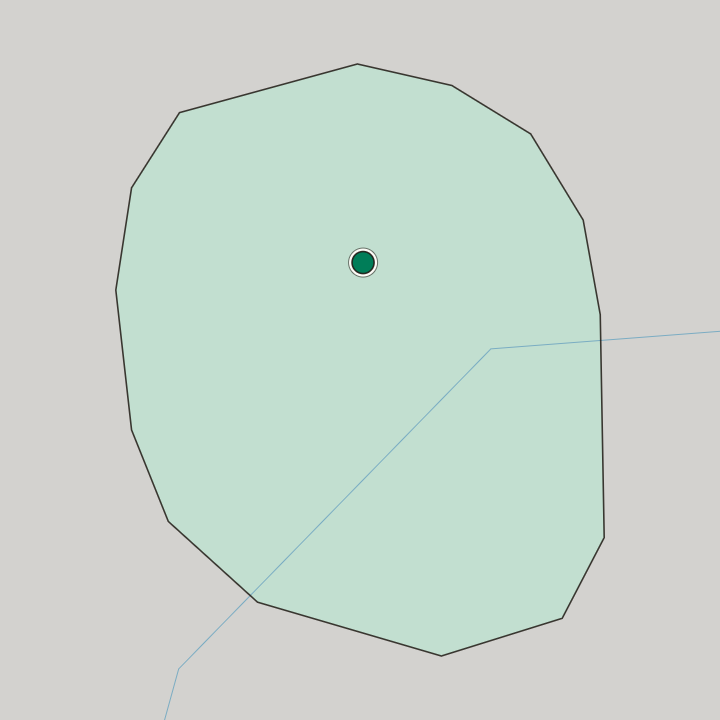
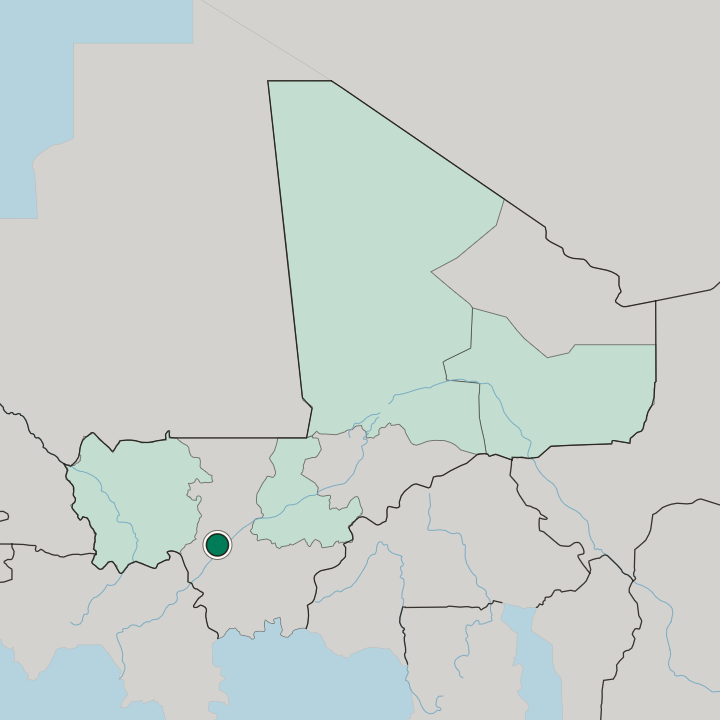
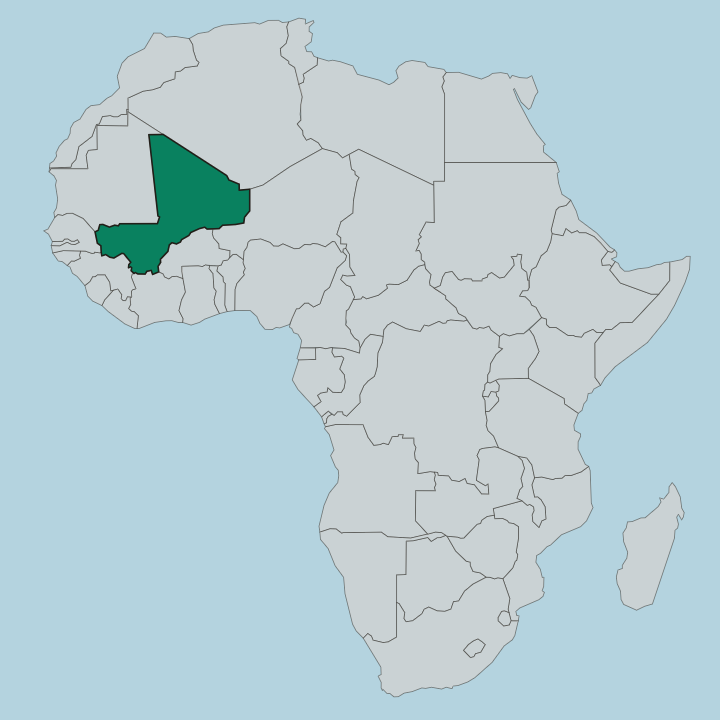
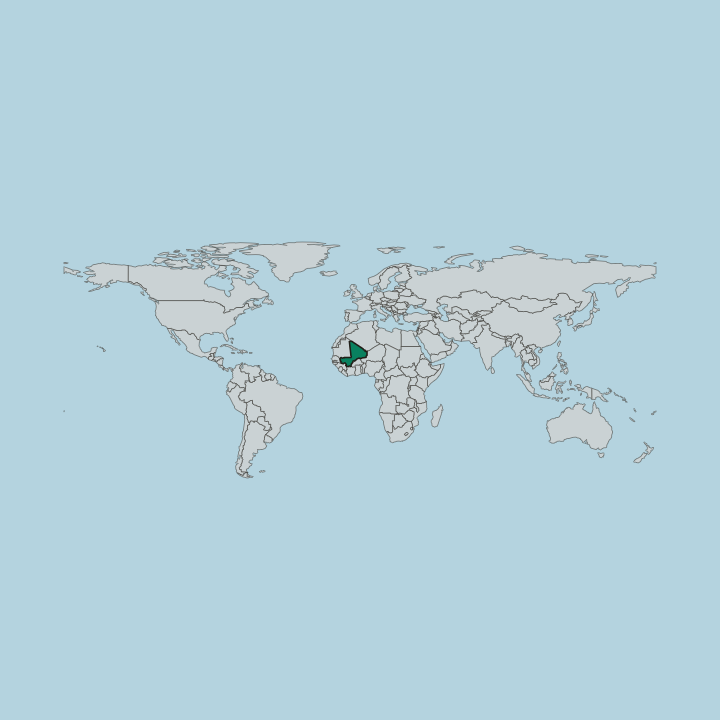
The Niger River divides the city into two banks, and Bamako has spread over both, in the southwestern part of the country where the rapids break the run between the upper and middle Niger valleys. Koulikoro Region surrounds it on every side. Bamako Region covers the city itself, a compact administrative area set inside a much larger one.
Tropical ground, low and riverine. Nothing about the setting is coastal, and the water that matters here is the Niger River rather than any sea.
What is the climate of Bamako?
Bamako runs on two seasons. Rain decides the calendar in Bamako, and the tropical position beside the Niger River means the swing that matters through the year is between wet and dry rather than warm and cold. West Africa sets the pattern at this remove from the ocean, and a river as large as the Niger changes what a visitor feels far less than the season does.
The same holds across Koulikoro Region. Timing a visit around the drier months is the single practical decision, and it matters more in Bamako than the choice of which bank to stay on.
How do you get to Bamako?
Every route into Bamako ends at the Niger River, since the city occupies both banks and the crossings are what tie the two halves together. Koulikoro Region rings the approaches. Anything arriving overland passes through that surrounding region before reaching Bamako Region, and the capital of Mali draws traffic from across West Africa as well as from the country itself.
The rapids stop river traffic. River traffic on the Niger cannot pass the break between the upper and middle Niger valleys, which is exactly why a city grew at this point rather than further along.
Common questions
What is the best area to stay in Bamako?
Around the National Museum of Mali: days built around the national collections. The Niger River banks: sleeping where the rapids break the river below the city. By the Monument of Independence: business trips and the institutional side of the capital.
Good for
Updated October 2026