Mali: Regions, Cities & Travel Guide
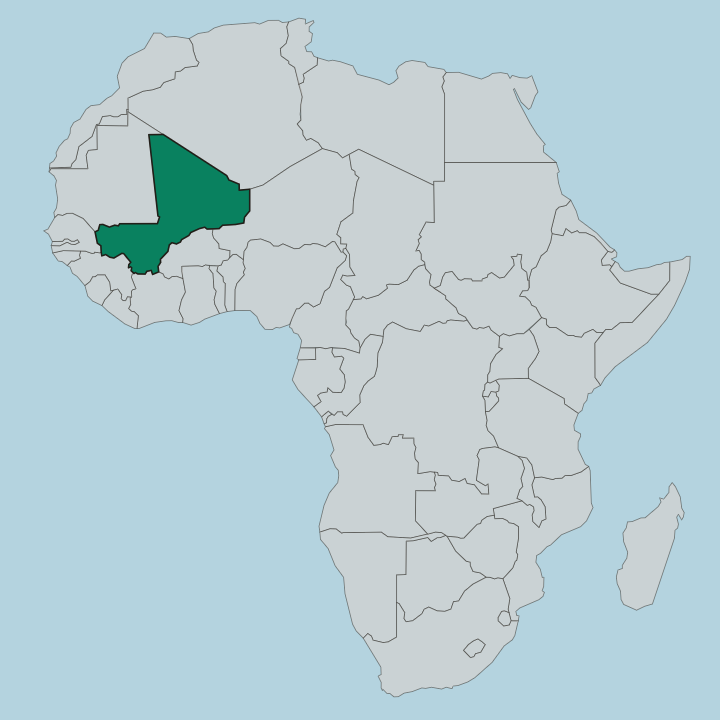
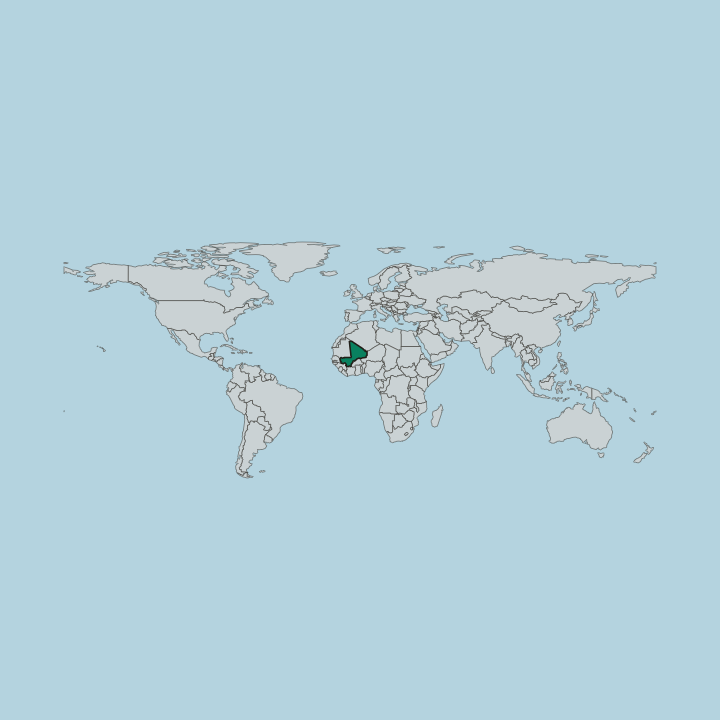
Mali is a landlocked country in West Africa, spread across the Sahel and the Niger River bend, with Bamako as its capital.
Hotel links are affiliate links: booking through them may earn us a commission, at no extra cost to you. It never affects how places are ranked. How this works


Top destinations in Mali
Cities to start from, then drill into areas and hotels.
 Mali
Mali
Timbuktu
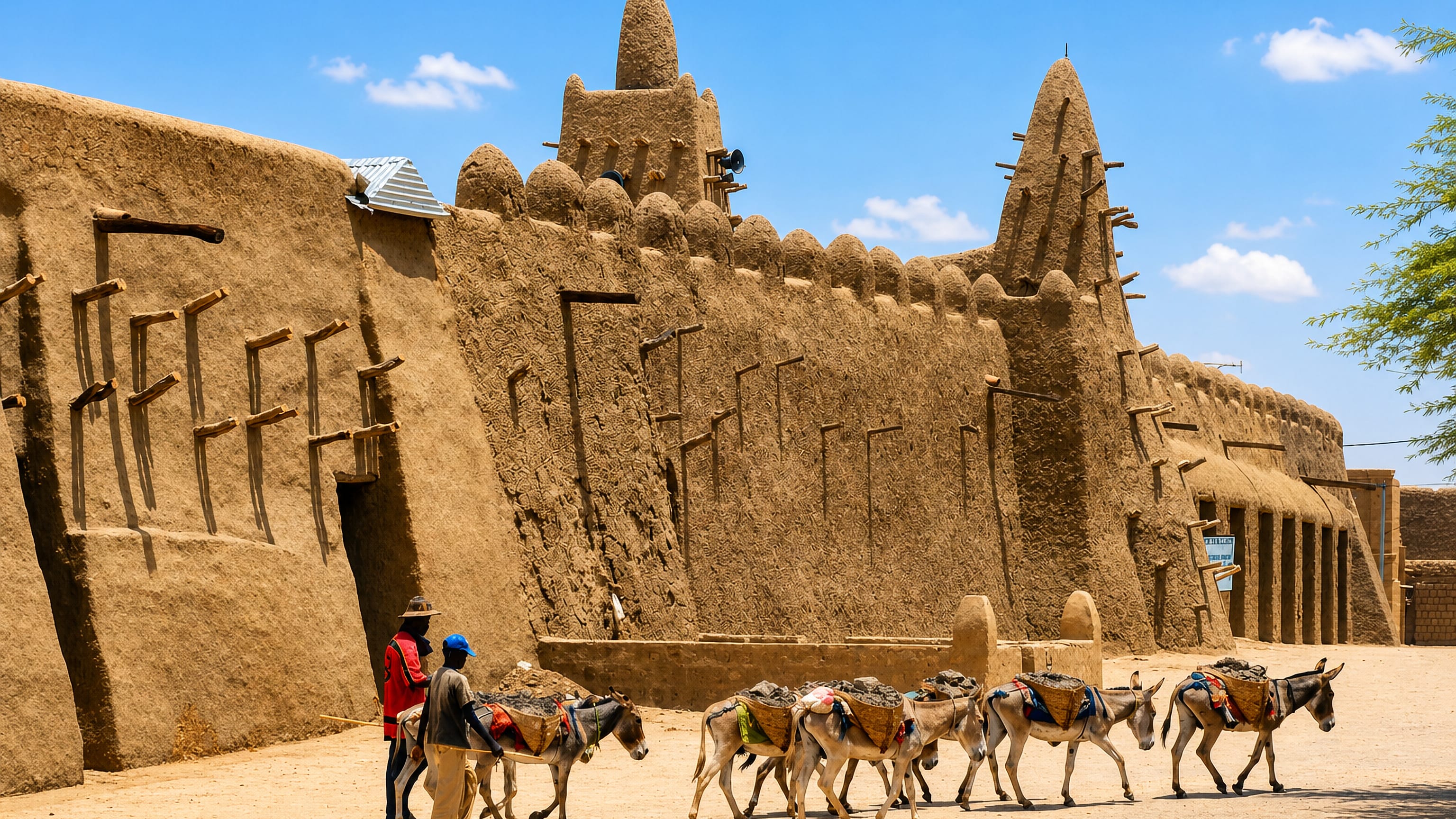
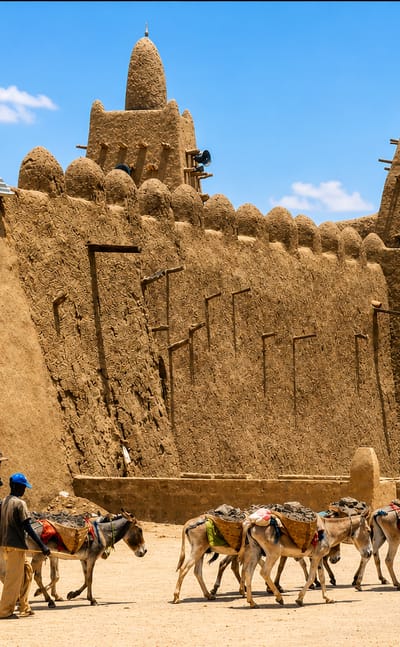
Earthen mosques rise over the streets of Timbuktu, an ancient town north of the Niger River in Mali, known for its madrasah and trans-Saharan trade.Where to stay →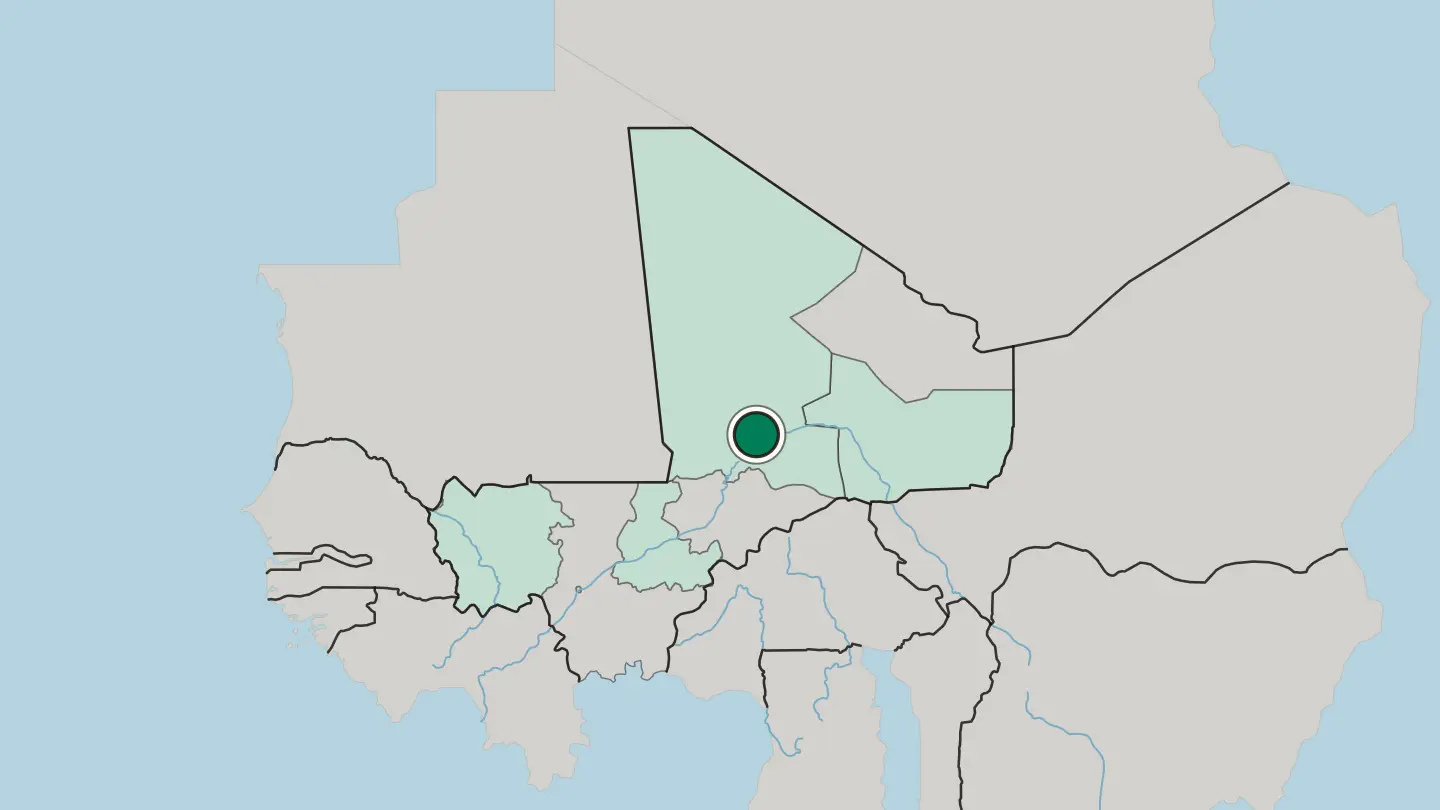
 Mali
Mali
Bamako
Bamako, the capital and largest city of Mali, straddles the Niger River beside the rapids that separate the upper and middle Niger valleys.Where to stay →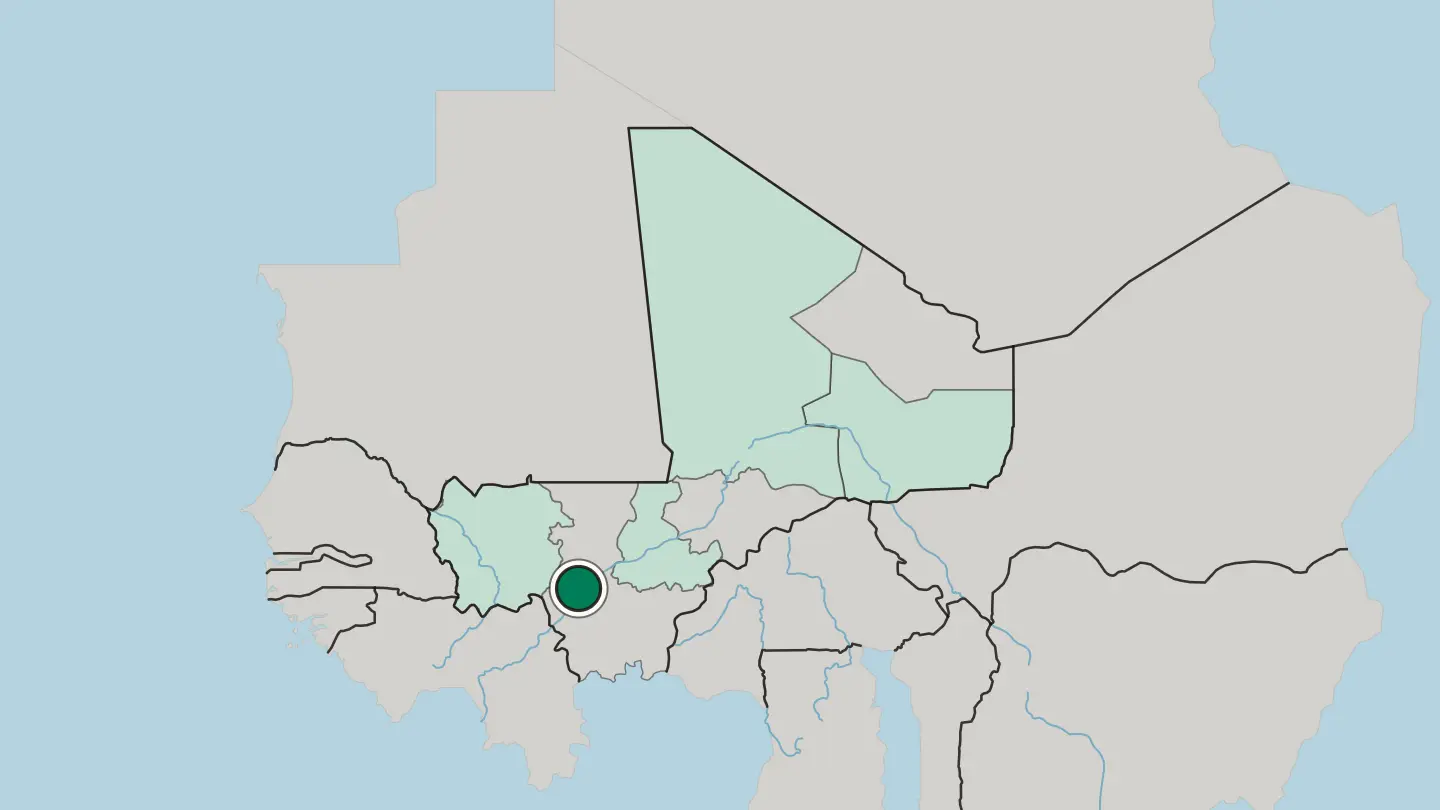 Mali
Mali
Gao
Gao is the capital of the Gao Region in Mali, standing on the left bank of the River Niger at the junction with the Tilemsi valley.Where to stay →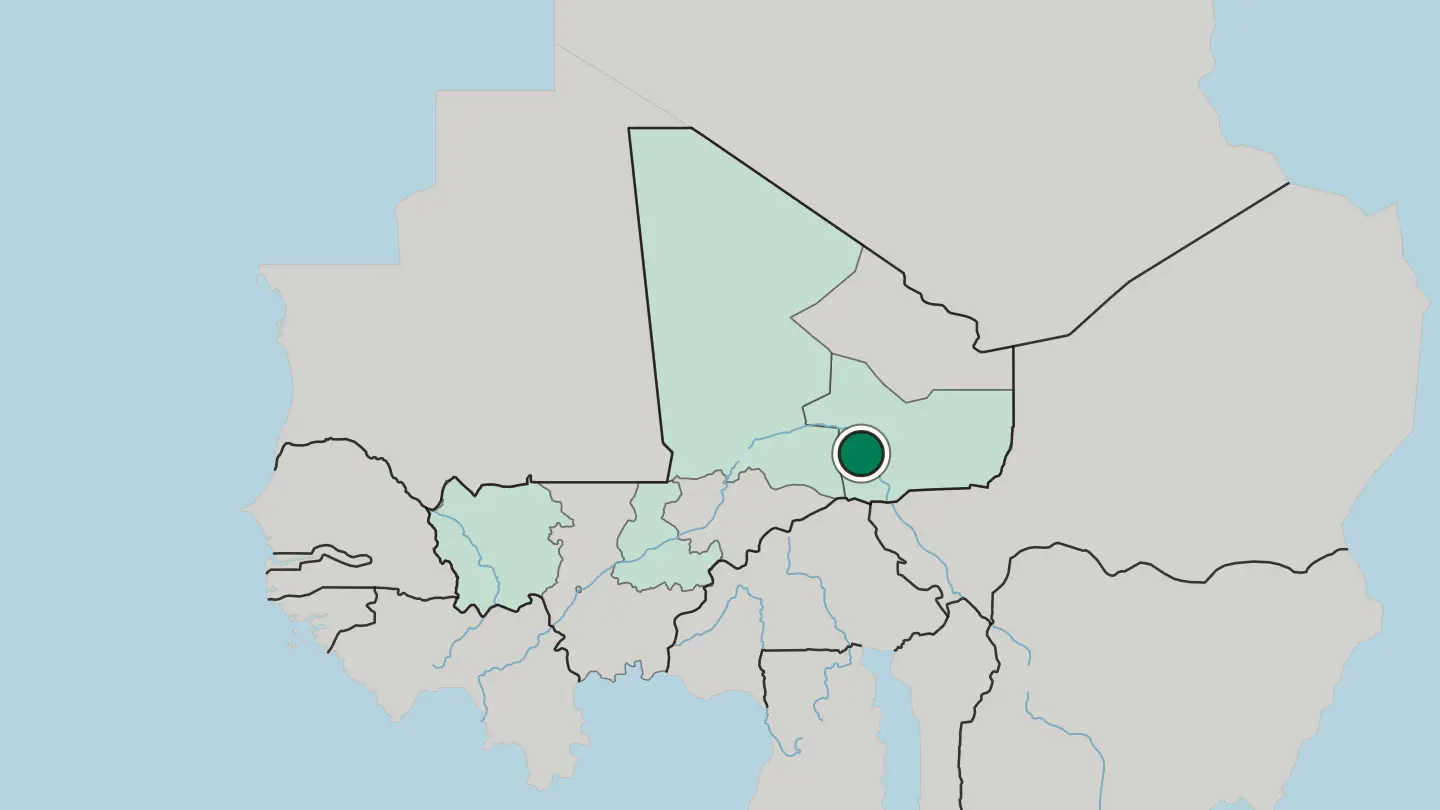 Mali
Mali
Kayes
Capital of Mali's Kayes Region, Kayes lies on the Sénégal River, well north-west of Bamako in West Africa.Where to stay →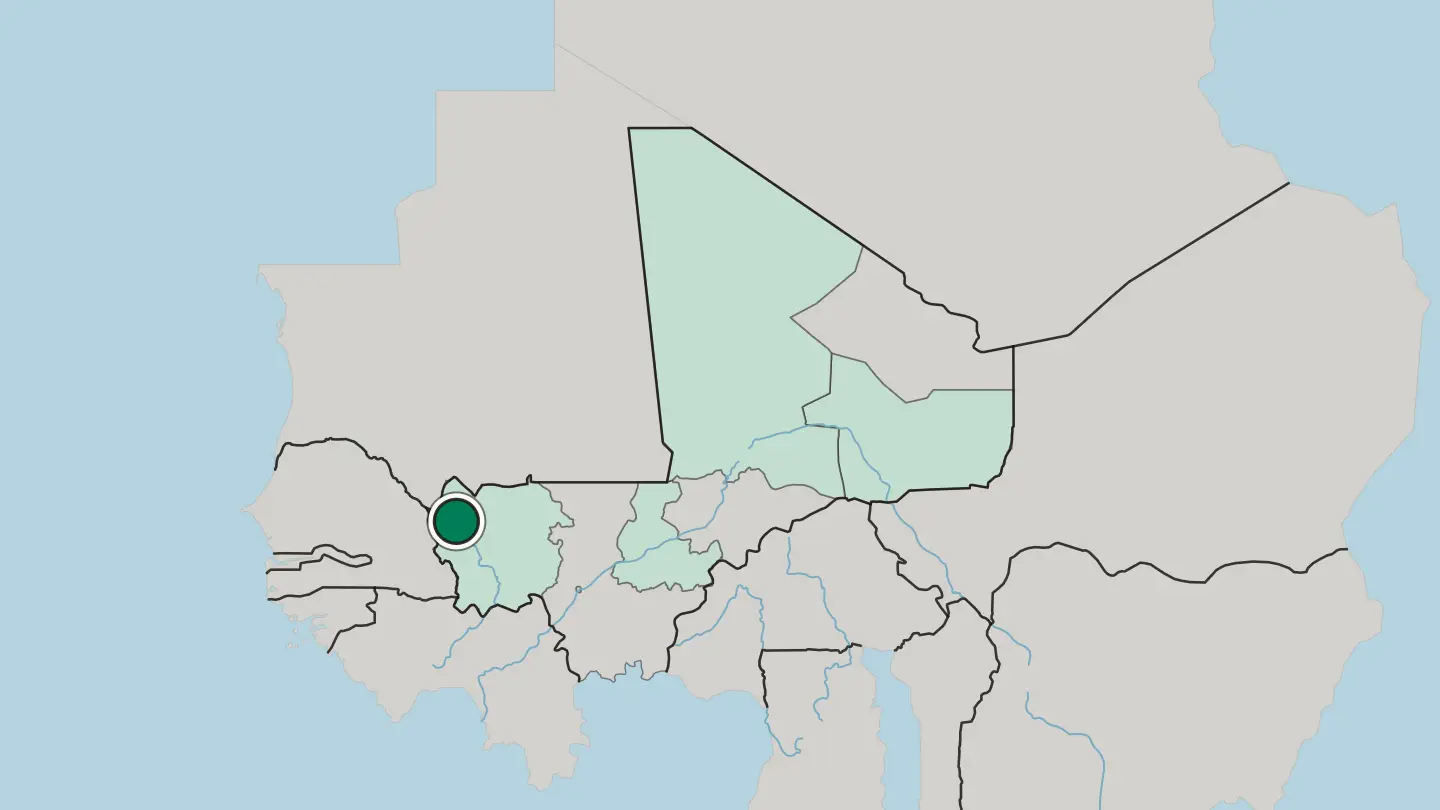 Mali
Mali
Ségou
Ségou is a town on the right bank of the River Niger in Mali, capital of the Ségou Region and founded in 1620.Where to stay →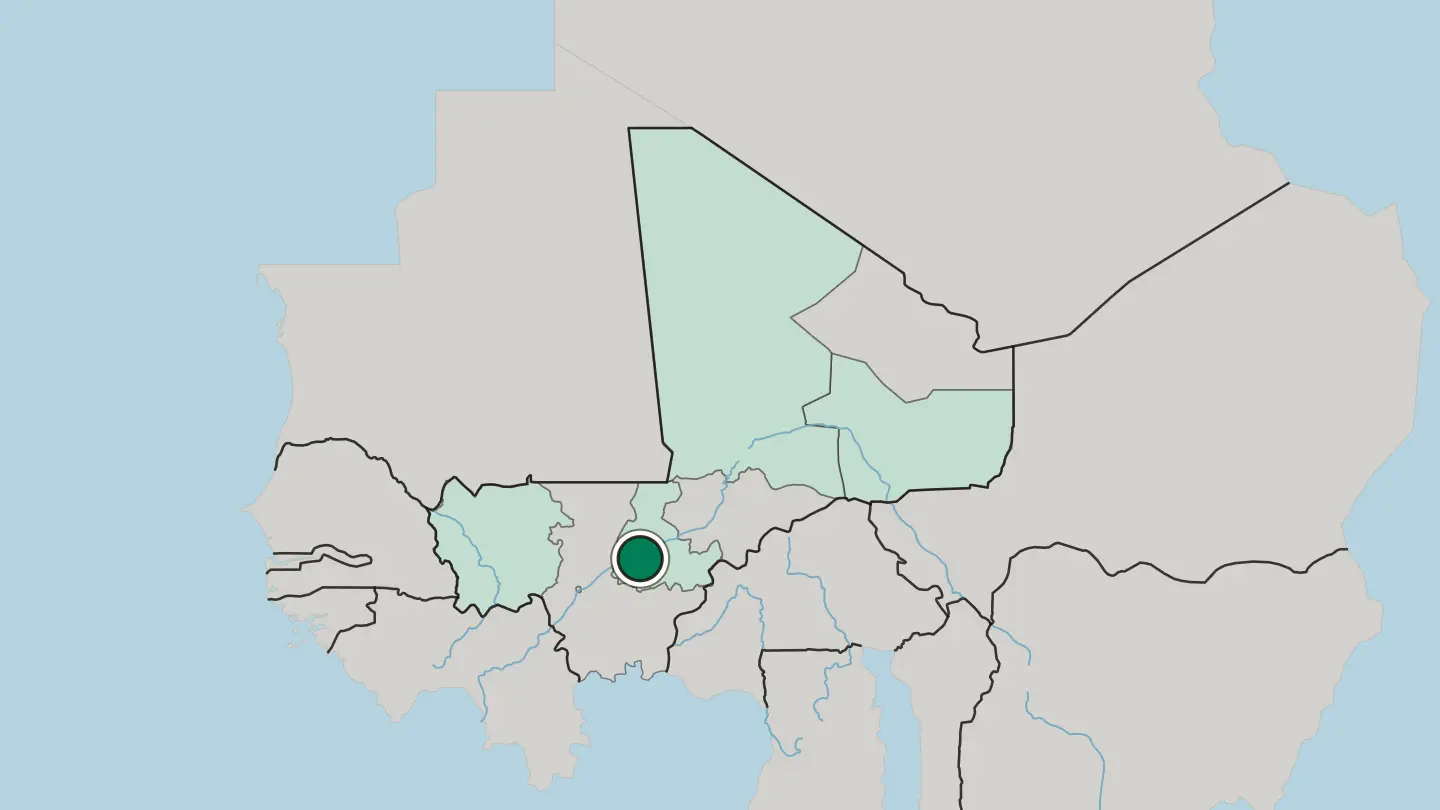
Hotel links are affiliate links: booking through them may earn us a commission, at no extra cost to you. It never affects how places are ranked. How this works
Regions of Mali
Mali
Bamako Region
Bamako Region is Mali's capital district, where the city of Bamako straddles the Niger River as the largest urban centre in the country.Towns & cities →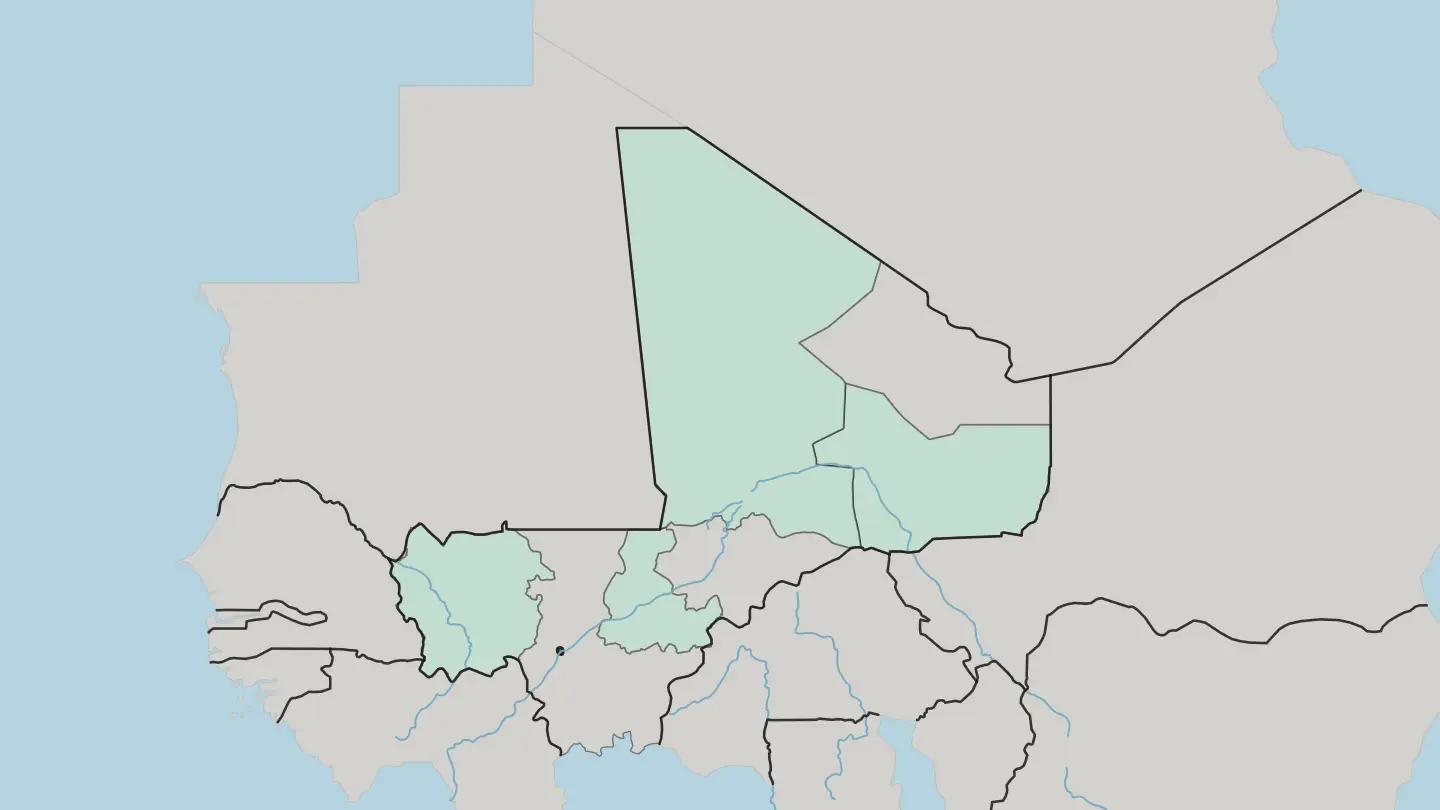 Mali
Mali
Gao Region
Gao Region reaches east from Tombouctou Region along the Niger, and the city of Gao is its capital.Towns & cities →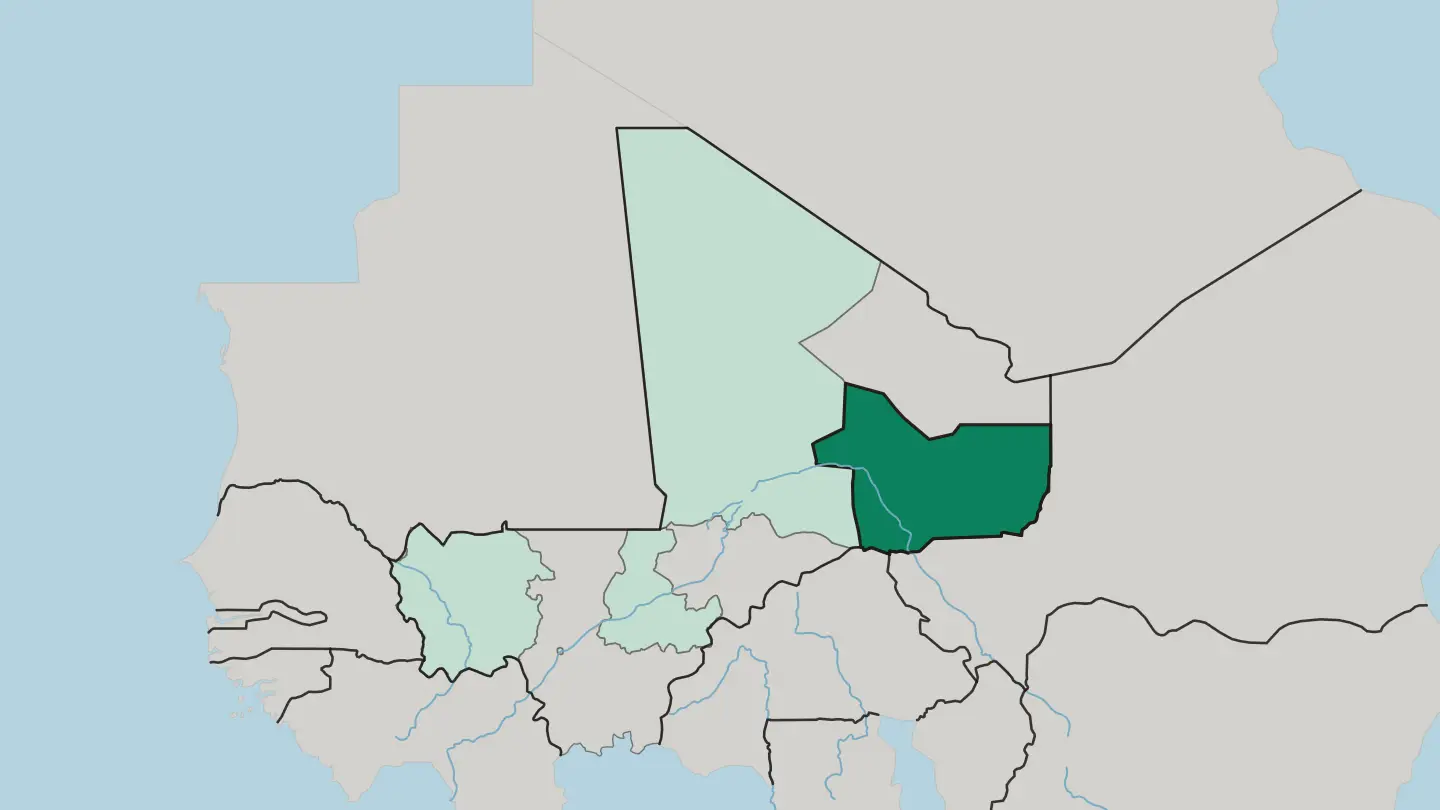 Mali
Mali
Kayes Region
Kayes Region is the first administrative area of Mali, once part of the Ghana Empire and the Mali Empire, with the town of Kayes as its capital.Towns & cities →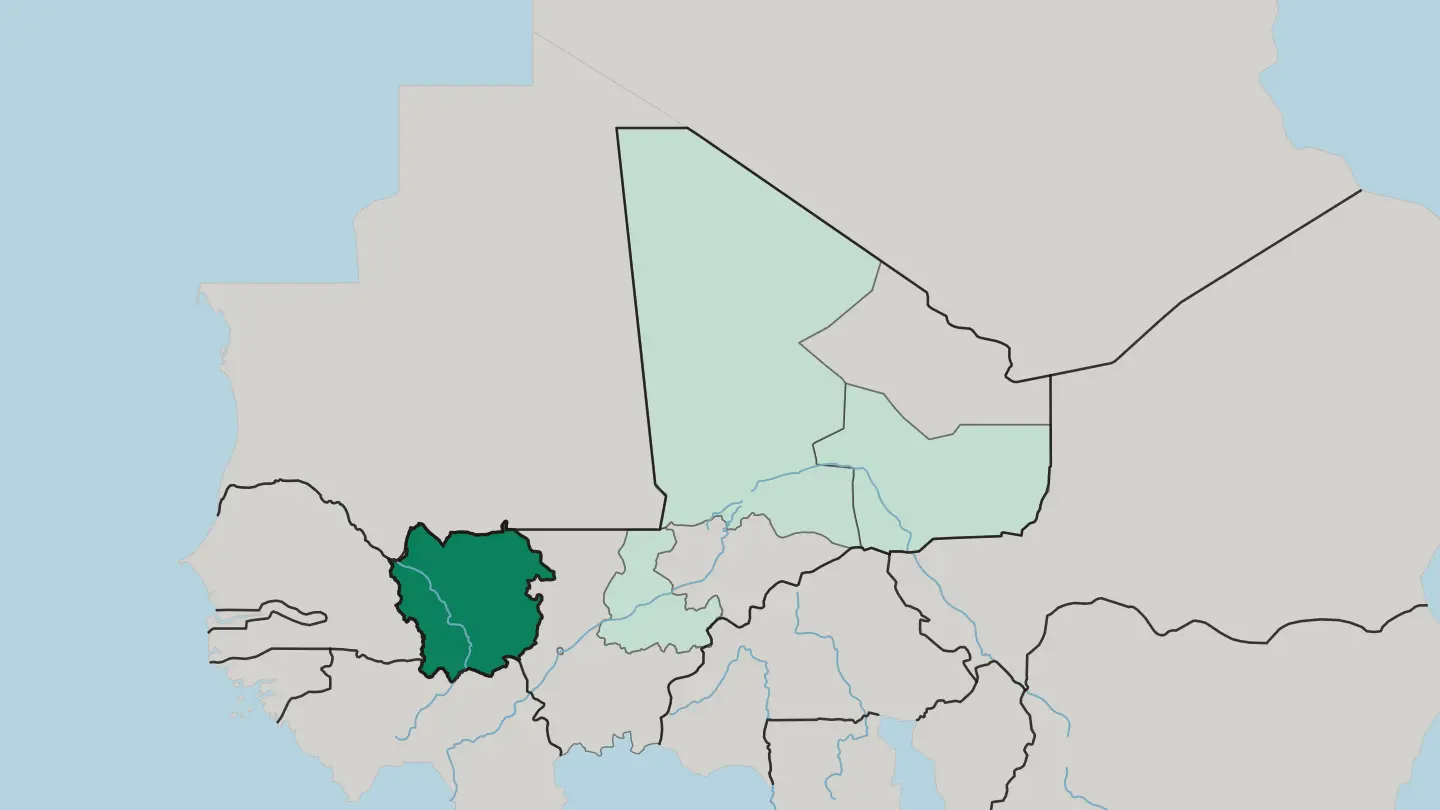 Mali
Mali
Ségou Region
Ségou Region sits in the centre of Mali, ringed by Koulikoro, Sikasso, Mopti, Tombouctou and Burkina Faso, with the town of Ségou as its capital.Towns & cities →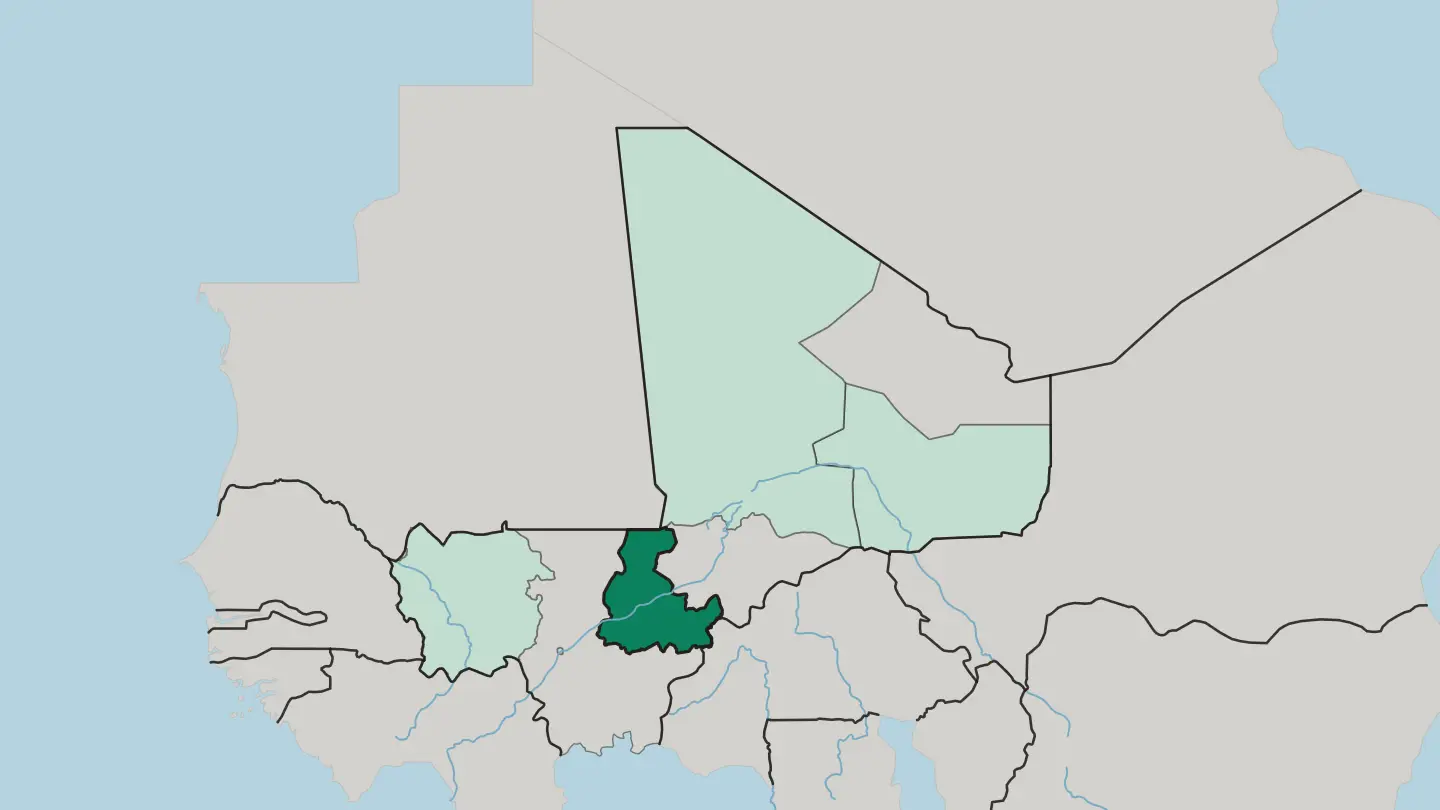 Mali
Mali
Tombouctou Region
Tombouctou Region is one of the administrative regions of Mali, a vast interior territory of five cercles anchored by the city of Timbuktu.Towns & cities →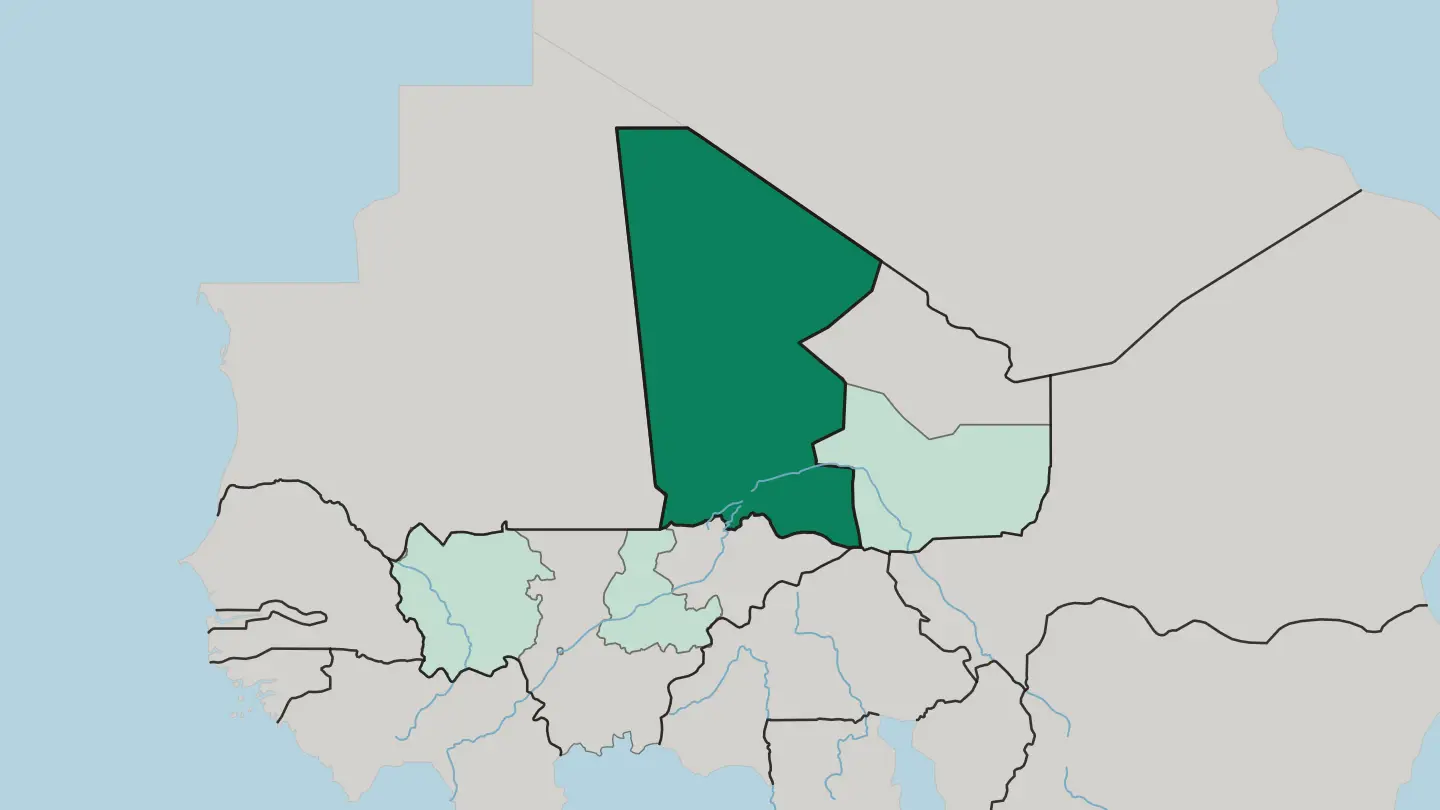
About Mali
What is Mali known for?
Few names carry as much romance as Timbuktu, the desert-edge city of caravans and manuscripts on the upper Niger. Mali is the land the medieval Mali Empire made famous. Its four UNESCO World Heritage sites include the mud-brick Great Mosque of Djenné, the largest earthen building anywhere, and the cliffside Dogon villages strung along the Bandiagara Escarpment.
Music runs through everything, from the desert blues of the north to the griot songs of Bamako. The Niger ties it together.
Where is Mali?
Mali is the eighth-largest country in Africa, and its map reads as three broad bands stacked from the Sahara down to the savanna. The far north is true desert, a stretch of the Sahara around Timbuktu and Gao where the sand seas give way only to scattered oases and salt tracks. The centre belongs to the Sahel.
This semi-arid belt of thorn scrub and grassland runs across the country's midriff, and it is here that the Niger River performs its great trick, bending north into the desert before curving back east and south again. That curve creates the Inner Niger Delta, a vast maze of channels, lakes, and seasonal floodplains around Mopti that swells and shrinks with the rains. Green Mali lies in the south.
The West Sudanian savanna spreads across the wetter regions near Sikasso, close to the borders with Guinea and Côte d'Ivoire, where the Bani River joins the Niger and the land turns to farmland and low hills. The Bandiagara Escarpment breaks the plateau east of Mopti, a long sandstone cliff that shelters the Dogon villages. Rivers, not roads, have always been the country's true arteries.
What is the history of Mali?
Mali carries the name of one of the greatest empires the continent has known. The Mali Empire, founded by Sundiata Keita around 1235, grew rich on the gold and salt caravans crossing the Sahara, and under Mansa Musa in the early fourteenth century it reached from the Atlantic deep into the Niger bend. Mansa Musa's pilgrimage to Mecca became legend.
Along the way he gave away so much gold that its value is said to have fallen for years. Under his rule Timbuktu and Djenné turned into centres of trade and Islamic learning, with the Sankoré scholars drawing students from across the Muslim world. The Songhai Empire, ruled from Gao, later absorbed most of these lands and carried the manuscript tradition forward.
A Moroccan invasion broke Songhai near the close of the sixteenth century. Centuries of smaller kingdoms followed, until France took the territory as part of French West Africa in the late nineteenth century. Independence came on 22 September 1960, when the Republic of Mali was proclaimed under Modibo Keita, its first president.
The empire's memory never really left. It lives in the name, the ruins, and the songs.
What is Mali like?
Mali punches far above its size in music, a reputation earned across dozens of ethnic groups sharing one river. The Bambara, Fula, Songhai, Soninke, Tuareg, and Dogon each hold their own languages, dress, and craft, and Bambara serves as the shared tongue that binds the markets and the airwaves. Sound is the national art.
The griot tradition, in which hereditary bards keep genealogies and history alive on the kora and ngoni, produced Ali Farka Touré and the desert-blues bands of the northern Tuareg, whose recordings carried Malian music onto stages worldwide. Architecture speaks just as clearly. The mud-brick mosques of Djenné and Timbuktu, replastered by hand each year, and the tall carved masks the Dogon dance below the Bandiagara Escarpment, count among West Africa's signature images.
Islam shapes daily life across most of the country, layered over older beliefs that surface in festivals and masquerades. Food leans on grain. Rice, millet, and fonio anchor the table, dressed with peanut and tomato sauces and grilled river fish from the Niger.
Cloth matters too, from indigo Tuareg turbans to the mud-dyed bogolan of the south. It is a culture heard as much as seen.
What is the climate of Mali?
Mali runs hot and dry, and the calendar splits into three plain seasons. From roughly October to February a cooler dry spell arrives, when the dust-laden harmattan blows off the Sahara and hazes the northern sky around Timbuktu and Gao. March to June turns fiercely hot before the rains break.
The wet season, from June to September, waters mainly the south around Sikasso and swells the Niger and the Inner Niger Delta, while the desert north stays parched. Go in the cool months.
How do you get to Mali?
Nearly all travellers arrive by air into Bamako, whose airport is the country's only major international gateway and the hub for onward journeys. Mali sits far inland, hemmed by seven neighbours and no coast of its own. From the capital, roads and river boats fan out toward Ségou and Mopti, while the Niger itself carries slow passenger craft downstream in the higher-water months.
Distances are long and the going is unhurried. Reach Bamako first, then move on from there.
Good for
Updated September 2026