Mali
Bamako Region, Mali — Towns & Travel Guide
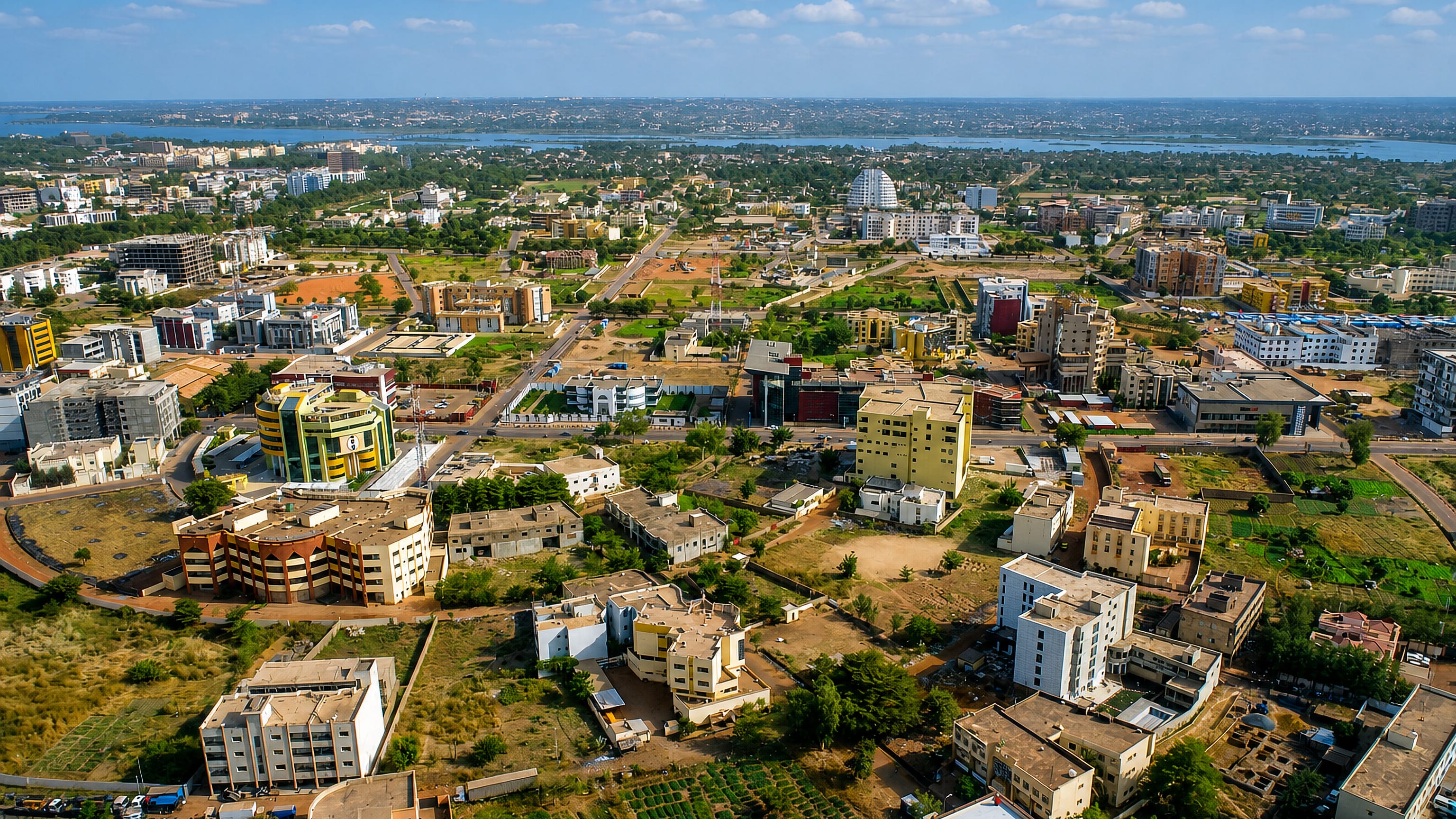
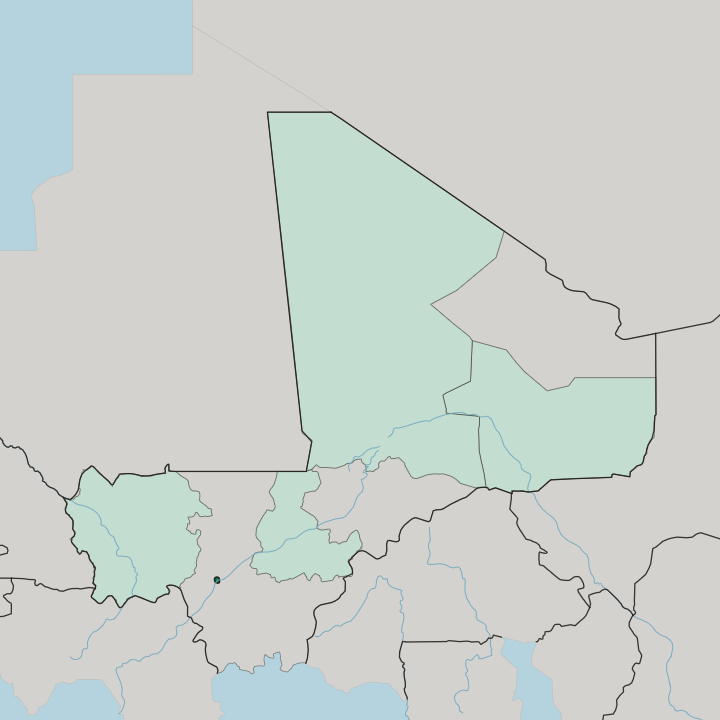
Bamako Region is Mali's capital district, where the city of Bamako straddles the Niger River as the largest urban centre in the country.
Hotel links are affiliate links: booking through them may earn us a commission, at no extra cost to you. It never affects how places are ranked. How this works


Towns & cities in Bamako Region
One town here has its own guide — it links to where to stay.

 Mali
Mali
Bamako
Bamako, the capital and largest city of Mali, straddles the Niger River beside the rapids that separate the upper and middle Niger valleys.Where to stay →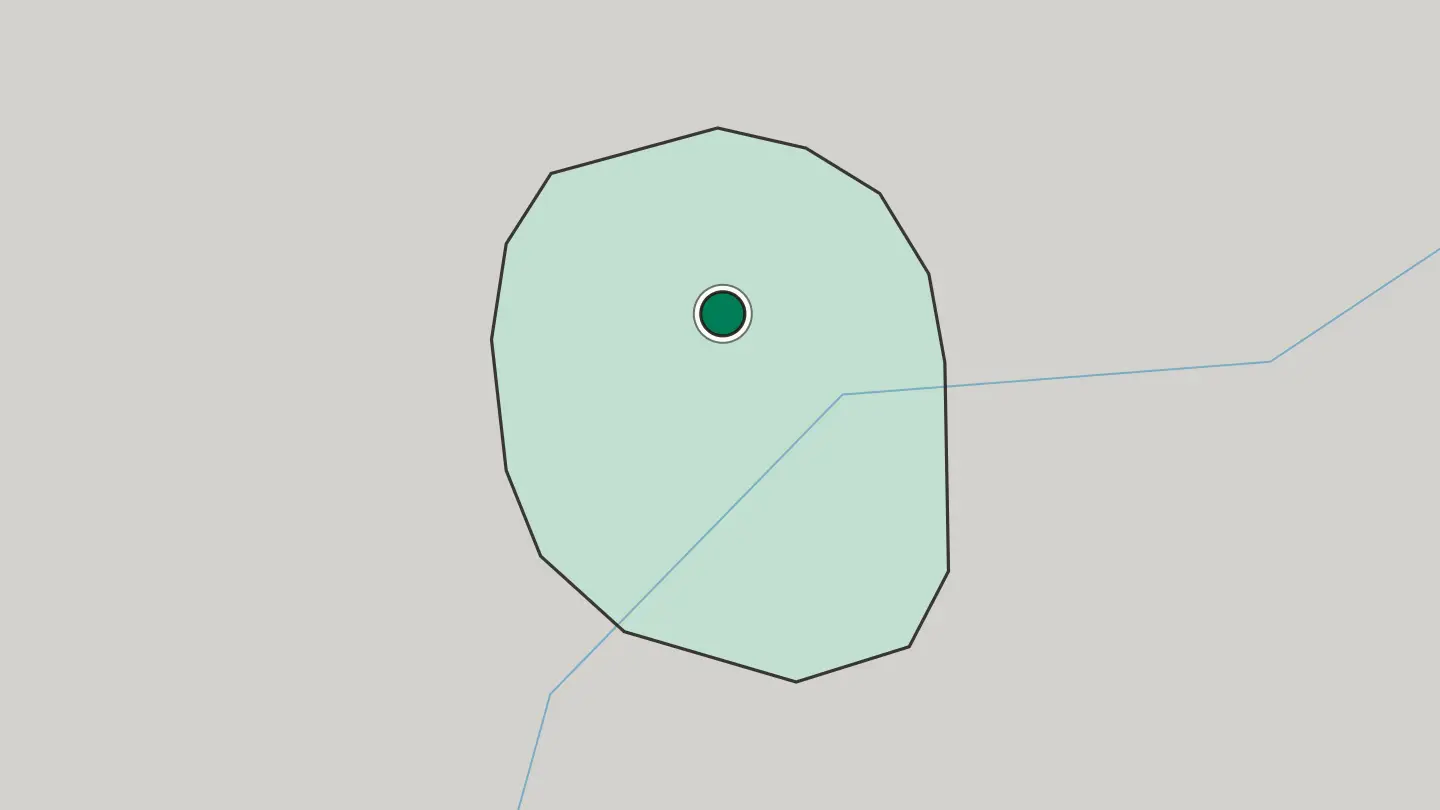
Hotel links are affiliate links: booking through them may earn us a commission, at no extra cost to you. It never affects how places are ranked. How this works
About Bamako Region
What is Bamako Region known for?
Mali's largest city occupies it. Bamako sits across the Niger River, and the two banks together carry the seat of government and the weight that puts the place among the larger cities of West Africa. The river is not incidental.
Everything about the district's shape follows the water it grew around, and Bamako is described first as a city on the Niger before anything else is said about it.
Where is Bamako Region?
The Niger River runs through it. Bamako is built on both sides of the water, so the river is not a border of the capital district but the axis it is arranged along, and every description of the city begins there. Mali surrounds the district.
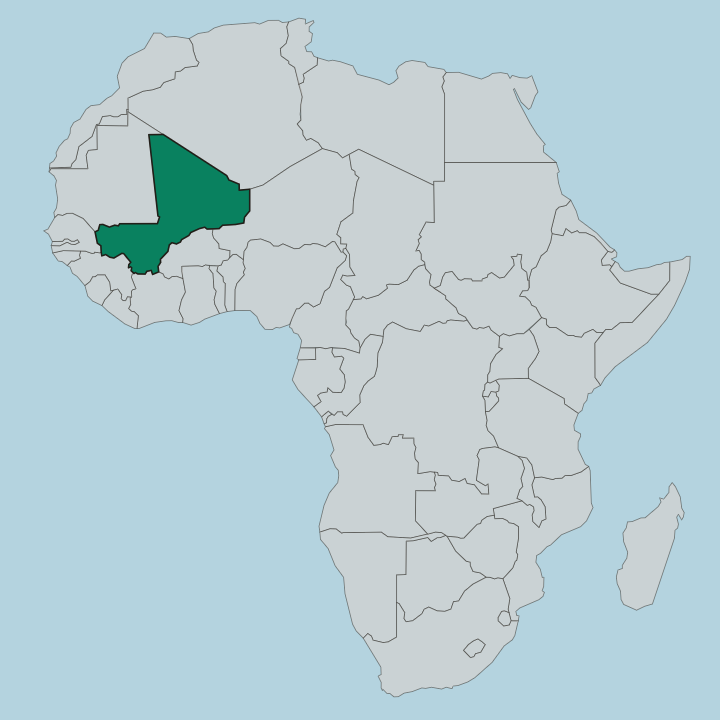
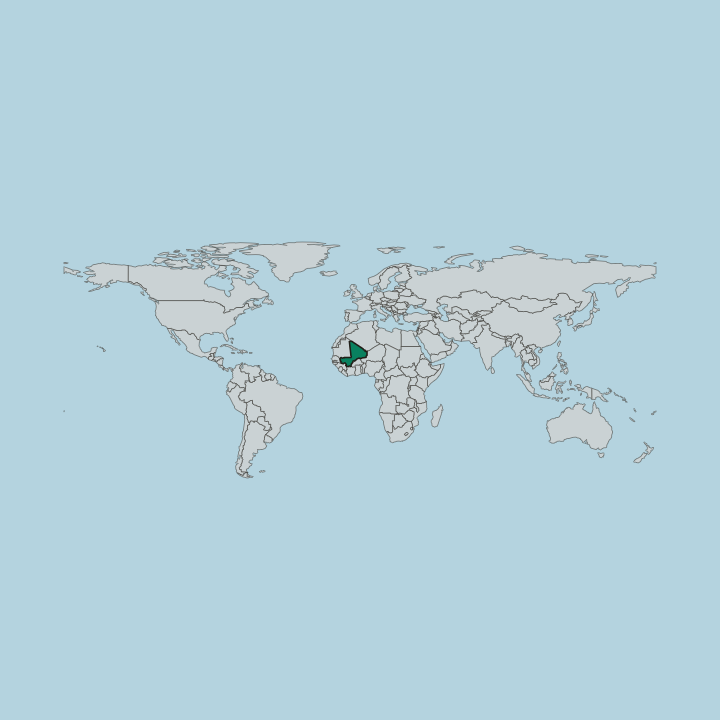
Bamako Region is a small administrative unit by the standards of the country's regions, since it covers a city and its immediate ground rather than a stretch of open territory. West Africa gives the wider frame. Among the cities of that part of the continent Bamako ranks with the largest, which matters for anyone routing a journey, because a place of that scale draws connections that smaller Malian towns cannot.
Size is the district's defining trait. No other settlement in Mali comes close, and the gap between Bamako and the next city down is wide enough that the capital functions as a category of its own. Water and city are inseparable here.
The Niger River gives the district its axis, its drainage and the phrase that fixes Bamako on any map of West Africa, and the place would make little sense described without it.
What is Bamako Region like?
A capital concentrates everything. Bamako holds the institutions of Mali in one place, and life in the district reflects that, since a city carrying the national administration also carries the people who work for it and the trades that follow them. The Niger River is the constant.
Both banks belong to the same city, so crossing the water is an ordinary part of a Bamako day rather than an excursion out of it. Scale sets the tone. Bamako stands among the larger cities of West Africa, and that standing brings the mixture any regional centre acquires, drawing people in from across Mali and from beyond its borders.
Nothing in the country matches it. Malian towns elsewhere operate at a different scale entirely, which is why so much of what happens in the country at large ends up passing through the capital district at some point. The river names the place.
Bamako on the Niger is how the city is introduced in almost any account of Mali, and the phrase does the work of a description because the water is the one feature no visitor can miss.
What is the history of Bamako Region?
Growth made the capital. Bamako became the largest city in Mali and one of the larger ones in West Africa, and a place that reaches that size does so over generations rather than in any single moment. The Niger River was there throughout.
Whatever else changed around it, the water that Bamako straddles has fixed the shape of the capital district from the beginning of its record onward.
What is the climate of Bamako Region?
The Niger River is the local agent. Water running through the middle of Bamako shapes conditions in a way the surrounding country cannot, and a capital district built on both banks lives with the river's presence every month of the year. The water is the constant.
Anything said about the weather in Bamako Region is in the end a statement about the Niger and the ground it crosses.
How do you get to Bamako Region?
Everything in Mali routes through here. Bamako is the country's capital and its largest city, so arrivals from outside Mali and movements within it converge on the district rather than on anywhere else. The Niger River splits the arrival.
Reaching the far bank means crossing the water, which is the one constant in getting about a city built on both sides of it, wherever in West Africa the journey started.
Common questions
What is the best area to stay in Bamako Region?
The Bamako riverfront: arrivals who want the Niger River in sight from Mali's capital. Central Bamako: a first night in the largest city of Mali. The far bank of the Niger: stays that trade central Bamako for the opposite side of the Niger.
More regions in Mali
Updated September 2026