Mali · Gao Region
Where to Stay in Gao, Gao Region
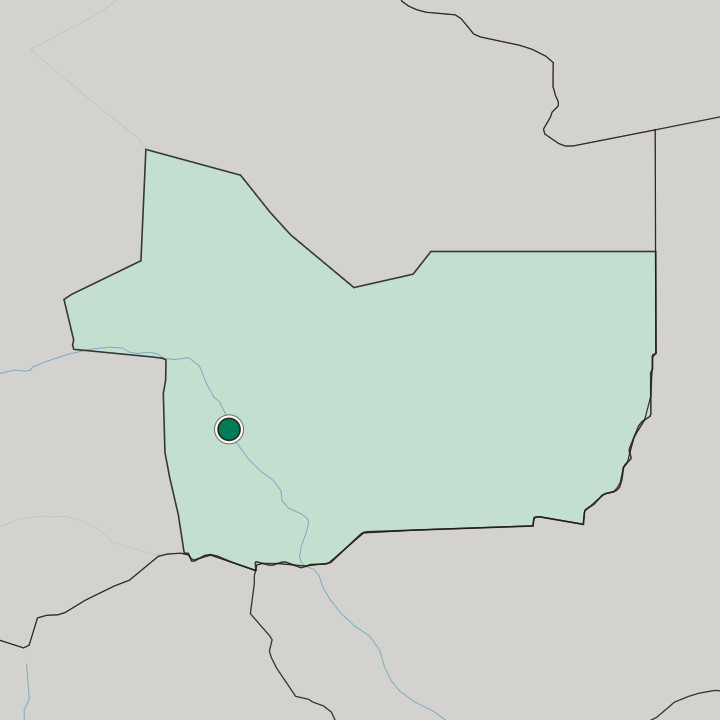
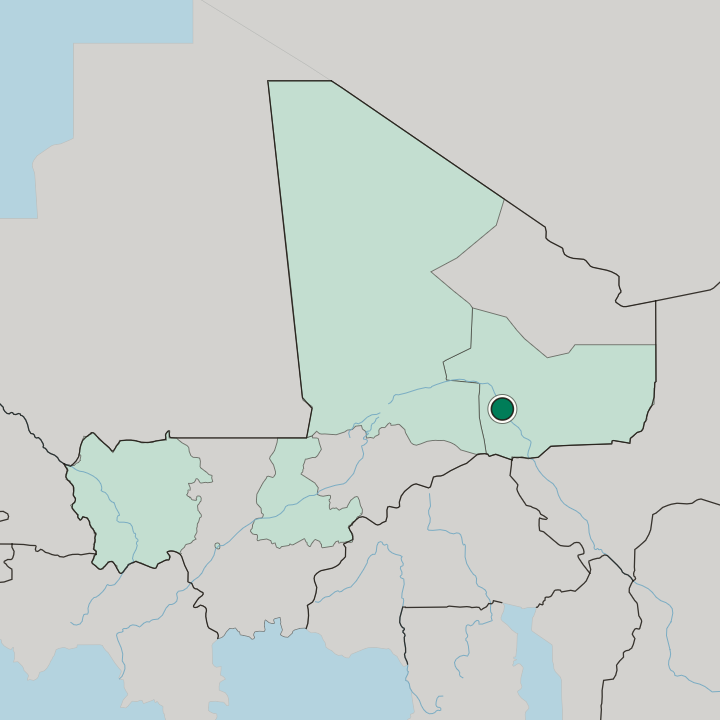
Gao is the capital of the Gao Region in Mali, standing on the left bank of the River Niger at the junction with the Tilemsi valley.
Hotel links are affiliate links: booking through them may earn us a commission, at no extra cost to you. It never affects how places are ranked. How this works


Where to stay in Gao
Where visitors usually base themselves, and why.
Two orientations, river and monument. Rooms near the Tomb of Askia put the city's one great monument at the door, and the surrounding streets carry most of what Gao offers a visitor on foot. Askia gave it the name.
Down on the left bank the River Niger runs past the city, and a bed facing the water trades the density of the centre for the traffic of the river itself. Both sit inside the same town. The Tilemsi valley meets the Niger here, and anyone working that route will want a base near the junction rather than deep in the centre.
Distances in Gao are short. As the capital of the Gao Region, the city carries the administrative weight of a large area, and that is what keeps beds available at all in a place this far from Timbuktu. Mali's distances are long.
Anyone crossing the country by road should treat Gao as a fixed point rather than an optional stop, given that 320 km of ground separates it from Timbuktu. Book with the heat in mind. The Tomb of Askia stays the anchor.
Find hotels in Gao
Direct booking searches for these neighbourhoods.
Around the Tomb of Askia
The streets around the Tomb of Askia hold most of what Gao can be walked to in a morning. Rooms are few around here — worth securing early.Find hotels in Around the Tomb of Askiariver traffic and open water instead of the dense centreThe left bank of the River Niger
Beds facing the River Niger swap the crowding of central Gao for the movement on the water. Lodging is scarce in this area; reserve in advance.Find hotels in The left bank of the River Nigertravellers working the corridor inland from the riverNear the Tilemsi valley junction
Where the Tilemsi valley opens off the Niger, a base keeps the overland route out of Gao close. Lodging is scarce in this area; reserve in advance.Find hotels in Near the Tilemsi valley junctionHotel links are affiliate links: booking through them may earn us a commission, at no extra cost to you. It never affects how places are ranked. How this works
About Gao
One monument dominates.
What is Gao known for?
The Tomb of Askia rises in Gao as the city's principal monument, a structure carrying the name of Askia, and it is the first thing most accounts of the city mention. The River Niger does the rest. Gao heads the Gao Region, and the city's position on the left bank at the junction with the Tilemsi valley has kept it on the routes across this part of Mali.
Gao lies 320 km east-southeast of Timbuktu.
What are the main landmarks in Gao?
One name carries it. The Tomb of Askia stands in Gao as the single monument the city is known by, and its presence on the left bank of the River Niger fixes the town in a much older story. Askia is the name behind it.
Beyond the monument, the setting itself does the work: the junction of the Tilemsi valley with the Niger, and the river frontage that runs the length of the city. Gao Region has little else recorded.
What is the history of Gao?
One monument holds the record. The Tomb of Askia survives in Gao as the physical trace of an earlier order, and a monument of that standing marks the city as more than a stop on the River Niger. Askia gave the tomb its name.
Geography explains why anything was built here at all: the left bank of the Niger, the junction with the Tilemsi valley, and a position 320 km east-southeast of Timbuktu on the same river system. Water and route met. Gao became the capital of the Gao Region, the administrative role that the city still carries within Mali.
Little else of it is documented. That function outlasted everything else. The Tilemsi valley continues to run inland from the river at this point, and the corridor it forms has always given Gao a reach beyond the water itself.
Timbuktu lies along the same river. Two cities of that kind on one waterway, 320 km apart, describe how movement worked across this part of Mali long before any road was surfaced. The Tomb of Askia remains the one built survivor of it.
Where is Gao?
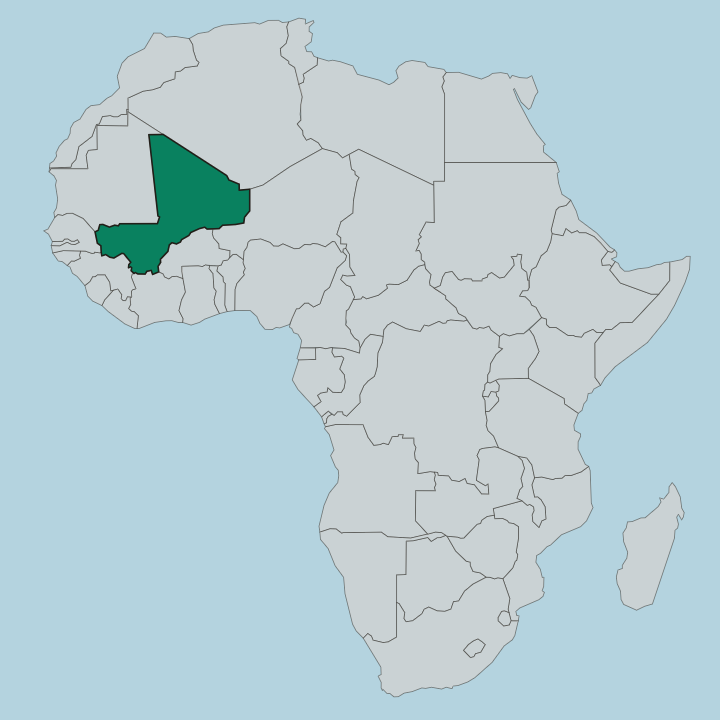
River and valley meet here. Gao occupies the left bank of the River Niger at the junction with the Tilemsi valley, a tropical position 320 km east-southeast of Timbuktu in the Gao Region of Mali. The Niger carries the drainage.
Everything about the site follows from the water: the bank the city sits on, the valley that opens off it, and the routes that use both. Gao Region spreads out around it.
What is the climate of Gao?
Warmth here never really lets up. Gao lies in the tropical band on the left bank of the River Niger, and the river supplies the one substantial water in a setting that otherwise gives little relief from the heat. The Tilemsi valley opens inland.
Air moving down that corridor and along the Niger accounts for most of what changes through the year, since Mali at this distance from any coast has no maritime influence to speak of. Timbuktu shares the pattern.
How do you get to Gao?
The river is the oldest road. Gao stands on the left bank of the River Niger, and traffic has always reached it along the water as much as overland across the 320 km that separate it from Timbuktu. The Tilemsi valley is the other approach.
That corridor opens off the river at Gao and carries movement inland, which makes the city the practical hinge between the water route and the country behind it. As the capital of the Gao Region, the city is the fixed point on any itinerary through this part of Mali.
Common questions
What is the best area to stay in Gao?
Around the Tomb of Askia: waking within sight of the monument that names the city. The left bank of the River Niger: river traffic and open water instead of the dense centre. Near the Tilemsi valley junction: travellers working the corridor inland from the river.
Updated September 2026