Mali · Ségou Region
Where to Stay in Ségou, Ségou Region
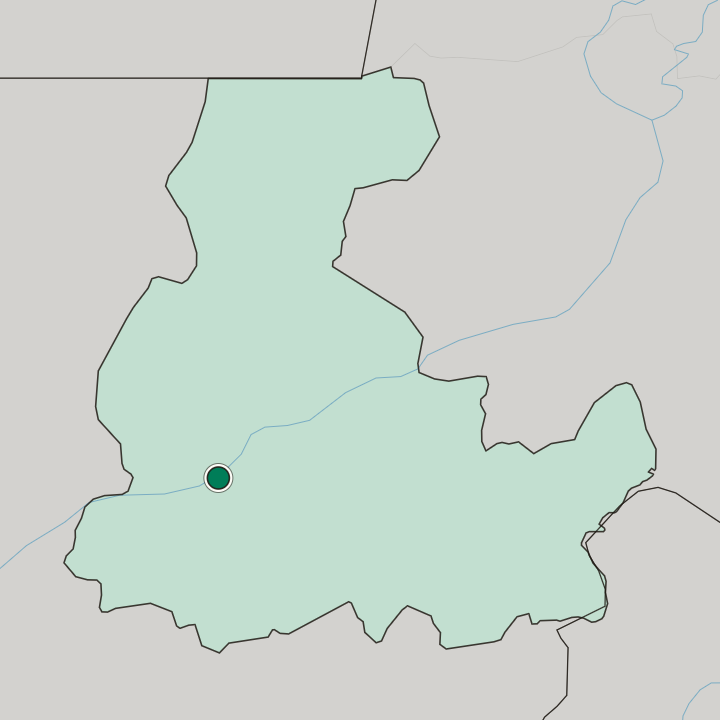
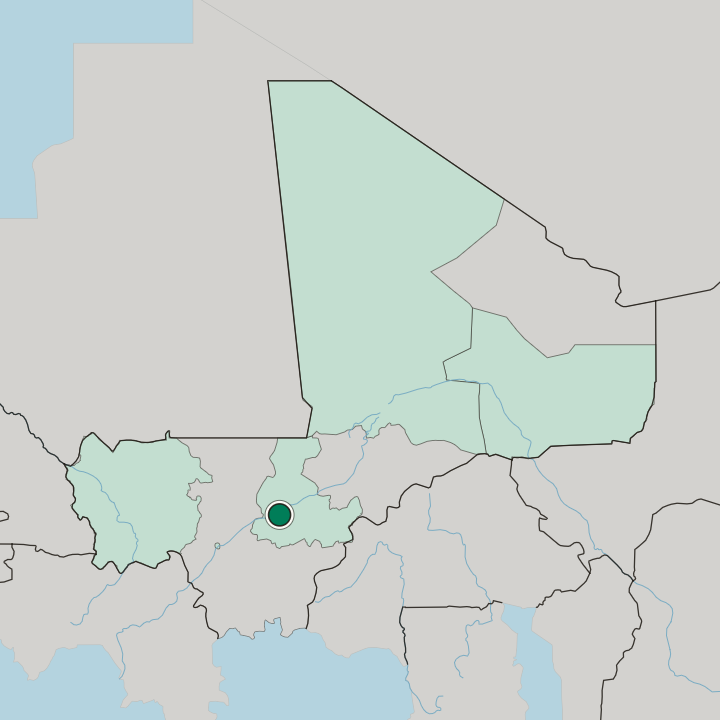
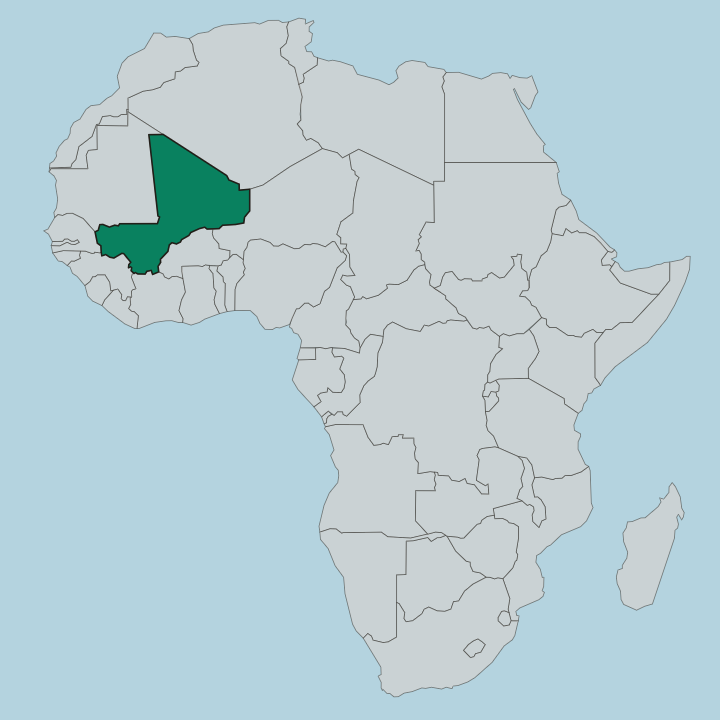
Ségou is a town on the right bank of the River Niger in Mali, capital of the Ségou Region and founded in 1620.
Hotel links are affiliate links: booking through them may earn us a commission, at no extra cost to you. It never affects how places are ranked. How this works


Where to stay in Ségou
Where the beds are, and what that means for the visit.
The river decides. Ségou's rooms cluster on the right bank of the River Niger, and the distance between a bed facing the water and one set back among the administrative offices of the Ségou Cercle is short enough to walk. Anyone arriving from Bamako comes in by road, which makes the south-western approach the first thing most visitors see of the town. Ségou Region business fills much of what trade there is.
Nothing here is built around visitors. Ségou has been a town since 1620, and the shape of a stay follows the River Niger and the administrative streets rather than any purpose-built quarter. The Cathedral of the Immaculate Conception of Ségou gives the centre a fixed point, and a room within reach of it puts both the riverbank and the offices of the Ségou Cercle on one short walk.
Ségou's list of hotels is short. As the fifth-largest town in Mali, Ségou carries a working hotel trade rather than a tourist one, and travellers who want range book in Bamako instead and treat the town as a stop. If you want water views and an easy walk to the cathedral, take the right bank; if your days run on Ségou Region business, the streets behind it are quieter and closer to the offices.
Find hotels in Ségou
Direct booking searches for these neighbourhoods.
The River Niger right bank
Ségou's own shore, where the town meets the River Niger and most of its rooms face the water.Find hotels in The River Niger right bankshort visits built around the Cathedral of the Immaculate Conception of Ségou and the centre's streetsAround the Cathedral of the Immaculate Conception
The block of town the cathedral fixes, a few minutes back from the River Niger and quieter than the shore. Beds are limited here, so book early.Find hotels in Around the Cathedral of the Immaculate Conceptiontravellers wanting Mali's widest room choice with Ségou as a day out to the north-eastBamako
Mali's capital, a long road south-west of Ségou, where the range of beds runs far beyond anything the Ségou Region holds.Find hotels in BamakoHotel links are affiliate links: booking through them may earn us a commission, at no extra cost to you. It never affects how places are ranked. How this works
About Ségou
What is Ségou known for?
The River Niger runs past the town's right bank, and Ségou holds the administrative seat of both the Ségou Cercle and the wider Ségou Region from that shore. Written Segou in plain English, it ranks fifth among the towns of Mali by size. The Cathedral of the Immaculate Conception of Ségou stands as the town's one named monument.
Bamako lies far to the south-west.
What are the main landmarks in Ségou?
One monument carries a name here. The Cathedral of the Immaculate Conception of Ségou is the town's single listed landmark, and it anchors the centre for anyone walking in from the right bank of the River Niger. Beyond it the interest is the river itself, which runs along the town's edge and gives Ségou its position within the Ségou Cercle.
Everything else is street and shore.
What is the history of Ségou?
Ségou dates to 1620. Four hundred years separate that founding from the administrative shape the town carries, and in between the settlement on the right bank of the River Niger grew into the fifth-largest in Mali. It is a town and an urban commune at once, and that double status is what gives the place a municipal identity separate from the cercle it heads.
A river site was a working site, and the bank the town chose has kept it in the same relation to the Niger ever since. Nothing about that has moved. Two administrative roles rest on the town.
Ségou is the capital of the Ségou Cercle and the seat of the wider Ségou Region, so the town answers for a stretch of country far larger than its own street plan. The Cathedral of the Immaculate Conception of Ségou is the one building the town's record singles out by name. The cathedral's name marks a Catholic presence within the Ségou Region.
Bamako sits well to the south-west, and the distance between the capital and Ségou is enough that the smaller town has always run on its own account. The Niger still runs past.
Where is Ségou?
The River Niger sets the town's edge, and Ségou occupies the right bank where the water runs past on its way through this part of Mali. The ground is tropical. Bamako lies to the south-west across a long stretch of road, and the Ségou Cercle spreads from the town into the surrounding country of the Ségou Region.
The commune's ground is compact.
What is the climate of Ségou?
The River Niger runs past Ségou through a tropical stretch of the northern hemisphere, and the town takes its weather from that band rather than from any coast or highland. Warmth holds for long stretches. Travellers walking the right bank or the streets around the Cathedral of the Immaculate Conception of Ségou plan the day around shade, and the hours either side of midday carry most of the walking.
The Ségou Region is no cooler.
How do you get to Ségou?
Bamako is the way in. Mali's capital lies a long road journey to the south-west, and almost everyone arriving in Ségou has made that overland run first. Once here, the town is small enough to cross on foot, and the right bank of the River Niger, the centre, and the Cathedral of the Immaculate Conception of Ségou all sit within an easy walk of one another.
Onward roads serve the Ségou Region.
Common questions
What is the best area to stay in Ségou?
The River Niger right bank: stays that want the water at the door and the Ségou Cercle offices behind them. Around the Cathedral of the Immaculate Conception: short visits built around the Cathedral of the Immaculate Conception of Ségou and the centre's streets. Bamako: travellers wanting Mali's widest room choice with Ségou as a day out to the north-east.
Updated September 2026