Mali
Ségou Region, Mali — Towns & Travel Guide
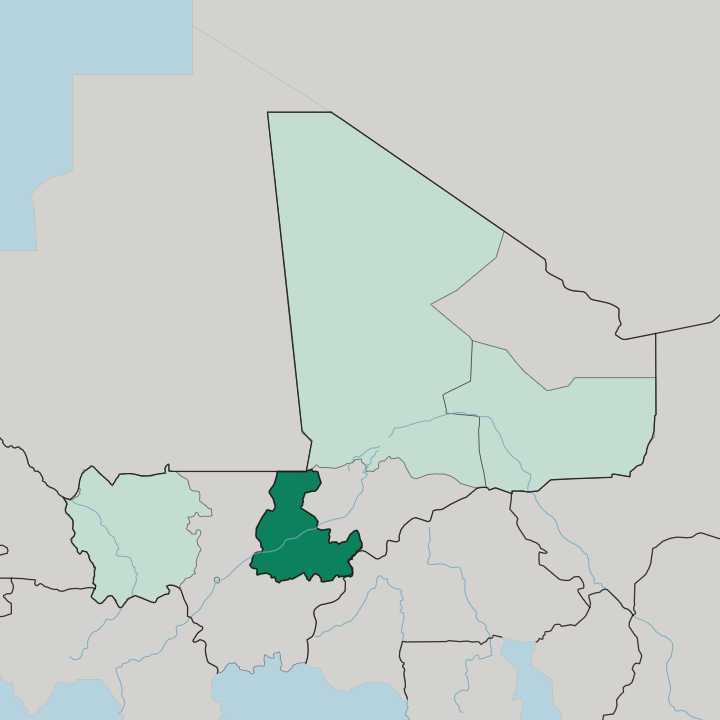
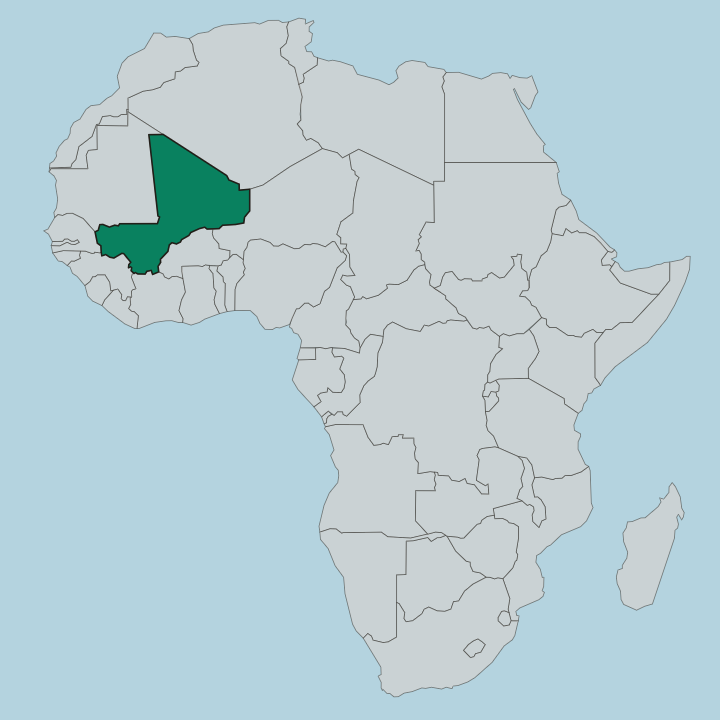
Ségou Region sits in the centre of Mali, ringed by Koulikoro, Sikasso, Mopti, Tombouctou and Burkina Faso, with the town of Ségou as its capital.
Hotel links are affiliate links: booking through them may earn us a commission, at no extra cost to you. It never affects how places are ranked. How this works


Towns & cities in Ségou Region
One town here has its own guide — it links to where to stay.
 Mali
Mali
Ségou
Ségou is a town on the right bank of the River Niger in Mali, capital of the Ségou Region and founded in 1620.Where to stay →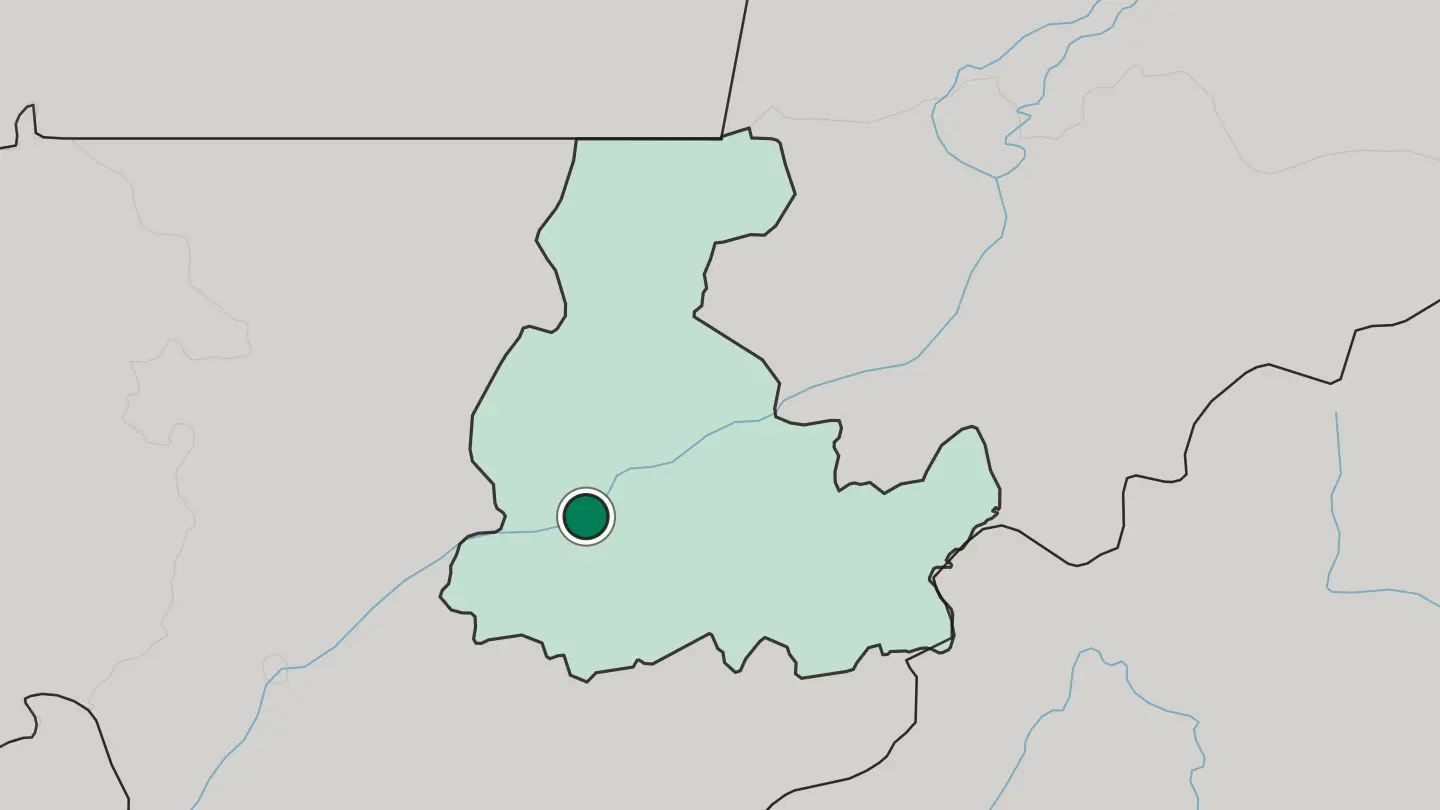
Hotel links are affiliate links: booking through them may earn us a commission, at no extra cost to you. It never affects how places are ranked. How this works
About Ségou Region
Five neighbours press on its edges.
What is Ségou Region known for?
Sikasso Region lies to the south, Tombouctou and Mopti to the east, Burkina Faso to the southeast and Koulikoro Region to the west, which gives Ségou Region a boundary on almost every side. Mauritania closes the last side. The Hodh Ech Chargui region borders it to the north, giving Ségou Region an international edge as well as its Malian ones.
Where is Ségou Region?
Boundaries define this region. Ségou Region sits in the centre of Mali, and the list of what touches it runs long: Sikasso Region to the south, Tombouctou and Mopti to the east, Burkina Faso to the southeast, Koulikoro Region to the west. Mauritania completes the ring.
The Hodh Ech Chargui region of Mauritania lies to the north, so Ségou Region touches two international frontiers as well as four of Mali's own divisions. Central position has consequences. A region in the middle of the country is crossed rather than skirted, and the traffic between Mali's outer regions has to deal with Ségou Region one way or another.
Mopti and Tombouctou lie beyond the eastern line. The area is moderate by Malian standards. Ségou Region accounts for a modest share of the country, which sets it apart from the largest divisions of Mali and gives it a more compact shape to travel.
Ségou town sits at the middle of it. The administrative capital carries the region's name, and every description of Ségou Region eventually returns to the town, because the largest settlement inside a region is where its affairs are conducted.
What is Ségou Region like?
A region in the middle mixes. Ségou Region shares boundaries with four Malian divisions and two neighbouring countries, and a place with that many edges takes something from each of them rather than developing in isolation. Ségou is the name that carries.
The town lends its word to the whole region, so any reference to Ségou in Mali may point at a single settlement or at the territory reaching from Koulikoro Region to Mopti. Two frontiers touch it. Burkina Faso meets Ségou Region at its southeastern corner and Mauritania's Hodh Ech Chargui region at the north, which means two international boundaries run through the region's affairs rather than one.
Sikasso lies across the southern line. Tombouctou and Mopti sit beyond the east, so Ségou Region looks toward those two divisions on one side and toward Sikasso Region on the other. The capital concentrates it.
Ségou town is the largest settlement in the region and its administrative seat, which makes it the place where the region's business, its records and most of its visitors converge before dispersing again toward Koulikoro, Sikasso, Mopti or the frontier.
What is the history of Ségou Region?
The town gave the region its label. Ségou Region was drawn around a settlement that already carried the name, and the administrative capital has held that role since the region took its modern shape. Borders arrived with the state.
Lines toward Koulikoro Region, Sikasso Region, Mopti, Tombouctou, Burkina Faso and Mauritania were fixed by administration rather than by anything visible on the ground.
What is the climate of Ségou Region?
Central ground, not an extreme. Ségou Region lies in the middle of Mali rather than at any of its edges, which means the conditions here are those of the interior, without a coast or a border range to modify them. Neighbours share the same weather.
What holds across Ségou Region tends to hold in Koulikoro Region and Sikasso Region too, since the boundary between administrative units is not a boundary the atmosphere recognises.
How do you get to Ségou Region?
Ségou town is the way in. Movement across the centre of Mali converges on the regional capital, and a region bounded by Koulikoro, Sikasso, Mopti, Tombouctou, Burkina Faso and Mauritania is crossed by anyone travelling between those places. Two frontiers offer entry.
Arrivals from Burkina Faso come in at the southeast, while the Mauritanian side reaches Ségou Region through Hodh Ech Chargui.
Common questions
What is the best area to stay in Ségou Region?
Ségou town: a single base for the whole of Ségou Region. Toward the Mopti boundary: stops made between Ségou and the Mopti side. The Burkina Faso corner: crossings between Ségou Region and Burkina Faso.
More regions in Mali
Updated September 2026