Mali · Tombouctou Region
Where to Stay in Timbuktu, Tombouctou Region
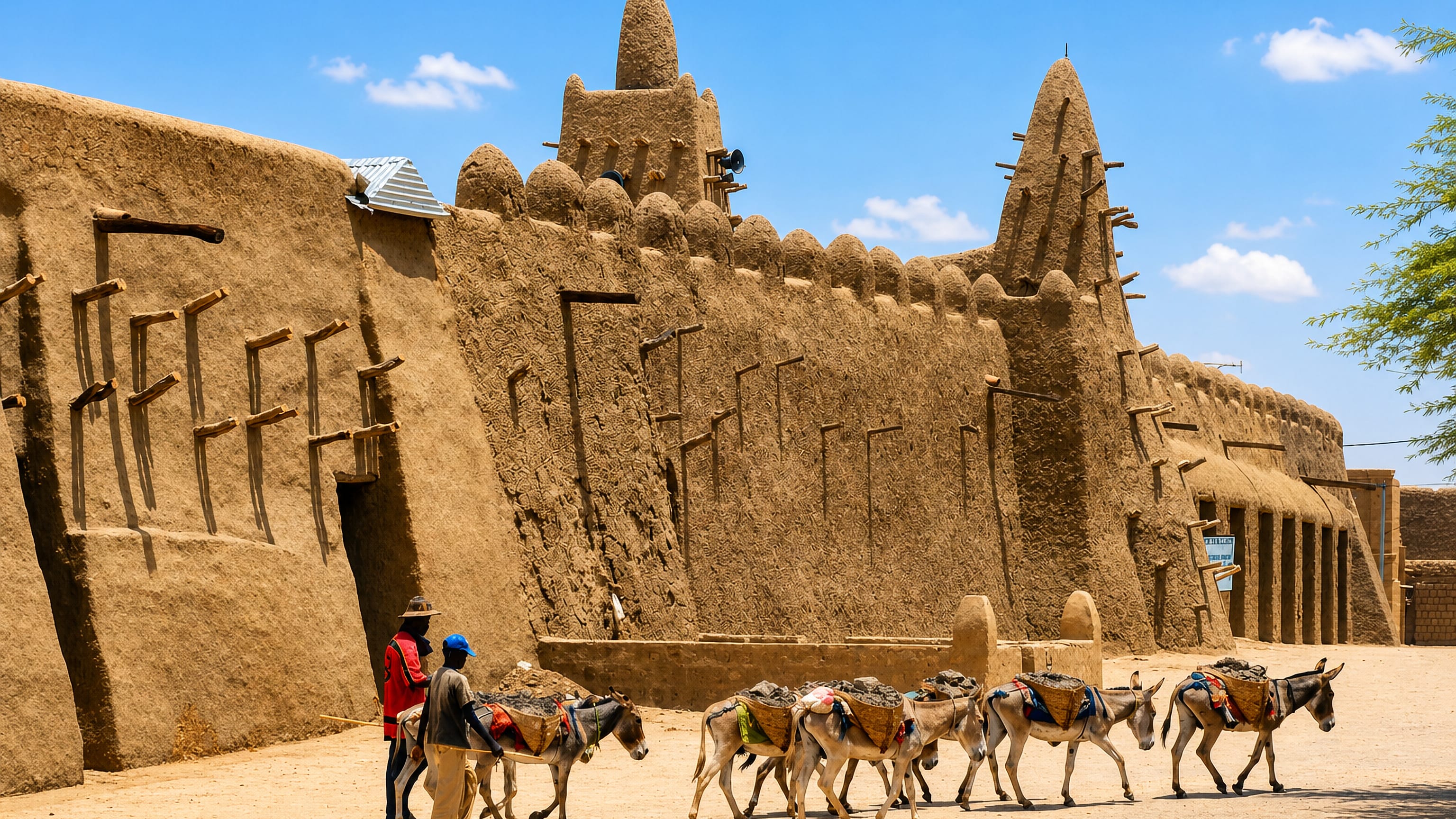
Earthen mosques rise over the streets of Timbuktu, an ancient town north of the Niger River in Mali, known for its madrasah and trans-Saharan trade.
Hotel links are affiliate links: booking through them may earn us a commission, at no extra cost to you. It never affects how places are ranked. How this works


Where to stay in Timbuktu
How the choice of base plays out on the ground.
Timbuktu concentrates its lodging in and around the old town, the historic quarter that holds the great earthen mosques. Its rooms gather in the old town. Most visitors base themselves within walking distance of the Djinguereber Mosque and the Sankore Madrasah, where the mud-brick lanes of the medieval town run between the monuments that carry the reputation of Timbuktu, and where the desert edge and the routes toward the Niger River are all within easy reach of the centre.
Staying close to the heart of the town puts the Sidi Yahya Mosque and the town's cluster of mausoleums a short walk away. If you want the fabric of the place, this is where to be. The quarter around the mosques and the Sankore Madrasah suits travellers drawn by the heritage of the town and the memory of its trans-Saharan trade, and everything of note lies within the compact old core.
Out toward the sands, the fringes of Timbuktu and the road to the Niger River are quieter and more spread out, better for distance than for convenience. The regional capital of Tombouctou Region offers little formal accommodation beyond this historic centre, so nearly every stay in the town keeps you among its earthen landmarks.
Find hotels in Timbuktu
Direct booking searches for these neighbourhoods.
Old town
The historic quarter of Timbuktu holds the Djinguereber Mosque and the Sankore Madrasah, putting the town's earthen monuments and its trans-Saharan heritage within walking distance of nearly every bed. Beds are limited here, so book early.Find hotels in Old townquiet and the road toward the Niger RiverDesert-edge fringe
The outer streets of Timbuktu run toward the sands and the Niger River, quieter and more spread out than the mosque quarter, for travellers who want distance from the old-town core. Lodging is scarce in this area; reserve in advance.Find hotels in Desert-edge fringeHotel links are affiliate links: booking through them may earn us a commission, at no extra cost to you. It never affects how places are ranked. How this works
Things to do in Timbuktu
Ranked by global recognition; descriptions from Wikidata (CC0).
Churches & Religious Sites
3- Djinguereber Mosque Heritage
- Sankore Madrasah Heritage
- Sidi Yahya Mosque Heritage
Landmarks & Notable Places
2- Gordon Laing House
- Rene Caille House
worth knowingacross 2 categories in Timbuktu
About Timbuktu
What is Timbuktu known for?
Timbuktu is known as a fabled desert town of Mali, long a hub of trans-Saharan trade and Islamic scholarship on the southern edge of the Sahara. Its name carries weight. As a UNESCO World Heritage Site, the town is celebrated for the Djinguereber Mosque, the Sankore Madrasah, and the Sidi Yahya Mosque, the earthen monuments that fixed its reputation as a centre of learning at the meeting of the Niger River and the desert.
What are the main landmarks in Timbuktu?
Timbuktu is defined by its earthen monuments. The Djinguereber Mosque, the Sankore Madrasah, and the Sidi Yahya Mosque form the celebrated trio of mud-brick landmarks at the town's heart, and around them stand the mausoleums of the town's saints, among them the Sheikh Sidi Al Bekkai Mausoleum. The Rene Caille House and the Gordon Laing House mark the lodgings of early foreign travellers to the town.
What is the history of Timbuktu?
Timbuktu grew as a trading outpost at the southern edge of the Sahara, the point where caravans crossing the desert met the trade of the lands along the Niger River. Its position made it rich. For centuries the town linked the country below the Sahara with Berber and Islamic traders from north Africa, and through them with merchants far beyond, so that gold, salt, and books all passed through its markets and gave Timbuktu a fabled standing across the wider world.
With the trade came learning. The Sankore Madrasah and the Djinguereber Mosque anchored a tradition of Islamic scholarship that drew students and manuscripts to the town, and the Sidi Yahya Mosque joined them as the earthen monuments of that age. That reputation endured.
Even as the caravan economy waned and the town's relative isolation grew, the name of Timbuktu had already passed into wider speech as a byword for the most distant of places, and the mud-brick heritage that survives keeps its long history as a centre of trans-Saharan trade and faith legible in the streets of Mali's northern interior.
Where is Timbuktu?
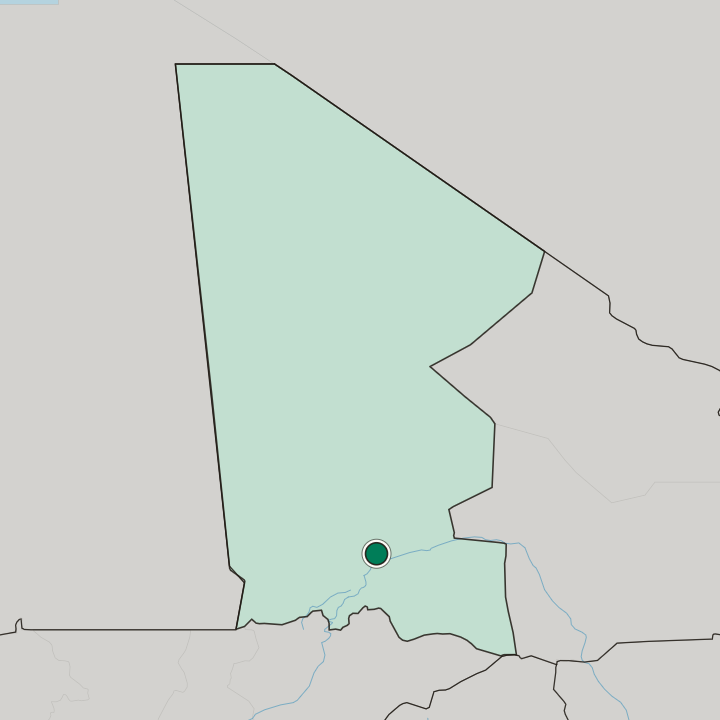
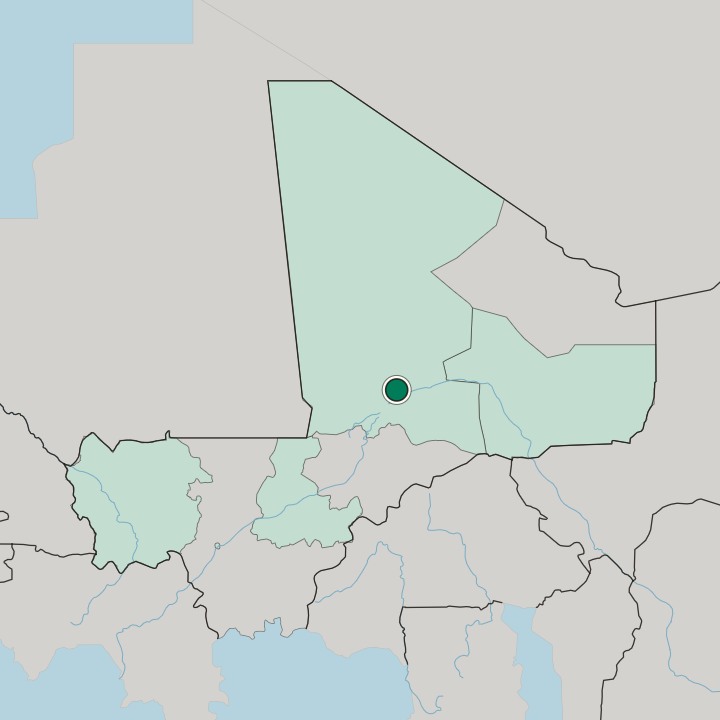
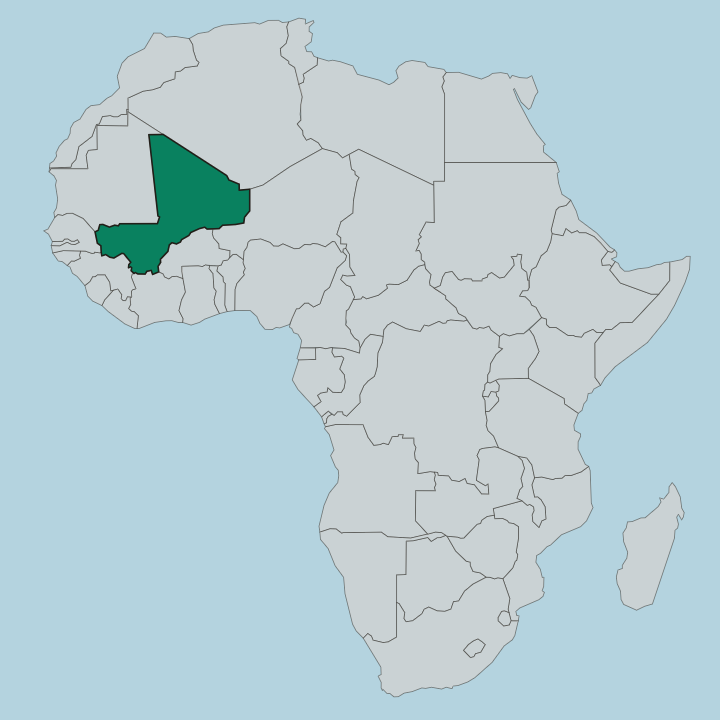
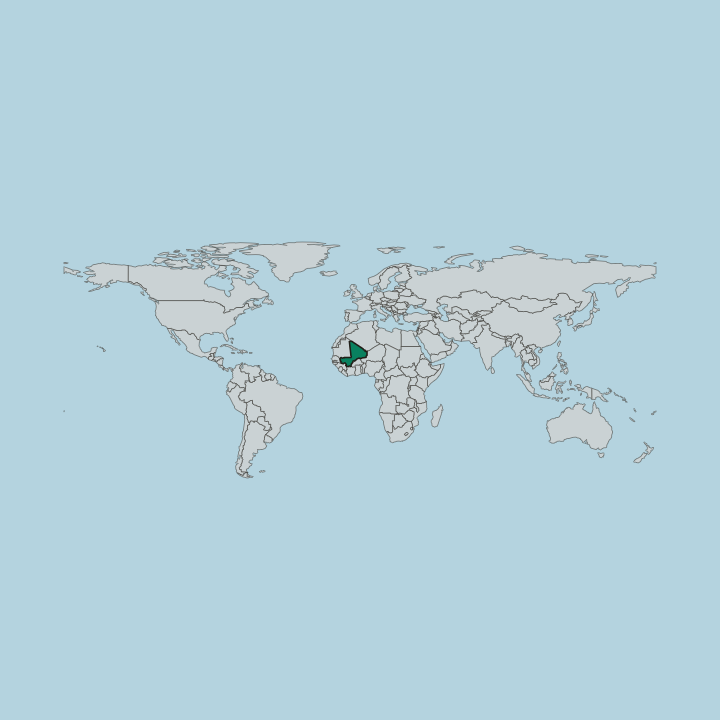
Timbuktu sits in the interior of Mali, a short way north of the Niger River on the southern rim of the Sahara. The town stands where the great river's flood country gives way to open desert, so its setting joins the water and greenery of the Niger to the sands that stretch away beyond it. That edge position shaped it.
As the regional capital of Tombouctou Region, Timbuktu anchors the settled life of a wide, dry interior far from the coast of West Africa.
What is the climate of Timbuktu?
Timbuktu has a hot desert climate on the southern edge of the Sahara. Rain is rare. Most of the year runs dry and searingly hot under clear skies, with a brief, uncertain wet season arriving before the heat returns, and dust from the desert often hazes the air over the town.
Cooler nights follow the scorching days, and the Niger River to the south offers the only real relief from the aridity that grips this corner of Mali.
How do you get to Timbuktu?
Timbuktu lies deep in the interior of Mali and has long been hard to reach. The town sits away from the coast, a little north of the Niger River, and travel to it has traditionally meant a journey by river up the Niger or a long overland crossing toward the southern edge of the Sahara. Its remoteness is part of its legend.
Reaching the regional capital of Tombouctou Region remains slow, whichever route across the interior a traveller takes.
Common questions
What is the best area to stay in Timbuktu?
Old town: the earthen mosques and medieval lanes. Desert-edge fringe: quiet and the road toward the Niger River.
Good for
Updated October 2026