Mali
Tombouctou Region, Mali — Towns & Travel Guide
Tombouctou Region is one of the administrative regions of Mali, a vast interior territory of five cercles anchored by the city of Timbuktu.
Hotel links are affiliate links: booking through them may earn us a commission, at no extra cost to you. It never affects how places are ranked. How this works


Towns & cities in Tombouctou Region
One town here has its own guide — it links to where to stay.
 Mali
Mali
Timbuktu
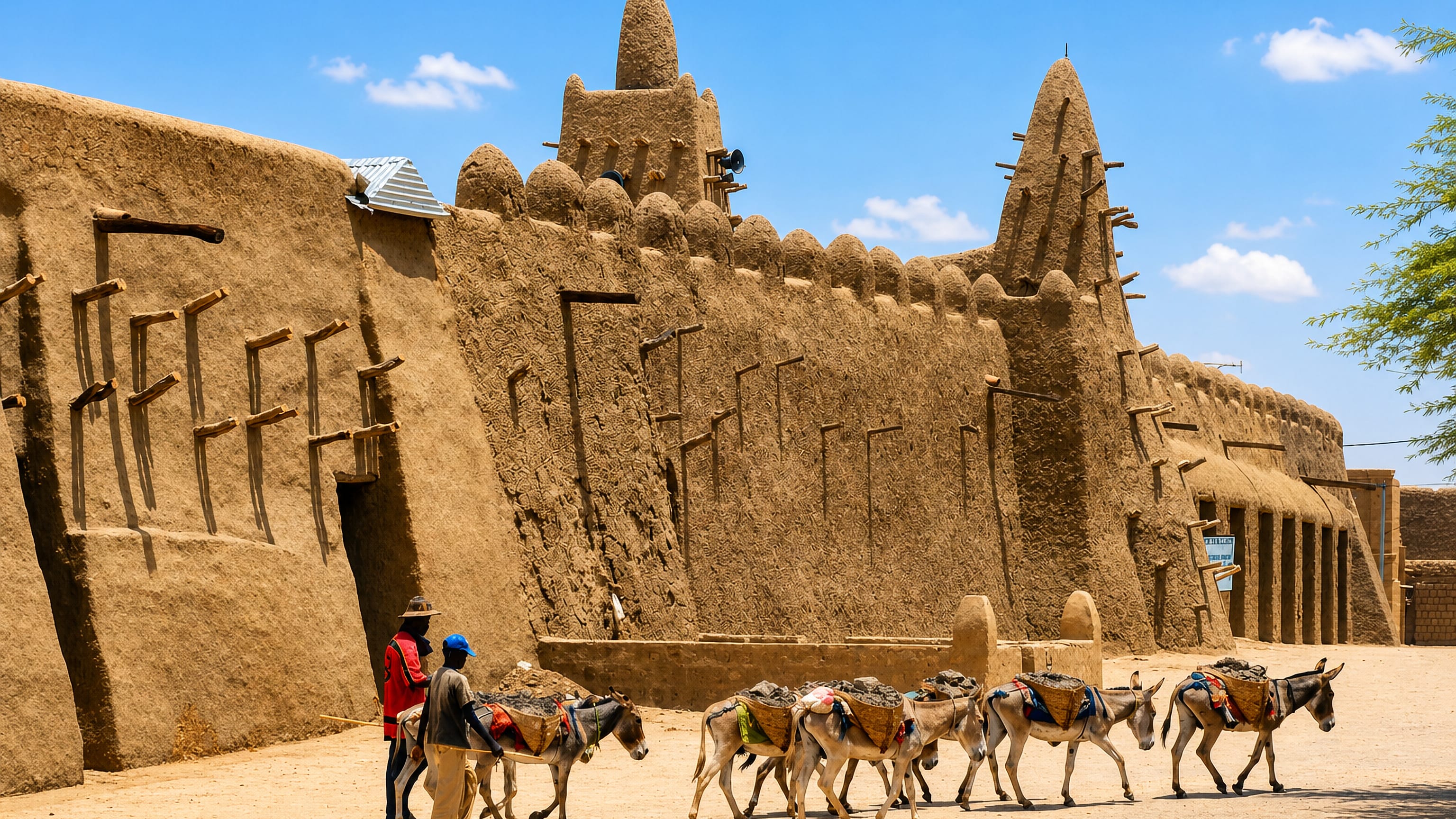
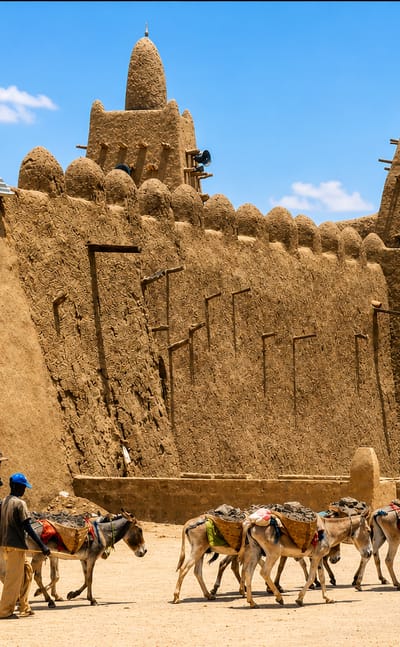
Earthen mosques rise over the streets of Timbuktu, an ancient town north of the Niger River in Mali, known for its madrasah and trans-Saharan trade.Where to stay →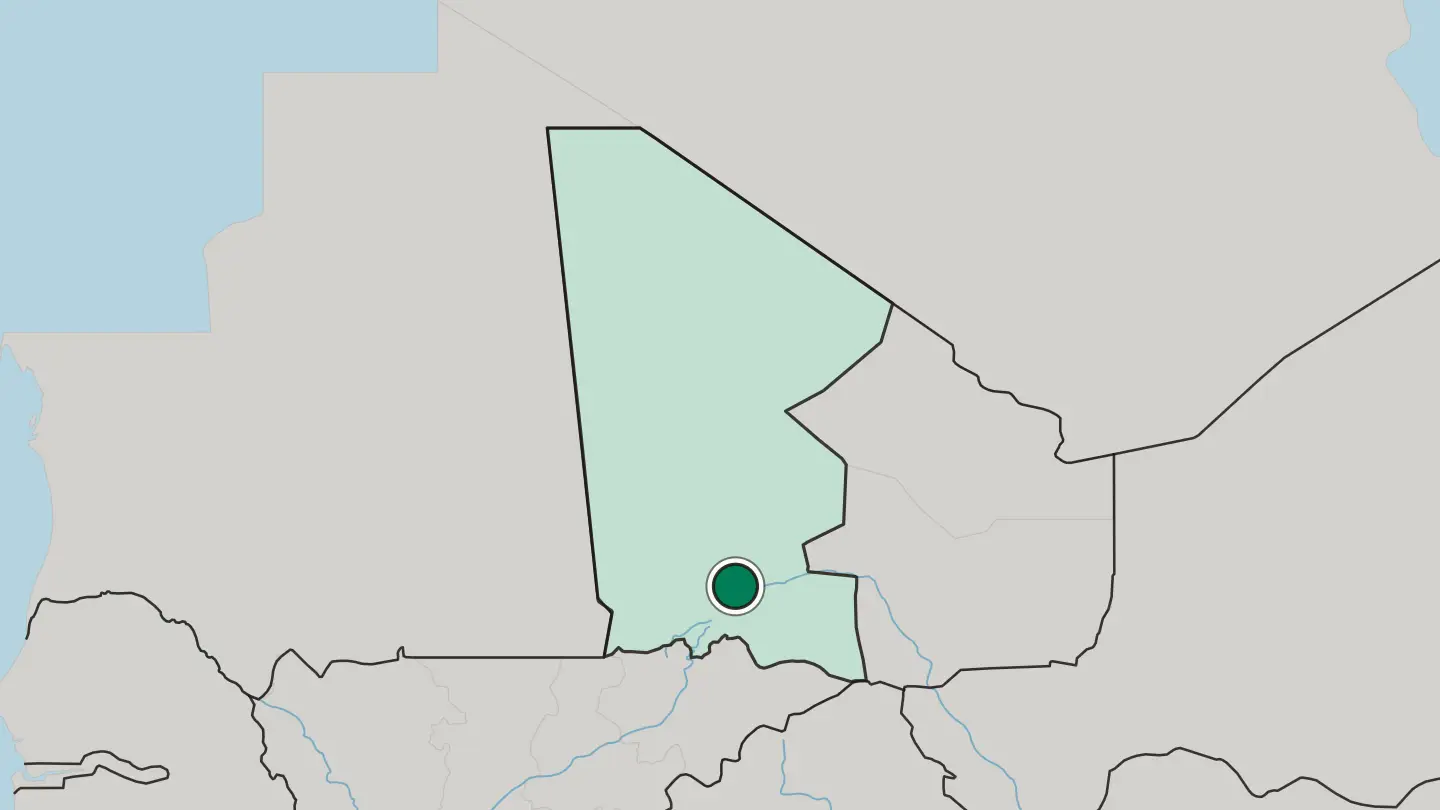
Hotel links are affiliate links: booking through them may earn us a commission, at no extra cost to you. It never affects how places are ranked. How this works
About Tombouctou Region
What is Tombouctou Region known for?
Tombouctou Region is known above all for its regional capital, Timbuktu, the historic desert town whose name reaches far beyond Mali. The region is large. It is one of the administrative regions of the country, divided for local government into five cercles, and its identity is bound up with the caravan history and Islamic scholarship that made Timbuktu a byword for the remote interior of West Africa.
Where is Tombouctou Region?
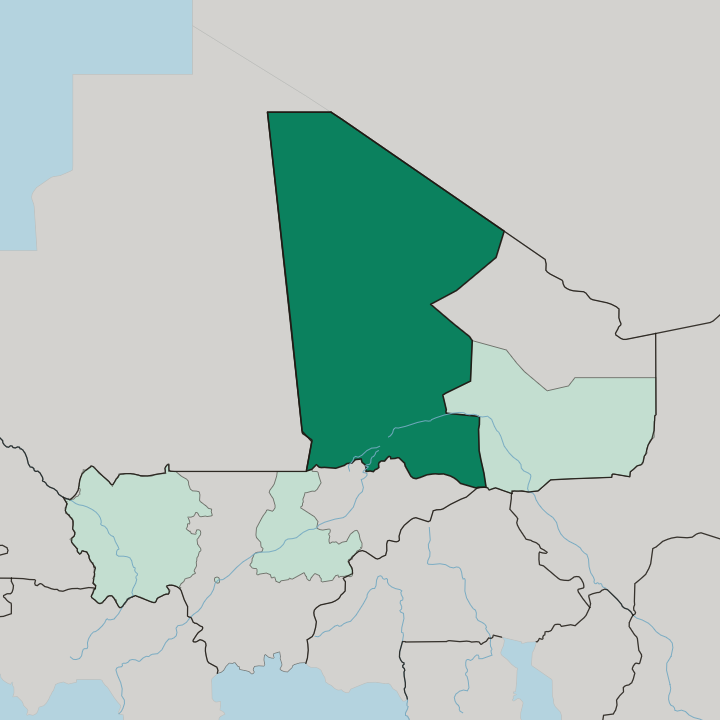
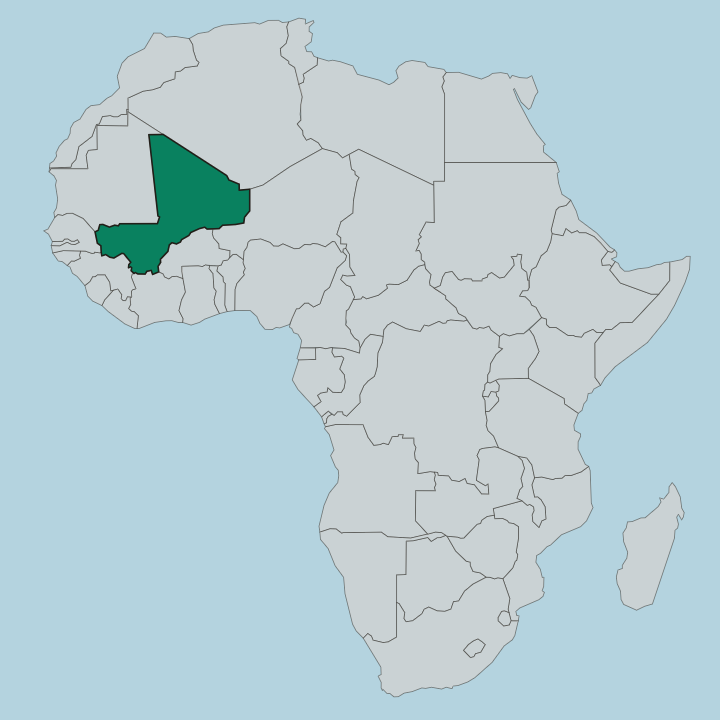
Tombouctou Region spreads across the northern interior of Mali as one of the country's administrative regions. It is enormous. The territory runs deep into the arid belt of West Africa, far from the coast, and its settled life clusters where water and old caravan routes allowed towns to hold and endure.
For local government the region is divided into five cercles, the second-tier administrative units that partition its area, and the regional capital of Timbuktu sits toward the more watered southern edge of that expanse rather than in the dry heart of the region. Distance shapes everything here. The cercles cover long stretches of sparsely settled ground between the widely spaced towns, so the map of Tombouctou Region reads as a few anchored centres set within a great open interior that stretches away in every direction.
Between those centres the land opens out into flat, dry country where the network of caravan tracks once carried the region's traffic. Timbuktu remains the fixed reference point, the place from which the rest of Mali measures this remote quarter, and the region takes both its name and its character from that single desert town on the edge of the interior.
What is Tombouctou Region like?
Tombouctou Region carries a cultural identity inseparable from Timbuktu, its regional capital and the town that gave the region its name. That name travelled. Across Mali and well beyond it, Timbuktu became shorthand for the far, hard-to-reach interior, an association built on centuries of caravan trade and Islamic learning that drew scholars and traders deep into this quarter of West Africa.
The region's people have long lived at the meeting of Saharan and Sahelian ways of life, and that layered heritage still frames how the five cercles of Tombouctou Region see themselves and their place within the country. Life here follows the old rhythms of a desert-edge society shaped by trade and faith. The memory of the caravan roads runs through the towns of the region, and Timbuktu holds the manuscripts and mosques that anchor that long story.
The wider region shares in it. From the regional capital outward through the surrounding cercles, the culture of Tombouctou Region reads as one continuous thread tying the settled towns of Mali's interior to the trans-Saharan trade that first brought them into being and carried their reputation outward.
What is the history of Tombouctou Region?
Tombouctou Region takes its history from Timbuktu, the desert town at its heart. The region was organised as one of the administrative regions of Mali and subdivided for government into five cercles. Its longer past reaches back through the era when Timbuktu stood as a celebrated centre of trans-Saharan trade and Islamic scholarship, a fame that fixed the surrounding region in the wider imagination of Mali and West Africa long before its modern administrative shape was drawn.
What is the climate of Tombouctou Region?
Tombouctou Region has a hot, dry climate typical of the deep interior of West Africa. Rain is sparse. A short wet season brings the region's limited rainfall before the long dry heat returns, and for most of the year the days run scorching while the desert nights turn cool across the open country.
The five cercles of the region share this arid character, and Timbuktu, near the more watered southern edge, sees the same pattern that defines the northern reaches of Mali.
How do you get to Tombouctou Region?
Reaching Tombouctou Region means reaching Timbuktu, its regional capital and gateway. The town lies deep in the interior of Mali, and access to it has always been the access to the region as a whole, whether across the surrounding cercles by road or along the routes that link Timbuktu to the rest of the country. Travel is slow and distances long.
The five cercles beyond the capital are reached onward from Timbuktu rather than directly from outside the region.
Common questions
What is the best area to stay in Tombouctou Region?
Timbuktu: the old town and its desert-edge mosques.
Good for
More regions in Mali
Updated September 2026