Myanmar
Shan State, Myanmar — Towns & Travel Guide
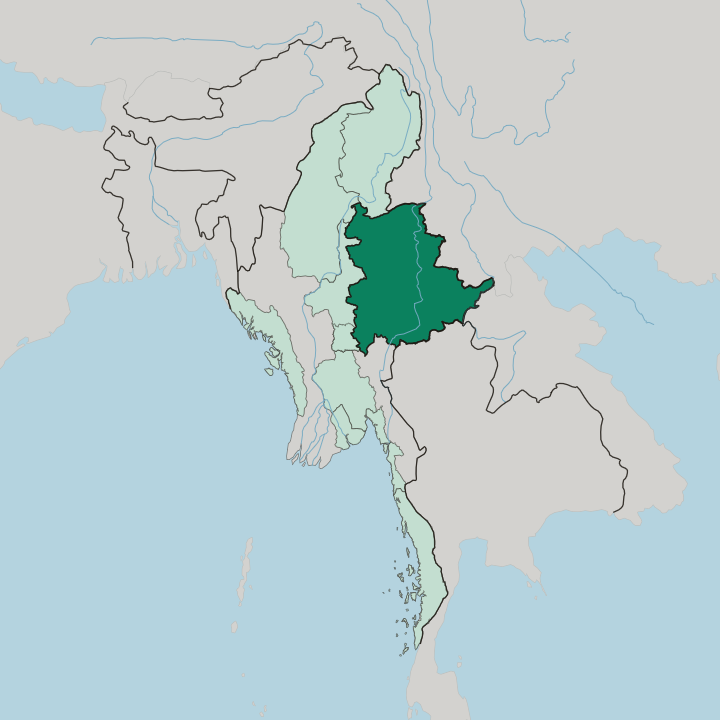
Shan State is Myanmar's largest division by area, running from the Yunnan border to Laos and Thailand, with Taunggyi as its capital.
Hotel links are affiliate links: booking through them may earn us a commission, at no extra cost to you. It never affects how places are ranked. How this works


Towns & cities in Shan State
Pick a town or city — each links to where to stay.

 Myanmar
Taunggyi
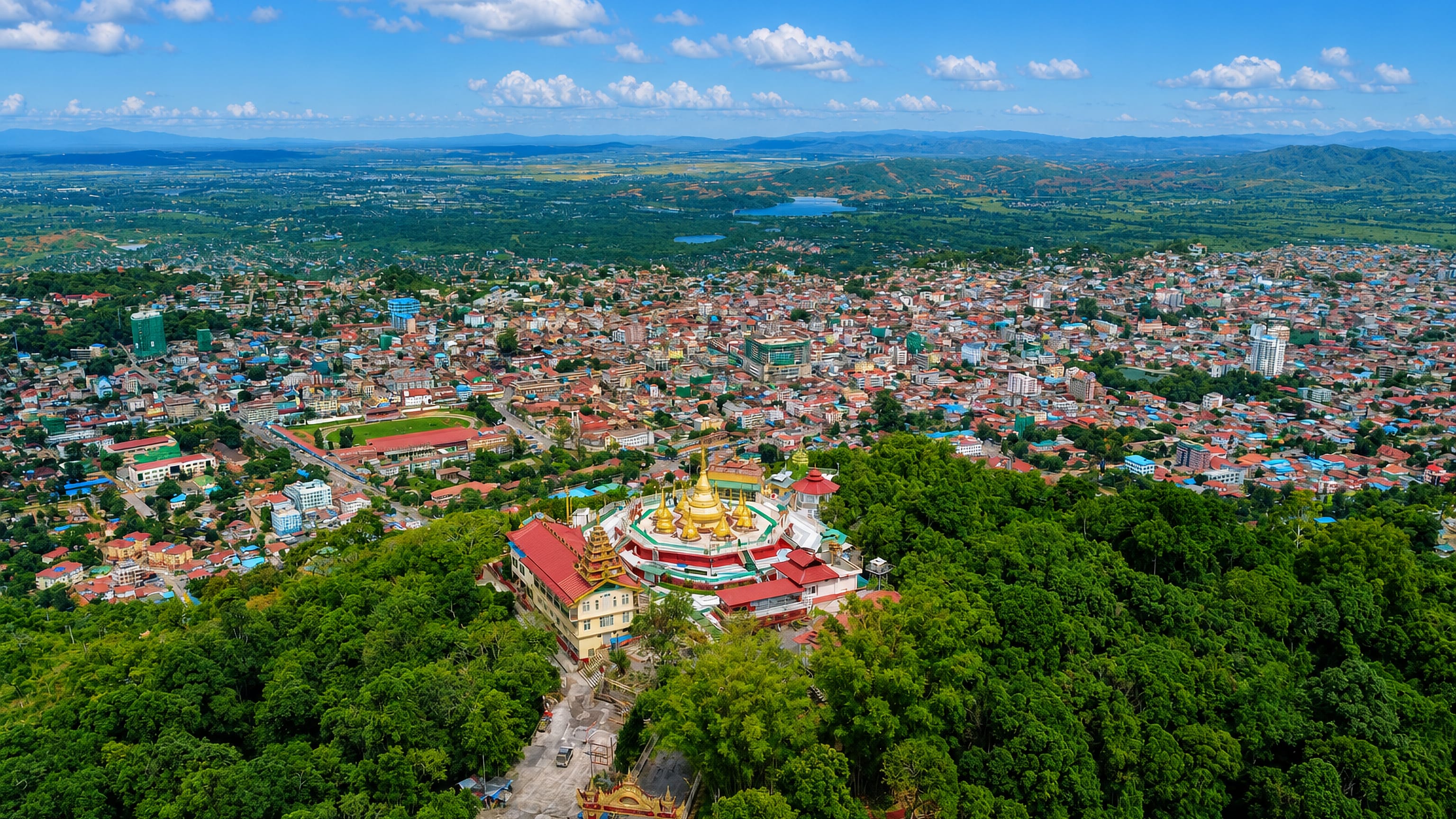
Taunggyi is the capital of Shan State, a city of eastern Myanmar built along mountain ridges and known for cool, pleasant air.Where to stay →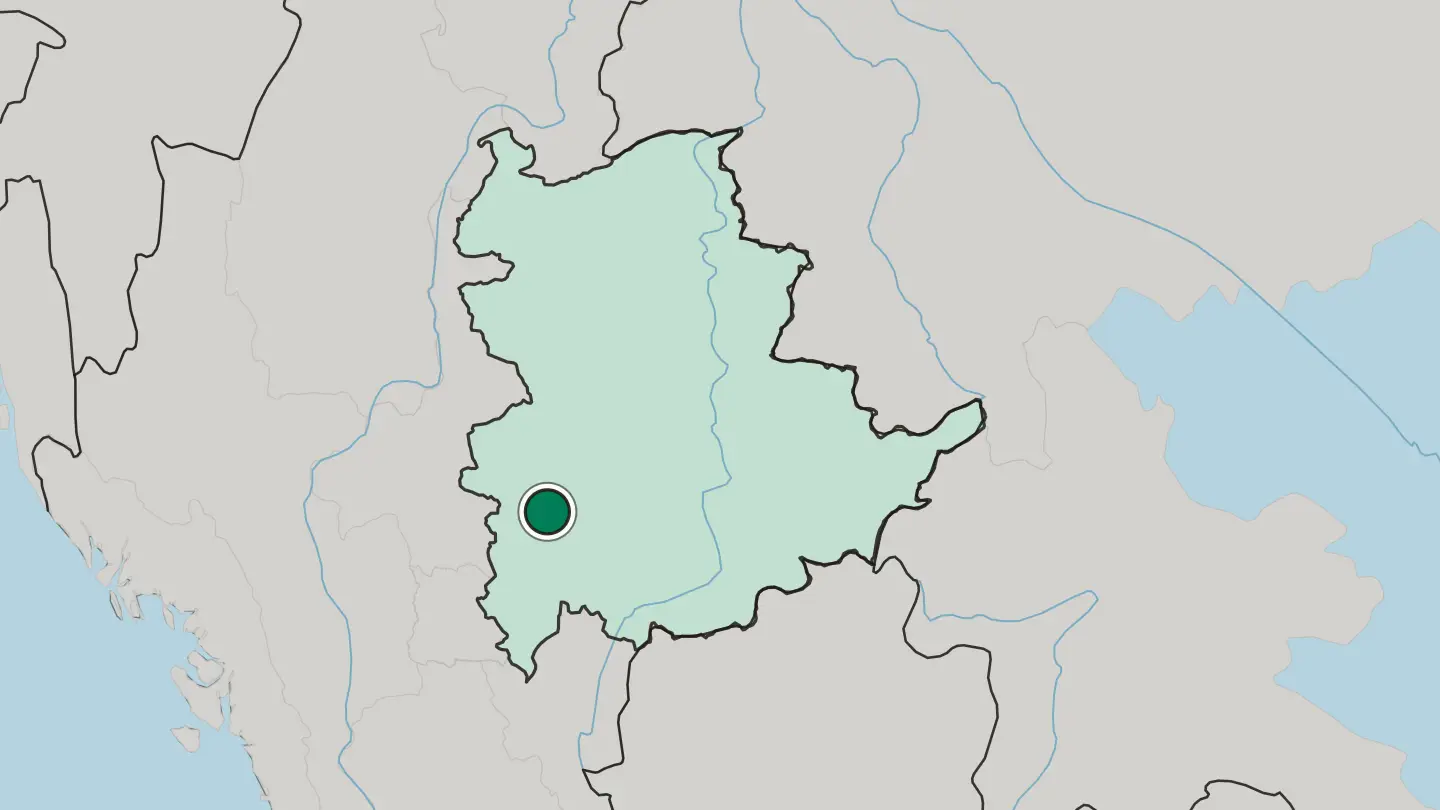
 Myanmar
Lashio
Lashio is the largest city of northern Shan State, standing on a low mountain spur above the Yaw River valley, about 200 kilometres from Mandalay.Where to stay →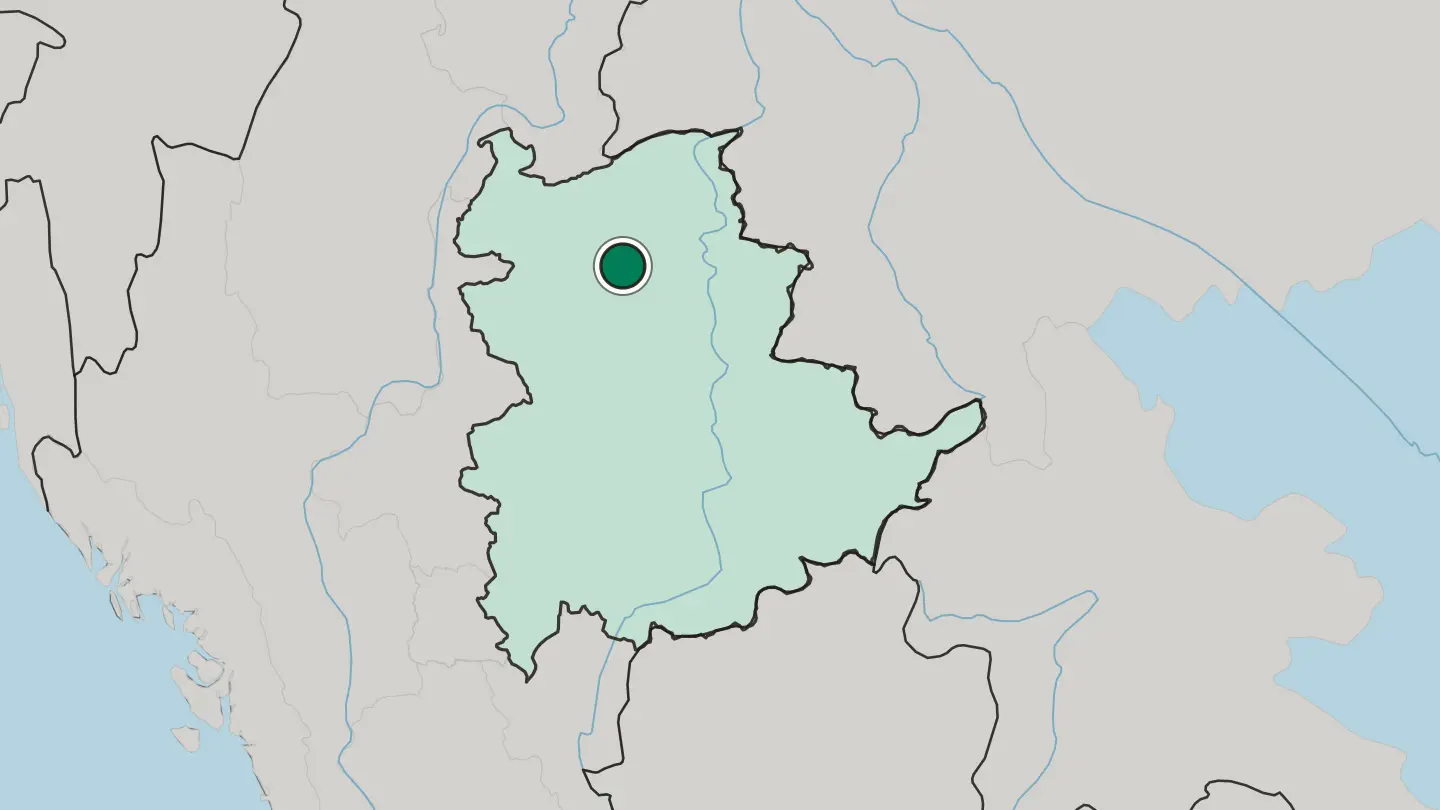
 Myanmar
Tachilek
Tachilek is a border town of Shan State in eastern Myanmar, facing Mae Sai across the line into Thailand.Where to stay →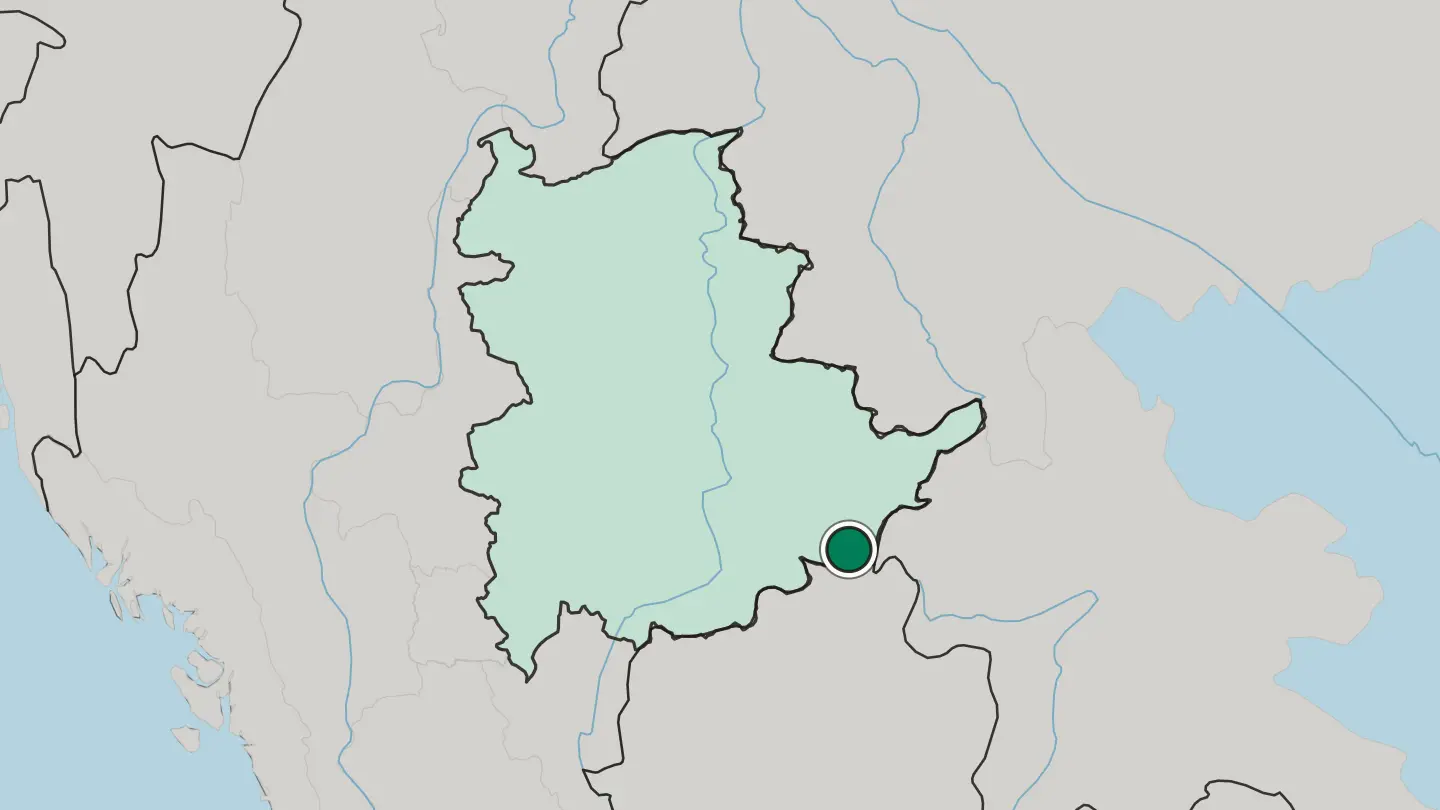
Hotel links are affiliate links: booking through them may earn us a commission, at no extra cost to you. It never affects how places are ranked. How this works
About Shan State
Almost a quarter of Myanmar lies inside it.
What is Shan State known for?
Shan State is the largest of the country's fourteen administrative divisions by land area, and its name comes from the Burmese word for the Tai peoples who make up the majority among the several groups living here. Three cities carry the weight. Taunggyi is the capital, with Lashio and Kengtung the other two of any size in a state that is otherwise rural throughout.
Where is Shan State?
Shan State covers almost a quarter of Myanmar, the largest of its fourteen administrative divisions by land area, and it borders three countries along the way. China lies north. Yunnan runs along that frontier, Laos takes the eastern side and Thailand the southern one, which leaves five of Myanmar's own divisions pressing on the western edge.
The state faces outward on three sides. That western edge is the only one that is internal. Five administrative divisions of Myanmar meet Shan State there, which means every land approach from the rest of the country arrives from the same flank.
Inside that boundary the land is largely rural. Only three cities reach any size, and Taunggyi, Lashio and Kengtung are spread across a state so large that none of them functions as a centre for the whole of it. Taunggyi carries the administration.
The capital stands about 150 kilometres north-east of Naypyitaw, close enough to the country's middle that the western approach is the short one, while the ground toward Laos and Thailand is a long haul from there. Kayah State shares the same eastern grouping of Myanmar with it.
What is Shan State like?
The state is named for its people. Shan is the Burmese name for the Tai peoples, and the Tai are the majority among the several groups who live across this ground, which is how a state came to carry an ethnonym rather than a river or a city name. That naming is unusual in Myanmar.
Most divisions take their name from a town or a landform, while Shan State takes it from the people the Burmese language calls Shan. The word carries both meanings at once. Life here is rural more than urban.
With only three cities of any size in a territory that runs to almost a quarter of the country, most of Shan State lives at a distance from Taunggyi, Lashio and Kengtung alike. Several ethnic groups share the state alongside the Tai majority. The borders matter to that.
Yunnan to the north, Laos to the east and Thailand to the south each meet the state directly, and a place with three international frontiers has always had more than one direction to look in. Kayah State is grouped with it as the eastern part of Myanmar.
What is the history of Shan State?
The name came from language before it came from administration. Burmese speakers called the Tai peoples Shan, and the state that holds most of them took that word as its own when Myanmar's divisions were drawn. Taunggyi became the capital.
Lashio and Kengtung grew into the only other towns of consequence, which left a state the size of a quarter of the country with three urban points and a great deal of open ground between them.
What is the climate of Shan State?
Shan State sits in the tropical band, but it is big enough that the frontier with Yunnan and the frontier with Thailand do not feel the same year. Distance alone accounts for that. The state runs from the Chinese border down to the Thai one, and that span is longer than most of Myanmar's divisions manage in any direction.
Taunggyi, Lashio and Kengtung stand at different points along it.
How do you get to Shan State?
Five of Myanmar's own divisions line the western edge, so every domestic land approach to Shan State comes in from that side. Naypyitaw is the reference point. Taunggyi lies about 150 kilometres north-east of the national capital, which makes the capital-to-capital run the shortest way in from the rest of the country.
The other three borders are international. Yunnan in China, Laos and Thailand each touch the state directly, and any crossing from them meets Shan State long before it meets Taunggyi.
Common questions
What is the best area to stay in Shan State?
Taunggyi: Anyone pairing Shan State with the run up from Naypyitaw. Kengtung: Arrivals crossing in from the Laos or Thailand side. Lashio: A base in the rural country between Shan State's three towns.
More regions in Myanmar
Updated September 2026