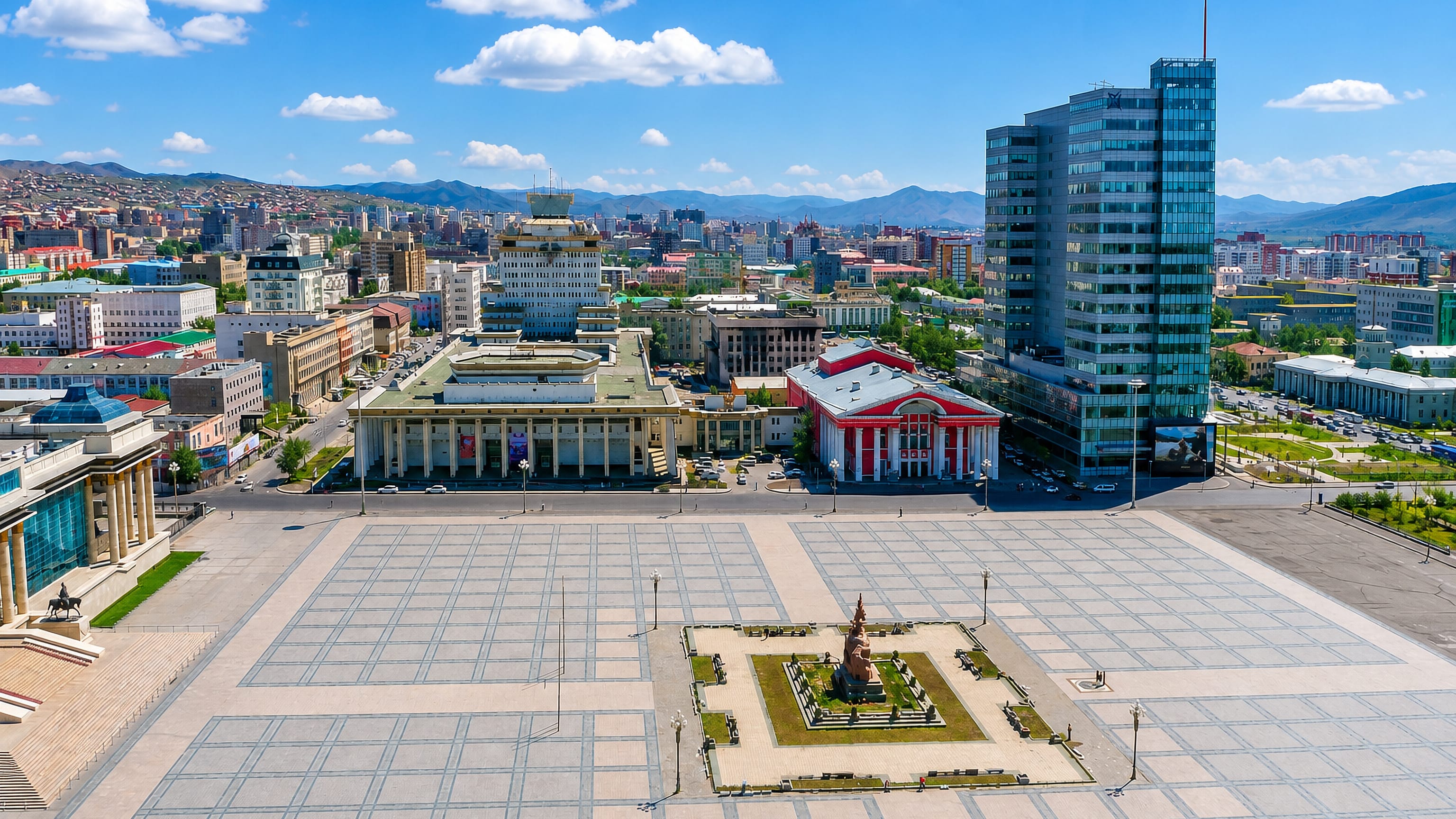
Mongolia: Regions, Cities & Travel Guide
Wide grass steppe and the Gobi Desert fill Mongolia, a vast landlocked country between Russia and China with a living nomadic tradition.
Hotel links are affiliate links: booking through them may earn us a commission, at no extra cost to you. It never affects how places are ranked. How this works


Top destinations in Mongolia
Cities to start from, then drill into areas and hotels.
 Mongolia
Ulan Bator
A cold high valley holds Ulan Bator, also written Ulaanbaatar, the capital and largest city of Mongolia on the Tuul River.Where to stay →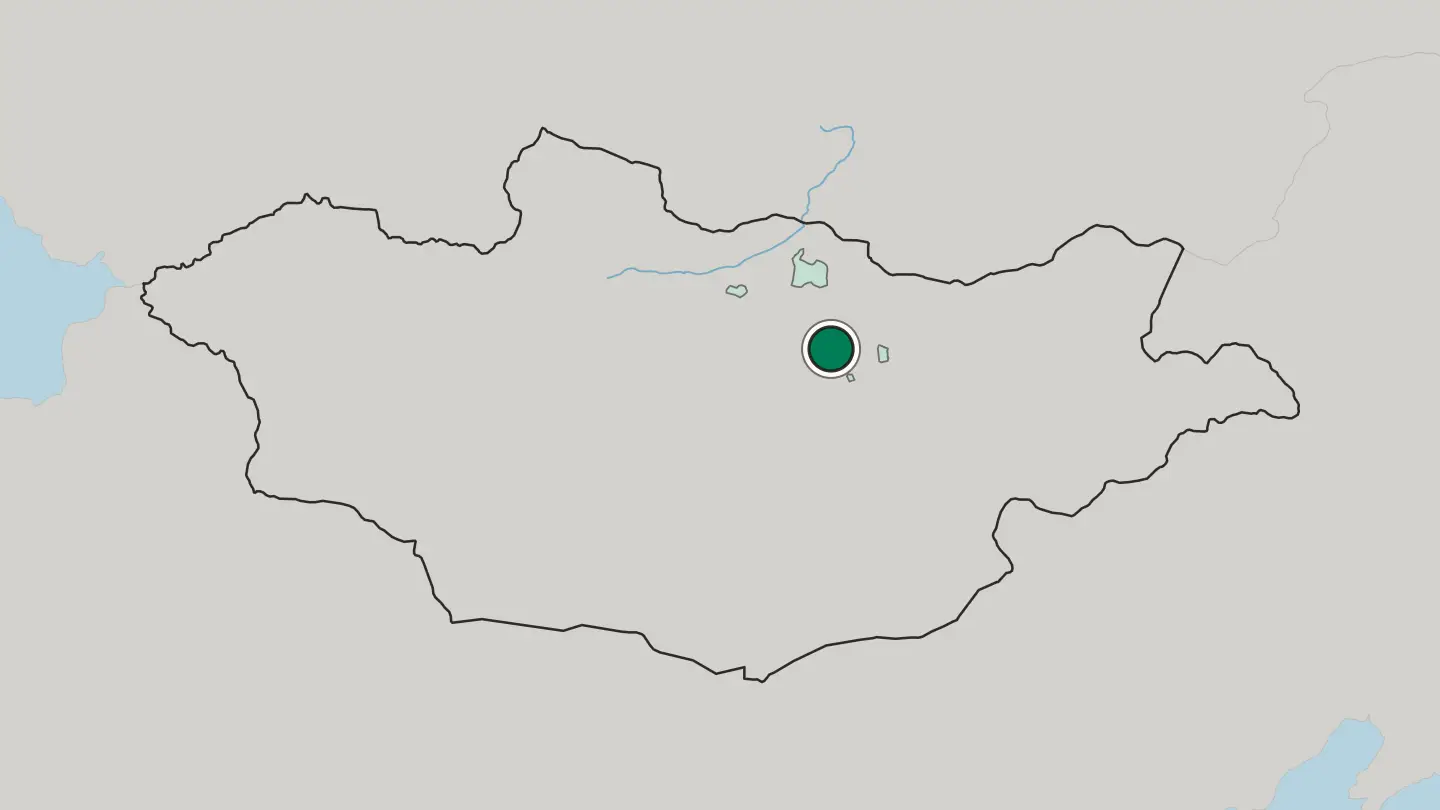
 Mongolia
Erdenet
Erdenet is a city of northern Mongolia, the country's second city, a mining town on the steppe built around one of the largest copper mines in the world.Where to stay →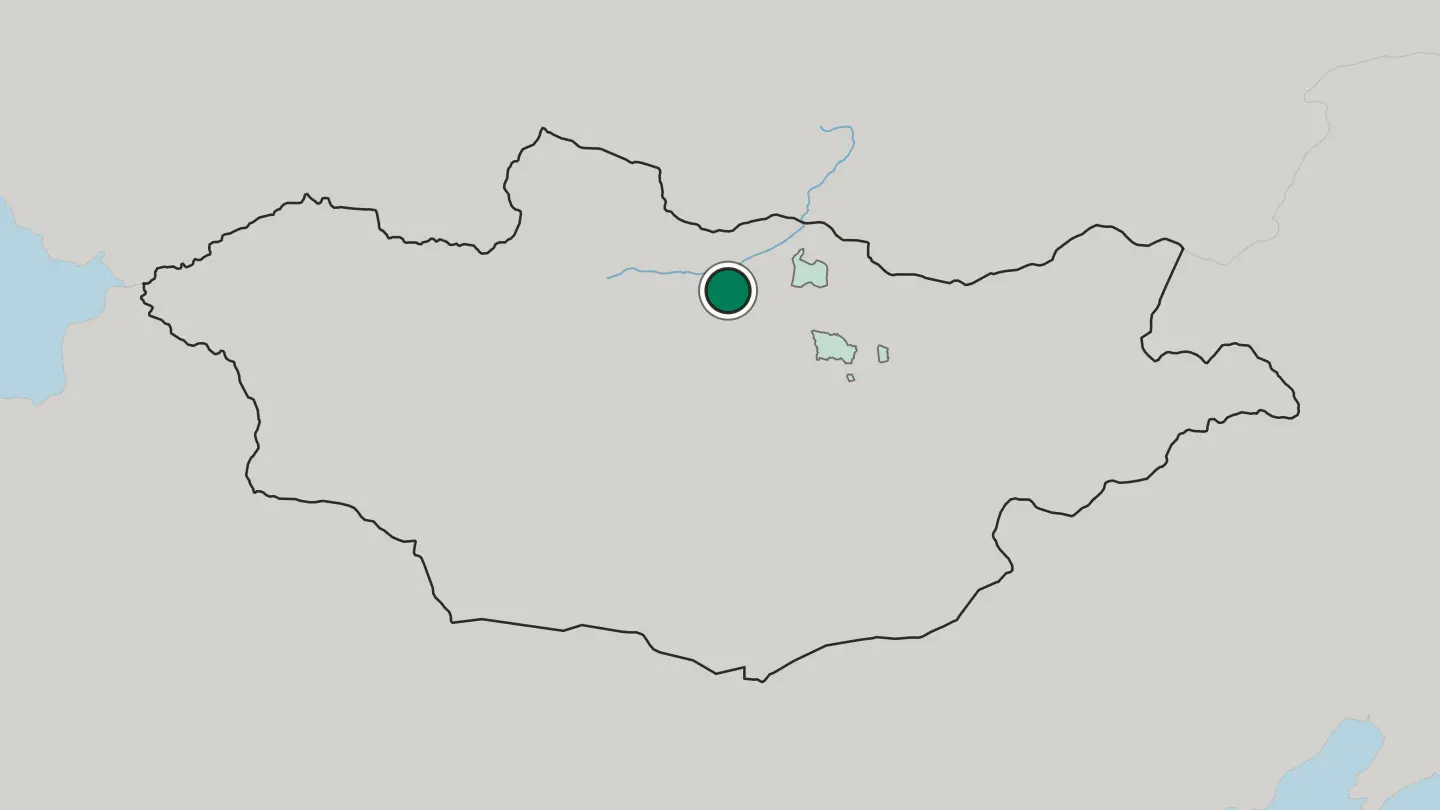 Mongolia
Darhan
Darhan is the capital of Darkhan-Uul Province in northern Mongolia, a city founded in 1961 and written Дархан in Mongolian.Where to stay →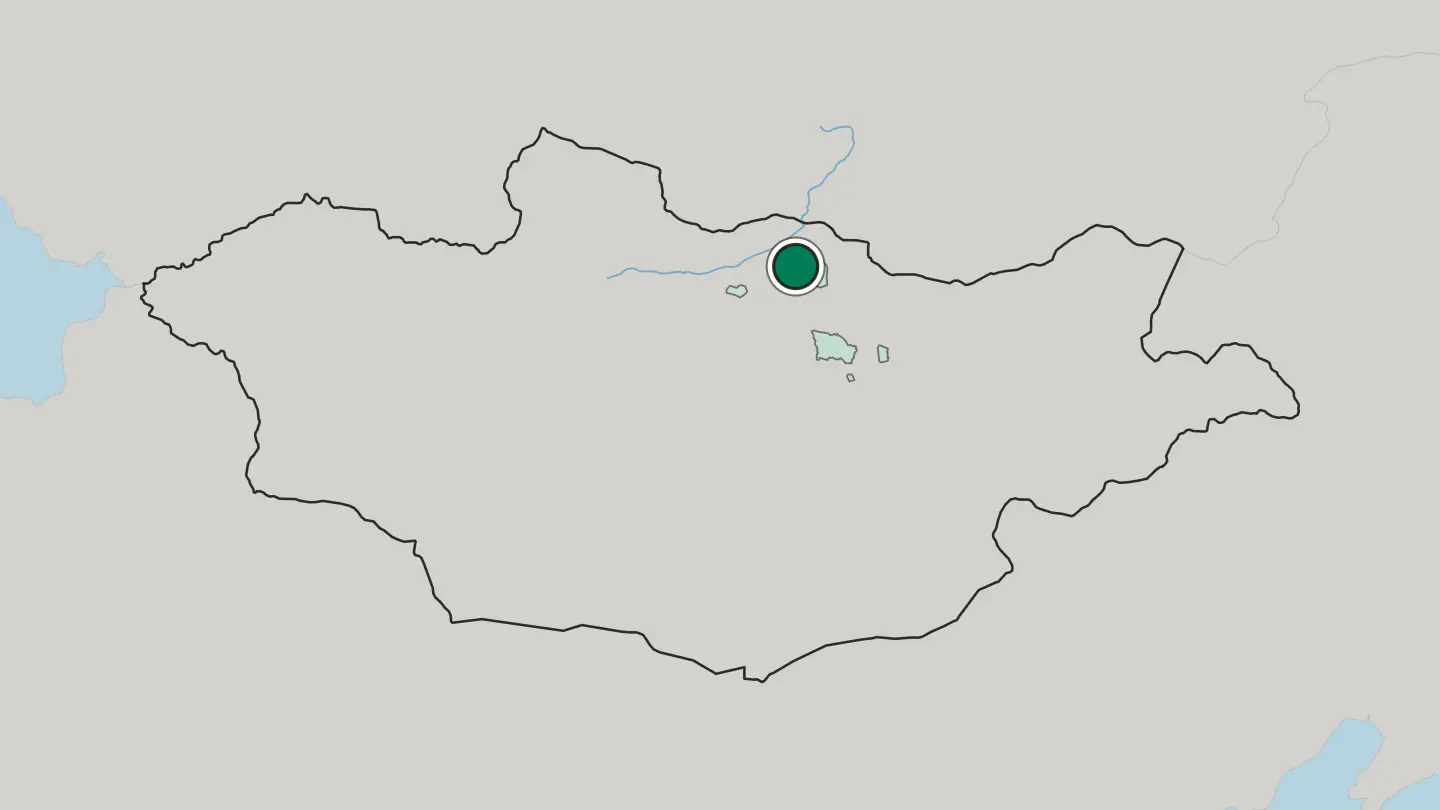
Hotel links are affiliate links: booking through them may earn us a commission, at no extra cost to you. It never affects how places are ranked. How this works
Regions of Mongolia
Mongolia
Darhan-Uul Aymag
Darhan-Uul Aymag, Darkhan-Uul Province in English, is one of Mongolia's 21 provinces, formed in 1994 across some three thousand square kilometres.Towns & cities →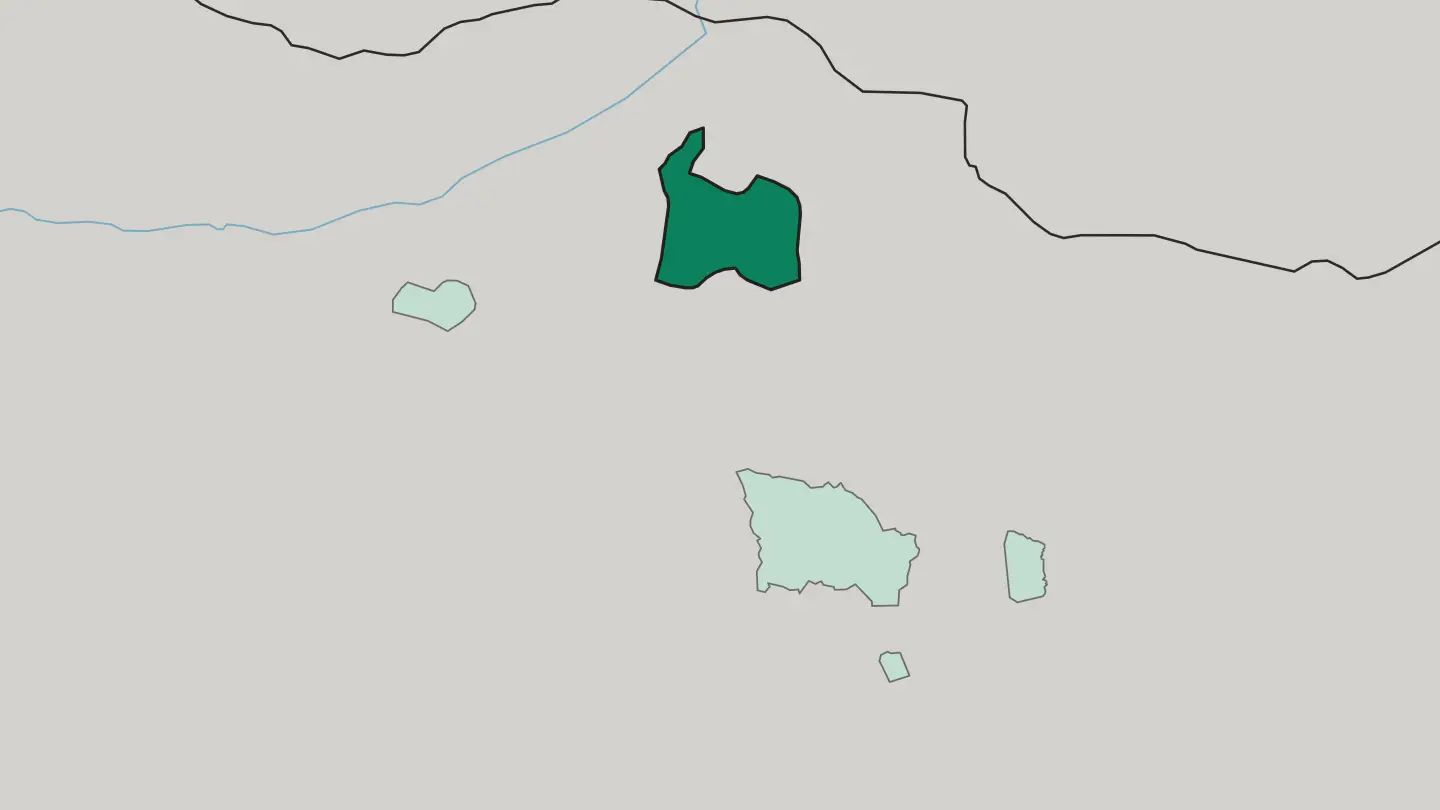 Mongolia
Orhon Aymag
Orhon Aymag, or Orkhon Province, is named for the Orkhon River and governed from Erdenet, one of Mongolia's 21 provinces, drawn in 1994.Towns & cities →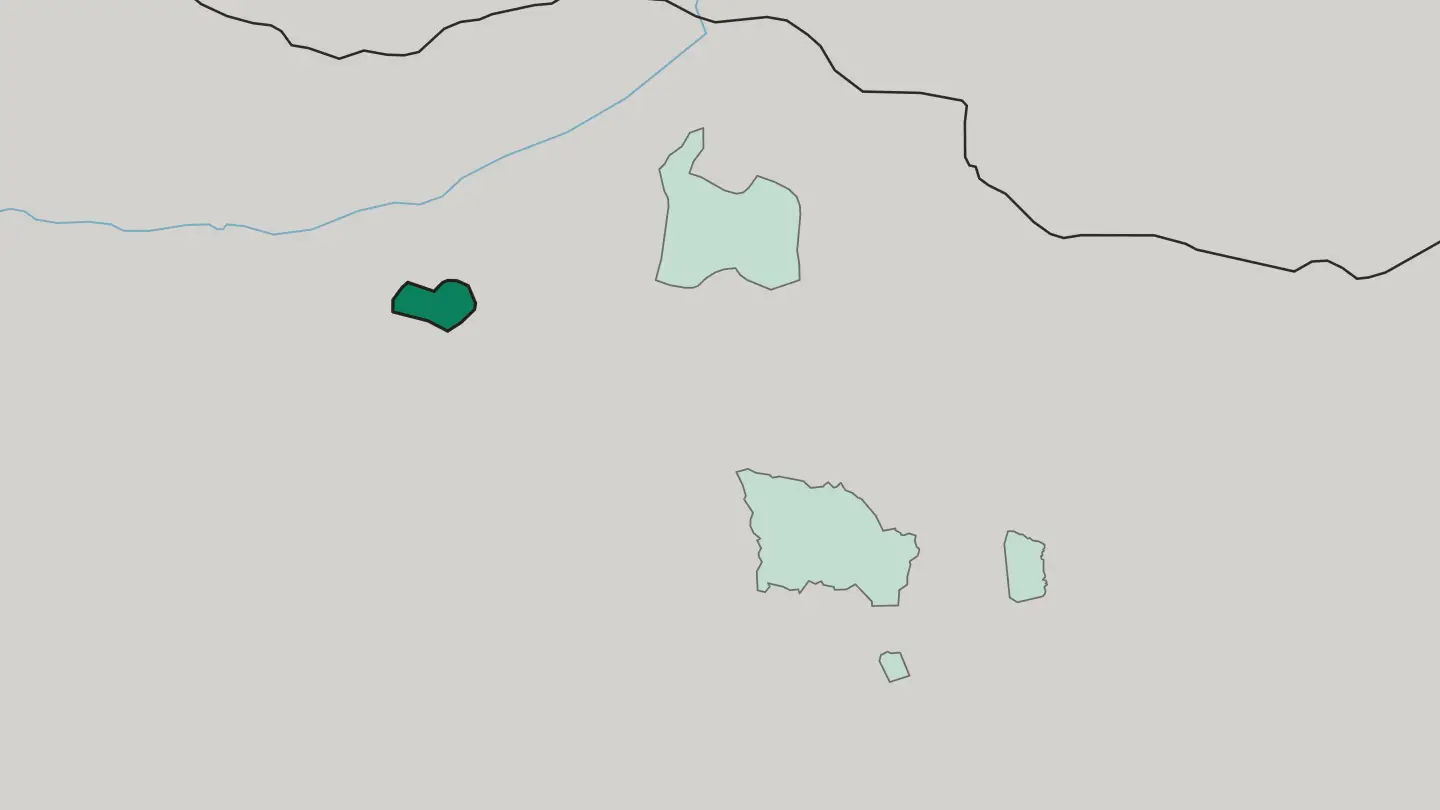 Mongolia
Ulaanbaatar Hot
Ulaanbaatar Hot is the capital region of Mongolia, the municipality of Ulaanbaatar, the country's capital and largest city.Towns & cities →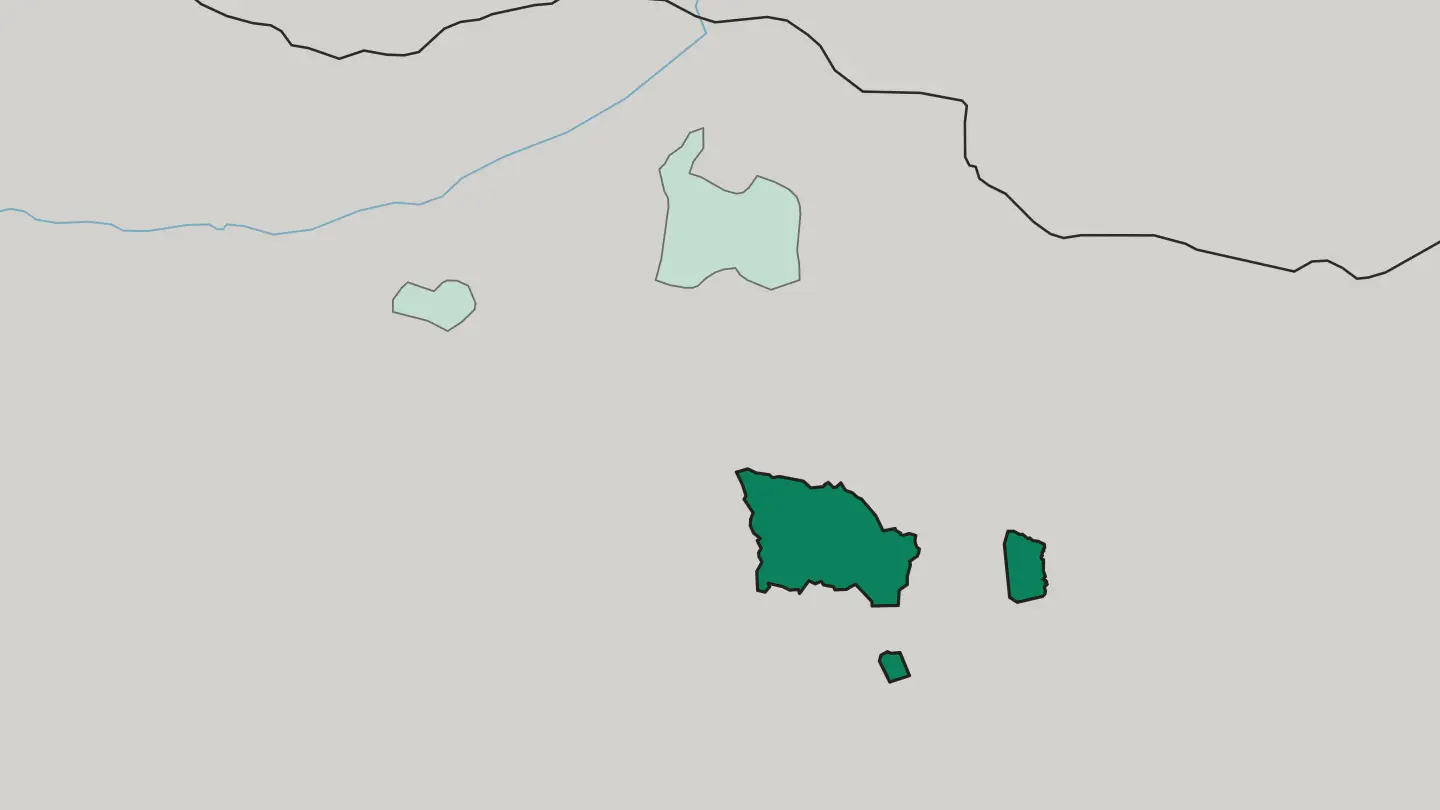
About Mongolia
What is Mongolia known for?
Mongolia is known for its open steppe and the nomadic life that still moves across it. The grassland runs for great distances under a wide sky, empty to the horizon. Beyond the grass lies the Gobi Desert.
Landlocked between Russia and China, the country holds the heart of the Mongolian Plateau, far from any coast. Ulaanbaatar holds the nation's settled life.
Where is Mongolia?
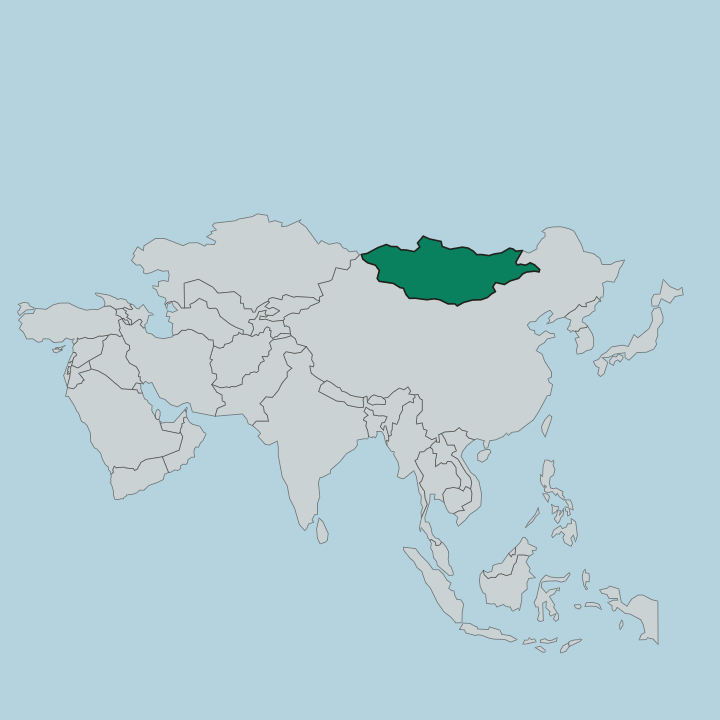
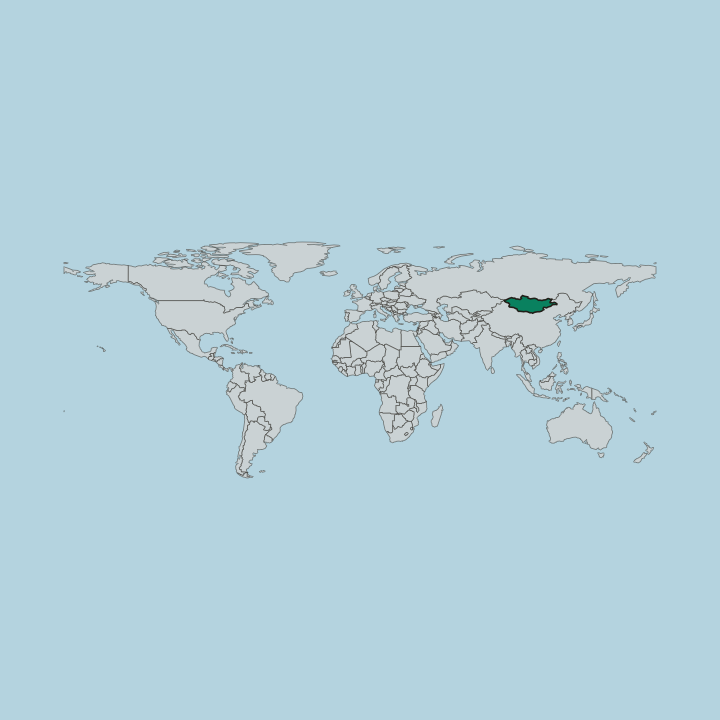
Mongolia is a landlocked country set deep in the Asian interior, between Russia and China. It sits on the Mongolian Plateau. Much of the land is grassy steppe, open grassland that runs for great distances across the high plateau under an enormous sky.
Mountains rise toward the Russian border, while the Gobi Desert spreads across the drier ground toward China. Mongolia has no coast at all. The plateau, the steppe, and the desert together make up its surface.
Grassland covers far more of it than any city does. The country covers more than one and a half million square kilometres, which makes it the second-largest landlocked country in the world, after Kazakhstan. Its size is matched by its emptiness.
Distances between places are long, and much of the plateau is open range. The Gobi Desert alone forms one of the great deserts of the continent. Ulaanbaatar, the capital, holds much of the nation's settled life, while beyond it grassland and desert spread out for hundreds of miles.
The whole country belongs to the great interior of the continent, far from any sea or coast.
What is the history of Mongolia?
Mongolia counts its modern independence from 1911, when the country emerged as a state in its own right on the Mongolian Plateau. Its roots run far deeper than that. Long before that date, the plateau was the land of nomads, herding peoples who moved with the seasons across the endless steppe.
The modern country inherits that older way of life, and it still runs through the land. Mongolia's history lies as much in the movement of people across grassland as in the borders of any single state. The land has long looked toward Central Asia and toward its two great neighbours alike.
Mongolia shares much of its culture with the peoples of Central Asia, from language to the habits of the herding life. Those ties reach back across centuries of movement on the steppe. Russia and China stand on either side of it.
Between these two great powers, Mongolia has kept its own way through both. Through all of it the steppe and the nomadic tradition have held, and its deepest history rests in the open country rather than in walled cities.
What is Mongolia like?
Culture in Mongolia grows from the nomadic life of the steppe, and it has done so for as long as anyone can trace. The herd sets the calendar. For centuries herding families have moved across the grassland with their animals, and that pattern still shapes daily life across the country.
Mongolian is the language of the land. The country keeps one of the last living nomadic cultures on earth, tied to the open range rather than to any town. Hospitality toward travellers runs deep here.
Much of Mongolian culture is shared with Central Asia, with which the country has long kept close ties across the steppe. Life on the steppe sets the rhythm of the year. It is felt everywhere beyond the city.
Away from Ulaanbaatar, the countryside holds fast to herding and the seasonal round of the grassland. In the capital, those older ways meet the settled life of a modern city. The steppe holds the old world; Ulaanbaatar holds the new.
Between the two, Mongolia carries both its nomadic past and its urban present under one national culture.
What is the climate of Mongolia?
Mongolia has a harsh continental climate, set deep in the Asian interior far from any sea. Winters are long and bitterly cold across the steppe and the plateau. Summers are short and warm.
The Gobi Desert stays dry through the year, while the grassland takes most of its rain in the warmer months. Great swings between the seasons, and between day and night, mark the whole country.
How do you get to Mongolia?
Mongolia is reached first through Ulaanbaatar, the capital and the starting point for almost all travel in the country. Nearly everyone begins there. Being landlocked, the country has no sea approach, and travellers arrive overland or by air across the borders with Russia and China.
From Ulaanbaatar, roads and tracks lead out across the steppe and toward the Gobi Desert. Distances are long once you leave the capital.
Common questions
What is the best area to stay in Mongolia?
Ulaanbaatar: First stays and onward travel. The steppe: Open country and nomadic tradition. The Gobi: Desert travel.
Good for
Updated September 2026