Mongolia · Ulaanbaatar Hot
Where to Stay in Ulan Bator, Ulaanbaatar Hot
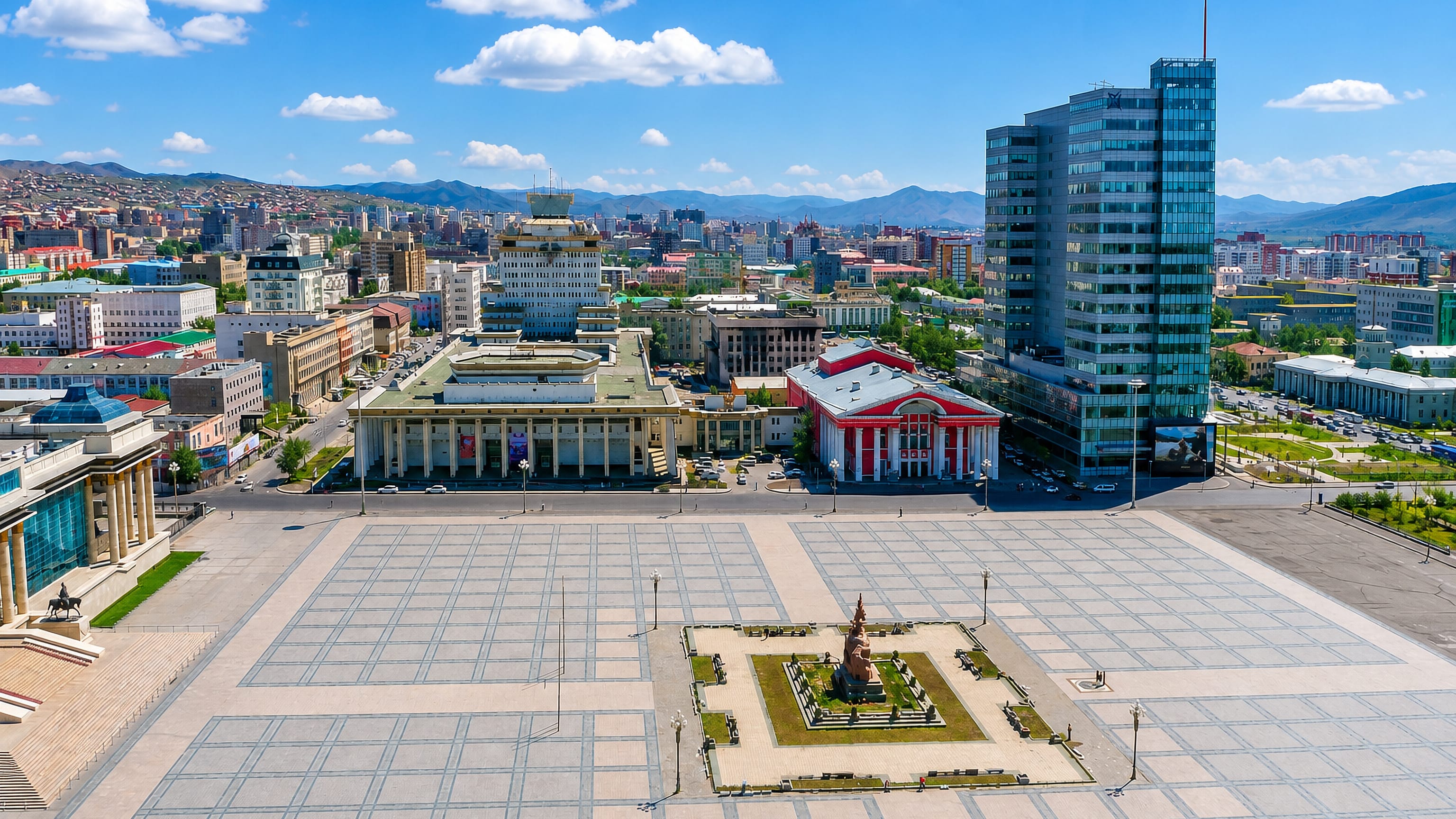
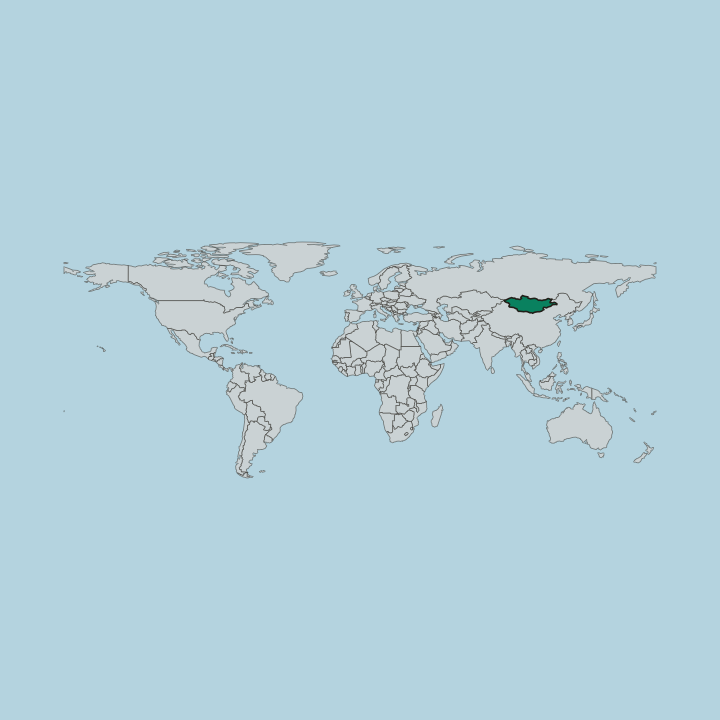
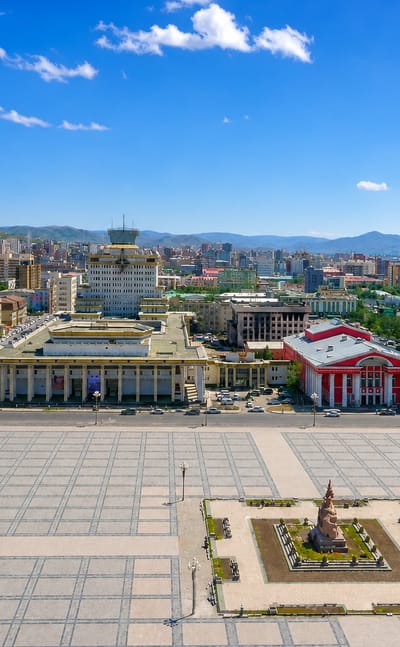
A cold high valley holds Ulan Bator, also written Ulaanbaatar, the capital and largest city of Mongolia on the Tuul River.
Hotel links are affiliate links: booking through them may earn us a commission, at no extra cost to you. It never affects how places are ranked. How this works


Where to stay in Ulan Bator
Each area has its own feel; here's who each one suits.
 Ulan BatorMongolia
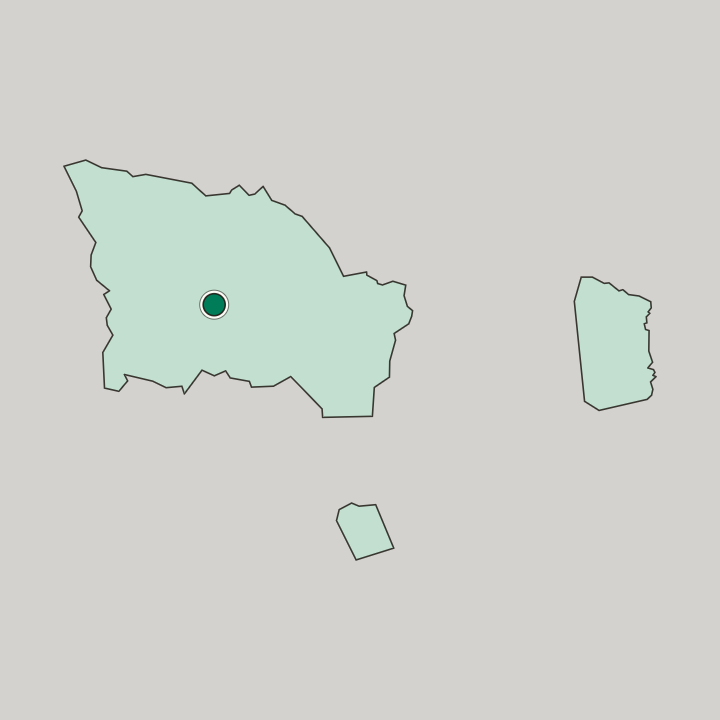
Sükhbaatar
Sükhbaatar is a central district of Ulan Bator, the capital of Mongolia.Where to stay →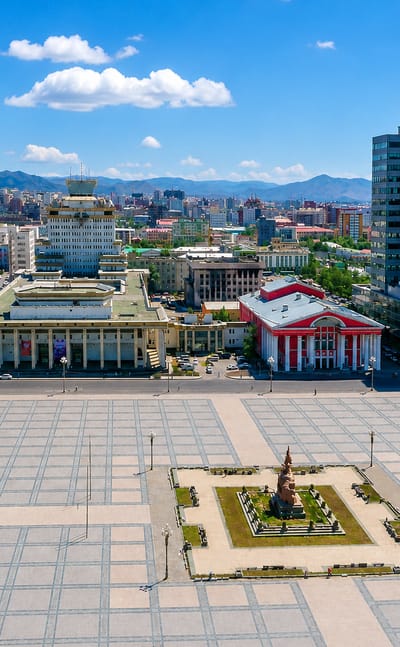 Ulan BatorMongolia
Bayanzürkh
Bayanzürkh is a district of Ulan Bator, the capital of Mongolia, stretching east across the low ground beyond the city centre.Where to stay →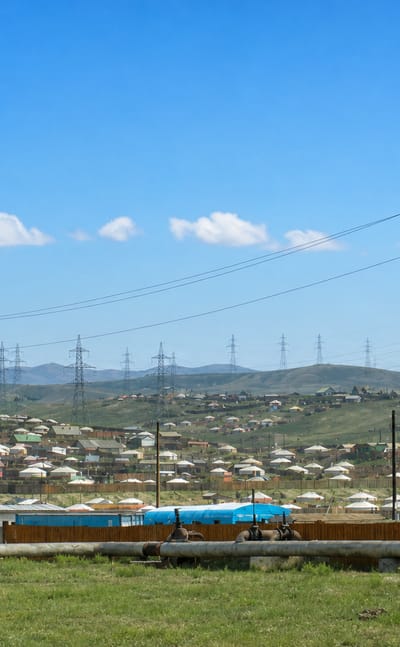 Ulan BatorMongolia
Songino Khairkhan
Songino Khairkhan is the western district of Ulan Bator, the capital of Mongolia, named for its holy mountain.Where to stay →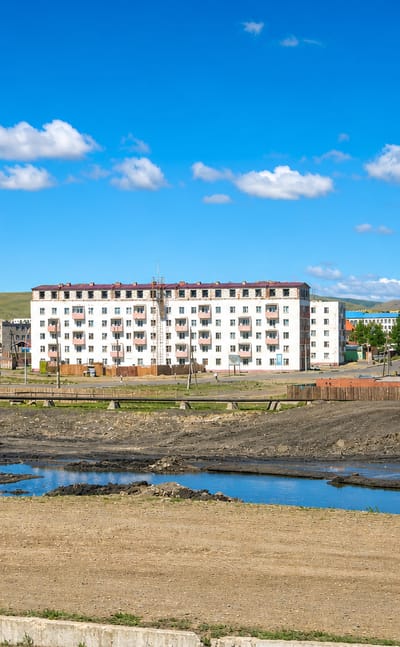 Ulan BatorMongolia
Nalaikh
Nalaikh is a former coal-mining district of Ulan Bator in Mongolia, built around the old Nalaikh Coal Mine.Where to stay →Hotel links are affiliate links: booking through them may earn us a commission, at no extra cost to you. It never affects how places are ranked. How this works
Find hotels in Ulan Bator
Direct booking searches for these neighbourhoods.
The city centre
The heart of Ulaanbaatar around the National Museum of Mongolia and the Choijin Lama Temple, where most hotels standFind hotels in The city centreA quieter base near the waterThe riverside
The lower ground toward the Tuul River, away from the busiest streets of UlaanbaatarFind hotels in The riversideHotel links are affiliate links: booking through them may earn us a commission, at no extra cost to you. It never affects how places are ranked. How this works
Things to do in Ulan Bator
Ranked by global recognition; descriptions from Wikidata (CC0).
Museums & Galleries
3- Choijin Lama Temple
- National Museum of Mongolia
- Fine Arts Zanabazar Museum
Churches & Religious Sites
3- Geser Sum Monastery
- FPMT Buddhist Teaching and Meditation Center
- Tuvdenpeljeelin Monastery
Castles & Historic Sites
3- Monument of Choir
- Red Rock Castle
- Monument to Marshal Georgy Zhukov
Stadiums & Sports
1- Bökhiin Örgöö
Parks & Gardens
1- National Amusement Park
worth knowingacross 5 categories in Ulan Bator
About Ulan Bator
What is Ulan Bator known for?
Ulaanbaatar is known as the capital and largest city of Mongolia, set in a valley on the Tuul River. The city grew from a Buddhist monastic centre into the country's seat of government. Cold marks it too.
Its museums and temples draw most visitors, among them the National Museum of Mongolia and the Choijin Lama Temple. Ulaanbaatar is the coldest capital city in the world.
What are the main landmarks in Ulan Bator?
Ulaanbaatar keeps most of its landmarks in the centre, a legacy of its start as a Buddhist monastic town. The Choijin Lama Temple stands among the old religious buildings at its core. Museums fill much of the rest.
The National Museum of Mongolia, the Fine Arts Zanabazar Museum, and the Chinggis Khaan National Museum gather the country's history and art. The Geser Sum Monastery keeps the Buddhist tradition alive in the city.
What is the history of Ulan Bator?
Ulaanbaatar began in the seventeenth century as a Buddhist monastic centre, a moving camp rather than a fixed town. It began on the move. For its early life it stayed mobile, and it changed location twenty-nine times as it followed the needs of its monks and their herds.
Only in 1778 did it settle for good at its present site in the valley of the Tuul River. From a wandering monastery it became a fixed city. That long road from tent to town shapes its story.
Settled at last on the Tuul River, Ulaanbaatar grew into the capital of Mongolia and the seat of the nation. The Buddhist temples of its origin still stand at its core, among them the Choijin Lama Temple. Monasteries and temples still mark the streets it grew from.
As the country took its modern form, the city became its political and cultural centre, drawing people from across the land. The old monastic town gave way to a national capital. Ulaanbaatar holds the government, the museums, and much of the settled life of the whole of Mongolia.
Where is Ulan Bator?
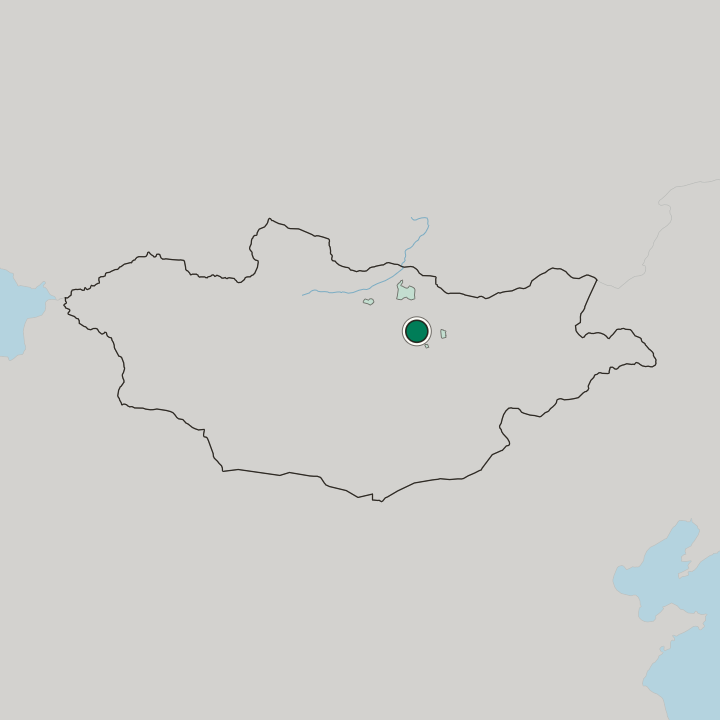
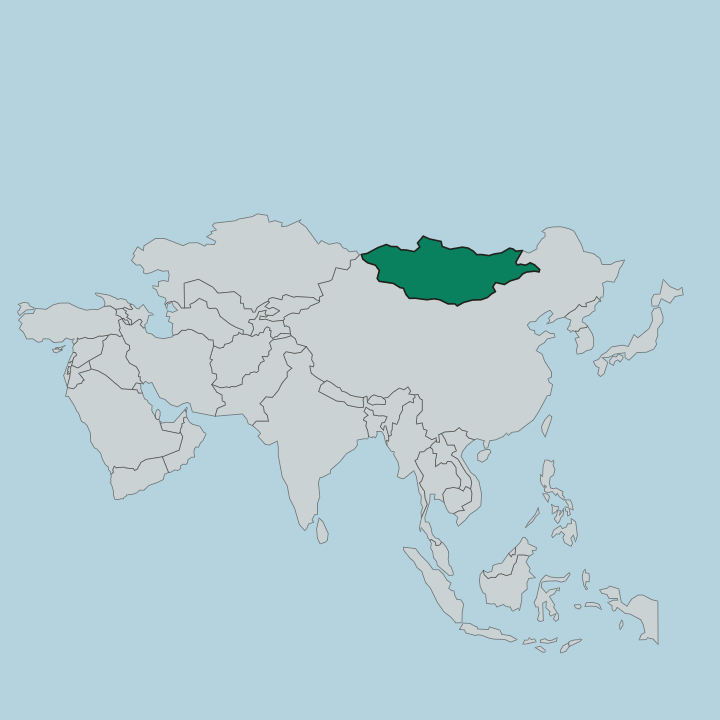
Ulaanbaatar lies in a valley on the Tuul River, high in the interior of Mongolia. Higher ground rings the valley. The valley floor holds the city, and the Tuul River runs along it below the built-up streets, threading the heart of the capital.
The city sits well above sea level, far from any coast. Deep in the country, it stands a long way from Mongolia's borders on every side.
What is the climate of Ulan Bator?
Ulaanbaatar has a bitter continental climate, the coldest of any capital city in the world. Winters are long and severe in the high valley, where cold air settles and holds for months on end. Summers are short and mild.
The Tuul River freezes hard through the coldest part of the year. Sitting far inland and high above the sea, the city feels the full swing of the seasons.
How do you get to Ulan Bator?
Ulaanbaatar is the starting point for almost all travel in Mongolia. Nearly every visitor passes through it. From its valley on the Tuul River, the city gathers the country's main links, and roads and rail lead out from it across Mongolia.
Distances grow long once you leave the capital. Most journeys through the country begin here in Ulaanbaatar.
Common questions
What is the best area to stay in Ulan Bator?
The city centre: First stays and sightseeing. The riverside: A quieter base near the water.
Good for
Updated October 2026