Martinique
Martinique — Towns & Travel Guide
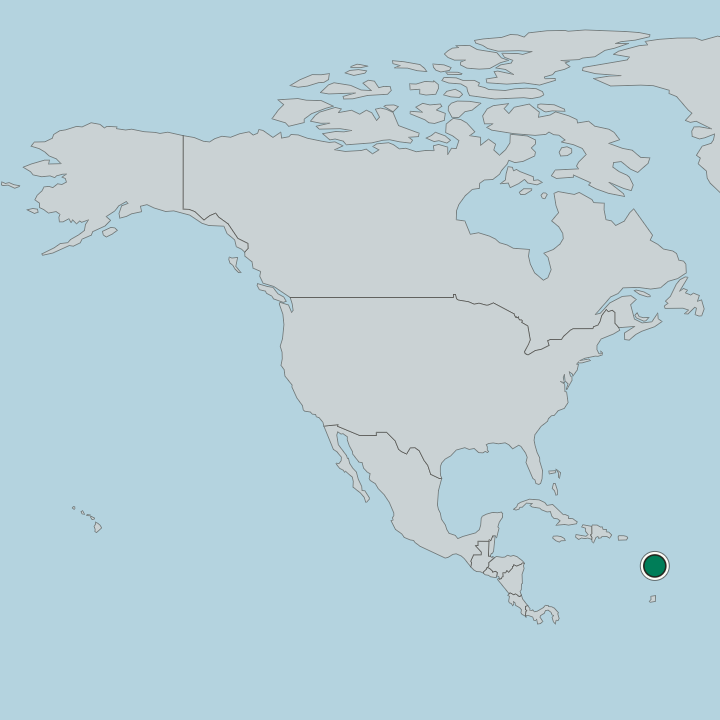
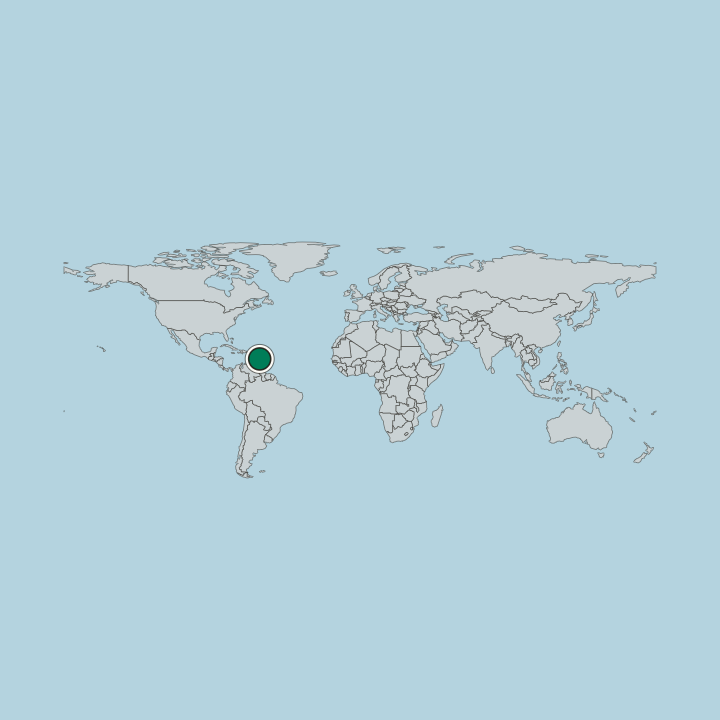
Martinique is an island of the Lesser Antilles, north of Saint Lucia and south of Dominica, and an overseas department of France.
Hotel links are affiliate links: booking through them may earn us a commission, at no extra cost to you. It never affects how places are ranked. How this works


Towns & cities in Martinique
One town here has its own guide — it links to where to stay.

 Martinique
Fort-de-France
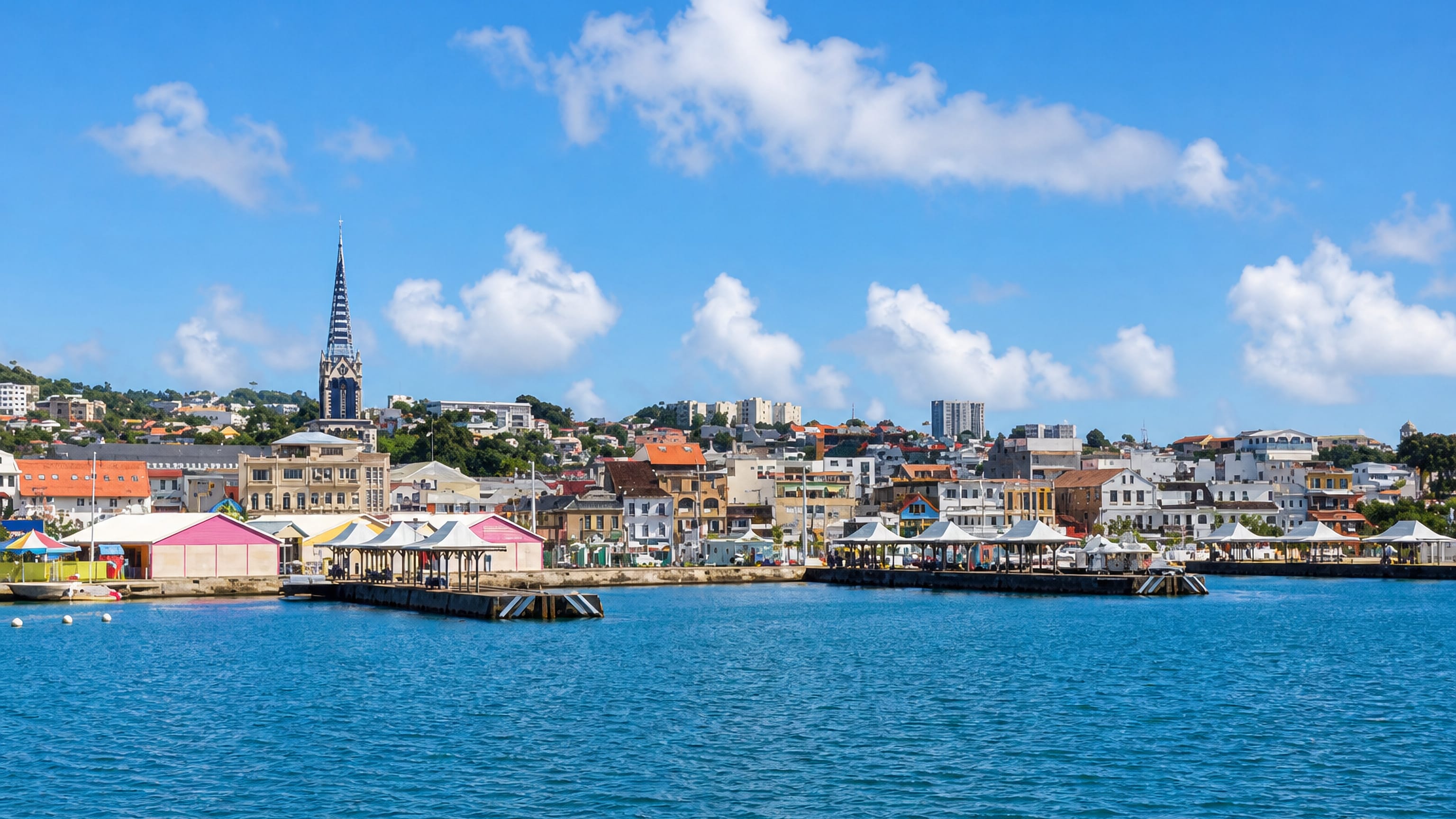
Fort-de-France is the capital of Martinique, a French island in the Caribbean, set on a great bay beneath green hills.Where to stay →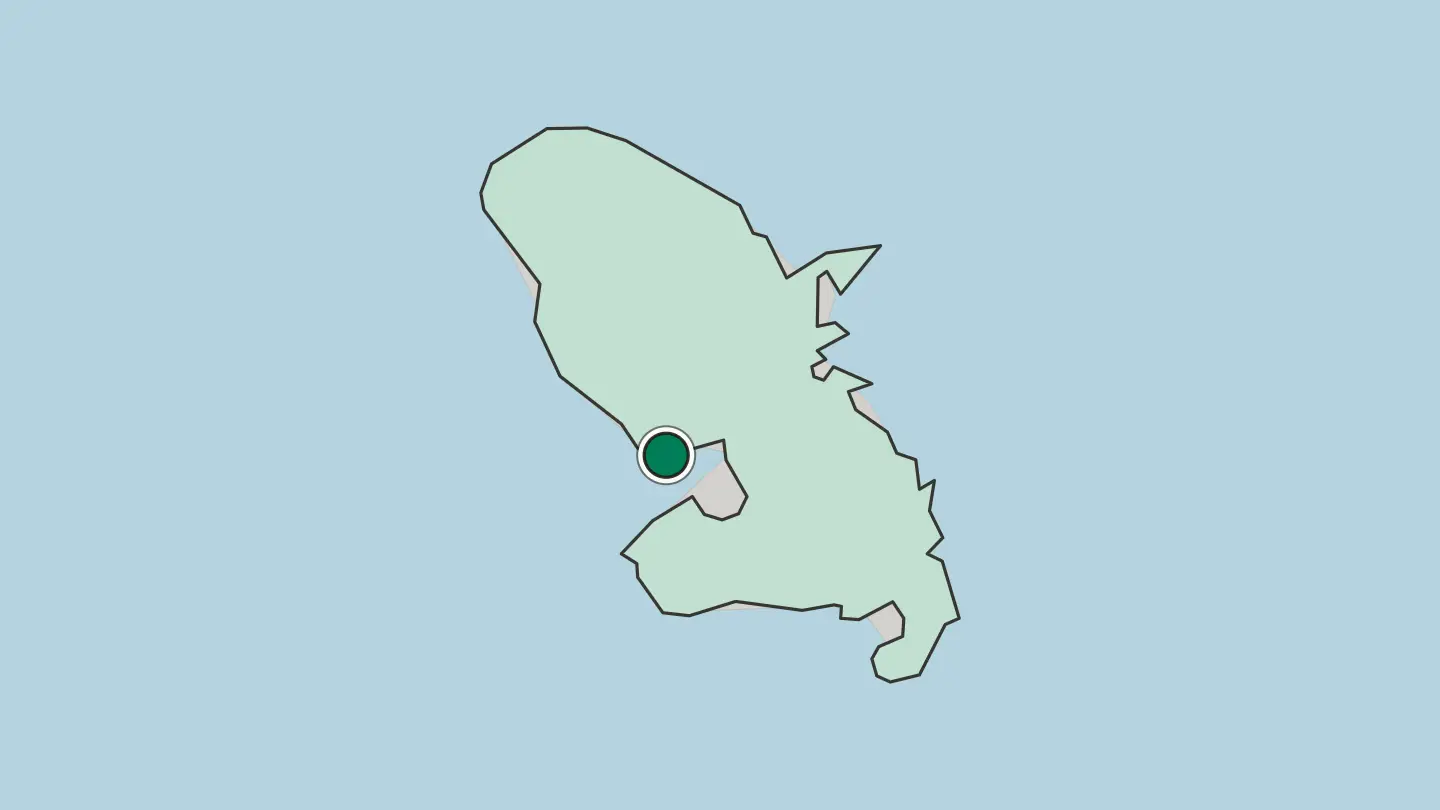
Hotel links are affiliate links: booking through them may earn us a commission, at no extra cost to you. It never affects how places are ranked. How this works
About Martinique
The island answers to two frames.
What is Martinique known for?
Martinique belongs to the Lesser Antilles and the West Indies by geography and to France by law, holding the standing of an overseas department and region on a legal footing that dates from 1946. Saint Lucia lies off one end, Dominica off the other. That pairing of Caribbean ground and French administration is what the name carries, and it is why the island is counted with the French West Indies rather than with the neighbours nearest to it.
Where is Martinique?
Martinique is land with a sea on every side. The Caribbean Sea closes around it without a single land border to interrupt the line, and the two gaps that matter are the channel to the north, which separates the island from Dominica, and the one to the south, which sets it apart from Saint Lucia. Journeys within Martinique stay short.
No part of the island stands far from salt water, so the coast rather than any interior line is what organises the map and what a traveller ends up navigating by. The island belongs to the Lesser Antilles. That chain runs through the West Indies as a long curve of islands, and Martinique sits along it as one link, with neighbours near enough on both sides that the chain rather than the open ocean gives the frame for reading its position.
The wider grouping is the French West Indies, the set of Antilles territories tied to France, which places the island in two families at once, a Caribbean one drawn by water and a French one drawn by law. Both hold. Its area is modest by continental standards, and the whole of it can be crossed in a day, which is why Martinique reads as a single unit rather than as a set of separated districts.
What is Martinique like?
Martinique is a department, a region, and a collectivity at once. The same ground is described as an overseas department, as a region, and as a single territorial collectivity, and that stacking of titles is the plainest expression of how France organises a Caribbean island it governs directly. The effect is practical.
Public life runs on French institutions while the setting stays Antillean, and both facts belong to ordinary routine rather than to ceremony. Nothing about the arrangement is provisional; 1946 fixed it, and the island has carried the same standing since. Neighbours count for as much as the mainland.
Dominica and Saint Lucia lie on either side of the island, and the shared Antilles world they belong to gives Martinique reference points that run along the chain rather than back to France. Being a department of one country and an island of the Lesser Antilles pulls in different directions on paper, and in ordinary use it means that two vocabularies describe the same coast and the same streets. The French West Indies label names that doubling directly, joining Antilles ground and French institutions under one heading.
What is the history of Martinique?
1946 is the date that anchors modern Martinique. That year stands as the island's founding year in the terms it still uses, when ground already grouped with the French West Indies took the standing of an overseas department and region of France. Both frames survive.
Martinique is counted among the Antilles first and administered from France second, and the two orderings have run together since without either cancelling the other.
What is the climate of Martinique?
The Caribbean Sea sets the terms. Water surrounds Martinique completely, so weather builds over the channels toward Dominica and Saint Lucia and reaches the shore with nothing in the way, which makes the coast the first place any change is felt. Shelter is a coastal question here.
An island of this size has no continental interior to buffer it, and visitors plan around the sea rather than around a calendar of inland seasons.
How do you get to Martinique?
Every arrival is a crossing. Martinique has no land border, so the approach comes over the Caribbean Sea or through the air above it, and the practical question is whether a traveller is moving along the Lesser Antilles chain or coming out from France. Dominica sits to one side, Saint Lucia to the other.
Routes through the West Indies therefore treat the island as a stop in a sequence, and the order of the hops is usually set by the chain rather than by Martinique itself.
Common questions
What is the best area to stay in Martinique?
The northern shore, facing Dominica: Trips that pair Martinique with Dominica across the northern channel. The southern shore, facing Saint Lucia: Stays aimed down the Lesser Antilles chain toward Saint Lucia.
Good for
Updated September 2026