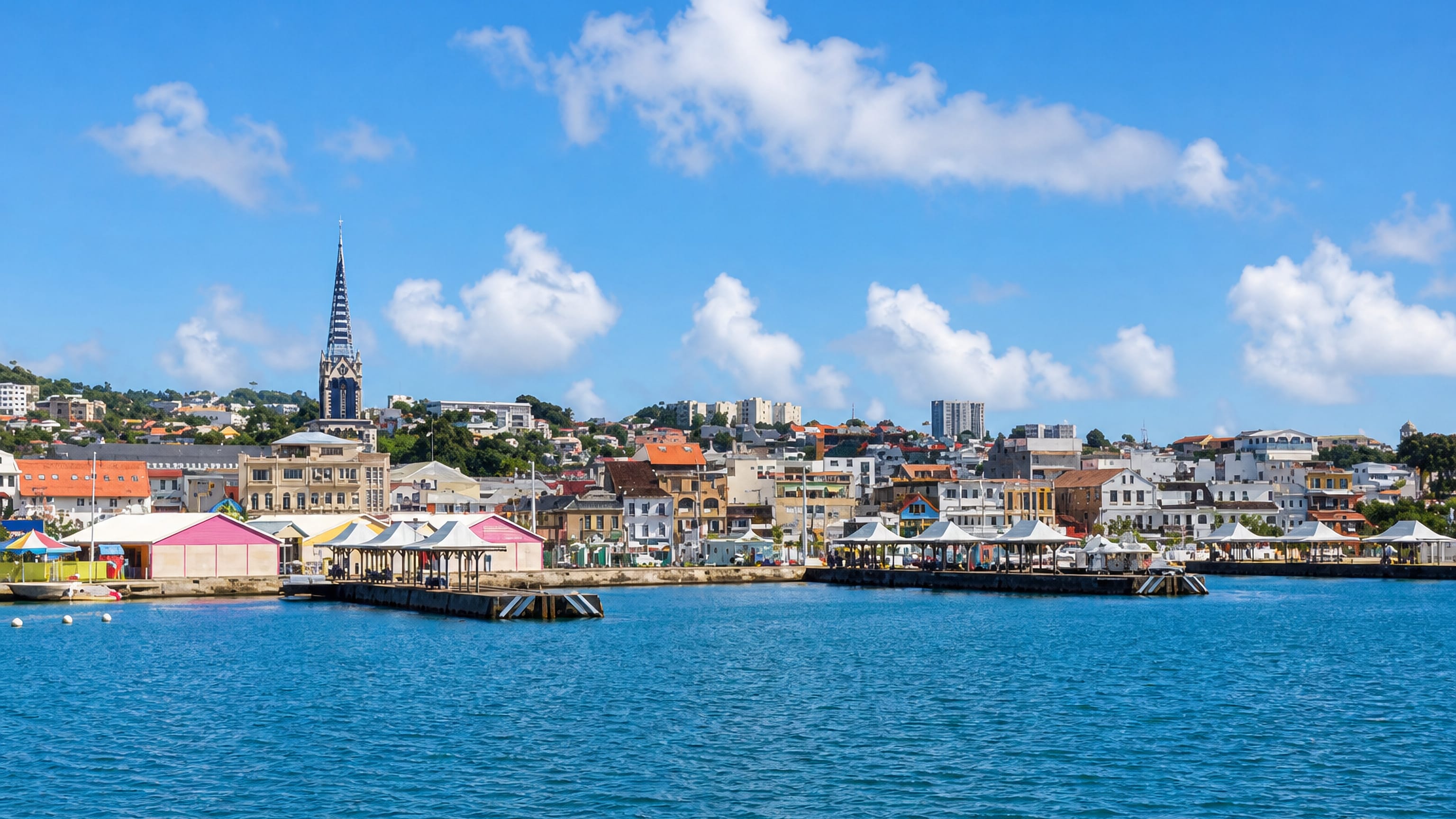
Martinique: Regions, Cities & Travel Guide
Martinique is a French island in the eastern Caribbean's Lesser Antilles, its capital Fort-de-France shadowed by the volcano Mont Pelée.
Hotel links are affiliate links: booking through them may earn us a commission, at no extra cost to you. It never affects how places are ranked. How this works


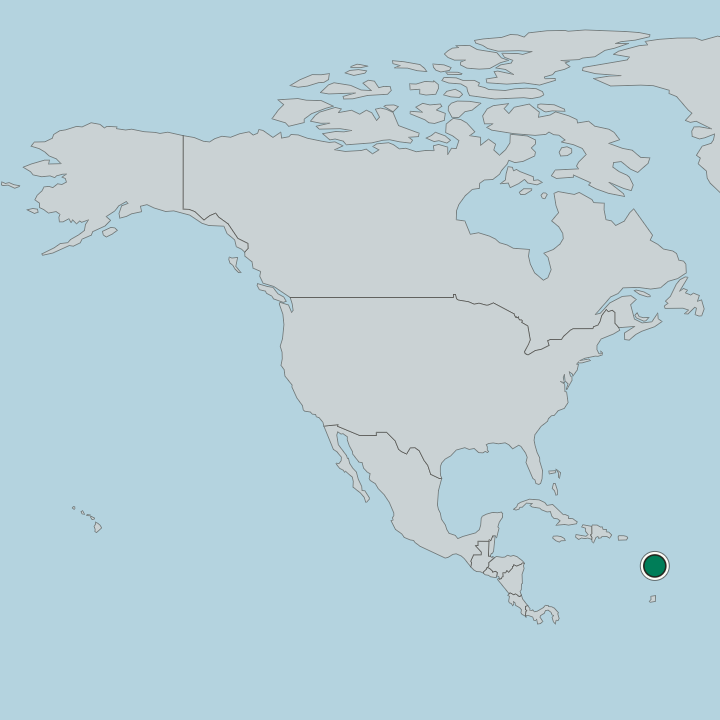
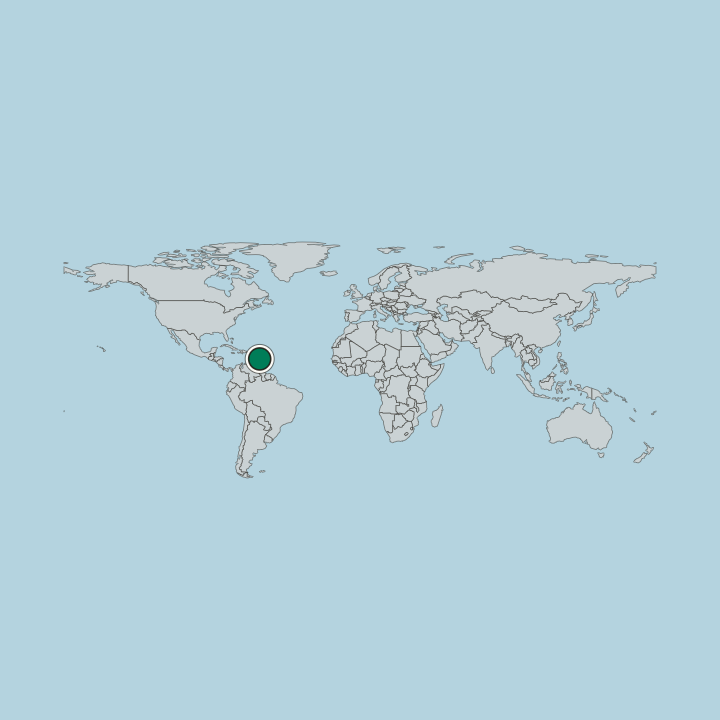
Top destinations in Martinique
One city to start from, then drill into its areas and hotels.

 Martinique
Fort-de-France
Fort-de-France is the capital of Martinique, a French island in the Caribbean, set on a great bay beneath green hills.Where to stay →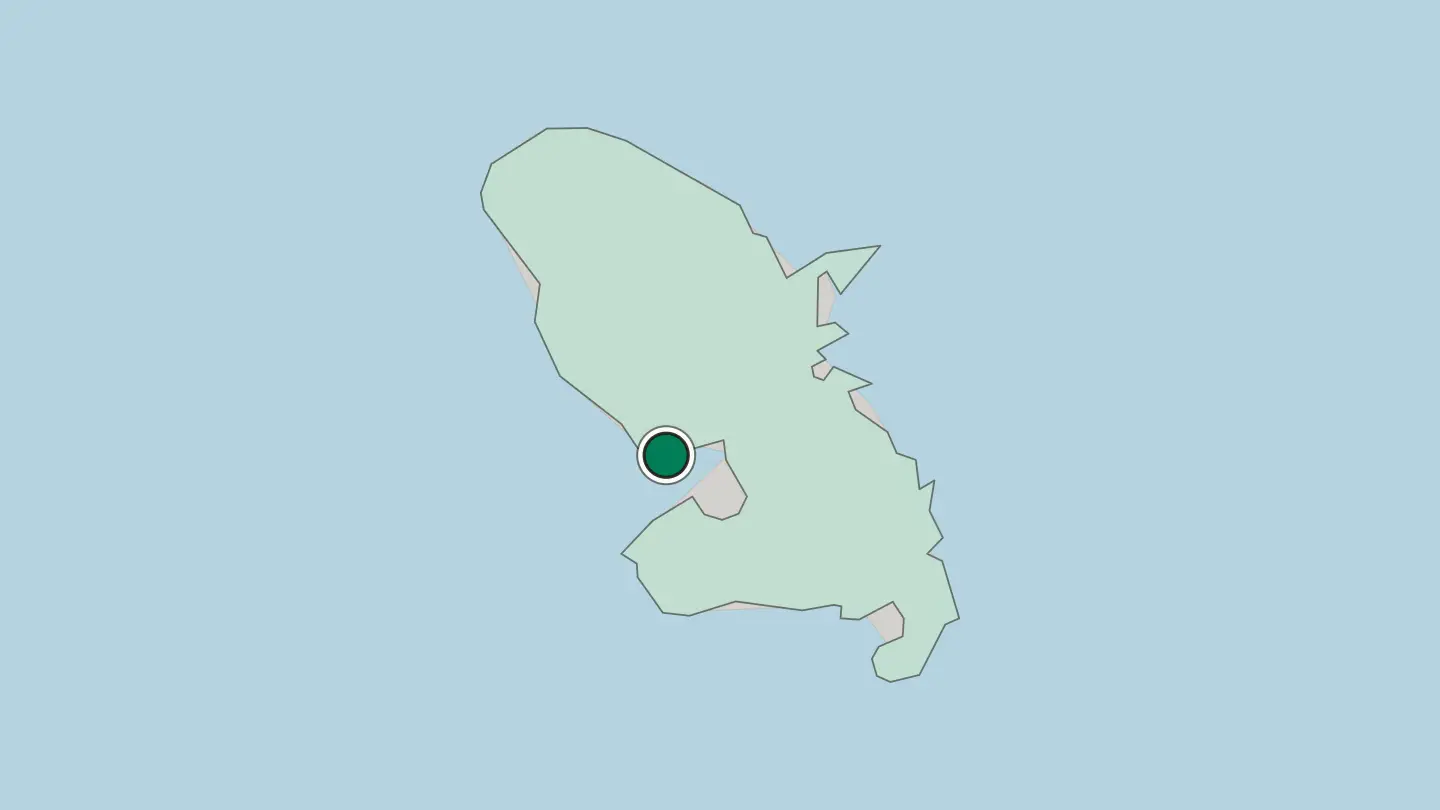
Hotel links are affiliate links: booking through them may earn us a commission, at no extra cost to you. It never affects how places are ranked. How this works
Browse by region
One region so far — open it to see its cities and towns.
About Martinique
What is Martinique known for?
Martinique packs volcanoes, rum, and Creole culture onto a single Caribbean island. Mont Pelée looms over the north. Its 1902 eruption wiped out Saint-Pierre, then the busy port that everyone called the Paris of the Antilles, and shifted the capital south to Fort-de-France for good.
The island gave the world the poet Aimé Césaire and the future Empress Joséphine, born on a sugar estate at Les Trois-Îlets. White-sand beaches ring the south around Sainte-Anne.
Where is Martinique?
Martinique is one of the Windward Islands, a single mountainous strip in the Lesser Antilles set in the eastern Caribbean Sea between Dominica to the north and Saint Lucia to the south. The island splits cleanly into two halves. Its north is volcanic and steep, dominated by Mont Pelée, whose summit is the highest ground on the island, and by the jagged Carbet Mountains just to the south of it.
Dense rainforest cloaks these slopes, fed by heavy rain that pours off the peaks in fast rivers. The south is gentler. Here lower ridges and rolling hills run down to a coast of white-sand bays around Sainte-Anne and the mangrove-lined flats near Le Marin.
Between the two lies the central plain around Le Lamentin, which holds the airport and much of the island's flat, workable land, and it was long the ground of the great sugar and banana estates. The Atlantic pounds the windward east coast with reefs and surf. The leeward west, facing the Caribbean, stays calmer and warmer, which is why the ports and the earliest towns grew there, and Fort-de-France sits on that sheltered western bay.
Offshore, the bare basalt plug of the Rocher du Diamant rises from the sea near Le Diamant, a landmark visible for miles. From volcanic crest to coral shallows, the island covers a lot of ground in a small space.
What is the history of Martinique?
France claimed Martinique in 1635, when settlers landed at Saint-Pierre and founded the island's first town beneath Mont Pelée. Sugar cane and slavery followed fast. For two centuries the plantation economy grew rich on enslaved Africans and a landowning white class, the békés, whose descendants still hold much of the island's farmland.
That island produced Marie-Josèphe-Rose Tascher de la Pagerie, born in 1763 on a sugar estate at Les Trois-Îlets, who married Napoleon and became the Empress Joséphine. France abolished slavery here in 1848, freeing the enslaved population and reshaping the whole society. Then came the disaster.
On the morning of 8 May 1902 Mont Pelée erupted and destroyed Saint-Pierre in minutes, killing nearly its entire population and ending the reign of the port they had called the Paris of the Antilles. The capital moved permanently to Fort-de-France. The twentieth century brought a different kind of change through one man above all: Aimé Césaire, the poet and mayor of Fort-de-France who helped shape the Négritude movement and steered the island toward becoming a full department of France in 1946.
That status made Martinicans French citizens with representation in Paris, and it holds to this day. The past here is written into the ruined church at Saint-Pierre and the rum estates alike.
What is Martinique like?
Martinican culture is Creole to its core, French in language and law but African in rhythm and taste. French is the official tongue, yet most people speak Antillean Creole at home, a language born on the plantations from French, African, and Carib roots. Music carries the same double descent.
The old drum-and-call form of bèlè came straight from West Africa with the enslaved, while zouk, the electric dance sound that swept the Caribbean, was shaped on this island and its neighbours. Food tells the story too. Cooks fold French technique into local ingredients for dishes like colombo, a curried stew, and accras de morue, the salt-cod fritters sold at every roadside.
Rum runs through all of it. Martinique makes rhum agricole, distilled straight from fresh cane juice rather than molasses, and the method earned it a protected French appellation of its own. The island's intellectual weight is real.
Aimé Césaire, born and raised here, made Fort-de-France a centre of Black francophone thought and gave the world the idea of Négritude, and his poems are still read across the French-speaking world. Carnival before Lent turns the streets over to costumed bands and satire for days. Under it all sits the tension of a French island with a deeply African soul.
The two do not cancel out. They braid together into something that belongs to nowhere else.
What is the climate of Martinique?
Martinique is hot and humid the year round, cooled by the north-easterly trade winds the locals call les alizés. The calendar splits in two. A drier, fresher spell from January into April is known as the carême, while the wet, sticky months from about June to November make up the hivernage.
That wet stretch is also hurricane season across the Caribbean. Rain falls hardest on the volcanic north, where the slopes of Mont Pelée wring moisture from the clouds and feed the rainforest, so the sunny south stays notably drier.
How do you get to Martinique?
Nearly every visitor arrives by air. Martinique Aimé Césaire International Airport sits at Le Lamentin on the central plain, a short drive south of Fort-de-France, and it is the island's only airport. Direct flights link it to mainland France, chiefly Paris, and to neighbouring Guadeloupe, with seasonal routes from North America.
Cruise ships and the inter-island ferry dock at Fort-de-France itself. Once on the ground, a hire car is the practical way to reach the beaches of the south or the volcano trails of the north.
Good for
Updated September 2026