Martinique · Martinique
Where to Stay in Fort-de-France, Martinique
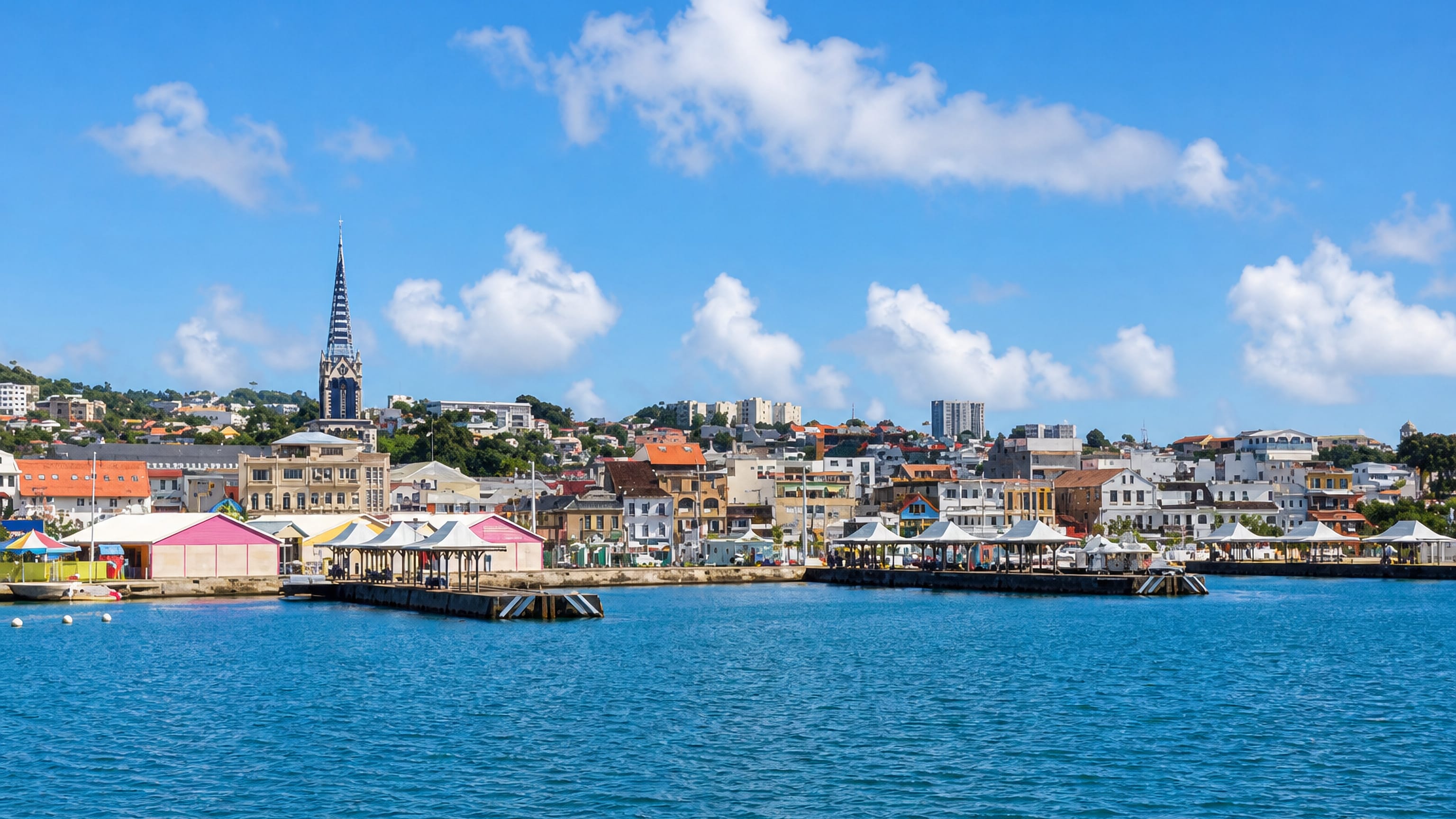
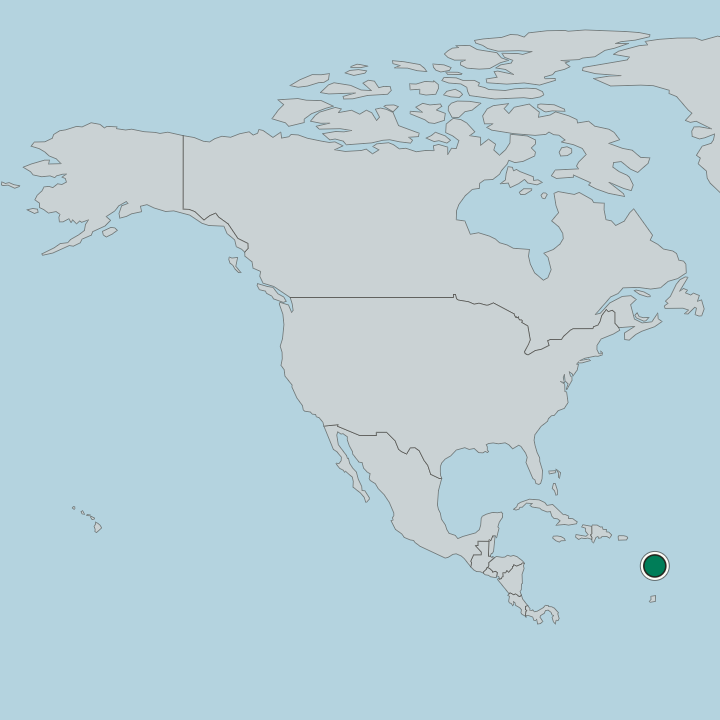
Fort-de-France is the capital of Martinique, a French island in the Caribbean, set on a great bay beneath green hills.
Hotel links are affiliate links: booking through them may earn us a commission, at no extra cost to you. It never affects how places are ranked. How this works


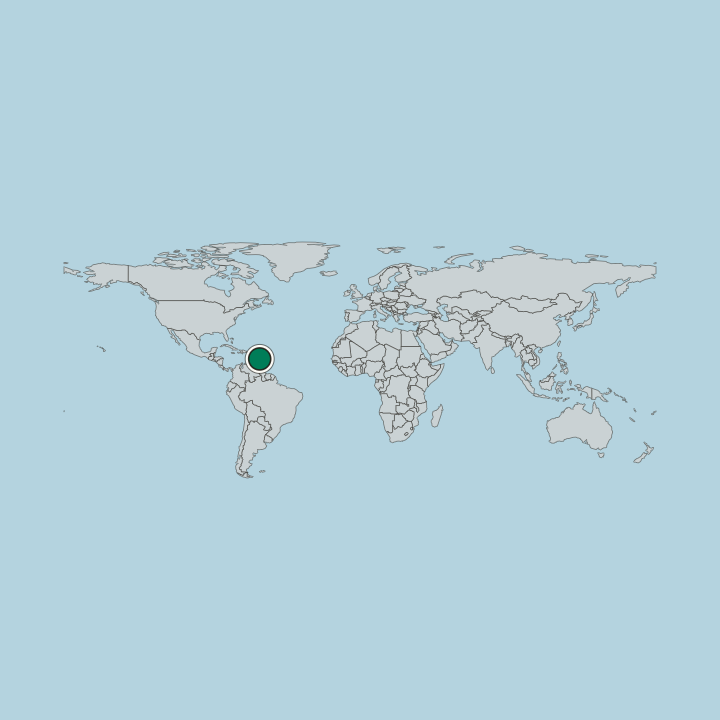
Where to stay in Fort-de-France
The practical side of choosing where to sleep.
Where you stay in Fort-de-France turns on the centre or the hills. The old streets around La Savane and the cathedral keep the fort, the library, and the markets within a walk, and staying downtown suits anyone here for the city. The waterfront fills with life by day.
Rooms sit near the bay and the park. Up in the green hills above, the suburbs spread into cooler, quieter ground. A room in the heights trades the harbour heat for breezes, gardens, and a view down over the bay.
The rainforest climbs close behind. If you want the fort and the markets, stay downtown; if you want the cool and the view, take a room in the hills. Either way, the bay is never far.
Find hotels in Fort-de-France
Direct booking searches for these neighbourhoods.
The centre
Around La Savane and the cathedral near the bay, within a walk of Fort Saint-LouisFind hotels in The centreCooler, quieter stays with a viewThe hills
Up in the green heights above the town, near the Balata Garden and the breezesFind hotels in The hillsHotel links are affiliate links: booking through them may earn us a commission, at no extra cost to you. It never affects how places are ranked. How this works
Things to do in Fort-de-France
Ranked by global recognition; descriptions from Wikidata (CC0).
Museums & Galleries
1- Musée régional d'histoire et d'ethnographie de Martinique
Churches & Religious Sites
4- Fort-de-France Cathedral Heritage
- Église du Sacré-Cœur de Balata Heritage
- église Notre-Dame-du-Rosaire de Fort-de-France Heritage
- Église Saint-Antoine-de-Padoue de Terres Sainville Heritage
Stadiums & Sports
2- Stade Pierre-Aliker
- Stade Louis Achille
Parks & Gardens
1- Balata Garden Heritage
Landmarks & Notable Places
2- Villa Primerose Heritage
- Résidence les Tourelles Heritage
worth knowingacross 5 categories in Fort-de-France
About Fort-de-France
Fort-de-France is the lively capital of Martinique.
What is Fort-de-France known for?
Its old fort and iron-laced buildings crowd the shore of a wide Caribbean bay, and the ornate Schœlcher Library stands among the palms of the central park. Fort Saint-Louis still guards the harbour from its point. Island and empire mingle here.
What are the main landmarks in Fort-de-France?
The Schœlcher Library is the pride of Fort-de-France. Its bright iron front and coloured dome stand among the palms of La Savane park, the loveliest sight in the city, near the great cathedral. The fort guards the bay.
Fort Saint-Louis juts into the harbour on its point, while the Statue of Empress Joséphine and the Balata Garden lie in and above the town.
What is the history of Fort-de-France?
Fort-de-France grew up around a fort. The French built Fort Saint-Louis on the bay in the seventeenth century to guard their sugar island, and a town spread below its walls. Sugar and slavery built the colony.
Martinique grew rich on cane worked by enslaved Africans, until the fight led by men like Victor Schœlcher won their freedom in the nineteenth century. The capital moved to the fort town after disaster. When the volcano of Mount Pelée destroyed the old capital of Saint-Pierre in 1902, killing thousands in minutes, Fort-de-France became the chief city of the island for good.
It grew into a modern Caribbean capital. Iron-framed buildings like the Schœlcher Library and the cathedral rose in the tropical heat, and a rich Creole culture filled its markets and streets. The Statue of Empress Joséphine recalls the island's imperial ties.
Fort-de-France still keeps its Creole life below the hills.
Where is Fort-de-France?
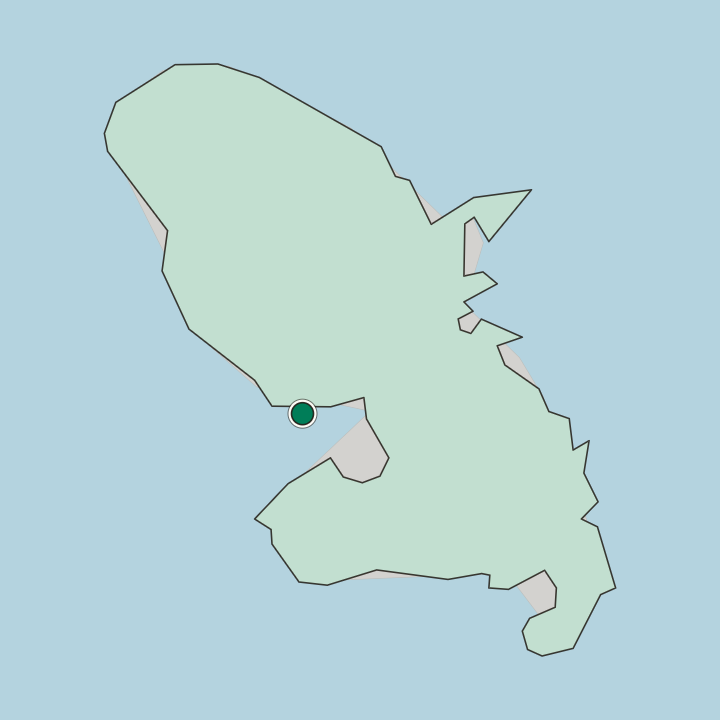
Fort-de-France lies on a wide bay of the Caribbean. The city spreads along the shore and up the green hills of western Martinique, below the volcanic peaks that run north toward Mount Pelée. Rainforest climbs the slopes above the town.
The blue bay opens wide to the sea.
What is the climate of Fort-de-France?
Fort-de-France has a warm tropical climate. The heat holds through the year on the coast, split between a wetter, stormy summer and a drier, breezier winter. Hurricanes can sweep the island in late summer.
The trade winds cool the town by day.
How do you get to Fort-de-France?
Fort-de-France holds the main harbour of Martinique. Cruise ships and ferries dock on its bay, and the island's airport lies a short way east, with flights from France and the Caribbean. Roads run north to Mount Pelée and south to the beaches.
Most arrive by air or by sea into the bay.
Common questions
What is the best area to stay in Fort-de-France?
The centre: Visitors here for the fort, library, and markets. The hills: Cooler, quieter stays with a view.
Good for
Updated September 2026