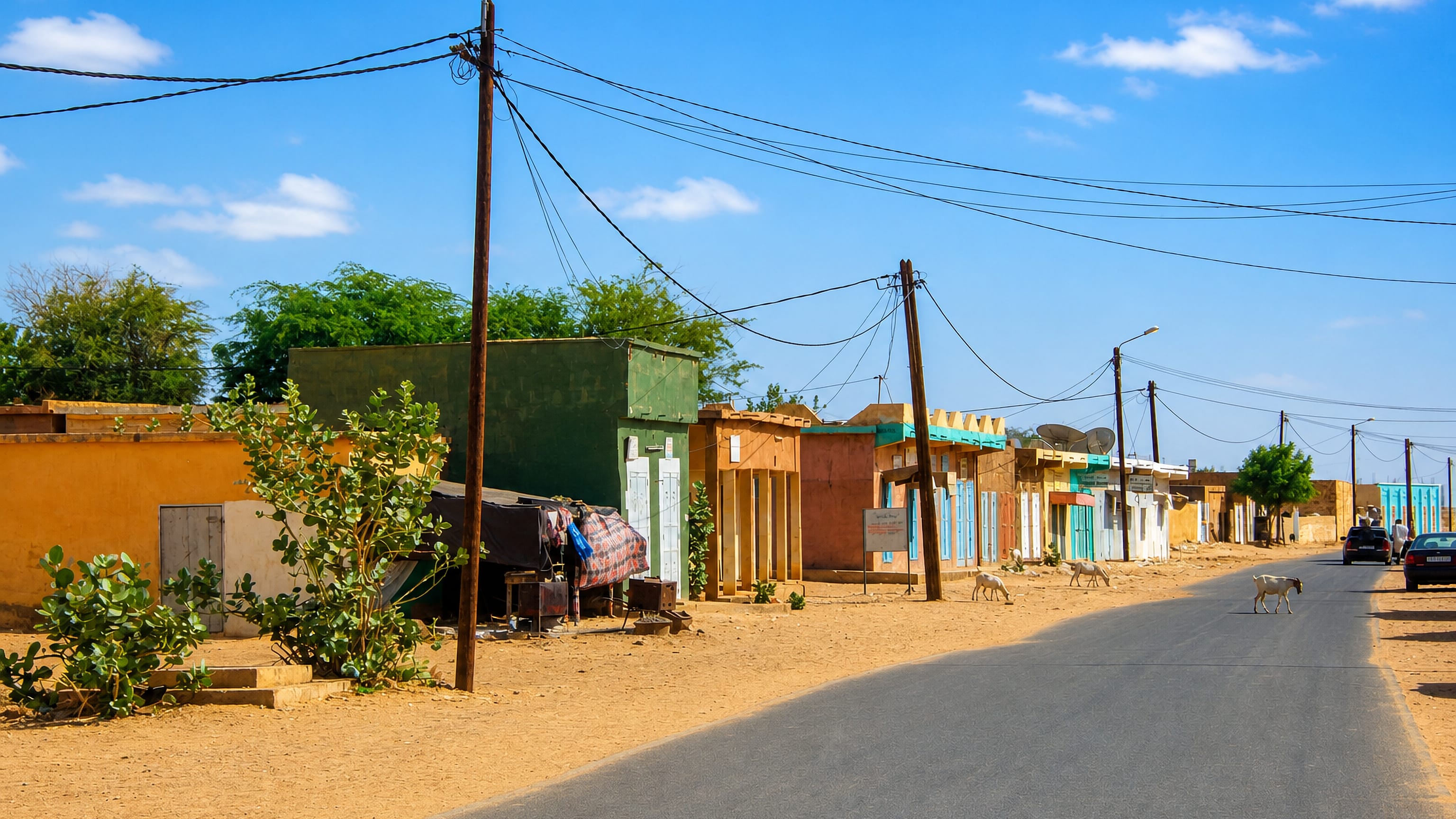
Mauritania · Assaba
Where to Stay in Kiffa, Assaba
Kiffa is a large town in the far south of Mauritania, capital of Assaba and the name of an administrative area inside the region.
Hotel links are affiliate links: booking through them may earn us a commission, at no extra cost to you. It never affects how places are ranked. How this works


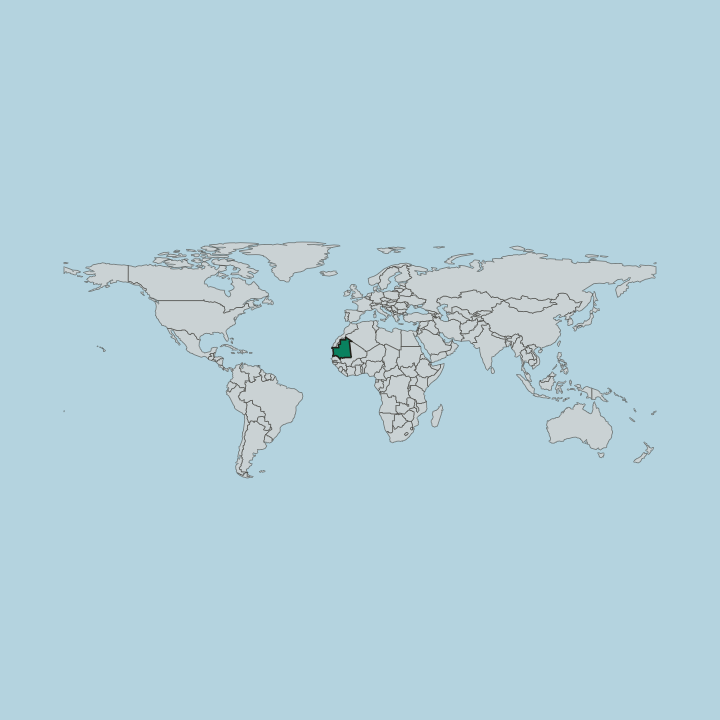
Where to stay in Kiffa
Where the beds are, and what that means for the visit.
Assaba gives visitors one obvious address. Kiffa carries the regional administration and the services that come with it, so a room here covers business anywhere in the region, from the Gorgol side in the west across to the Hodh El Gharbi boundary in the east. Guerou is the alternative.
It counts among Assaba's larger towns and earns a night when the day's work sits closer to it than to the capital, though that choice is about driving time rather than about what either place provides. Inside Kiffa the decision is practical rather than scenic. The town is the point the region's routes converge on, with Brakna and Tagant beyond the northern boundary of Assaba, Hodh El Gharbi off to the east and Gorgol and Guidimaka to the west, so a bed near that convergence beats one picked for any other reason.
Kiffa's evenings pass quietly. If you want a base that keeps the whole region within reach without a second move, Kiffa is the one that manages it; if the work runs south toward Mali, the length of the evening drive back is the thing to weigh.
Find hotels in Kiffa
Direct booking searches for these neighbourhoods.
Around Kiffa's regional offices
Kiffa holds the administration of Assaba, so a bed beside its regional offices spares the cross-town run at the start of every appointment.Find hotels in Around Kiffa's regional officesTime split between Kiffa and GuerouThe road out toward Guerou
Guerou is Assaba's other town of any size, so the edge of Kiffa that faces it saves an hour for anyone working in both.Find hotels in The road out toward GuerouJourneys continuing to the Mali frontierThe southern approach toward Mali
Assaba's southern boundary is the border with Mali, and the side of Kiffa turned that way is the practical base for anyone heading across it.Find hotels in The southern approach toward MaliHotel links are affiliate links: booking through them may earn us a commission, at no extra cost to you. It never affects how places are ranked. How this works
About Kiffa
What is Kiffa known for?
Kiffa is two things at once: a town, and an administrative area carrying its name inside Assaba, which is why the word turns up at two different scales on any map of the far south of Mauritania. Both senses are official. The region is run from here.
Guerou is the only other place in Assaba of comparable standing, and the distance between the two says most of what needs saying about how thinly the region is settled.
What are the main landmarks in Kiffa?
Kiffa's prominence is administrative, not architectural. Nothing in the record singles out a monument or a site here, and what a visitor meets instead is a working regional centre whose weight comes from the offices, the routes and the traffic that Assaba puts through it. The name is the marker.
Kiffa labels a town and an administrative area at the same time, a kind of standing that a map records even where no single building does.
What is the history of Kiffa?
Kiffa's beginnings carry no date in the record. What the record fixes instead is a position: a large town in the far south of Mauritania, the capital of Assaba, and the name of an administrative area within the region. The town lends the name; the area takes it.
That ordering is the clearest historical trace available here, since a district named after a settlement shows which of the two the administration treated as the anchor. The region's limits complete the picture. Assaba was drawn with Brakna and Tagant along its northern side, Hodh El Gharbi to the east, Gorgol and Guidimaka to the west and the frontier with Mali to the south, and Kiffa was named the capital of everything inside those lines.
Guerou stands in the same frame. It appears alongside Kiffa among the region's larger towns, which means the administrative map of Assaba rests on a small number of established places rather than on a dense network of smaller ones spread across the interior. Whatever came before that arrangement goes undated, yet the arrangement itself has held, and the town's standing within it has not moved.
Where is Kiffa?
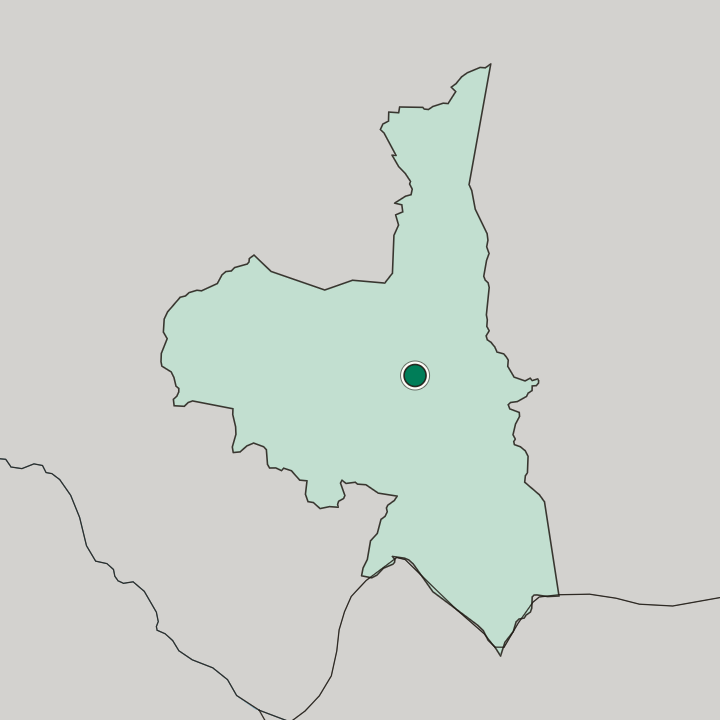
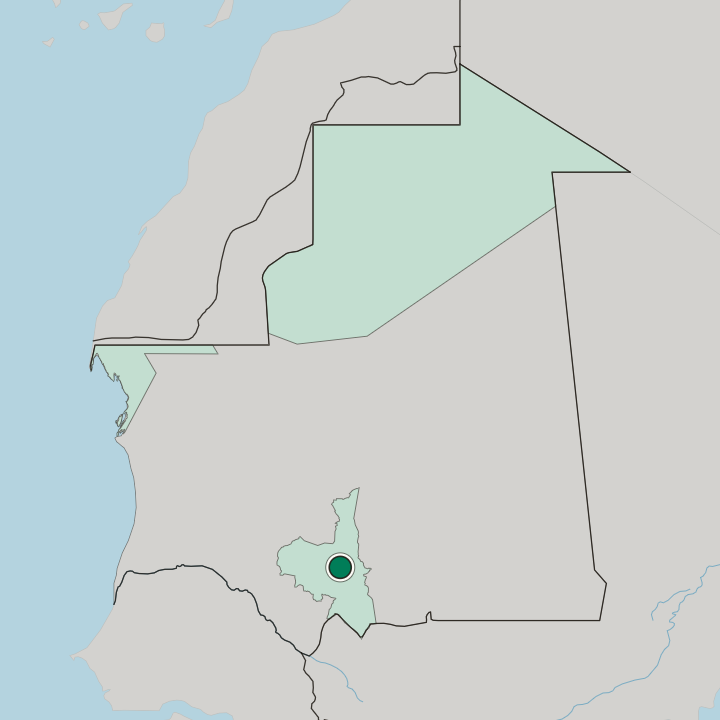
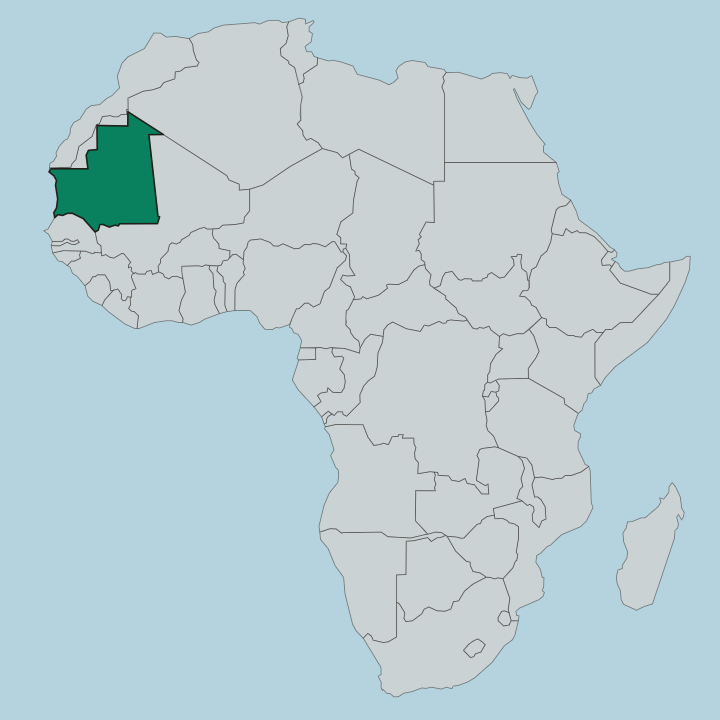
Kiffa stands in the far south of Mauritania, inland from any coast. Assaba surrounds it, with Brakna and Tagant north of the region, Hodh El Gharbi east, Gorgol and Guidimaka west, and Mali beyond the southern boundary. The scale is regional, not urban.
What lies outside the town is open country rather than suburb, and Guerou, the nearest place of similar standing, is far enough off to make the drive a commitment.
What is the climate of Kiffa?
Kiffa lies in the tropical band and well inside the continent. No sea reaches Assaba, so the town's days answer to open country rather than to any coastal influence, and the hours around midday do more to organise work and travel than the calendar manages. Mornings carry the traffic.
Anyone driving out toward Guerou or south toward Mali leaves early for that reason, and the return trip gets planned the same way.
How do you get to Kiffa?
Road is the only way in and out. Kiffa is reached overland from the regions framing Assaba, Brakna and Tagant from the north, Hodh El Gharbi from the east, Gorgol and Guidimaka from the west, with Mali lying beyond the southern boundary. Guerou is the intermediate stop.
It breaks the longer approaches across the region, and past it the run into Kiffa is the last stretch of a journey measured in hours rather than in towns passed.
Common questions
What is the best area to stay in Kiffa?
Around Kiffa's regional offices: Business with the Assaba administration. The road out toward Guerou: Time split between Kiffa and Guerou. The southern approach toward Mali: Journeys continuing to the Mali frontier.
Updated September 2026