Mexico · Estado de Aguascalientes
Where to Stay in Aguascalientes, Estado de Aguascalientes
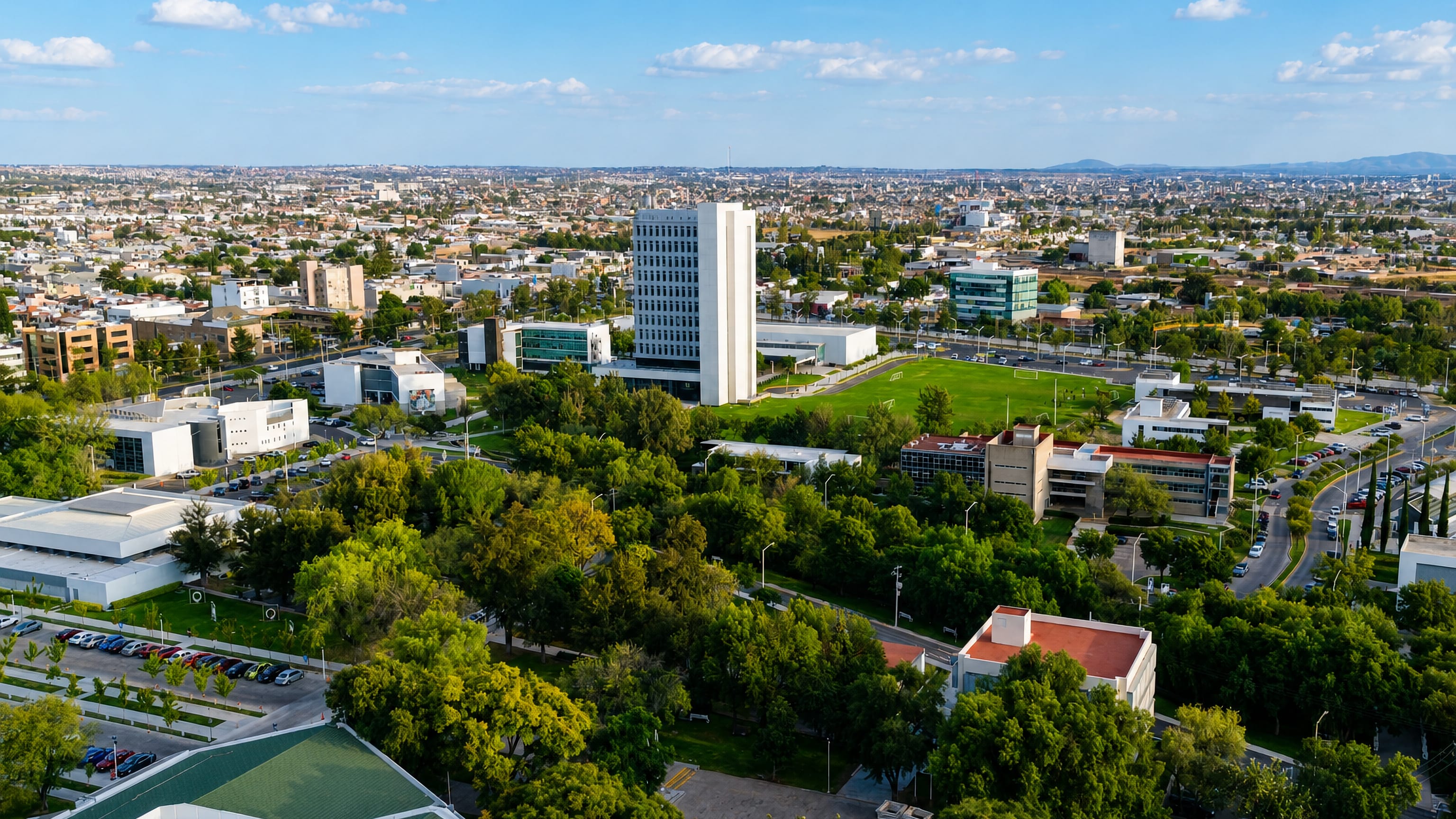
Aguascalientes is a colonial city in central Mexico, named for its hot springs and famous for its great spring fair.
Hotel links are affiliate links: booking through them may earn us a commission, at no extra cost to you. It never affects how places are ranked. How this works


Where to stay in Aguascalientes
The practical side of choosing where to sleep.
Choosing a room in Aguascalientes comes down to how near you want to sleep to the cathedral and the old core. The streets around the plaza and the cathedral keep the museums, the churches, and the San Marcos gardens within a walk, and staying downtown suits anyone here for the old city. The plaza fills with life in the cool evening.
Rooms sit near the square and the gardens. Out toward the newer districts and the highways, the city spreads into wide, modern avenues. A room away from the centre trades the old plaza for malls, parking, and an easy road out to the north.
The dry plateau opens past the edge. If you want the fair and the museums, stay downtown; if you want the road and the malls, take a room outside. Either way, the old centre is close at hand.
Find hotels in Aguascalientes
Direct booking searches for these neighbourhoods.
The centre
Around the plaza and the San Marcos gardens, within a walk of the cathedral and museumsFind hotels in The centreStays wanting malls and parking near the San Marcos fairNewer districts
Away from the centre near the ring roads, an easy road out to the northFind hotels in Newer districtsHotel links are affiliate links: booking through them may earn us a commission, at no extra cost to you. It never affects how places are ranked. How this works
Things to do in Aguascalientes
Ranked by global recognition; descriptions from Wikidata (CC0).
Museums & Galleries
3- Museum of José Guadalupe Posada Heritage
- Museo Regional de Aguascalientes Heritage
- Aguascalientes Museum
Churches & Religious Sites
3- Temple of Saint Anthony of Padua Heritage
- Templo de San Marcos, Aguascalientes Heritage
- Church of San José Heritage
Castles & Historic Sites
2- the exedra Heritage
- Monumento a Manuel M. Ponce
Stadiums & Sports
1- Gimnasio Olímpico
Landmarks & Notable Places
3- Castillo Douglas
- Nieto 430 house
- La Saturnina
worth knowingacross 5 categories in Aguascalientes
About Aguascalientes
Aguascalientes is known for its fair and its skeletons.
What is Aguascalientes known for?
Each spring the city fills for the San Marcos fair, the largest in Mexico, and it honours its native son José Guadalupe Posada, whose grinning skeletons gave the Day of the Dead its face. Hot springs bubble beneath the town that gave it its name. Festival and art mark the city.
What are the main landmarks in Aguascalientes?
The San Marcos gardens are the heart of Aguascalientes. Each spring the great fair fills the tree-lined grounds around the Templo de San Marcos, the liveliest sight in the city, near the old plaza. Skeletons haunt the museums.
The Museo José Guadalupe Posada keeps the engraver's grinning calaveras, and the National Museum of Death gathers the imagery of the dead, while the baroque cathedral crowns the square. The Aguascalientes Museum and the Temple of Saint Anthony of Padua stand nearby.
What is the history of Aguascalientes?
Aguascalientes grew up around its hot springs. The Spanish founded the city in the sixteenth century by the thermal waters that gave it its name, on the silver road north, and it became a resting place and market on the great route. A yearly fair drew the crowds.
The San Marcos fair, begun as a country market, grew over the centuries into the largest and most famous fair in all of Mexico. An engraver gave the city its lasting fame. Here was born José Guadalupe Posada, whose printed calaveras, grinning skeletons dressed as the living, became the enduring image of the Mexican Day of the Dead.
Death became an art here. The city keeps his work in the Museo José Guadalupe Posada and gathered a whole National Museum of Death, while its baroque cathedral rises over the plaza. Railways and factories made the modern city hum.
Aguascalientes still fills each spring for its great fair.
Where is Aguascalientes?
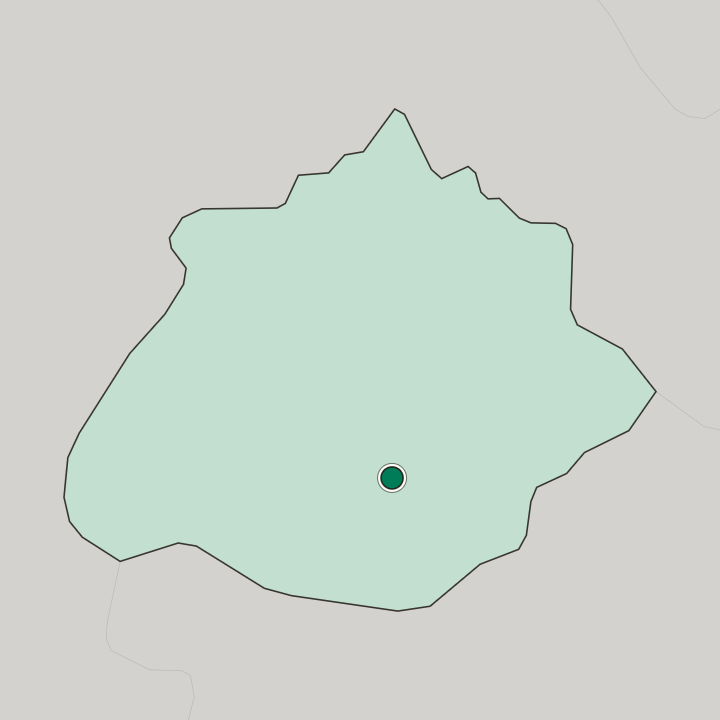
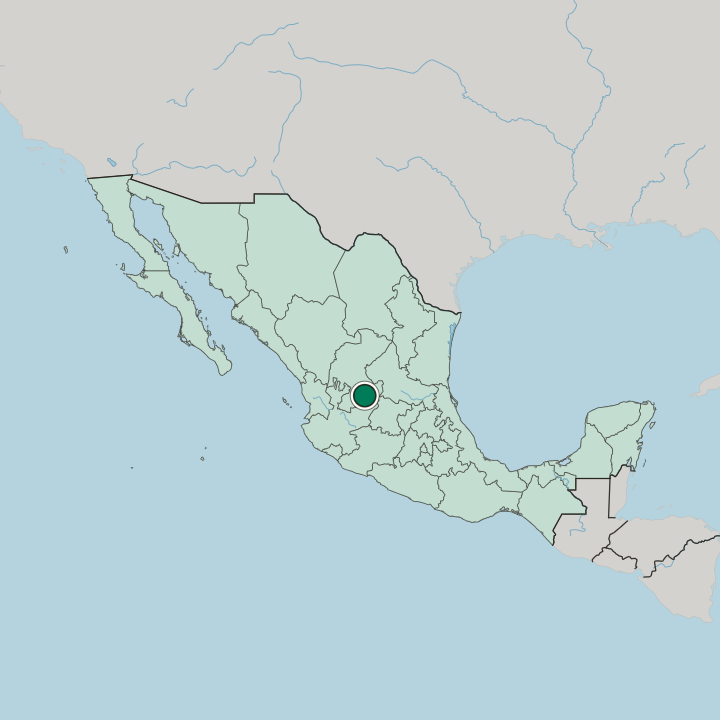
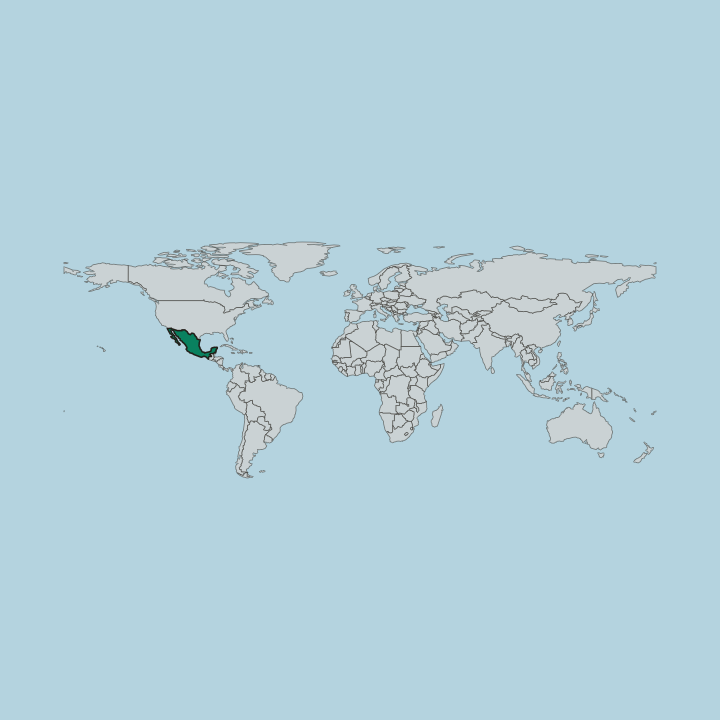
Aguascalientes lies on the high plateau of central Mexico. The city spreads across a broad, dry valley in the heart of the country, ringed by low hills and the ranges of the central highlands, over a plain of thermal springs. Dry brown hills rise around the plain.
The high tableland stretches wide beyond.
What is the climate of Aguascalientes?
Aguascalientes has a mild, dry highland climate. The great altitude keeps the days warm and the nights cool through the year, and a short rainy season brings green to the valley in summer. Little rain falls the rest of the year.
The high plateau stays sunny and dry.
How do you get to Aguascalientes?
Aguascalientes lies on the high road through central Mexico. Highways and rail lines cross the plateau here between the capital and the north, and the city's airport links it to the wider country. Buses reach the towns of the plateau around.
Most arrive by road or air across the highlands.
Common questions
What is the best area to stay in Aguascalientes?
The centre: Visitors here for the fair, museums, and churches. Newer districts: Stays wanting malls and parking near the San Marcos fair.
Good for
Updated September 2026