Mexico · Estado de Baja California
Where to Stay in Tijuana, Estado de Baja California
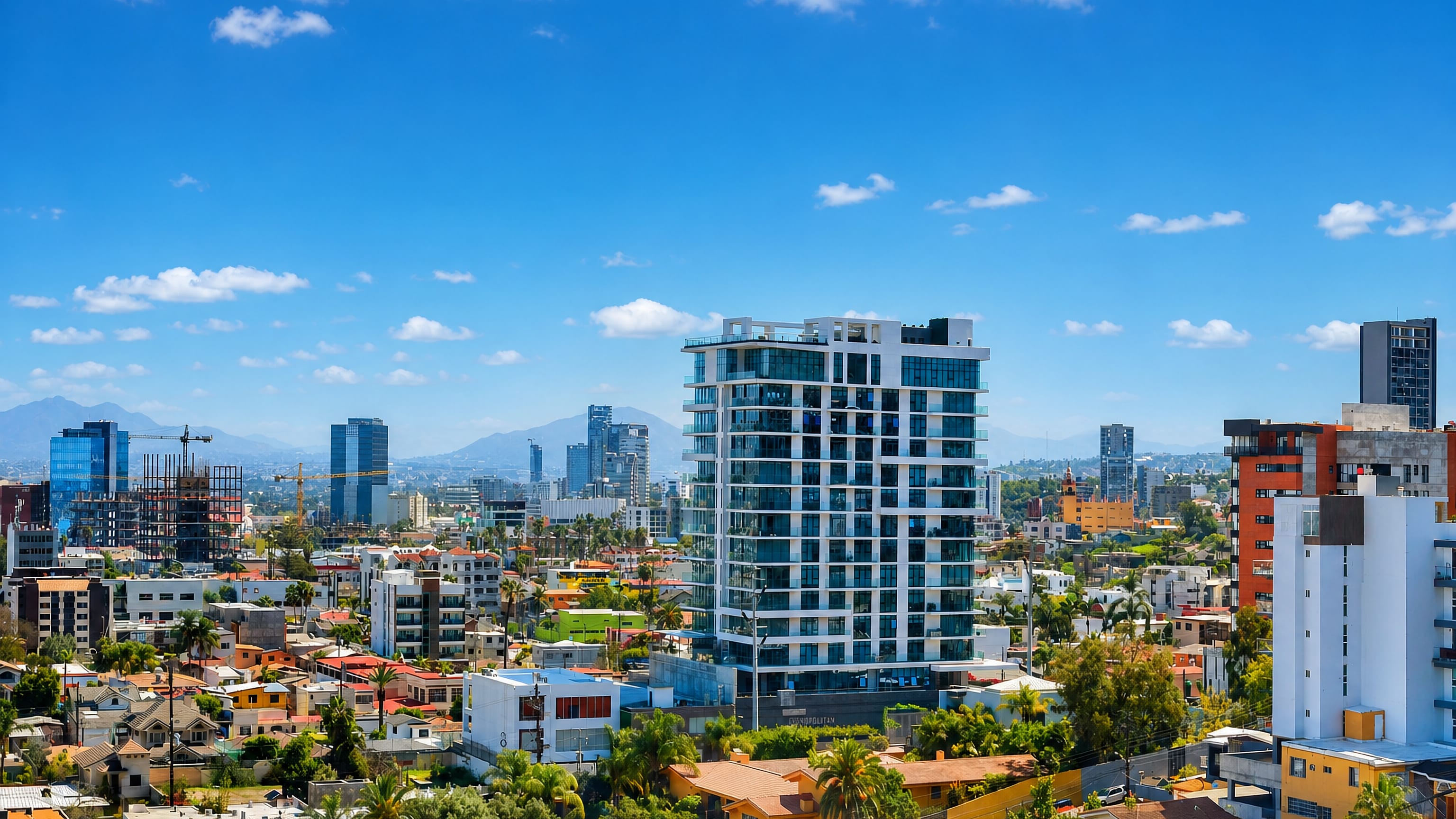
Tijuana rises against the border hills of Baja California, a Pacific city known for the Centro Cultural Tijuana and its crossing with San Diego.
Hotel links are affiliate links: booking through them may earn us a commission, at no extra cost to you. It never affects how places are ranked. How this works


Where to stay in Tijuana
One neighbourhood here has its own guide — here's what it is best for.
 TijuanaMexico
La Mesa
La Mesa is a borough of the municipality of Tijuana, in Baja California, and the record gives it no listed sites of its own.Where to stay →Hotel links are affiliate links: booking through them may earn us a commission, at no extra cost to you. It never affects how places are ranked. How this works
Find hotels in Tijuana
Direct booking searches for these neighbourhoods.
Tijuana old core
The historic centre of Tijuana around the Zócalo 11 de Julio and the Museo de Historia de Tijuana, within walking reach of the San Diego crossing.Find hotels in Tijuana old coreArts-district stays near the Centro Cultural TijuanaZona Río, Tijuana
The broad-avenue river district of Tijuana gathering the Centro Cultural Tijuana, its El Cubo hall, and the Museo de las Californias.Find hotels in Zona Río, TijuanaHotel links are affiliate links: booking through them may earn us a commission, at no extra cost to you. It never affects how places are ranked. How this works
Things to do in Tijuana
Ranked by global recognition; descriptions from Wikidata (CC0).
Museums & Galleries
3- Centro Cultural Tijuana
- Museo de las Californias
- El Cubo
Castles & Historic Sites
1- Zócalo 11 de Julio
worth knowingacross 2 categories in Tijuana
About Tijuana
What is Tijuana known for?
Tijuana is known as the most populous city of Baja California and the largest in northern Mexico, set on the northwestern Pacific Coast. The border defines it. Pressed against the Mexico-United States line just south of San Diego, Tijuana is known for the Centro Cultural Tijuana with its El Cubo hall, the crossing at the heart of the San Diego-Tijuana metro area, and its arts and culinary life.
What are the main landmarks in Tijuana?
Tijuana concentrates its landmarks in the Zona Río and the old centre. The great sphere marks it. The Centro Cultural Tijuana holds the domed El Cubo and the Museo de las Californias in the river district, while the Museo de Historia de Tijuana, the Museo de Cera de Tijuana, and the Museo de la Lucha Libre Mexicana gather the city's museums near the Zócalo 11 de Julio in Baja California.
What is the history of Tijuana?
Tijuana was founded in 1889 as a small settlement on the northwestern Pacific Coast, close to the Mexico-United States border in Baja California. The line shaped it from the start. Its early reputation as a border town drew visitors from San Diego across the crossing, and over the following century the settlement spread from that gate into the largest city of northern Mexico and the hub of its metropolitan area.
The Museo de Historia de Tijuana and the Museo de las Californias inside the Centro Cultural Tijuana now record that long crossing story, from the frontier town to the modern municipal seat. Standing at the head of the San Diego-Tijuana metro area, the city built the cultural and culinary life for which it is known. From a border outpost of 1889, Tijuana became the busiest gate on the whole Pacific frontier of Baja California.
Where is Tijuana?
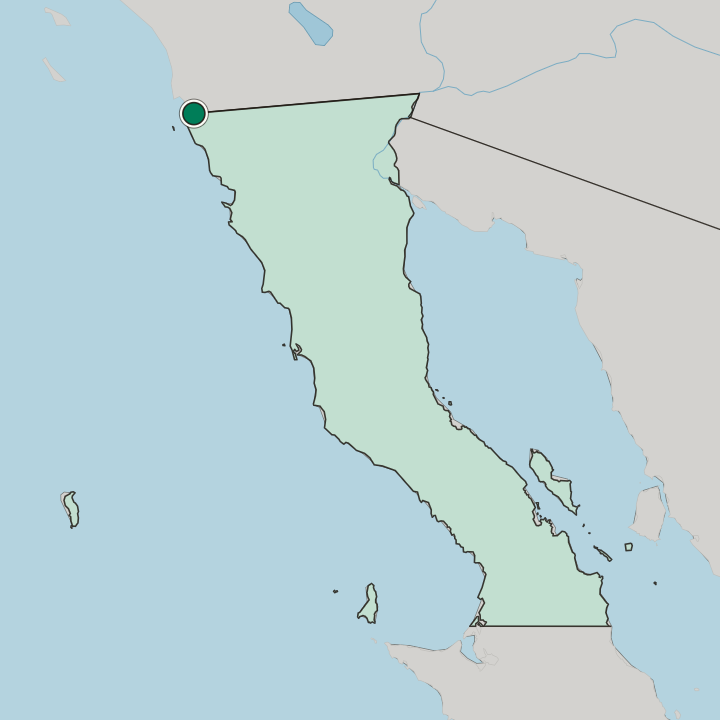
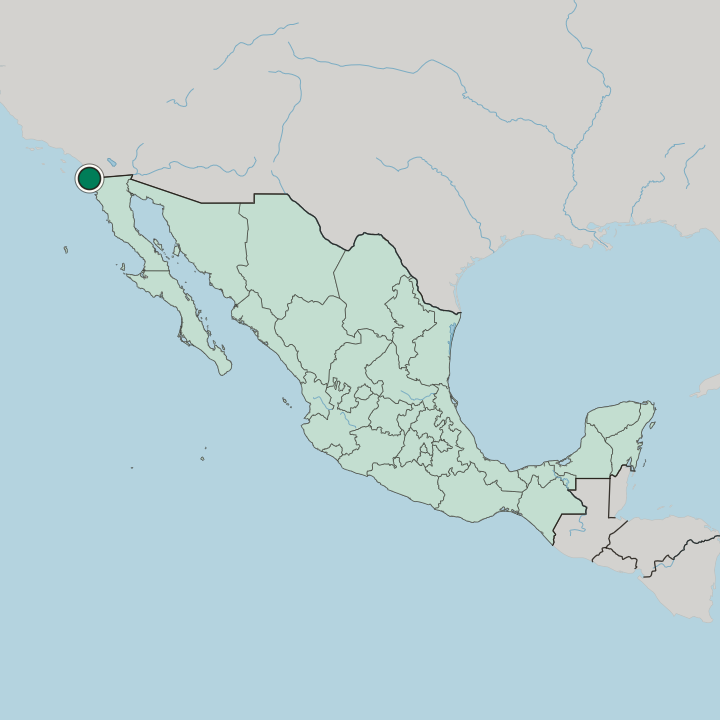
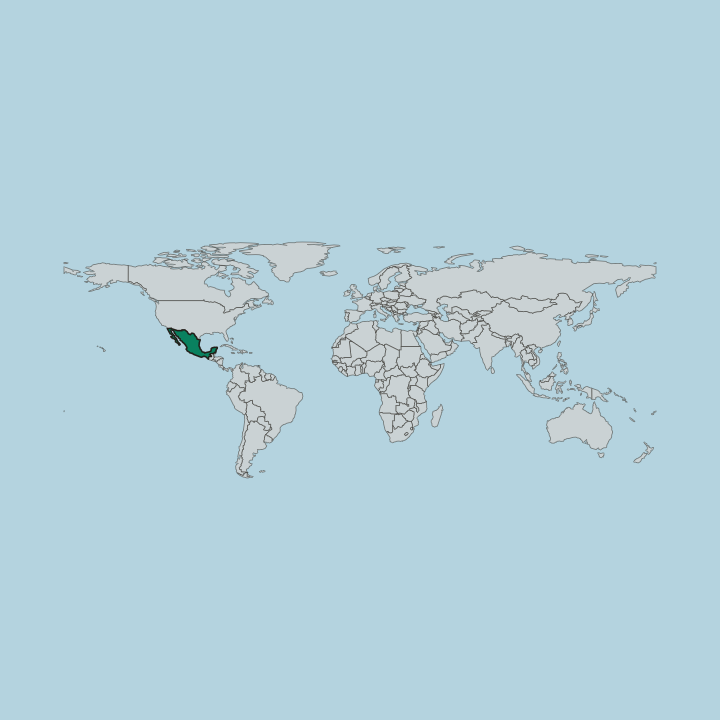
Tijuana lies on the northwestern Pacific Coast of Baja California, right against the Mexico-United States border just south of San Diego. Dry hills fold around it. The city climbs a set of ridges and canyons above its river valley, spreading inland from the coast toward the border line that ties it to the San Diego-Tijuana metro area.
What is the climate of Tijuana?
Tijuana has a mild, dry subtropical climate cooled by the Pacific. Rain stays scarce. Most of it falls in the cooler winter months over the coast of Baja California, while long dry summers keep the surrounding hills brown and warm, the sea air softening the heat along the northwestern Pacific Coast.
How do you get to Tijuana?
Tijuana is reached most often on foot or by car across the Mexico-United States border from San Diego. The crossing is the main door. The city's international airport links directly to a terminal on the United States side by a footbridge over the line, and highways run east along the border and south down the Pacific Coast of Baja California from the San Diego-Tijuana metro area.
Common questions
What is the best area to stay in Tijuana?
Tijuana old core: Border-crossing stays near the Zócalo 11 de Julio. Zona Río, Tijuana: Arts-district stays near the Centro Cultural Tijuana.
Good for
More cities in Estado de Baja California
Updated September 2026