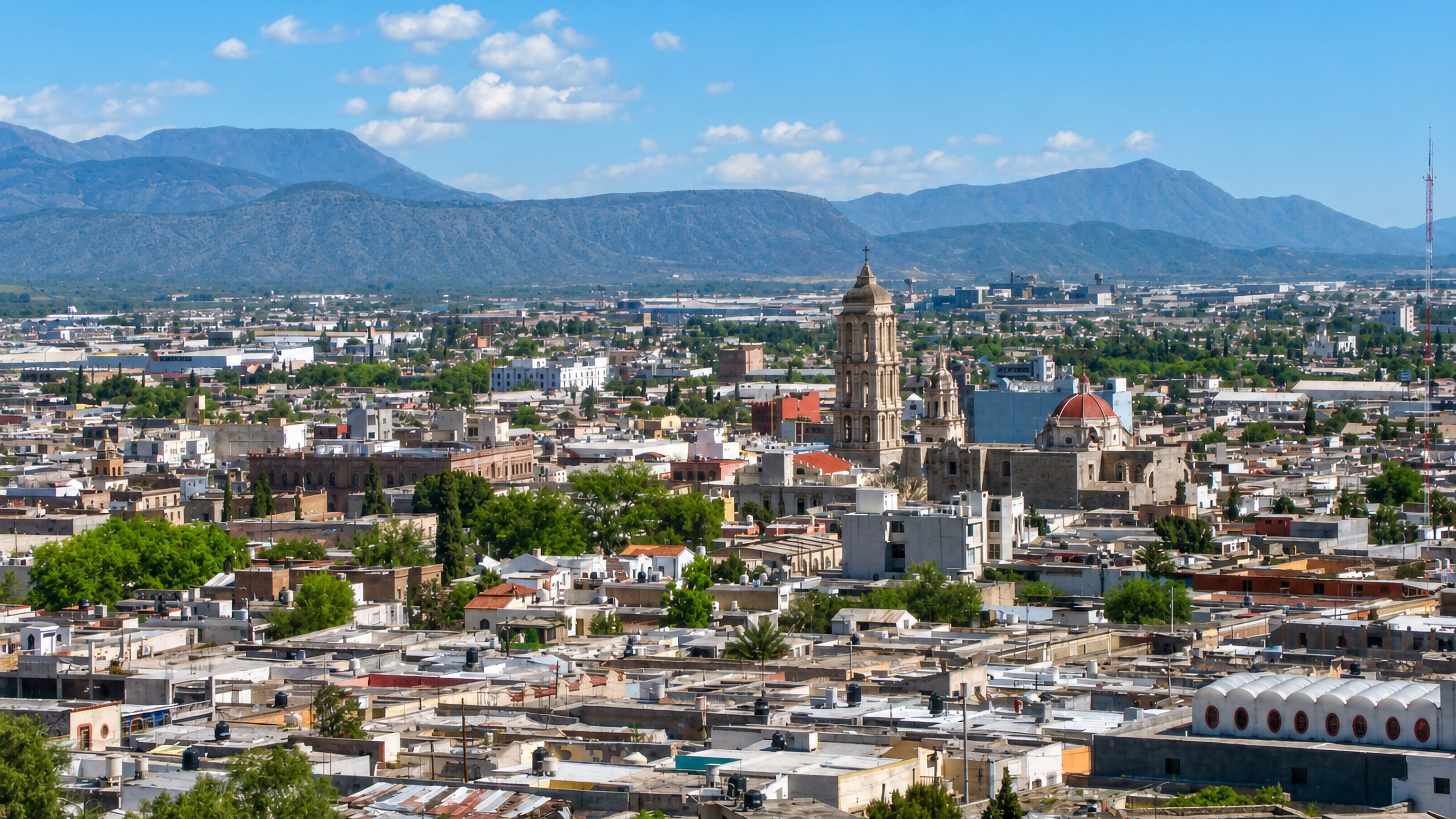
Mexico · Estado de Coahuila de Zaragoza
Where to Stay in Saltillo, Estado de Coahuila de Zaragoza
Saltillo is the capital of Coahuila in northern Mexico, a highland desert city known for its cathedral and its sarapes.
Hotel links are affiliate links: booking through them may earn us a commission, at no extra cost to you. It never affects how places are ranked. How this works


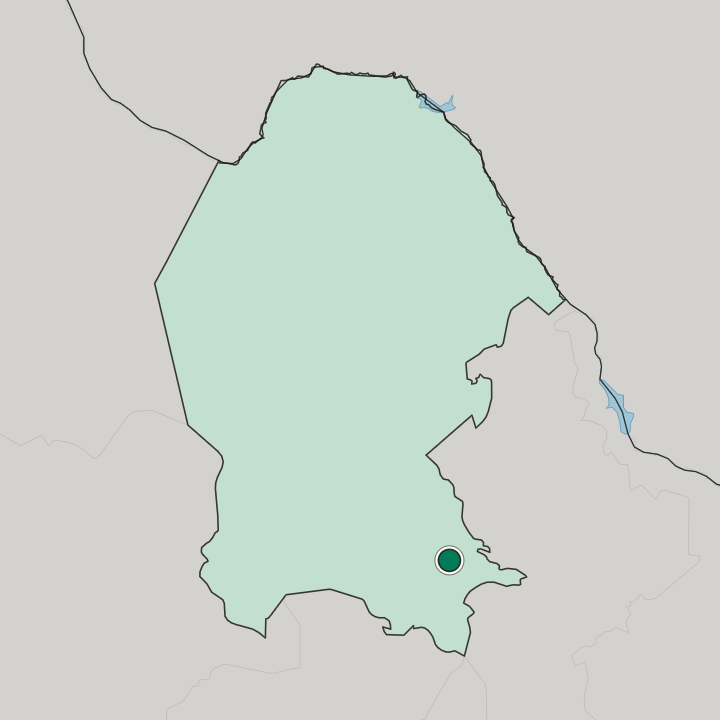
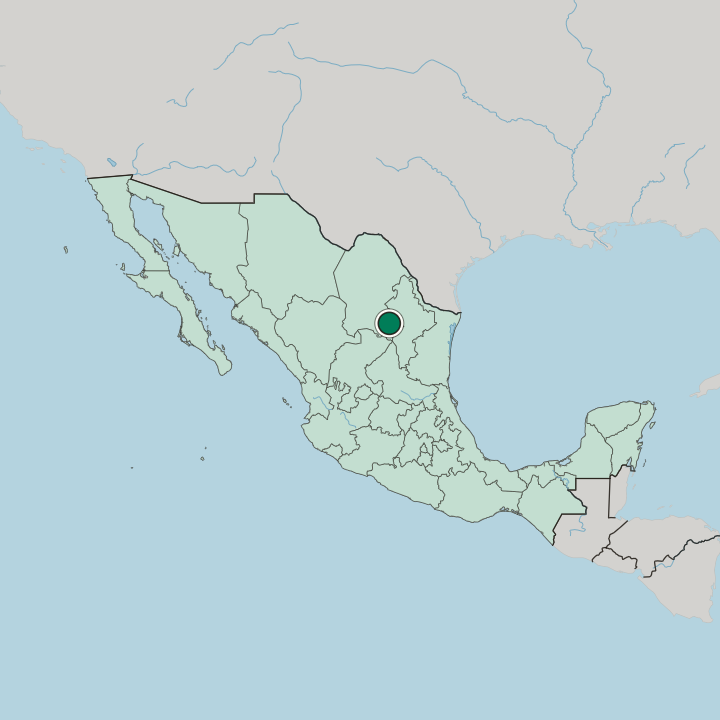
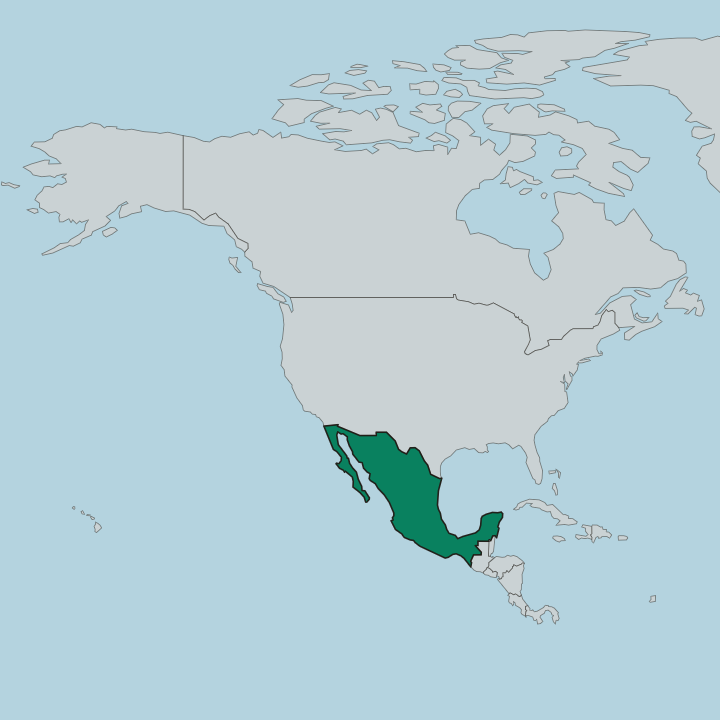
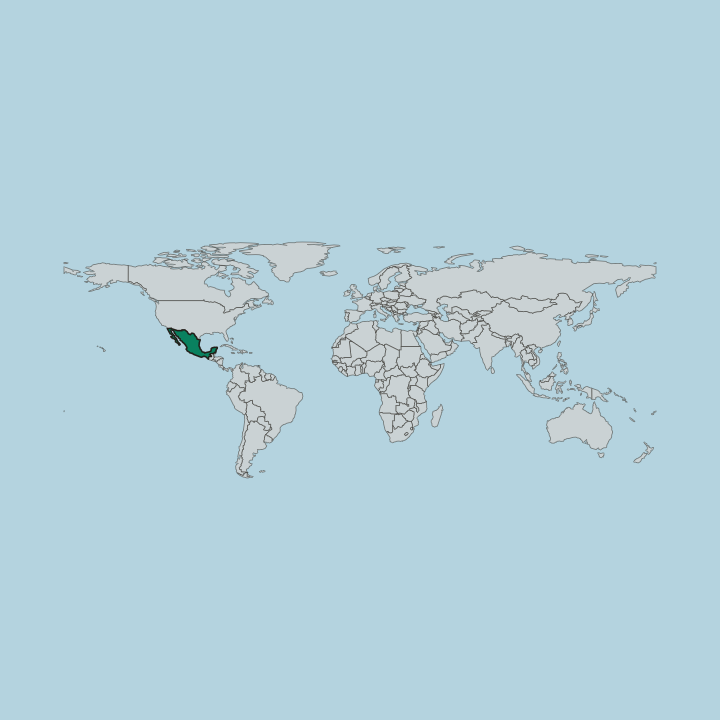
Where to stay in Saltillo
The right area depends on your trip — here's what each neighbourhood is best for.

 SaltilloMexico
Zapalinamé
Zapalinamé is a district of Saltillo, in Coahuila, and it takes its name from the Sierra de Zapalinamé, a mountain range recorded across the same state.Where to stay → SaltilloMexico
San José de los Cerritos
San José de los Cerritos is a district of the city of Saltillo, in the Mexican state of Coahuila de Zaragoza.Where to stay →SaltilloMexicoCerro del Pueblo
Cerro del Pueblo is a district recorded under Saltillo, the Coahuila city that carries its address.Where to stay →Hotel links are affiliate links: booking through them may earn us a commission, at no extra cost to you. It never affects how places are ranked. How this works
Find hotels in Saltillo
Direct booking searches for these neighbourhoods.
The old centre
Around the Cathedral of Santiago and the main plaza, within a walk of the marketFind hotels in The old centreStays that want a car park, elbow room, and the Monterrey highwayNewer districts
Away from the centre toward the highway, an easy road to MonterreyFind hotels in Newer districtsHotel links are affiliate links: booking through them may earn us a commission, at no extra cost to you. It never affects how places are ranked. How this works
Things to do in Saltillo
Ranked by global recognition; descriptions from Wikidata (CC0).
Museums & Galleries
3- Desert Museum
- Birds Museum of Mexico
- Museo del Sarape y Trajes Mexicanos
Churches & Religious Sites
2- St. James Cathedral, Saltillo
- Iglesia del Santo Cristo del Ojo de Agua
Castles & Historic Sites
1- Candelaria Cave
worth knowingacross 3 categories in Saltillo
About Saltillo
Saltillo is an old colonial city of the northern desert.
What is Saltillo known for?
Its baroque cathedral, carved in pale stone, rises over the main square, the town is famous for the bright woven blankets called sarapes, and a great desert museum guards the dinosaurs of Coahuila. Poets and scholars gave it a name for learning. Craft and stone mark the town.
What are the main landmarks in Saltillo?
The Cathedral of Santiago crowns the heart of Saltillo. Its finely carved baroque front, among the best in the north, rises over the main plaza, the emblem of the city, in the old centre. Museums fill the town.
The Museo del Sarape shows the bright woven blankets, while the Desert Museum guards the dinosaurs and cactus of Coahuila and the colonial streets frame the square.
What is the history of Saltillo?
Saltillo was founded as a Spanish town on the northern frontier. The Spanish laid it out in 1577 as one of the first towns of the far north, a base on the road to the silver mines and the wild lands beyond, and it became the chief town of a vast desert province. Tlaxcalan settlers came to farm.
The crown brought loyal native families from the south to settle beside the town and hold the frontier, and their weavers helped make the famous Saltillo sarape. The town grew into a city of learning. In time Saltillo became known as a centre of schools and letters, an Athens of the north, and grand churches and colleges rose around its square.
History passed through its streets. It was briefly the capital of a great border state and saw the armies of more than one war, but its old cathedral and colonial centre survived. The sarape is still woven here.
Saltillo guards its cathedral and its craft in the desert.
Where is Saltillo?
Saltillo lies in a high desert valley of northern Mexico. The city sits over fifteen hundred metres up where the dry Coahuila plateau meets the ranges of the Sierra Madre, in a land of scrub, cactus, and bare brown hills. Dry mountains rise around the town.
The desert plateau stretches away to the north.
What is the climate of Saltillo?
Saltillo has a dry highland desert climate. Warm days and cool nights mark the long summer on the plateau, and the winters turn cold with frost and the odd snow, with little rain in any season. Dust blows across the dry valley.
The desert air stays clear and cool.
How do you get to Saltillo?
Saltillo lies in the highlands just south of Monterrey. Highways and rail run to it across the desert from Monterrey and toward the centre of Mexico, and the city has its own airport. Buses reach the desert towns around.
Most arrive by road from Monterrey.
Common questions
What is the best area to stay in Saltillo?
The old centre: Visitors here for the Cathedral of Santiago and the Museo del Sarape. Newer districts: Stays that want a car park, elbow room, and the Monterrey highway.
Good for
More cities in Estado de Coahuila de Zaragoza
Updated October 2026