Mexico · Estado de Morelos
Where to Stay in Cuernavaca, Estado de Morelos
Cuernavaca is the capital of Morelos in central Mexico, an old garden city of mild weather long known as the City of Eternal Spring.
Hotel links are affiliate links: booking through them may earn us a commission, at no extra cost to you. It never affects how places are ranked. How this works


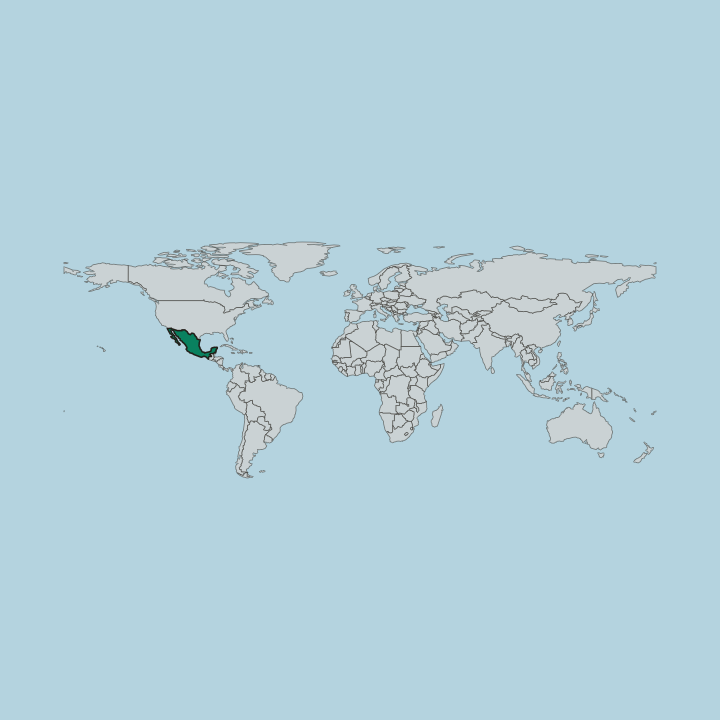
Where to stay in Cuernavaca
Where visitors usually base themselves, and why.
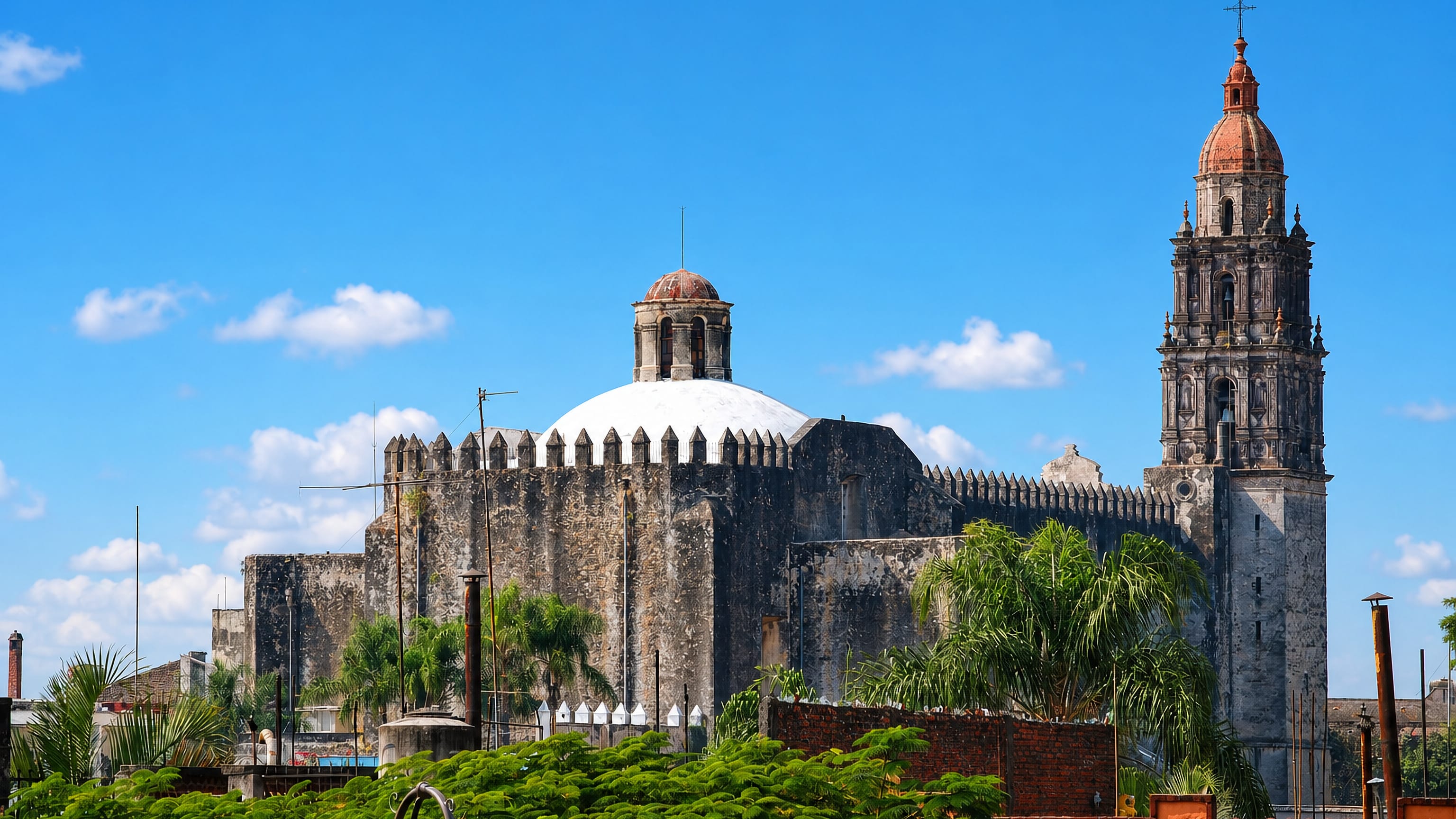
Where you stay in Cuernavaca turns on the old centre or the garden quarters. The streets around the cathedral keep the palace, the plazas, and the gardens within a walk, and staying downtown suits anyone here for the old town. The cathedral rises over the square.
Gardens fill the courtyards. Out toward the leafy quarters and the ravines, the centre gives way to walled gardens, villas, and green slopes. A room in the gardens trades the streets for the shady terraces, the swimming pools, and the warm valley air.
Green ravines cut below. Stay downtown for the palace, or in the gardens for the quiet. The cathedral square is only a short way back up the slope.
Find hotels in Cuernavaca
Direct booking searches for these neighbourhoods.
The old centre
Around the cathedral and the Palace of CortésFind hotels in The old centreStays wanting the gardens and poolsThe garden quarters
Out in the leafy ravinesFind hotels in The garden quartersHotel links are affiliate links: booking through them may earn us a commission, at no extra cost to you. It never affects how places are ranked. How this works
Things to do in Cuernavaca
Ranked by global recognition; descriptions from Wikidata (CC0).
Museums & Galleries
2- Museo Fotográfico de Cuernavaca
- Museo de la Ciudad de Cuernavaca
Churches & Religious Sites
2- Cuernavaca Cathedral Heritage
- iglesia de Tlaltenango
Castles & Historic Sites
1- Teopanzolco
worth knowingacross 3 categories in Cuernavaca
About Cuernavaca
Cuernavaca is the city of eternal spring.
What is Cuernavaca known for?
In a green valley below the volcanoes just south of the capital, it has drawn people for its mild warm weather since the days of the Aztecs, and it keeps the old Palace of Cortés with its Diego Rivera murals, a great Franciscan cathedral of the sixteenth century, the Aztec pyramid of Teopanzolco, and the walled gardens that give the town its green. The gardens fill the valley. Warm air holds all year.
What are the main landmarks in Cuernavaca?
The Palace of Cortés stands at the heart of Cuernavaca. The old stone palace that the conqueror built after the fall of the Aztecs, now a museum bright with Diego Rivera murals, rises over the town, the emblem of the city, above the square. A pyramid stands nearby.
The Aztec pyramid of Teopanzolco rises among the streets, while the Franciscan cathedral, the Borda gardens, and the green ravines mark the town around Cuernavaca.
What is the history of Cuernavaca?
Cuernavaca was a garden city of the Aztecs. The Tlahuica people built a town here in the warm valley, and the Aztec lords took it for its mild air and its gardens, drawing tribute of cotton and flowers from the slopes. The Spanish took the valley.
Hernán Cortés seized the town after the conquest and built himself a palace here, and Franciscan friars raised one of the first great cathedrals of Mexico. The mild air drew the powerful. Through the centuries the warm weather brought emperors, rulers, and the rich of Mexico City to build gardens and villas in the town, and Cuernavaca became a green retreat from the cold capital.
It kept its eternal spring. Around its old cathedral and the Palace of Cortés the city spread among gardens and ravines, keeping its warm valley air and its Aztec pyramid through the years. The gardens still fill the town.
Cuernavaca keeps its palaces and its gardens below the volcanoes.
Where is Cuernavaca?
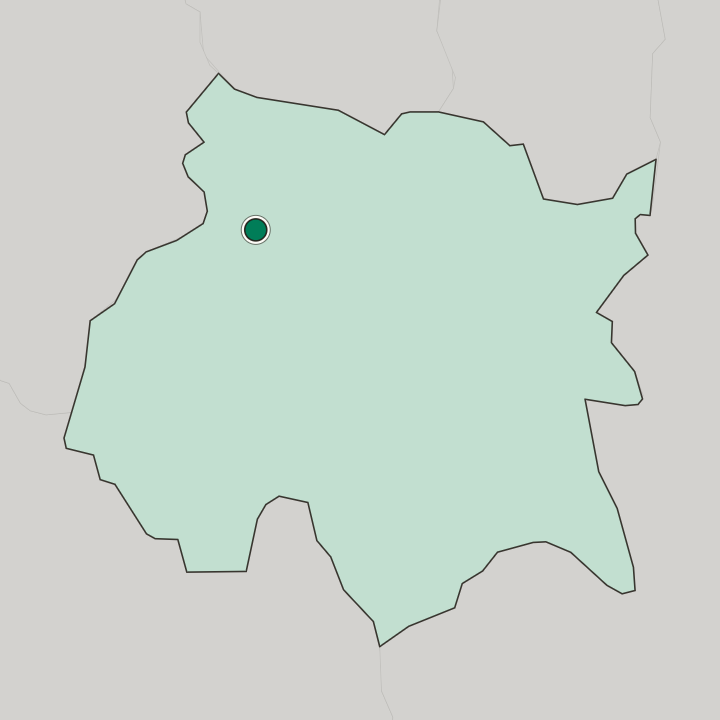
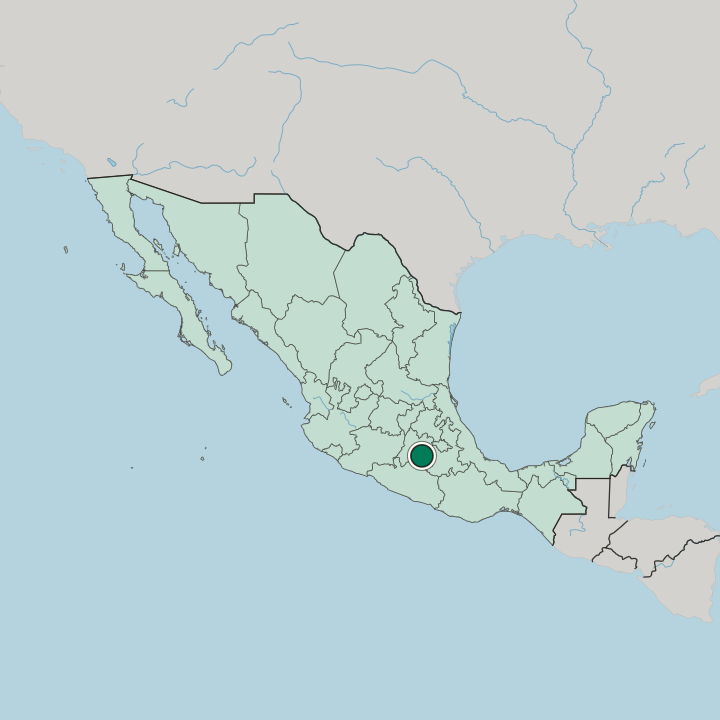
Cuernavaca lies in the north of Morelos in central Mexico, in a warm valley below the high volcanoes. The city sits on green slopes that fall away south from the cold plateau of Mexico City, sheltered and mild, with the great peaks of Popocatépetl and the Ajusco rising to the north. Green ravines cut the slopes.
The warm valley falls to the south.
What is the climate of Cuernavaca?
Cuernavaca has a mild, spring-like climate all year. Warm days and cool nights hold in every season, milder than the cold highland above, with a green rainy summer and a dry, sunny winter. The air stays soft and warm.
Flowers bloom the whole year.
How do you get to Cuernavaca?
Cuernavaca lies just south of Mexico City, over the mountains on the road to Acapulco. Buses and the highway run to it down from the capital over the high pass, and roads run on south to the warm country. Lanes wind through the gardens.
Mexico City lies north over the peaks.
Common questions
What is the best area to stay in Cuernavaca?
The old centre: Visitors here for the palace and cathedral. The garden quarters: Stays wanting the gardens and pools.
Good for
Another city in Estado de Morelos
Updated September 2026