Mexico · Estado de Oaxaca
Where to Stay in Oaxaca, Estado de Oaxaca
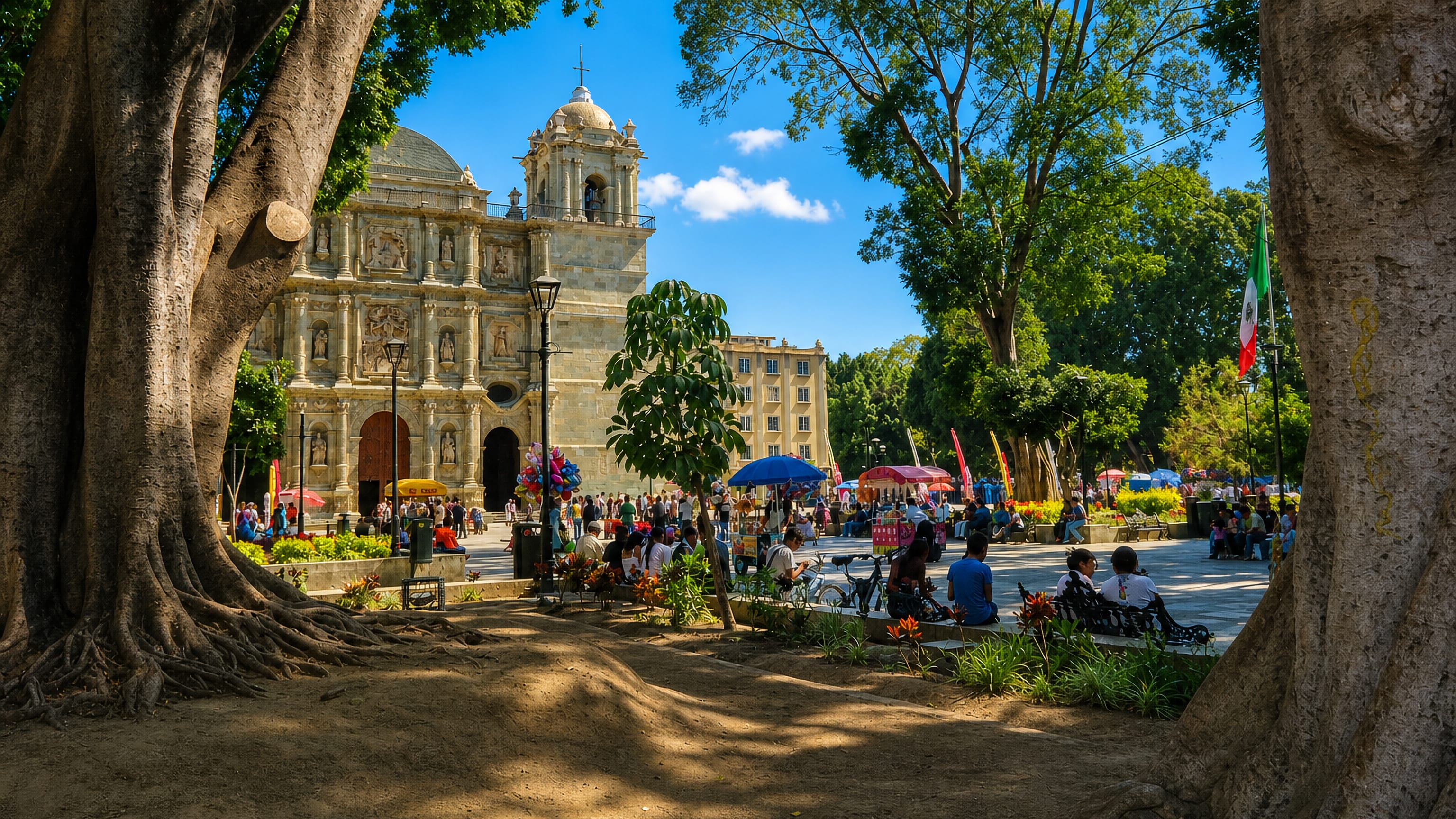
Stone churches line the old streets of Oaxaca, a colonial city in Estado de Oaxaca known for the Church of Santo Domingo de Guzmán.
Hotel links are affiliate links: booking through them may earn us a commission, at no extra cost to you. It never affects how places are ranked. How this works


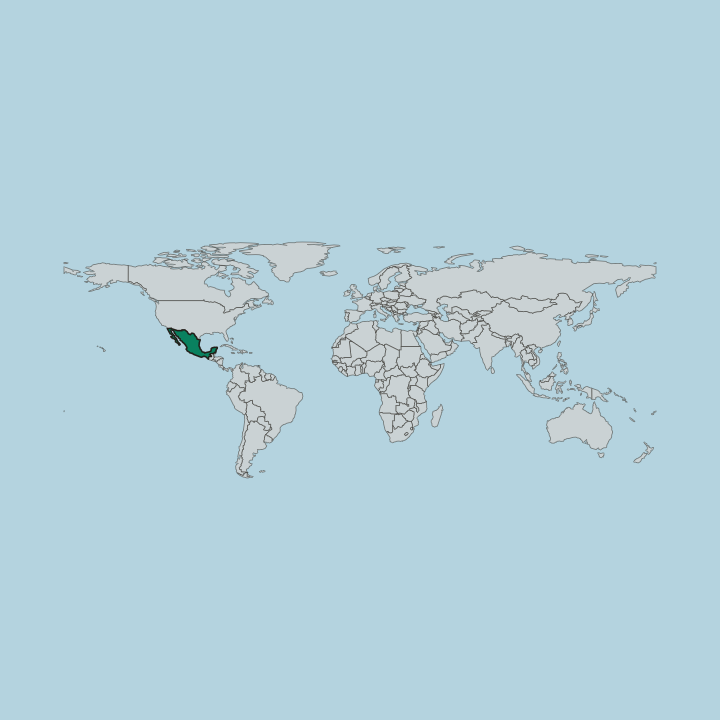
Where to stay in Oaxaca
The practical side of choosing where to sleep.
Oaxaca keeps most of its lodging in the old core, and where you stay in the colonial city turns on how close you want to be to the churches and museums of the centre. The blocks by the Church of Santo Domingo de Guzmán hold the widest choice. Hotels and guesthouses fill the streets around the Church of Santo Domingo de Guzmán and the Cathedral of Our Lady of the Assumption, within walking reach of the museums, and this quarter suits first-time visitors who want the historic heart on their doorstep.
The craft streets run quieter. Around the Museo Textil de Oaxaca and the Graphic Arts Institute of Oaxaca the blocks keep a calmer feel while staying close to the sights, useful if you want the workshops and galleries over the busiest corners. Beds thin toward the edges.
Out past the Basilica of Our Lady of Solitude the streets give way to workaday districts with fewer rooms, better for a longer or cheaper stay than a short first visit. Plan on the Santo Domingo core for the fullest range.
Find hotels in Oaxaca
Direct booking searches for these neighbourhoods.
The core by the Church of Santo Domingo de Guzmán
Streets around the Church of Santo Domingo de Guzmán and the Cathedral of Our Lady of the Assumption hold the widest choice, close to the museums on foot.Find hotels in The core by the Church of Santo Domingo de Guzmánweaving and printmaking workshopsThe craft streets by the Museo Textil de Oaxaca
Calmer blocks around the Museo Textil de Oaxaca and the Graphic Arts Institute of Oaxaca, close to the region's workshops and galleries.Find hotels in The craft streets by the Museo Textil de Oaxacaa longer stay beyond the Oaxaca old coreThe streets past the Basilica of Our Lady of Solitude
Workaday districts beyond the Basilica of Our Lady of Solitude with fewer rooms, suited to a slower stay than a short first visit. Lodging is scarce in this area; reserve in advance.Find hotels in The streets past the Basilica of Our Lady of SolitudeHotel links are affiliate links: booking through them may earn us a commission, at no extra cost to you. It never affects how places are ranked. How this works
Things to do in Oaxaca
Ranked by global recognition; descriptions from Wikidata (CC0).
Museums & Galleries
3- Museo Textil de Oaxaca Heritage
- Graphic Arts Institute of Oaxaca
- Museo Rufino Tamayo
Churches & Religious Sites
3- Church of Santo Domingo de Guzmán
- Cathedral of Our Lady of the Assumption, Oaxaca
- Basilica of Our Lady of Solitude
worth knowingacross 2 categories in Oaxaca
About Oaxaca
What is Oaxaca known for?
Oaxaca is known as the historic capital of Estado de Oaxaca, a colonial city called Oaxaca de Juárez in full. Its old core carries some of the great churches of the country, from the Church of Santo Domingo de Guzmán to the Cathedral of Our Lady of the Assumption, and the streets around them hold a dense run of museums. Craft runs deep here.
The Museo Textil de Oaxaca and the Graphic Arts Institute of Oaxaca gather the region's weaving and printmaking, while the Museo Rufino Tamayo and the Museo de las Culturas de Oaxaca keep its art and long heritage.
What are the main landmarks in Oaxaca?
Oaxaca sets its landmarks along the old streets of Estado de Oaxaca's historic capital. The Church of Santo Domingo de Guzmán is the grandest of them, and the Cathedral of Our Lady of the Assumption and the Basilica of Our Lady of Solitude carry the weight of the city's colonial churches. Museums crowd the blocks between.
The Museo Rufino Tamayo and the Museo de las Culturas de Oaxaca hold the art and heritage, the Museo Textil de Oaxaca and the Museo de Filatelia de Oaxaca keep their collections nearby, and the Templo de San Juan de Dios and the Graphic Arts Institute of Oaxaca fill out the old town.
What is the history of Oaxaca?
Oaxaca traces its founding to 1486, on a site settled long before the Spanish arrived in the country. The conquerors took the town and named it Antequera, laying out a colonial grid of straight streets and raising the churches and mansions of stone that still hold the old core, so the city grew as a seat of church and administration for the surrounding land. Faith built the city.
The Church of Santo Domingo de Guzmán and the Cathedral of Our Lady of the Assumption rose across the centuries of colonial rule, and the Basilica of Our Lady of Solitude joined them as the great houses of worship of the town. Craft ran alongside. The weaving, printmaking, and pottery of the region gathered in the city, a heritage the Museo Textil de Oaxaca and the Graphic Arts Institute of Oaxaca were later raised to hold.
A national name marked it. The city took the full name Oaxaca de Juárez in honour of a son of the state, and its long history is kept in the Museo de las Culturas de Oaxaca. That layering of settlement, faith, and craft made Oaxaca the historic capital it remains.
Where is Oaxaca?
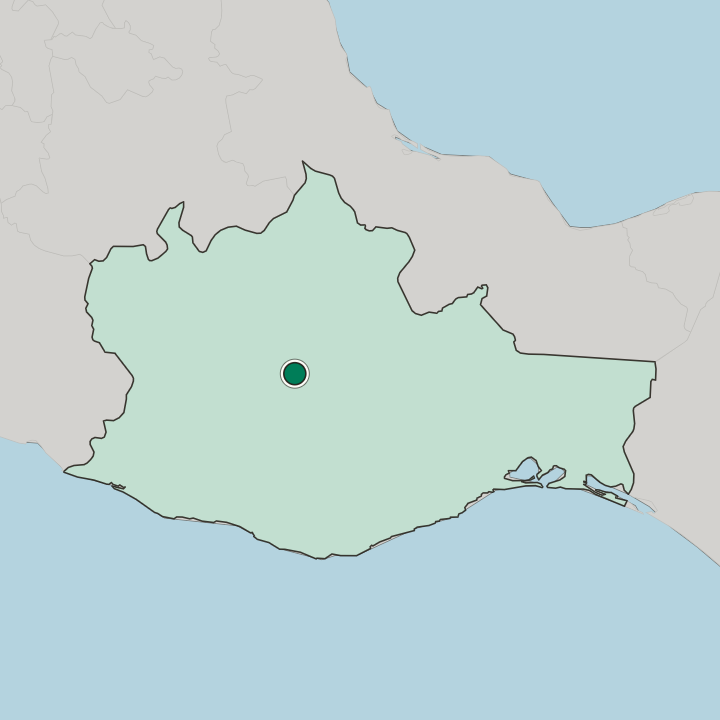
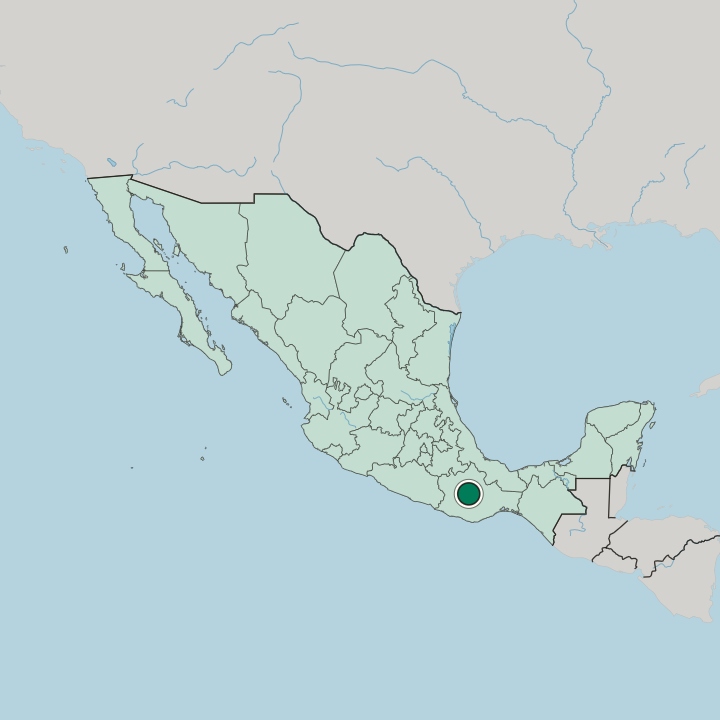
Oaxaca stands in the interior of Estado de Oaxaca, the state it serves as historic capital. The city spreads across an old grid of streets around its colonial core, with the churches and museums of the centre set among the low blocks of the historic town. The old town holds the heart.
From the Church of Santo Domingo de Guzmán and the Cathedral of Our Lady of the Assumption the streets run out toward the edges of the city, and the Basilica of Our Lady of Solitude marks one side of the old core.
What is the climate of Oaxaca?
Oaxaca has a mild, temperate climate in the interior of Estado de Oaxaca. The inland setting keeps the air warm by day and cooler at night through much of the year, and the weather turns on a summer rainy season that soaks the country around the city before the drier winter months return. Sun fills the old town.
The light falls hard on the stone of the Church of Santo Domingo de Guzmán and the Cathedral of Our Lady of the Assumption for much of the year over the historic streets.
How do you get to Oaxaca?
Oaxaca is the road hub of Estado de Oaxaca and the easiest place in the state to reach. Highways run in from the surrounding country toward the historic capital, and the city gathers the bus routes and services of the state at its centre, holding its old place as the seat of the interior. Streets fan out from the churches.
From the core around the Church of Santo Domingo de Guzmán and the Cathedral of Our Lady of the Assumption the grid carries traffic out past the Basilica of Our Lady of Solitude to the edges of the town and the roads beyond.
Common questions
What is the best area to stay in Oaxaca?
The core by the Church of Santo Domingo de Guzmán: first-time visitors in the historic centre. The craft streets by the Museo Textil de Oaxaca: weaving and printmaking workshops. The streets past the Basilica of Our Lady of Solitude: a longer stay beyond the Oaxaca old core.
Good for
More cities in Estado de Oaxaca
Updated September 2026