Mexico · Estado de Querétaro
Where to Stay in Santiago de Querétaro, Estado de Querétaro
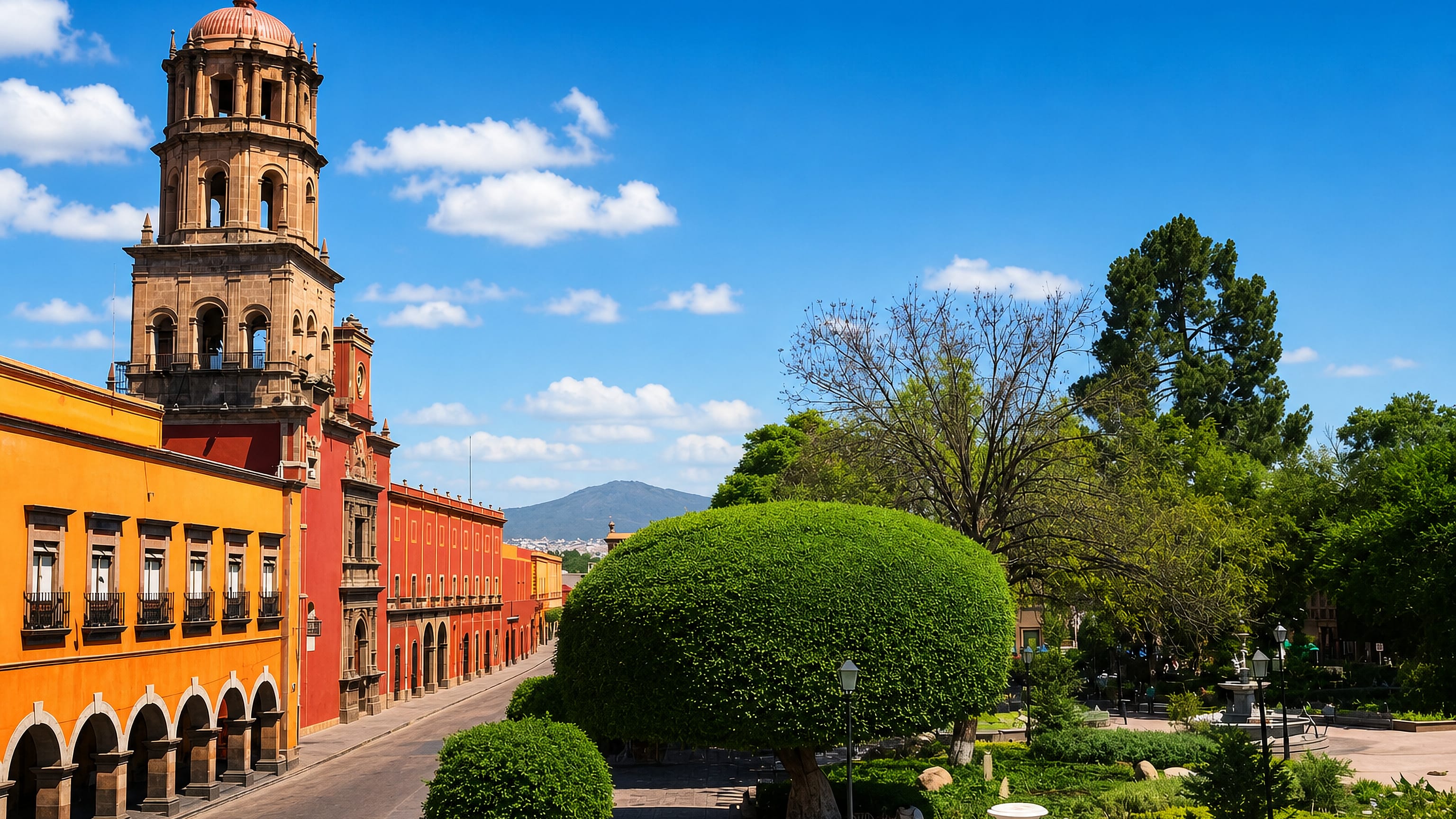
Santiago de Querétaro is a colonial city in central Mexico, famed for its great arched aqueduct and its place in the nation's history.
Hotel links are affiliate links: booking through them may earn us a commission, at no extra cost to you. It never affects how places are ranked. How this works


Where to stay in Santiago de Querétaro
Where the beds are, and what that means for the visit.
Where you stay in Querétaro turns on the old centre. The plazas and pedestrian streets around the Jardín Zenea keep the churches, the museums, and the aqueduct within a walk, and staying downtown suits anyone here for the colonial city. The squares fill with music in the cool evening.
Rooms sit in the old stone houses near the plazas. Out toward the newer districts and the highways, the city spreads into wide, modern avenues. A room away from the centre trades the plazas for malls, parking, and an easy road out to the capital.
The dry plateau opens past the edge. If you want the churches and the aqueduct, stay downtown; if you want the road and the malls, take a room outside. Either way, the old centre is close at hand.
Find hotels in Santiago de Querétaro
Direct booking searches for these neighbourhoods.
The old centre
Around the Jardín Zenea and the College of Santa Cruz de Querétaro, within a walk of the aqueductFind hotels in The old centreStays wanting malls, parking, and the highwaysNewer districts
Away from the centre near the ring roads, an easy road out to the capitalFind hotels in Newer districtsHotel links are affiliate links: booking through them may earn us a commission, at no extra cost to you. It never affects how places are ranked. How this works
Things to do in Santiago de Querétaro
Ranked by global recognition; descriptions from Wikidata (CC0).
Museums & Galleries
3- Museo Regional de Querétaro
- Queretaro Art Museum
- Museo de la Ciudad de Querétaro
Churches & Religious Sites
2- College of Santa Cruz de Querétaro Heritage
- Templo y exconvento de San Antonio de Padua
Castles & Historic Sites
3- Monumento a Ignacio Pérez
- Monumento a los Concheros
- Monumento a Andrés Balvanera Martínez
Stadiums & Sports
1- Plaza de Toros Santa María
Landmarks & Notable Places
3- Casa de los Ladrillos Heritage
- Casa de Don Bartolo
- Casa de los Perros
worth knowingacross 5 categories in Santiago de Querétaro
About Santiago de Querétaro
What is Santiago de Querétaro known for?
Querétaro is one of Mexico's grandest colonial cities. A magnificent aqueduct of tall sandstone arches strides into the town, its rows of pink stone the emblem of the city, and here the plotters of independence first laid their plans in 1810. An emperor met his end on the hill above.
History and stone fill the old streets.
What are the main landmarks in Santiago de Querétaro?
The great aqueduct is Querétaro's emblem. Its seventy-four tall arches of pink stone stride across a valley into the city, the grandest sight of the town, raised long ago to bring water to the streets. Convents and plazas fill the centre.
The College of Santa Cruz de Querétaro keeps its old cloisters, while the Museo de los Conspiradores and the Museum of the Restoration of the Republic recall the city's part in the nation's story.
What is the history of Santiago de Querétaro?
Querétaro grew rich in the colonial silver age. The Spanish built the city on the road north, and its convents, churches, and mansions rose in fine baroque stone, while a great aqueduct was raised to carry water to the growing town. Independence was born in secret here.
In 1810 the conspirators met in the city to plot rebellion, and when they were betrayed, the wife of the magistrate, known as La Corregidora, sent the warning that set the war in motion. The city saw the ends of empires. In 1867 the emperor Maximilian, brought down by the republic, was besieged in Querétaro and shot on the Hill of the Bells above the town.
Nations were remade in its halls. Half a century later the great Constitution of Mexico was signed in the city, binding the modern nation together. The whole old centre was later named a treasure of the world.
Querétaro guards its arches and its history on the plateau.
Where is Santiago de Querétaro?
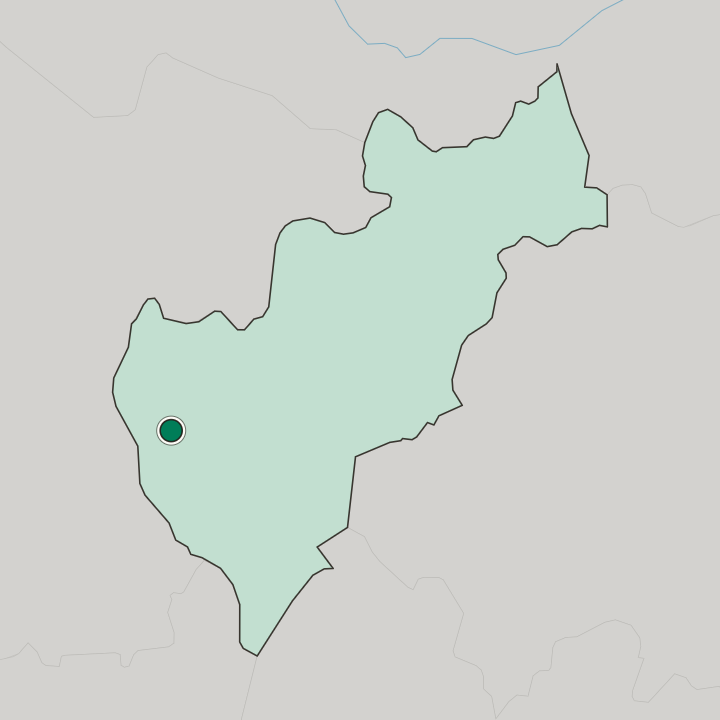
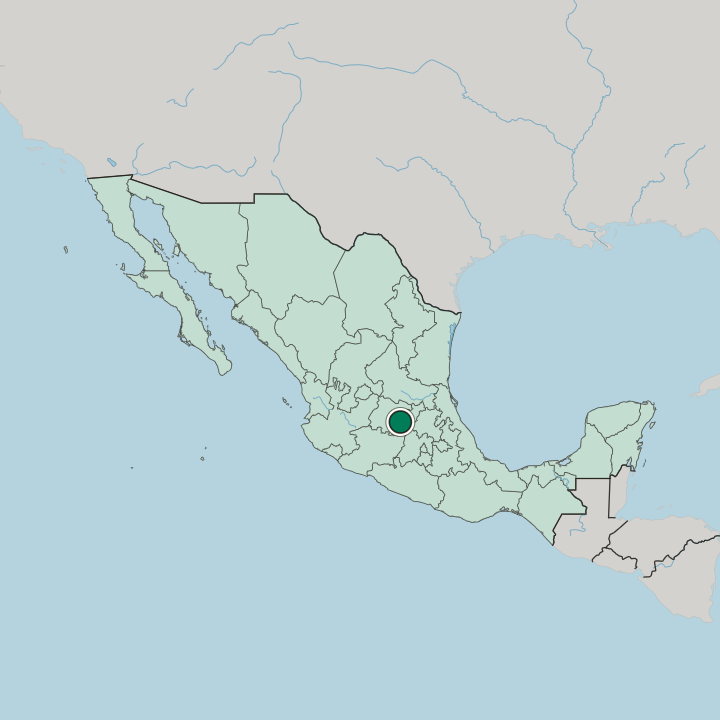
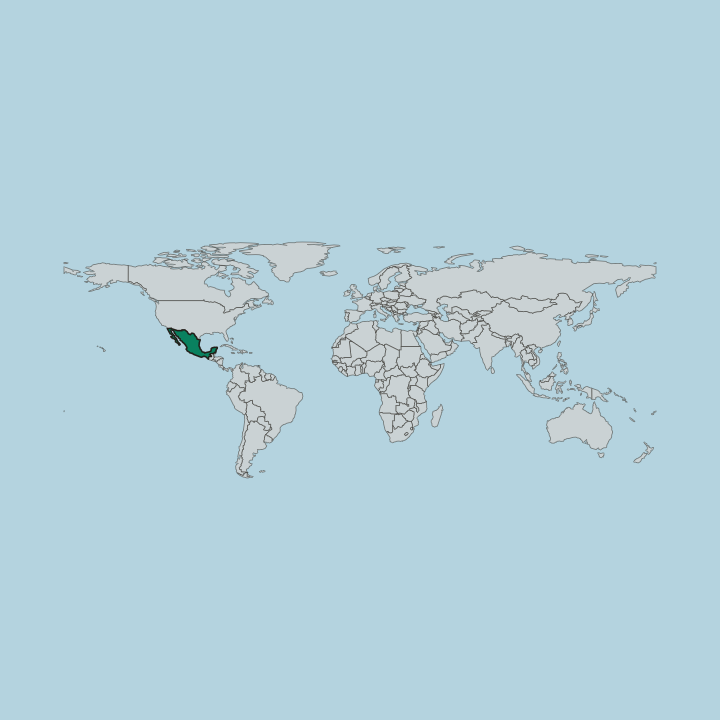
Querétaro lies on the high plateau of central Mexico. The city spreads across a broad valley in the semi-arid highlands, ringed by low brown hills and the ranges of the central plateau. Dry scrub covers the land around.
The high tableland stretches wide beyond the town.
What is the climate of Santiago de Querétaro?
Querétaro has a mild, dry highland climate. The great altitude keeps the days warm and the nights cool through the year, and a short rainy season brings green to the valley in summer. Little rain falls the rest of the year.
The plateau stays sunny and bright.
How do you get to Santiago de Querétaro?
Querétaro lies on the high road north of Mexico City. Fast highways and rail lines cross the plateau here between the capital and the north, and the city's airport links it to the wider country. Buses reach the colonial towns around.
Most arrive by road from Mexico City.
Common questions
What is the best area to stay in Santiago de Querétaro?
The old centre: Visitors here for the churches, plazas, and aqueduct. Newer districts: Stays wanting malls, parking, and the highways.
Good for
Another city in Estado de Querétaro
Updated September 2026