Mexico · Estado de Sinaloa
Where to Stay in Culiacán, Estado de Sinaloa
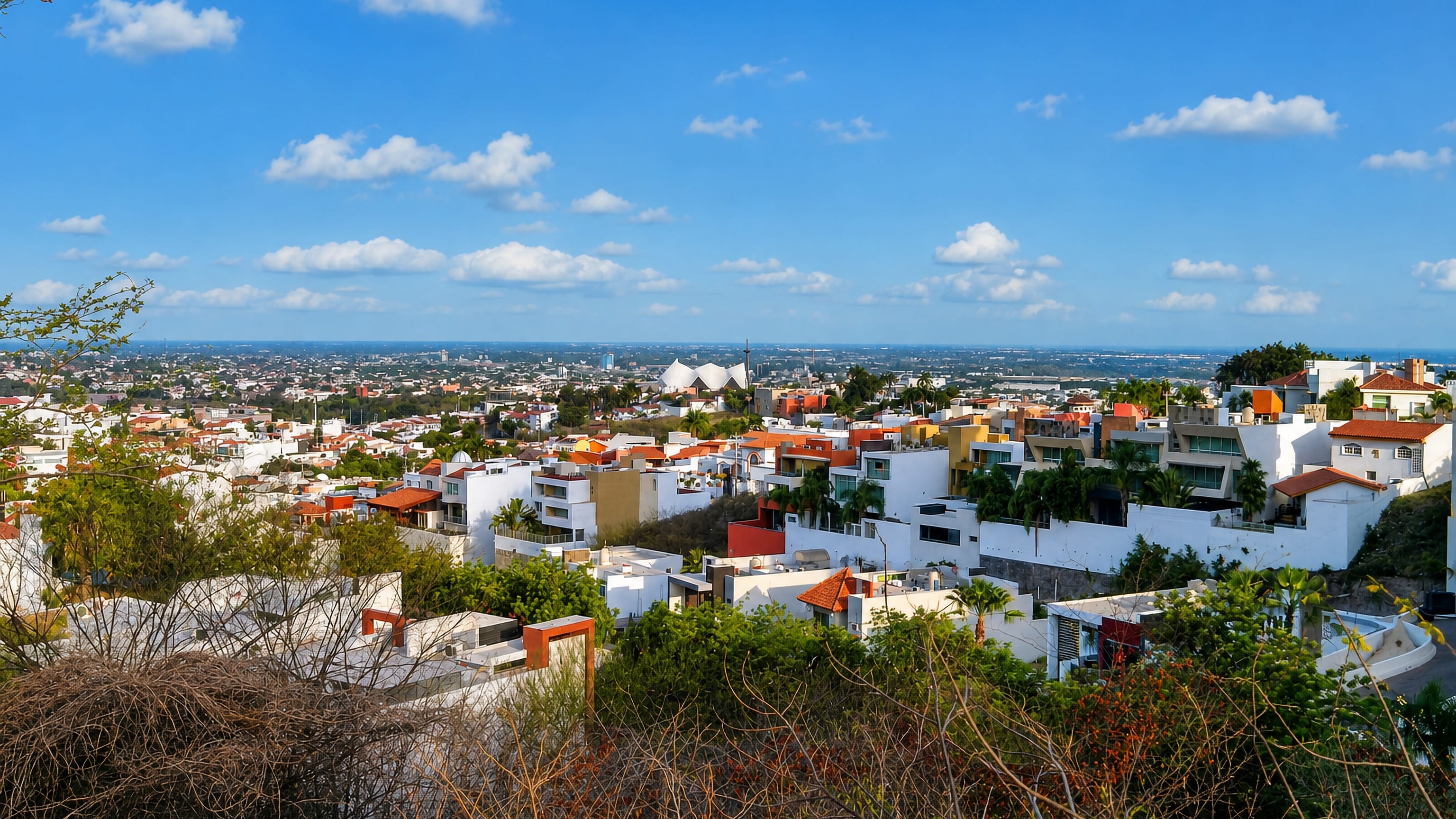
A hilltop church watches over Culiacán, capital of Estado de Sinaloa, known for its cathedral and the Sinaloa Museum of Art.
Hotel links are affiliate links: booking through them may earn us a commission, at no extra cost to you. It never affects how places are ranked. How this works


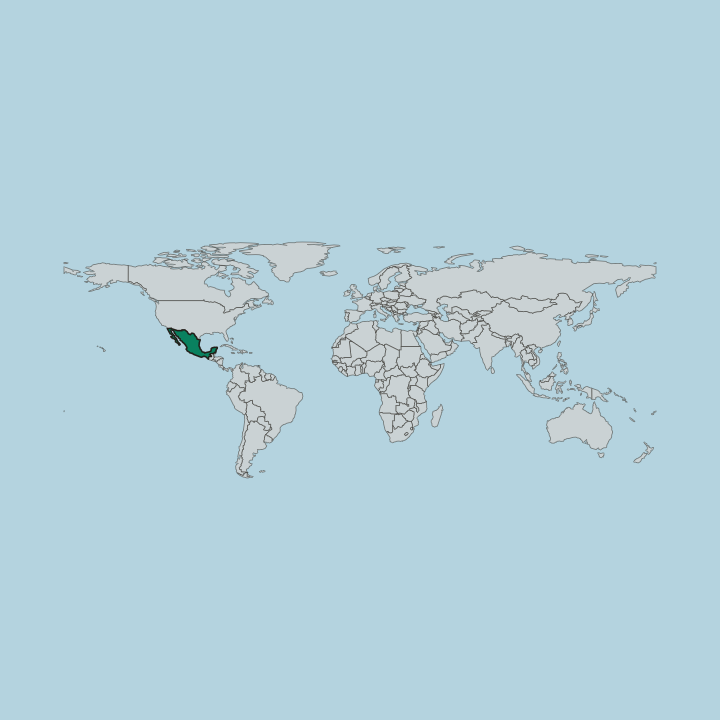
Where to stay in Culiacán
The practical side of choosing where to sleep.
Culiacán keeps most of its lodging near the old core, and where you stay in the capital of Estado de Sinaloa turns on how close you want to be to the cathedral and the centre. The blocks by the Cathedral Basilica of Our Lady of the Rosary hold the widest choice. Hotels and guesthouses gather around the Cathedral Basilica of Our Lady of the Rosary and the Sinaloa Museum of Art, within walking reach of the galleries, and this quarter suits first-time visitors who want the heart of the city on their doorstep.
The streets below the hill run quieter. Around the iglesia La Lomita the blocks keep a calmer, residential feel while staying close to the centre, useful if you want the town without the busiest corners. Beds spread toward the stadium.
Out past the Estadio General Ángel Flores the wider grid of Culiacán Municipality holds more rooms along the main roads, better for a longer stay or an easy drive than the old core. Plan on the cathedral centre for the fullest range.
Find hotels in Culiacán
Direct booking searches for these neighbourhoods.
The centre by the Cathedral Basilica of Our Lady of the Rosary
Blocks around the Cathedral Basilica of Our Lady of the Rosary and the Sinaloa Museum of Art hold the widest choice, close to the galleries on foot.Find hotels in The centre by the Cathedral Basilica of Our Lady of the Rosarya quieter, residential nightThe streets below the iglesia La Lomita
Calmer blocks beneath the hilltop iglesia La Lomita, close to the centre but away from the busiest corners of the city.Find hotels in The streets below the iglesia La Lomitaa longer stay or an easy driveThe roads past the Estadio General Ángel Flores
The wider grid of Culiacán Municipality beyond the Estadio General Ángel Flores, with more rooms along the main roads.Find hotels in The roads past the Estadio General Ángel FloresHotel links are affiliate links: booking through them may earn us a commission, at no extra cost to you. It never affects how places are ranked. How this works
Things to do in Culiacán
Ranked by global recognition; descriptions from Wikidata (CC0).
Museums & Galleries
2- Sinaloa Museum of Art
- Galería de arte Frida Kahlo
Churches & Religious Sites
2- Cathedral Basilica of Our Lady of the Rosary
- iglesia La Lomita
Stadiums & Sports
1- Estadio General Ángel Flores
worth knowingacross 3 categories in Culiacán
About Culiacán
What is Culiacán known for?
Culiacán is known as the capital and largest city of Estado de Sinaloa, set at the centre of the state. It is the heart of the distinctive Sinaloense culture that shapes the region, and its old core carries the Cathedral Basilica of Our Lady of the Rosary above the streets. Art gathers in the city.
The Sinaloa Museum of Art and the Galería de arte Frida Kahlo hold its galleries, while the hilltop iglesia La Lomita looks out over the town and the Estadio General Ángel Flores draws the crowds of Culiacán Municipality.
What are the main landmarks in Culiacán?
Culiacán sets its landmarks across the old core of Estado de Sinaloa's capital. The Cathedral Basilica of Our Lady of the Rosary rises at the heart of the city, and the hilltop iglesia La Lomita looks down over the streets from its rise above the town. Art fills the centre.
The Sinaloa Museum of Art and the Galería de arte Frida Kahlo hold the city's galleries, and the Estadio General Ángel Flores stands among the largest of its public grounds, drawing the crowds of Culiacán Municipality to its stands.
What is the history of Culiacán?
Culiacán was founded in 1531 by the Spanish conquistadors Lázaro de Cebreros and Nuño Beltrán de Guzmán, first under the name Villa de San Miguel in honour of Michael the Archangel. The town rose at the centre of what became Estado de Sinaloa, taking its patron saint and its early name from the founders, and it grew across the centuries into the capital and largest city of the state. Faith shaped the core.
The Cathedral Basilica of Our Lady of the Rosary rose over the old town, and the hilltop iglesia La Lomita was raised on its rise above the streets, giving the city its two great churches. Culture set it apart. Culiacán became the heart of the distinctive Sinaloense culture of the region, and the Sinaloa Museum of Art and the Galería de arte Frida Kahlo were later raised to hold its art.
The city kept on growing. As the seat of Culiacán Municipality it spread out along its roads, and the Estadio General Ángel Flores joined the landmarks of the modern town. That long story of founding, faith, and culture made Culiacán the capital it remains.
Where is Culiacán?
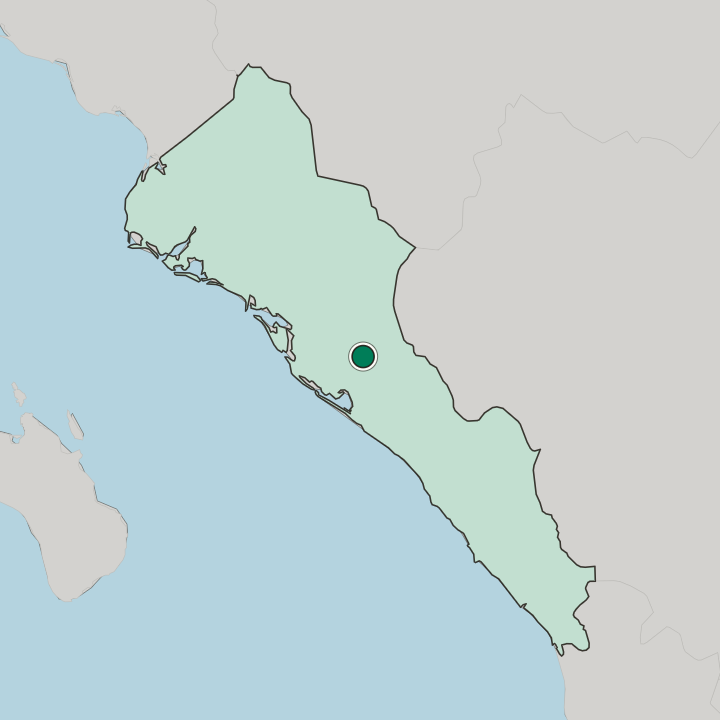
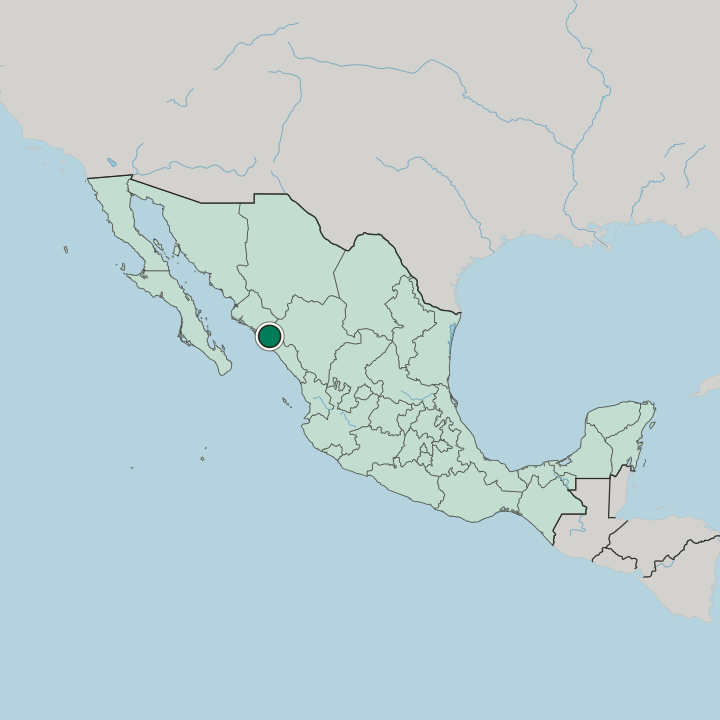
Culiacán lies at the centre of Estado de Sinaloa, the state it serves as capital. The city spreads across an inland grid of streets, with its old core and cathedral set on the low ground and the hilltop iglesia La Lomita rising above the rooftops nearby. A hill marks the town.
From the Cathedral Basilica of Our Lady of the Rosary the streets run out across Culiacán Municipality toward the Estadio General Ángel Flores and the main roads, while the rise of La Lomita gives the city its one clear high point.
What is the climate of Culiacán?
Culiacán has a hot, dry climate in the interior of Estado de Sinaloa. The inland setting brings long, very warm summers and mild winters, and the weather turns on a summer rainy season that breaks the dry heat over the city before the clearer, cooler months return. Shade is prized in the heat.
The trees of the old core and the streets around the Cathedral Basilica of Our Lady of the Rosary give relief from the sun, while the open grid toward the Estadio General Ángel Flores bakes under the strong light for much of the year.
How do you get to Culiacán?
Culiacán is the road hub of Estado de Sinaloa, set at the centre of the state and easy to reach from every side. Highways run in across the plain from the surrounding country, gathering the bus routes and traffic of the state at the city, so the capital keeps its place as the crossroads of Sinaloa. Streets fan out from the core.
From the centre around the Cathedral Basilica of Our Lady of the Rosary the grid carries traffic out across Culiacán Municipality past the Estadio General Ángel Flores to the main roads and the edges of the town.
Common questions
What is the best area to stay in Culiacán?
The centre by the Cathedral Basilica of Our Lady of the Rosary: first-time visitors near the galleries. The streets below the iglesia La Lomita: a quieter, residential night. The roads past the Estadio General Ángel Flores: a longer stay or an easy drive.
Good for
More cities in Estado de Sinaloa
Updated September 2026