Mexico · Estado de Tabasco
Where to Stay in Villahermosa, Estado de Tabasco
Villahermosa is the capital of Tabasco in southeastern Mexico, a hot river city on the Grijalva in the Gulf lowland, famous for its Olmec stone heads.
Hotel links are affiliate links: booking through them may earn us a commission, at no extra cost to you. It never affects how places are ranked. How this works


Where to stay in Villahermosa
How the choice of base plays out on the ground.
Where you stay in Villahermosa turns on the centre or the parks. The streets by the river keep the cathedral, the plazas, and the markets within a walk, and staying downtown suits anyone here for the city. The Grijalva runs past the streets.
Heat hangs over the water. Out toward the lagoons and La Venta, the city gives way to parks, water, and the Olmec heads. A room by the parks trades the centre for the museum, the lagoons, and the shade of the great trees.
Green water rings the paths. Stay downtown for the river, or by the parks for the heads. The centre lies a short drive in.
Find hotels in Villahermosa
Direct booking searches for these neighbourhoods.
The centre
Downtown along the Grijalva riverFind hotels in The centreStays wanting the Olmec heads and lagoonsLa Venta park
Out by the parks and the museumFind hotels in La Venta parkHotel links are affiliate links: booking through them may earn us a commission, at no extra cost to you. It never affects how places are ranked. How this works
Things to do in Villahermosa
Ranked by global recognition; descriptions from Wikidata (CC0).
Museums & Galleries
3- Museo de Historia de Tabasco Casa de los Azulejos
- Museo de Antropología Carlos Pellicer
- Casa Museo Carlos Pellicer Cámara
Churches & Religious Sites
1- Cathedral of the Lord, Villahermosa
Castles & Historic Sites
1- Monument to Andrés Sánchez Magallanes
worth knowingacross 3 categories in Villahermosa
About Villahermosa
Villahermosa is the river capital of the Tabasco lowland.
What is Villahermosa known for?
On the Grijalva in the hot, wet plain near the Gulf, it grew as the market of a land of rivers and cacao, and it keeps the open-air museum of La Venta with its colossal Olmec heads, the riverside parks and lagoons, the memory of the poet Pellicer, and the Maya country of the coast around. The wide Grijalva runs through the town. Green wetlands ring the city.
What are the main landmarks in Villahermosa?
The colossal Olmec heads are the treasure of Villahermosa. The giant stone faces of the Olmec, carved three thousand years ago and gathered in the park of La Venta, stand among the trees and lagoons, the emblem of the city, in the town. A poet made the park.
The writer Pellicer set the ancient stones among the jungle here, while the cathedral, the anthropology museum, and the riverside walks mark the streets of Villahermosa.
What is the history of Villahermosa?
This coast was the cradle of the Olmec. Three thousand years ago the Olmec, the first great civilisation of Mexico, carved colossal stone heads and raised temple mounds in the swamps of Tabasco, at La Venta near the coast. The first heads were carved here.
Their giant stone faces, dug from the jungle mud, are among the oldest great works of the Americas. Villahermosa grew much later on the river. A Spanish town rose on the Grijalva to trade the cacao and timber of the wet lowland, and it became the capital of Tabasco, though floods and pirates plagued it for years.
The oil age made it grow. In the last century oil was found in the Tabasco plain, and Villahermosa swelled into a hot, busy city, while the poet Pellicer gathered the Olmec heads into a park among its lagoons. The rivers still ring the town.
Villahermosa keeps its heads and its rivers in the Tabasco lowland.
Where is Villahermosa?
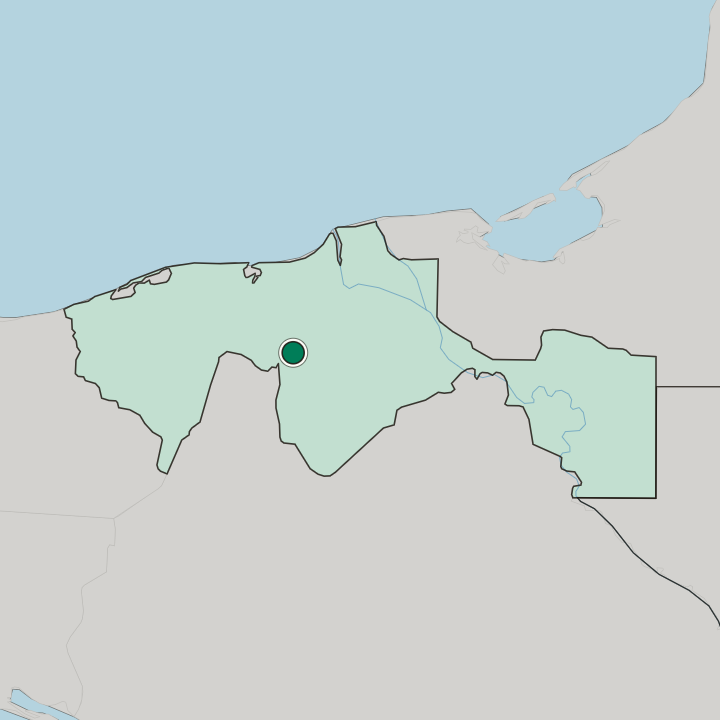
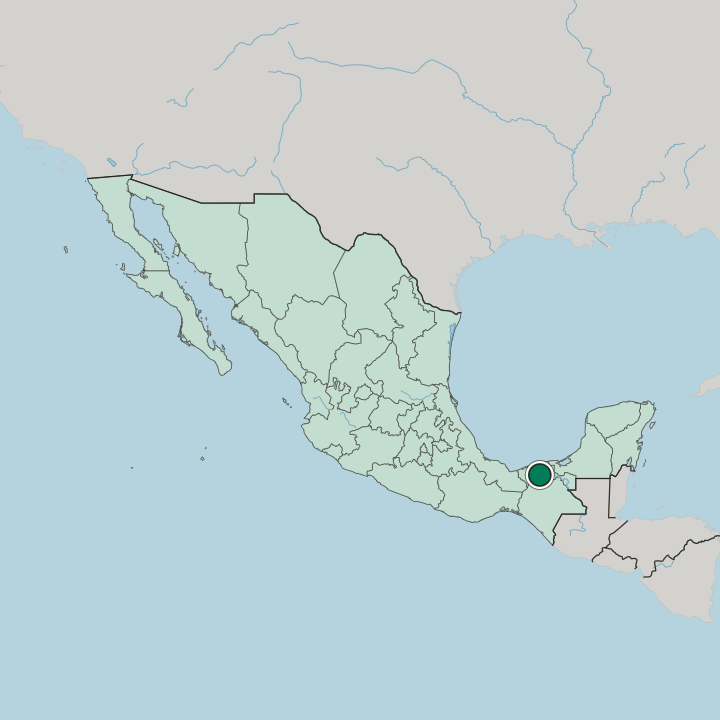
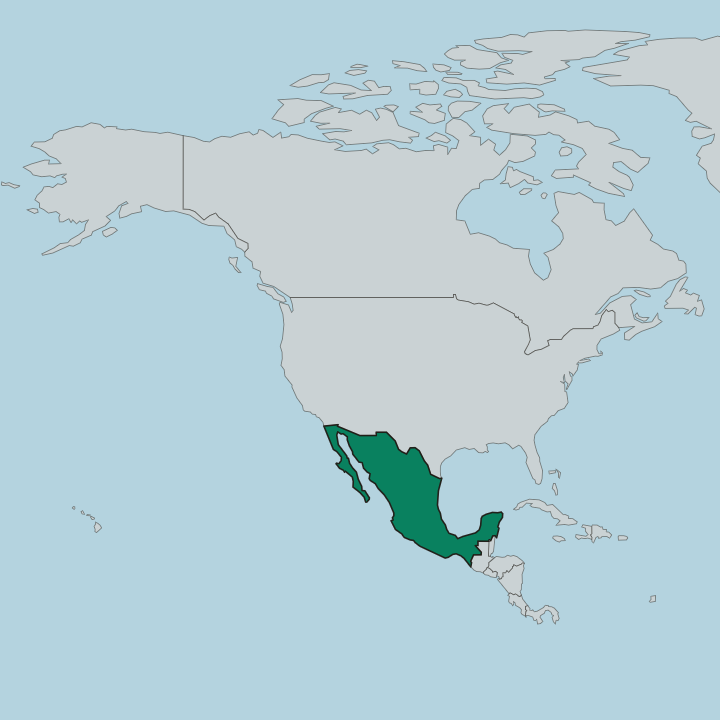
Villahermosa lies in the southeast of Mexico, on the Grijalva river in the low plain of Tabasco. The city stands in a hot, wet land of rivers, lagoons, and swamps near the Gulf coast, where the great rivers of the south wind slowly to the sea through jungle and cacao groves. Flat green wetland spreads around.
The rivers run brown to the Gulf.
What is the climate of Villahermosa?
Villahermosa has a hot, wet tropical climate. Heat and heavy rain hold through much of the year in the low plain, among the wettest and warmest in the country, with steamy air and great river floods in the rains. The heat hangs thick over the water.
Rivers flood high in the rains.
How do you get to Villahermosa?
Villahermosa lies in southeastern Mexico, on the roads and river routes of the Gulf lowland. Highways and flights link it to Mexico City and the cities of the south, and roads run out to the coast and the Maya ruins. Rivers wind out to the Gulf.
Mexico City lies far to the west.
Common questions
What is the best area to stay in Villahermosa?
The centre: Visitors here for the cathedral, plazas, and markets. La Venta park: Stays wanting the Olmec heads and lagoons.
Good for
Updated September 2026