Mexico · Estado de Veracruz-Llave
Where to Stay in Veracruz, Estado de Veracruz-Llave
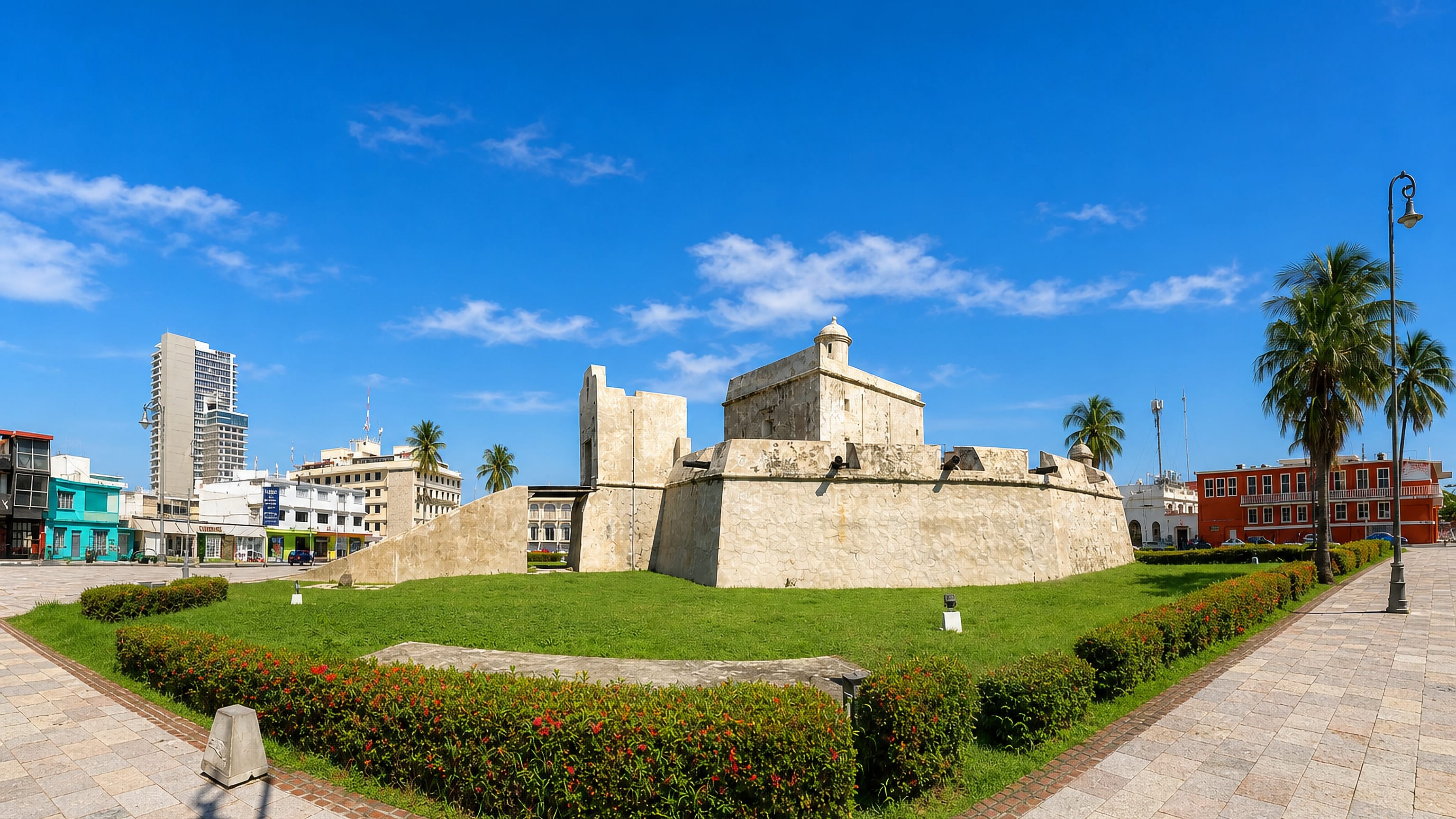
Sea air fills the harbour at Veracruz, a port city in Estado de Veracruz-Llave, known for San Juan de Ulúa and its carnival.
Hotel links are affiliate links: booking through them may earn us a commission, at no extra cost to you. It never affects how places are ranked. How this works


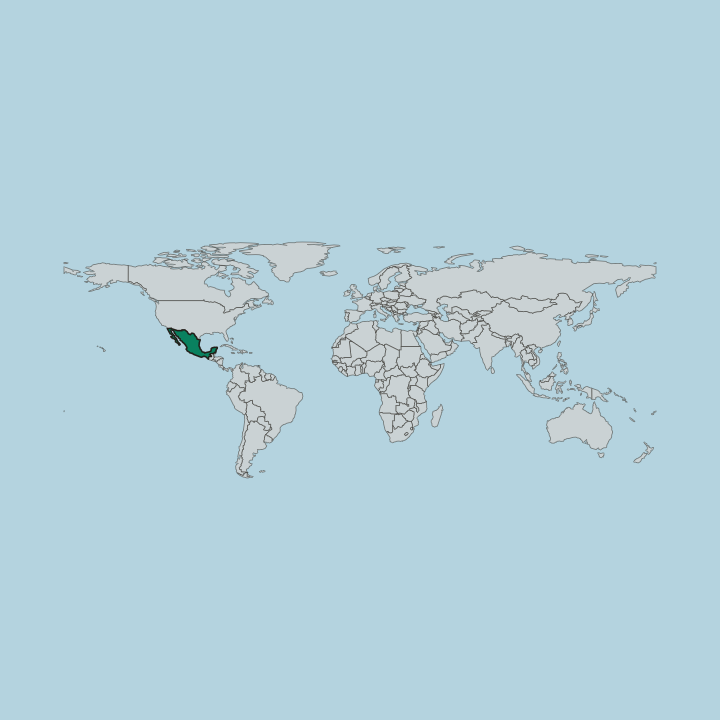
Where to stay in Veracruz
Where the beds are, and what that means for the visit.
Veracruz lays most of its lodging along the water, and where you stay in the Puerto turns on how close you want to be to the harbour and the zocalo. The old centre around the Cathedral of Veracruz holds the widest choice. Hotels gather in the downtown blocks near the zocalo and the Cathedral of Veracruz, within walking reach of the harbour and the nightly music, and this quarter suits first-time visitors who want the port and the plaza on their doorstep.
The seafront toward the Aquarium of Veracruz runs newer. Along the boulevard by the Aquarium of Veracruz and the Benito Juárez Lighthouse the rooms open to the Gulf, better for a stay tied to the beach and the sea breeze than the bustle of the old plaza. Near the port the streets stay workaday.
The blocks around San Juan de Ulúa and the working docks keep cheaper, plainer lodging, useful for an early sailing or a tight budget. Plan on the zocalo for the fullest range.
Find hotels in Veracruz
Direct booking searches for these neighbourhoods.
Downtown around the zocalo
Central blocks by the zocalo and the Cathedral of Veracruz hold the widest choice of hotels within walking reach of the harbour and the nightly music.Find hotels in Downtown around the zocaloa stay tied to the beachThe seafront by the Aquarium of Veracruz
Gulf-facing rooms along the boulevard by the Aquarium of Veracruz and the Benito Juárez Lighthouse, open to the sea breeze away from the old plaza.Find hotels in The seafront by the Aquarium of Veracruzan early sailing or a tight budgetThe port blocks by San Juan de Ulúa
Plainer, cheaper lodging among the working docks near San Juan de Ulúa, handy for the port rather than the sights. Beds are limited here, so book early.Find hotels in The port blocks by San Juan de UlúaHotel links are affiliate links: booking through them may earn us a commission, at no extra cost to you. It never affects how places are ranked. How this works
Things to do in Veracruz
Ranked by global recognition; descriptions from Wikidata (CC0).
Museums & Galleries
1- Museo de Cera Veracruz
Churches & Religious Sites
2- Cathedral of Veracruz Heritage
- Benito Juárez Lighthouse
Castles & Historic Sites
2- Castle of San Juan de Ulúa
- Busto a Colón en Plaza Colón
worth knowingacross 3 categories in Veracruz
About Veracruz
What is Veracruz known for?
Veracruz is known above all as the great port of Estado de Veracruz-Llave, the harbour town locals call the Puerto. The Port of Veracruz has driven its life since the Spanish landing, and the fortress island of San Juan de Ulúa still guards the approaches from the water. Music defines its nights.
The zocalo comes alive with dancing shaped by a strong Cuban influence, and the annual carnival fills the streets with the loudest celebration on the coast, drawing crowds to the Cathedral of Veracruz and the seafront alike.
What are the main landmarks in Veracruz?
Veracruz sets its landmarks between the fortress island and the seafront of the Puerto. San Juan de Ulúa, the old fortress guarding the harbour mouth, is the first of them, and the Cathedral of Veracruz anchors the old centre by the zocalo. The waterfront carries the rest.
The Aquarium of Veracruz and the Naval Museum Mexico stand along the shore, the Benito Juárez Lighthouse marks the port, and the Museo de Cera Veracruz and the Busto a Colón en Plaza Colón fill out the streets of the old town behind the docks.
What is the history of Veracruz?
Veracruz was founded in 1519 as the first Spanish landing on the coast of what became Estado de Veracruz-Llave. The Spaniards raised a port at the water's edge and built the offshore fortress of San Juan de Ulúa to guard the harbour and the treasure fleets that sailed from it, so the town grew from the start as the great sea gate of the coast. The sea made the city.
Ships, trade, and peoples came through the Port of Veracruz across the centuries, and the fortress island changed hands and served as prison and stronghold through the wars that swept the coast. Colonial building filled the old town. The Cathedral of Veracruz rose behind the docks, and the streets around the zocalo took the shape they still hold, while later monuments such as the Busto a Colón en Plaza Colón marked the port's long tie to the sea.
Music arrived with the ships. The strong Cuban influence carried across the water settled into the dancing of the zocalo and the yearly carnival, giving the Puerto a Caribbean voice that set it apart from the interior. That long history of port, fortress, and festival made Veracruz the coast city it remains.
Where is Veracruz?
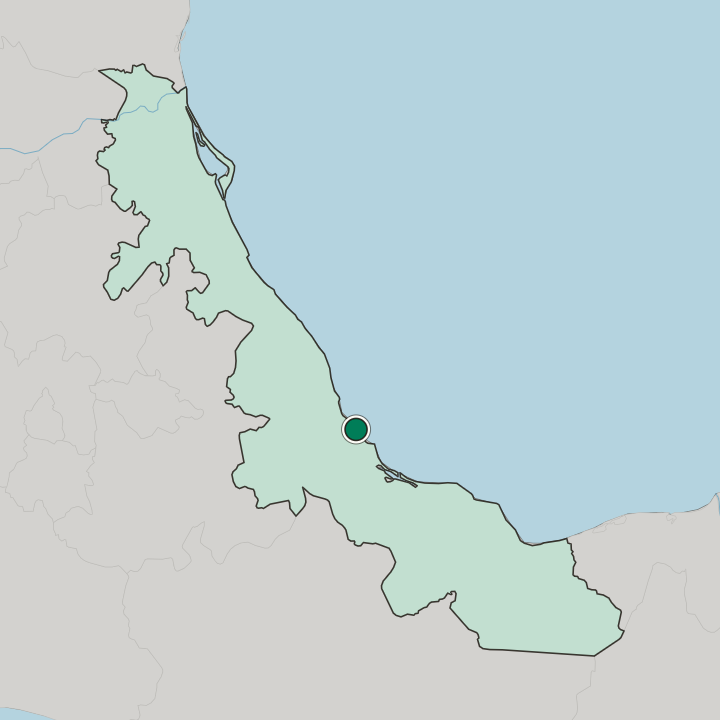
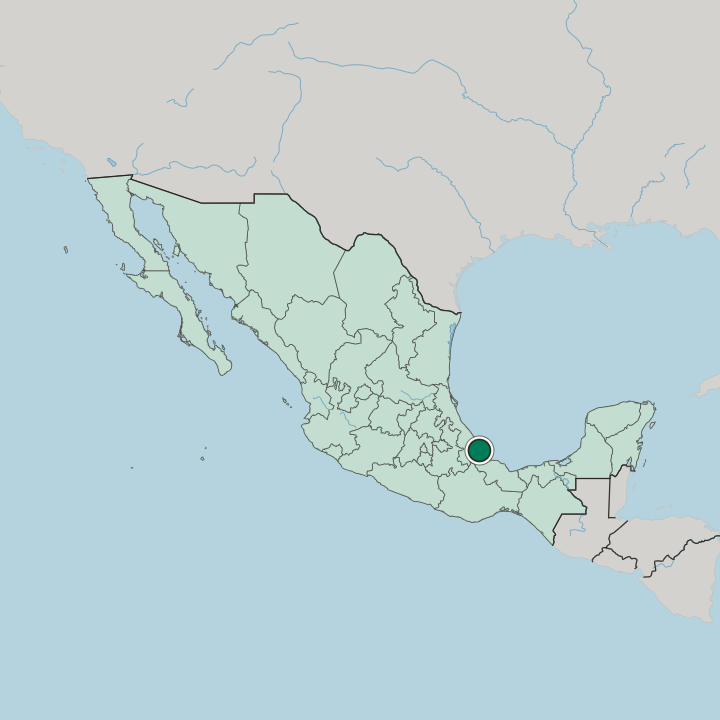
Veracruz sits on the Gulf coast of Estado de Veracruz-Llave, a port city built where the land meets the sea. The town spreads along a low, flat shore behind its harbour, with San Juan de Ulúa on its island offshore and the docks and beaches strung out to either side of the old centre. The Gulf runs the whole eastern edge.
From the zocalo the streets fall away toward the water past the Cathedral of Veracruz, and the seafront carries the Aquarium of Veracruz and the Benito Juárez Lighthouse along the warm, level coast.
What is the climate of Veracruz?
Veracruz has a hot, humid tropical climate on the Gulf coast of Estado de Veracruz-Llave. Warmth holds through the year on this low seaboard, and the weather turns on the rains and the winds off the water, with a wet season that soaks the port and the sudden northers that blow in cool, hard air across the harbour. Sea breezes ease the heat.
The shore by the Benito Juárez Lighthouse and the Aquarium of Veracruz catches the moving air off the Gulf, while the sheltered streets around the zocalo hold the humid warmth of the coast.
How do you get to Veracruz?
Veracruz is reached by sea and by the highways that run down to the coast of Estado de Veracruz-Llave. The Port of Veracruz has carried ships into the harbour since the Spanish landing, and the roads thread in from the interior across the coastal lowland toward the old town. Traffic gathers at the water.
From the highway the streets run down to the zocalo and the Cathedral of Veracruz, and the seafront boulevard carries you past the Aquarium of Veracruz and the Benito Juárez Lighthouse along the shore to San Juan de Ulúa and the working docks.
Common questions
What is the best area to stay in Veracruz?
Downtown around the zocalo: first-time visitors near the plaza. The seafront by the Aquarium of Veracruz: a stay tied to the beach. The port blocks by San Juan de Ulúa: an early sailing or a tight budget.
Good for
More cities in Estado de Veracruz-Llave
Updated October 2026